
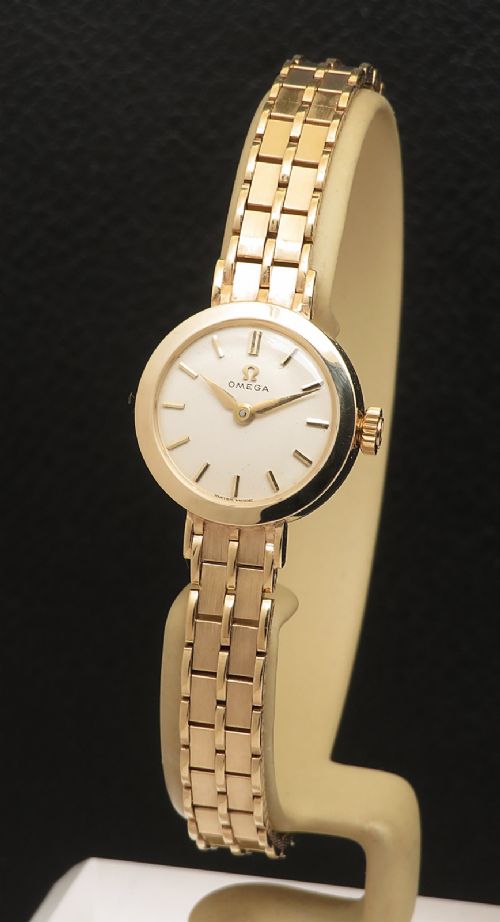
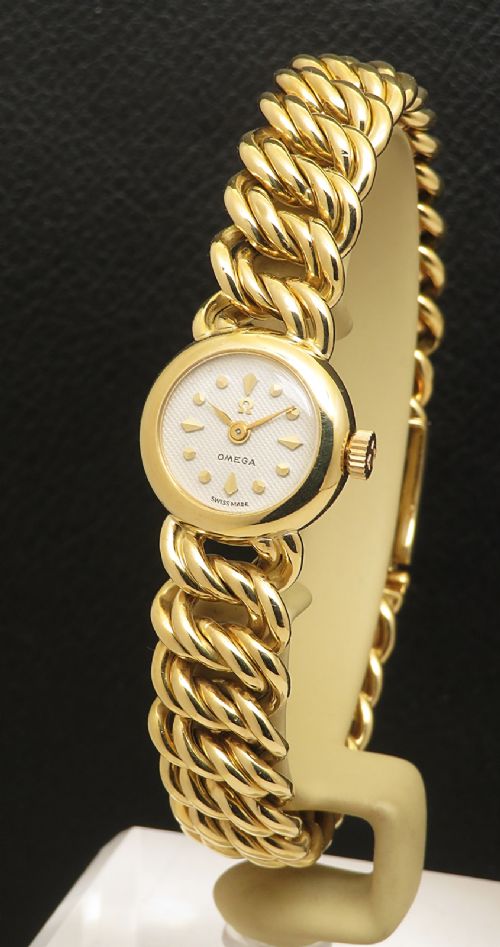

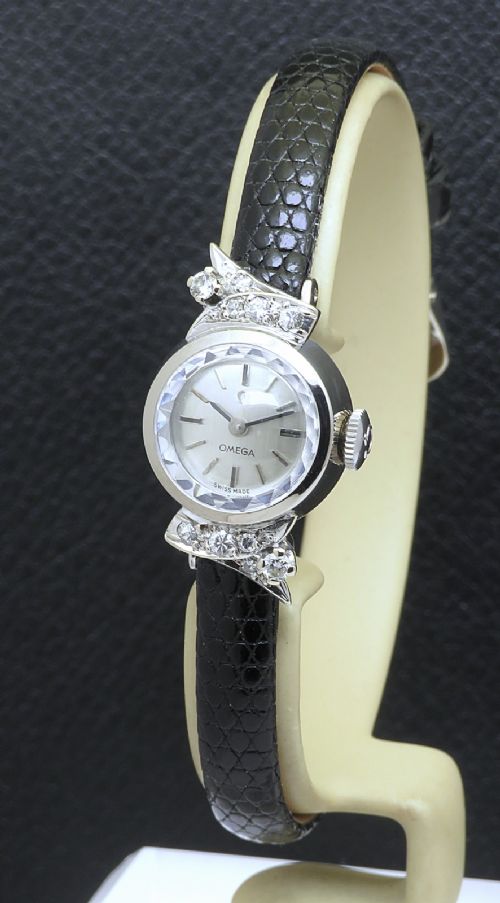


Vintage Luxury Cocktail Watch
These vintage luxury cocktail watch pieces combine fine jewellery with precise timekeeping, offering the collector an elegant statement piece for evening wear.
Vintage Luxury Cocktail Watch
A vintage luxury cocktail watch is a sophisticated timepiece designed primarily as an evening accessory rather than a simple utilitarian clock. These items merge horology with high jewellery, often featuring concealed dials or ornate, gem-set bezels that blur the line between a bracelet and a watch.
On this page, the buyer is most likely to meet pieces originating from the 1920s through to the 1960s. These encompass distinct aesthetic movements including Art Deco and Mid-Century Modern designs, presented in forms such as wristwatches and bracelet watches.
How they were made
The construction of these watches relies heavily on precious metals and gemstones to create a luxurious finish. Goldsmiths and watchmakers utilised solid 18ct white gold, 18ct yellow gold, 9ct gold, and platinum as the primary foundations for the cases and bracelets.
Intricate embellishments form a core part of the manufacturing technique, incorporating diamonds set alongside glass crystals and manual wind movements. Leather and fabric straps also appear alongside metal bracelets to secure the timepiece to the wrist.
Materials documented across the inventory include diamond, glass, platinum, 18ct white gold, 9ct gold, 18ct yellow gold, leather, and fabric.
What varies in quality
The presence of original fitted boxes and accompanying documentation significantly elevates the completeness of a piece. Furthermore, the precision and intricacy of the movement, whether signed by esteemed makers or preserved in unworn condition, define the distinction between standard examples and superior specimens.
Omega·Rolex Tudor·Asprey·Movado·Vertex·Tissot
The Vintage Luxury Cocktail Watch Glossary
- Art Deco
- A design style spanning the 1920s and 1930s characterised by geometric symmetry, stylised motifs, and sharp lines. This aesthetic heavily influenced the rectangular and square geometric cases of early cocktail watches.
- Manual wind
- A mechanical watch movement that requires the wearer to manually turn the crown to tighten the mainspring. Most vintage pieces rely on this traditional winding mechanism rather than a battery.
- Mid-Century Modern
- A stylistic movement spanning the 1940s to the 1960s focused on clean lines and organic forms. Watches from this period often display softer contours and integrated bracelet designs.
- Platinum
- A dense, durable, and naturally white precious metal used to mount diamonds securely. Its strength allows for delicate, lace-like metalwork without risking the security of the stones.
Vintage Luxury Cocktail Watch: Frequently Asked Questions
How do I wear a cocktail watch?
These timepieces function primarily as formal evening wear jewellery rather than daily timekeepers. They sit on the wrist as a decorative bracelet that happens to tell the time.
Pair them with evening attire where the sparkle of diamonds and precious metals complements your outfit. Because many feature delicate manual wind movements, treat them with care during active daily routines.
What periods do these watches come from?
The pieces available span several decades from the 1920s through to the 1960s. Each decade brings distinct stylistic shifts, moving from geometric Art Deco designs to flowing Mid-Century Modern forms.
Examining the case shape and the cut of the diamonds usually reveals the design decade. Earlier pieces tend to feature platinum geometric settings, while later examples often utilise 18ct white gold.
Are these watches mechanical?
Yes, these items utilise traditional mechanical movements rather than modern quartz technology. They require manual winding via the crown to store energy in the mainspring.
Because they are vintage mechanical items, regular servicing by a horologist ensures they keep accurate time. Avoid over-winding the crown to prevent strain on the internal components.
What metals are used in these pieces?
The listings feature a range of precious metals including platinum, 18ct white gold, 18ct yellow gold, and 9ct gold. Platinum and white gold are particularly common in diamond-set examples because their neutral colour enhances the brilliance of the stones.
Yellow and 9ct gold frequently appear across pieces from the 1940s, 1950s, and 1960s. Each metal offers a distinct weight and colour profile that defines the character of the watch.