





Vintage Luxury Accessories
These vintage luxury accessories span desk pieces, barware, and personal items crafted from precious metals, leather, and fine enamels.
Vintage Luxury Accessories
Vintage luxury accessories encompass refined desk accoutrements, smoking items, barware, and personal containers created by esteemed design houses and silversmiths. The selection on this page leans heavily towards mid-century French and British pieces, alongside Edwardian items designed for daily utility and display.
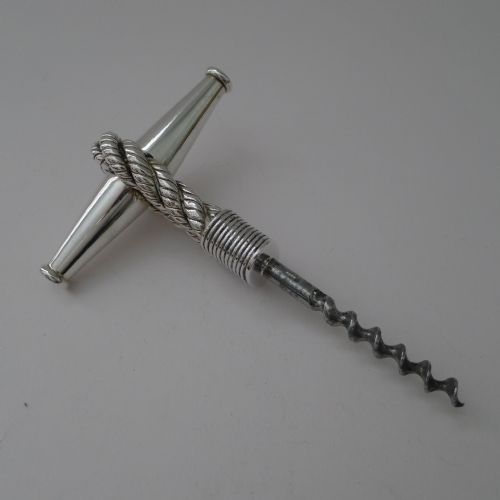
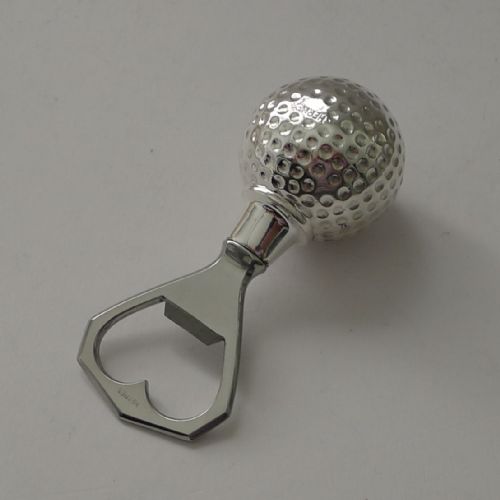
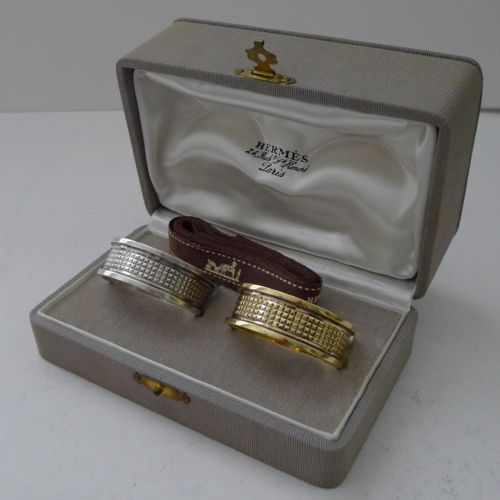
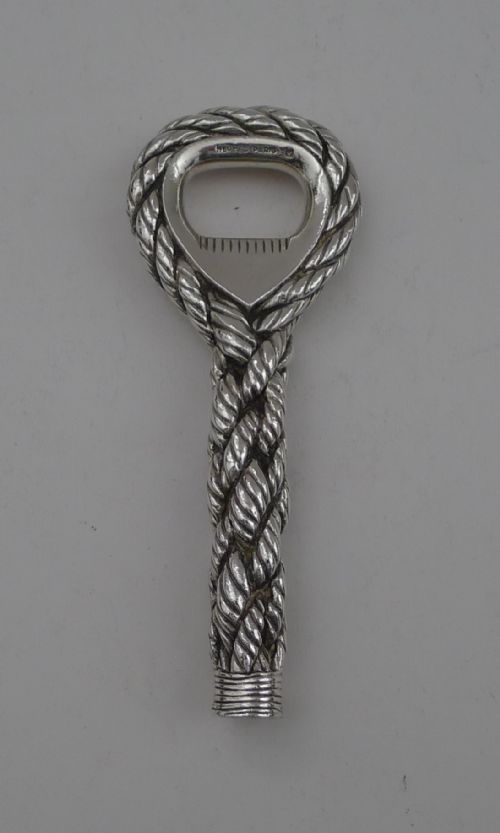
Buyers will encounter functional objects intended for the desk, bar, or dressing table, including corkscrew openers, fountain pens, jewellery boxes, and napkin rings. Many carry the signatures of notable makers such as Hermes and Cartier, reflecting the aesthetic priorities of their respective decades from 1900 to later than 1960.
How they were made
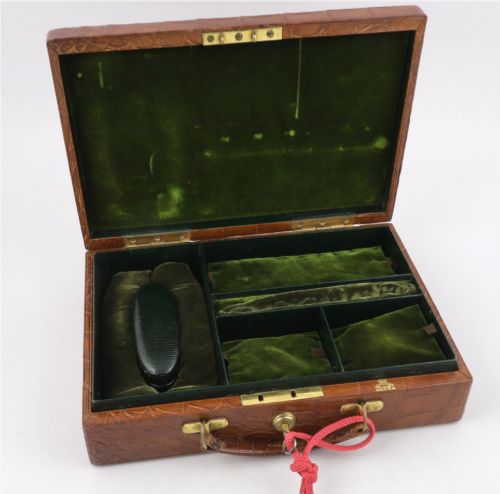
Makers utilised sterling silver, silver plate, gold, and gilt bronze, often combining them with natural materials such as crocodile leather, velvet, and Guilloche enamel. Metal components were cast, hand-hammered, or chased to achieve detailed textures like rope cordage and equestrian motifs.
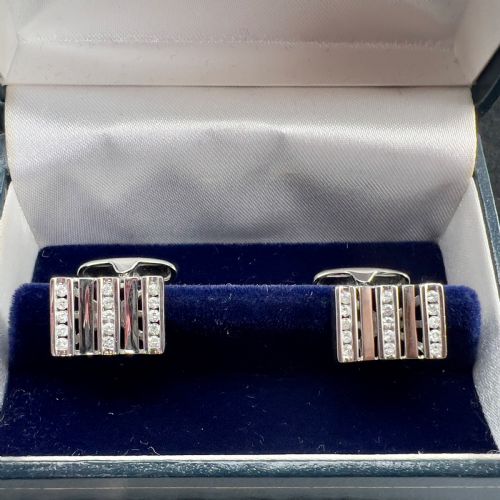
Specialised techniques include trompe l'oeil modelling, coin inset work, and precision mechanical assembly found in perpetual calendars and fountain pens. These methods required skilled metalwork and fine finishing, particularly in pieces featuring engraved or diamond-set details.
Vintage Luxury Accessories Retail Price Guide 2026
Typical asking prices for vintage luxury accessories among the pieces listed under this phrase on Sellingantiques today, from the lower quarter to the upper quarter. They describe what is for sale here now, not the wider market.
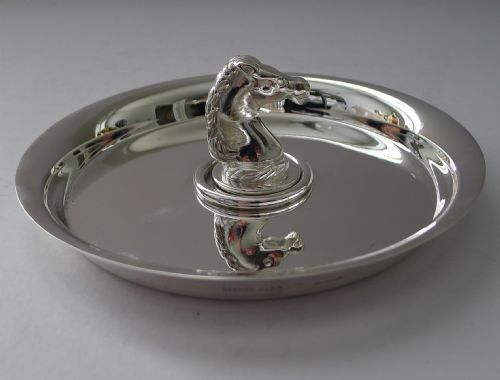
Several items double as humorous desk companions, including cigar ashtrays disguised as everyday food items and horse head dishes.
What varies in quality
Quality rests upon the execution of surface detail, the weight of the metal utilised, and the integrity of the maker's signature or hallmarks. Pieces executed with crisp casting, such as detailed equestrian heads or trompe l'oeil textures, demonstrate superior craftsmanship.
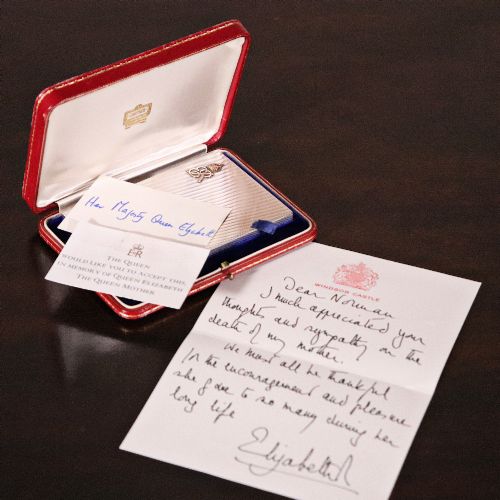
The choice of materials also dictates standing, with solid precious metals, genuine crocodile leather, and complex enamel work sitting at the upper end. Original boxes and verifiable special orders further distinguish exceptional examples from standard production.
J C Vickery·Cartier·Theo Fennell·Asprey Of London·David Andersen
The Vintage Luxury Accessories Glossary
- Vide poche
- A small tray or dish intended for emptying pockets of small items upon entry to a room.
- Guilloche
- A decorative mechanical engraving technique that produces precise, intricate patterns beneath a translucent enamel layer.
- Trompe l'oeil
- An artistic illusion in three-dimensional objects designed to trick the eye into perceiving a different material or texture.
- Silver gilt
- Silver objects that have been coated with a thin layer of gold on the surface.
- Boulle
- A style of marquetry using brass and tortoiseshell or similar materials, named after a French cabinetmaker.
Vintage Luxury Accessories: Frequently Asked Questions
What defines a vintage luxury accessory?
These items are functional or decorative objects produced by notable houses and silversmiths using precious materials.
They include desk tools, barware, and personal containers dating from the Edwardian era through the mid-century period.
How do I identify the maker?
Makers and houses often marked their work with stamped signatures, monograms, or traditional hallmarks.
Examination of the metal or lining typically reveals stamps indicating the silversmith, metal purity, and city of origin.
What materials were commonly used?
Makers utilised sterling silver, silver plate, solid gold, gilt bronze, and brass alongside luxury elements like velvet and leather.
Enamel and diamonds also appear on refined pieces intended for special orders or presentation.
How should I care for silver items?
Silver and silver gilt pieces require gentle cleaning with appropriate cloths to preserve the surface finish and hallmarks.
Harsh abrasives must be avoided, particularly on items featuring enamel or delicate mounted stones.