


Vintage Luggage Rack
These vintage luggage rack designs offer practical utility and period character for modern hallways and bedrooms.
Vintage Luggage Rack
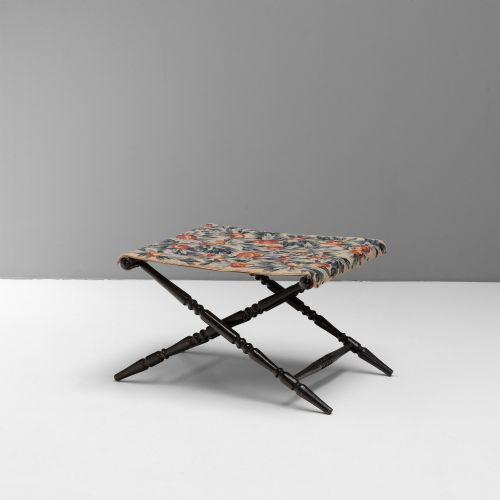
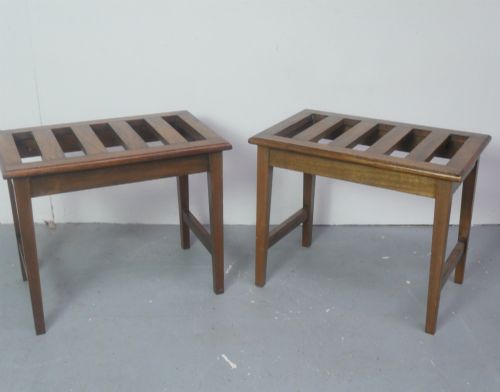
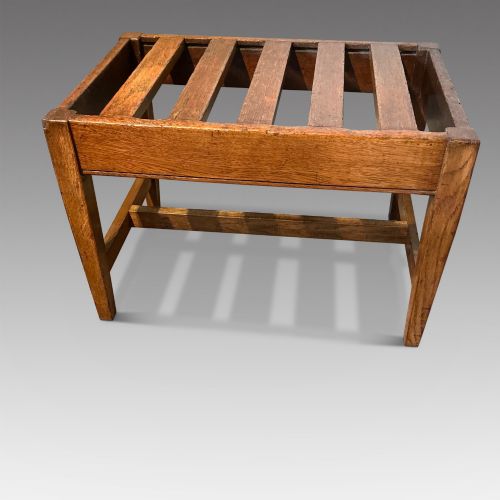
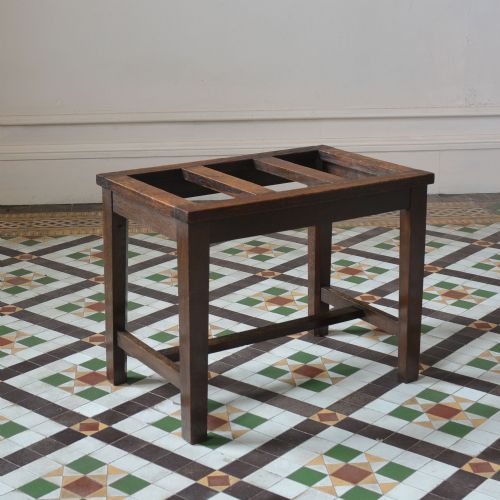
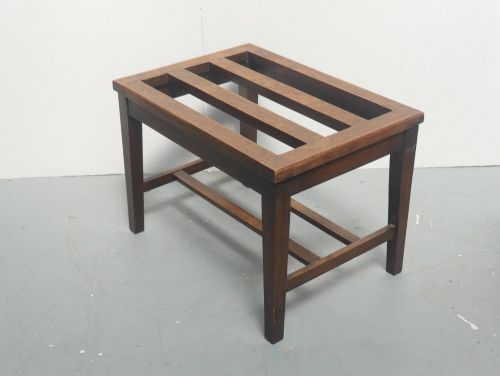
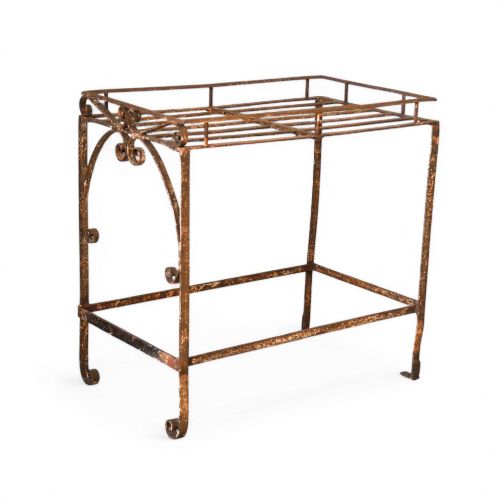
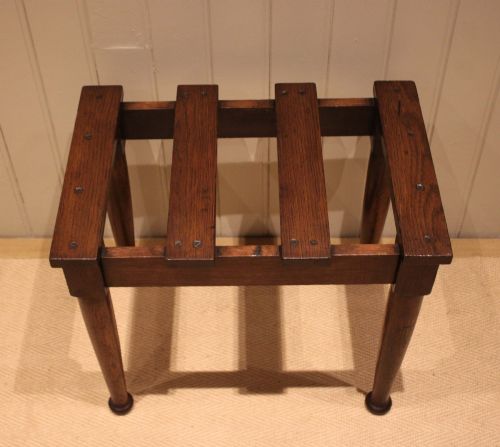
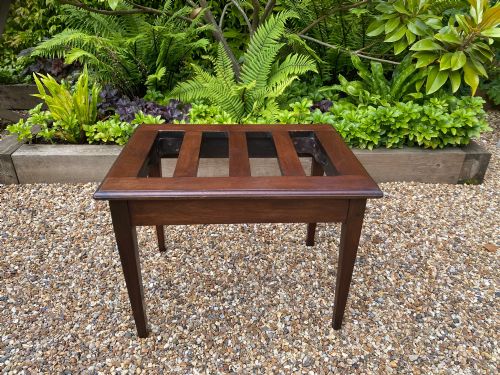
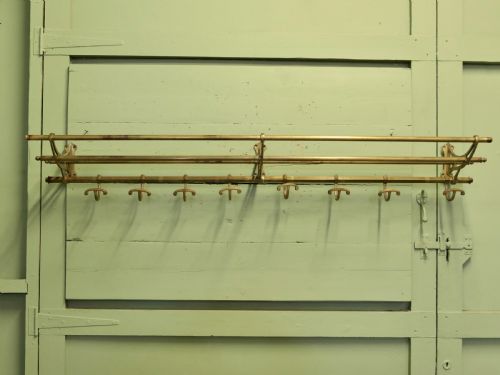
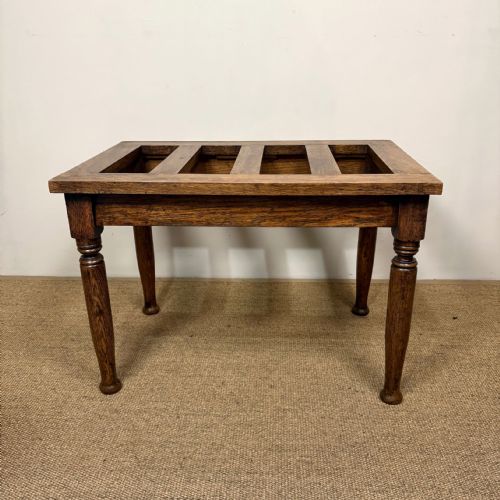
A vintage luggage rack serves as a sturdy platform for bags and clothing, originating from hotels, railway carriages and large private estates. These pieces range from low folding stands to wall-mounted hat and coat carriers with integrated rails.
Oak, mahogany and walnut appear frequently in these listings, alongside brass and wrought iron. The selection spans Victorian and Edwardian examples through to Art Deco and mid-century modern variations.
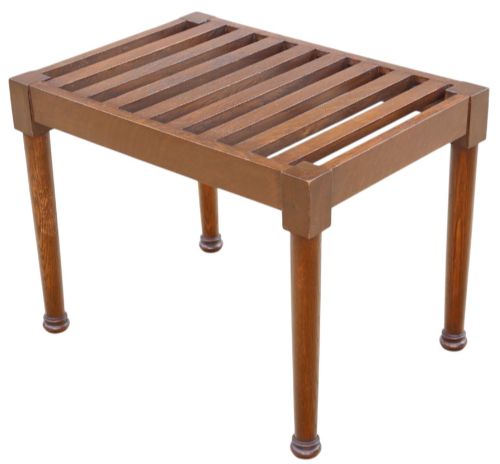
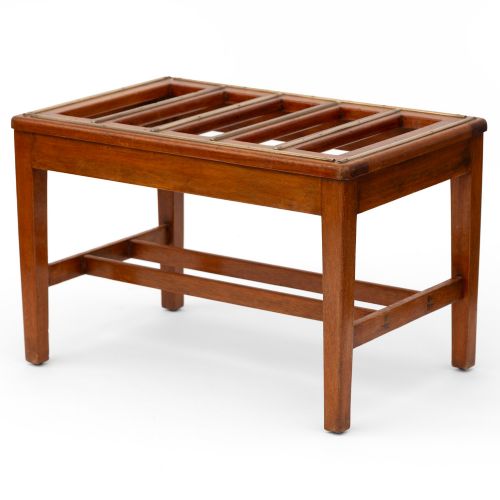
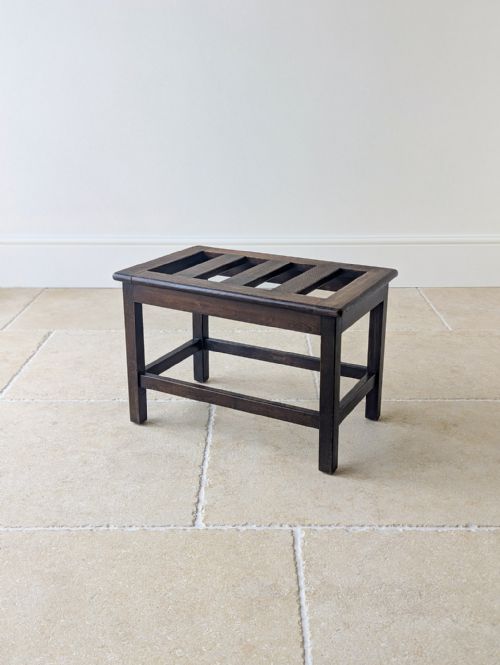
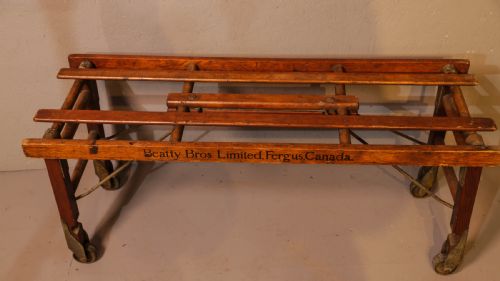
Buyers meet low stands intended for bedroom use as well as longer wall fixtures designed for French bistros or railway corridors. Many incorporate folding frames or slatted wooden tops for holding luggage.
How they were made
Makers utilised solid timbers such as oak, mahogany, walnut, elm and ash to build the foundational frames of these pieces. Wood sections often received hand-polished finishes to highlight the natural grain.
Metal components involved cast brass, wrought iron, nickel plating and chrome, frequently paired with wooden slats or mirrored plates. Mounting brackets and hooks received careful casting or forging to support heavy garments and travel chests.
Listings feature woods including oak, mahogany, walnut, ash, elm, and painted pine alongside brass, wrought iron, glass, and nickel plating.
What varies in quality
The choice of timber and the weight of the metal determine the rigidity and presence of each piece. Heavier gauge brass, substantial oak scantlings and dense mahogany indicate workshop production intended for heavy hotel or railway use.
Refined joinery, carved details and cast mounting plates separate standard utility items from superior examples. Original mirror plates and branded railway or hotel provenance add distinct character to individual pieces.
Beatty Bros Fergus Canada·Brown & Lamont·Waring & Gillow
The Vintage Luggage Rack Glossary
- Luggage stand
- A low-set folding or rigid frame designed to hold a travelling case at a convenient height in a bedroom or dressing room. These often feature slatted wooden tops and raised rear upstands.
- Portmanteau
- A wall-mounted rack combining shelf space with hooks for coats and hats, often incorporating brass brackets and a mirrored backplate. French examples frequently display decorative cast metalwork.
- Upstand
- A raised barrier at the rear of a luggage stand designed to prevent bags from sliding backward against a wall. This feature appears on deeper nineteenth-century models.
- Edwardian
- A design period spanning the reign of King Edward VII, characterised by lighter oak and mahogany furniture forms following heavier Victorian styles.
Vintage Luggage Rack: Frequently Asked Questions
How were vintage luggage racks used?
Hotels, railway carriages and grand houses utilised these stands to hold heavy leather travel bags off the floor. Wall-mounted versions accommodated hats, coats and small luggage items in entryways.
Today, homeowners repurpose low stands as bedroom luggage benches or bathroom towel holders. Wall racks function well in hallways for daily outdoor wear.
How do I identify an Edwardian luggage rack?
Edwardian pieces date from the early twentieth century and frequently employ oak with straightforward joinery. They reflect a lighter aesthetic compared to earlier Victorian furniture.
Look for clean lines, occasional carved details, and maker stamps from firms operating during this era. Many retain a warm polished oak finish.
Are French luggage racks different from British ones?
French portmanteaus and racks often incorporate decorative brass brackets, scalloped hooks and mirrored plates. They frequently emphasise display alongside utility.
British examples tend toward robust utility, constructed from solid oak or mahogany with fewer decorative flourishes. Railway company pieces bear specific regional utility stamps.
What materials should I expect to find?
Construction relies on hardwoods like oak, mahogany, walnut, ash and elm, paired with brass, wrought iron and nickel plating. Glass appears in mirrored wall portmanteaus.
Frames combine these elements to ensure load-bearing strength. Metal fittings range from plain cast iron to ornate polished brass.