

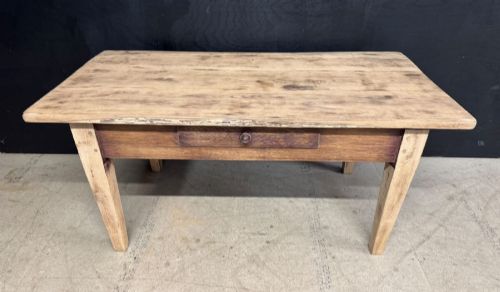
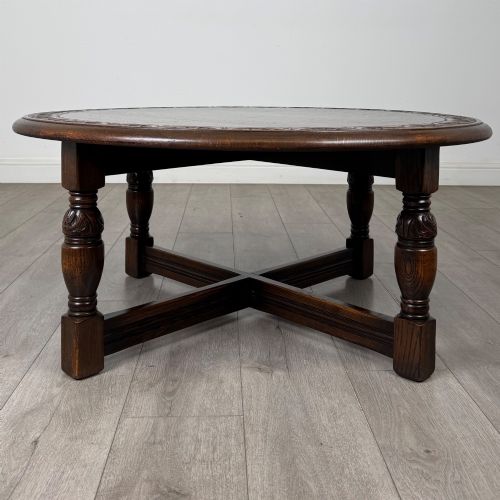
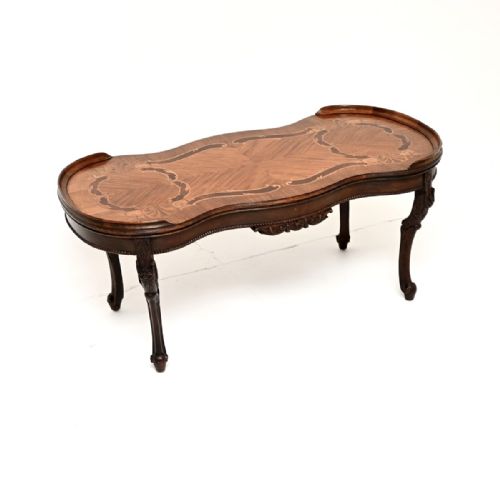
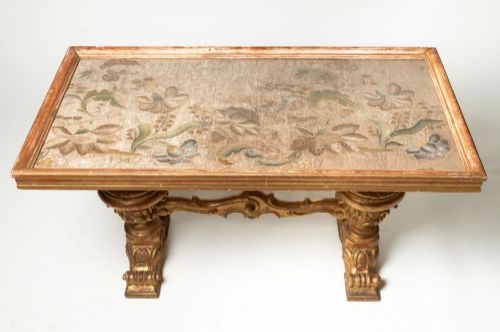
Vintage Low Centre Table
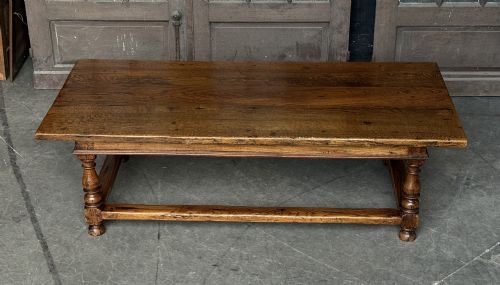
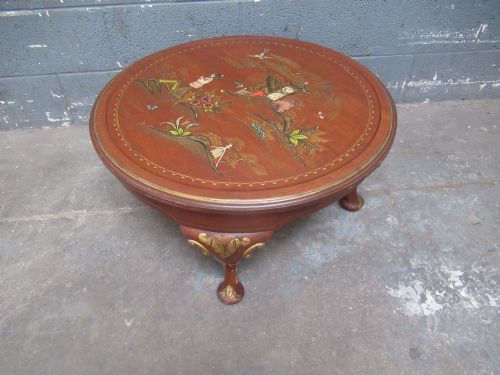
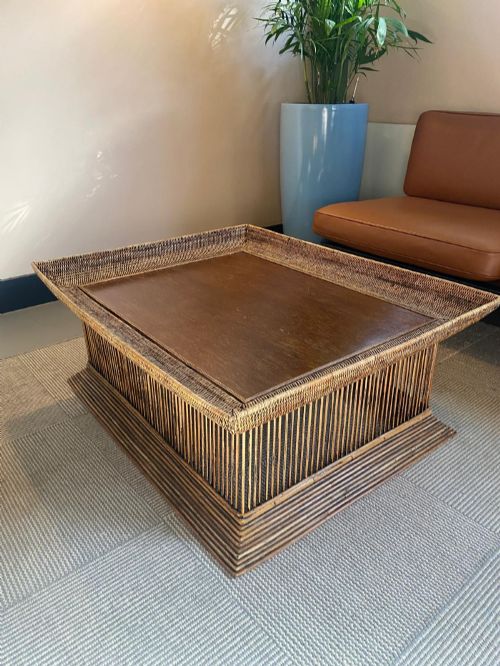
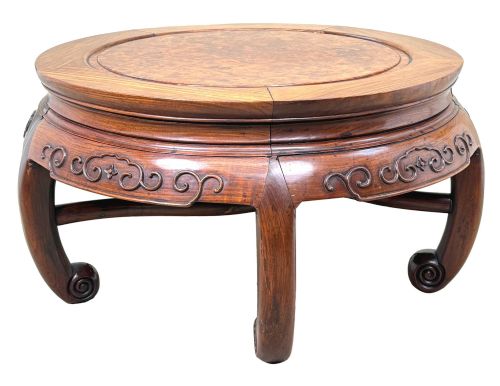
A vintage low centre table grounds a sitting room with low-slung proportion, combining practical surface space with period character.
Vintage Low Centre Table
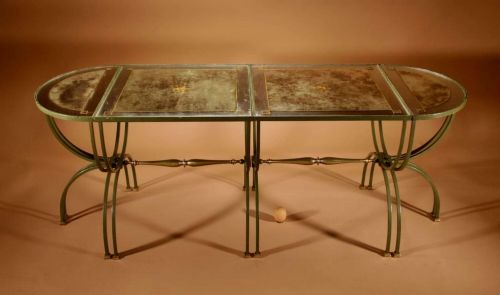
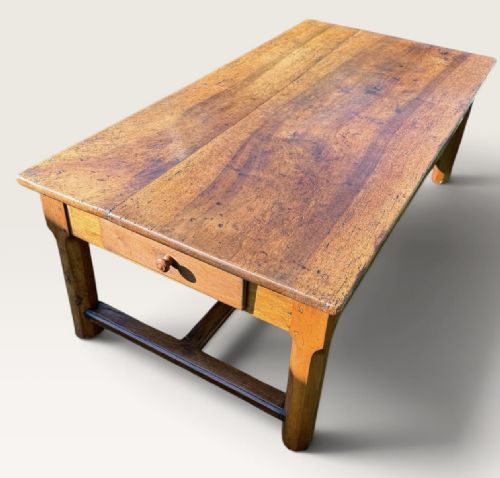
When you search for a vintage low centre table, you find low-height tables designed for living spaces, often adapted from earlier furniture or built in specific period styles. The selection spans the nineteenth century through the interwar years, offering diverse forms for modern rooms.
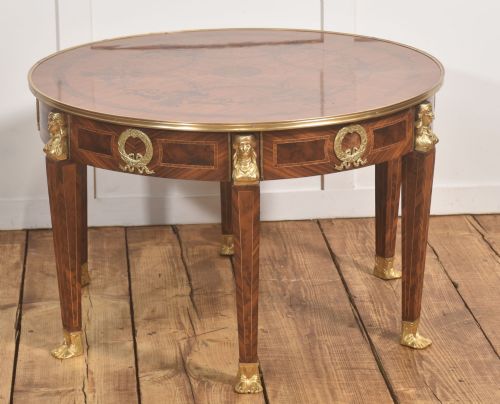
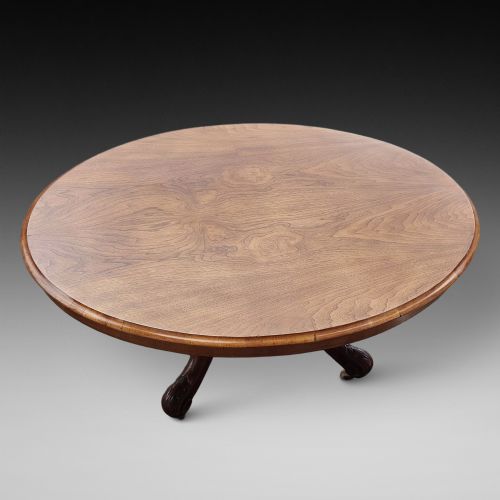
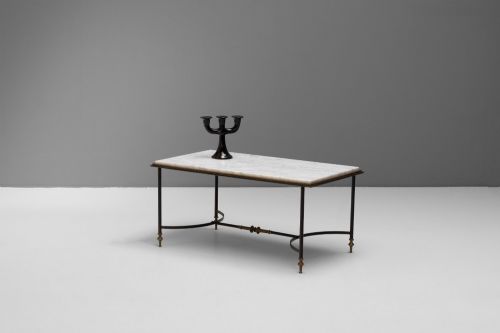
You meet Victorian burr walnut examples alongside French brass and marble pieces and streamlined Art Deco designs from nineteen thirty. Materials range from walnut and mahogany to marble and giltwood, reflecting varied European traditions.
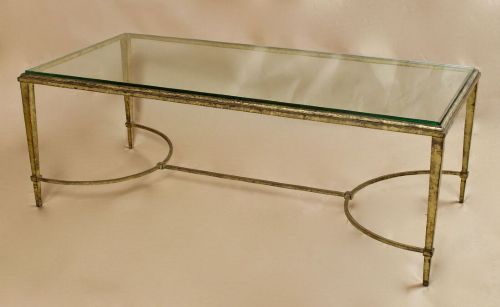
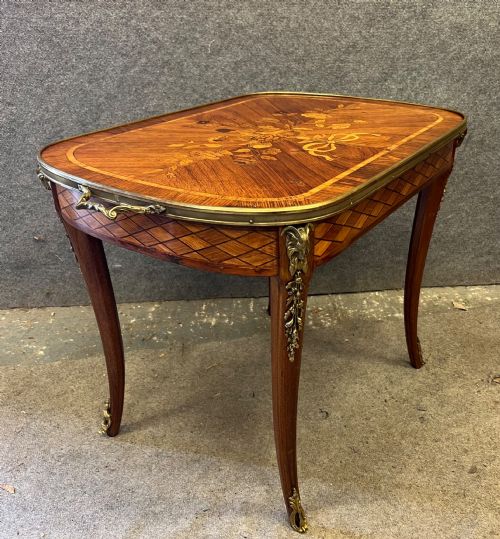
The assortment includes coffee tables and occasional tables, often featuring turned legs, parquetry, or inset stone tops. Each piece brings a distinct regional flavour, from French provincial to English revival styles.
What varies in quality
The quality rests upon the selection of timber, such as highly figured burr walnut or rich mahogany, and the precision of the joinery. Finer examples display meticulous parquetry, marquetry, or well-cast brass and ormolu mounts rather than plain or cast substitutes.
The integration of heavy materials like marble tops into wooden frames dictates the structural integrity of the table. Superior pieces maintain crisp carving, balanced proportions, and clean lines across revival and Art Deco designs alike.
Vintage Low Centre Table Retail Price Guide 2026
Typical asking prices for vintage low centre table among the pieces listed under this phrase on Sellingantiques today, from the lower quarter to the upper quarter. They describe what is for sale here now, not the wider market.
The site records nineteenth-century furniture alongside Edwardian and nineteen thirty pieces.
Harrods
The Vintage Low Centre Table Glossary
- Parquetry
- Geometric patterns formed by small pieces of wood veneer fitted together on a surface. This technique appears frequently on tabletops from the early twentieth century.
- Marquetry
- The art of applying pieces of veneer to a structure to form decorative pictures or designs. It differs from parquetry through its pictorial or floral motifs.
- Ormolu
- Gilded bronze mounts applied to furniture for decoration. French pieces of the period frequently utilise these metallic details.
- Burr walnut
- Wood taken from a walnut tree growth, yielding swirling grain patterns. Cabinetmakers prize it for creating highly decorative table surfaces.
- Giltwood
- Wood that has been treated with gold leaf or gilt paint. It provides a bright, reflective finish often seen on revival furniture.
Vintage Low Centre Table: Frequently Asked Questions
What is a vintage low centre table?
It is a low-height table used in living areas for resting drinks or books. These pieces originate from various periods including the Victorian era and the nineteen thirties.
They bring historical materials and distinct craftsmanship into contemporary interior schemes.
How do I style a low centre table?
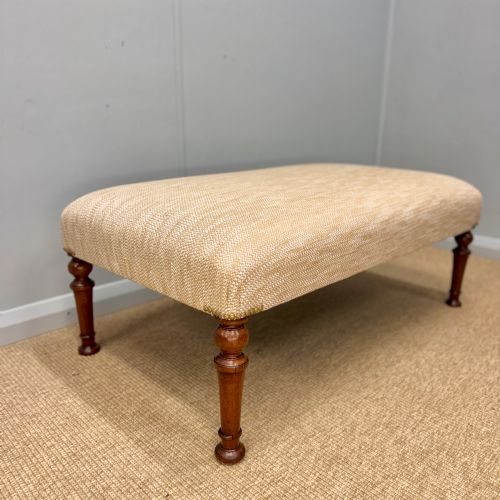
Place the table centrally before seating to anchor the room's layout. Combine it with contrasting textures like upholstered ottomans or woven rugs.
Allow the timber grain or marble top to remain visible by keeping decorative objects minimal.
Are these tables solid wood?
Many tables utilise solid hardwoods such as mahogany, oak, or walnut for their frames and legs. Other pieces employ decorative veneers laid over a stable secondary wood.
Stone elements like marble are typically set directly into the wooden framework.
How do I identify an Art Deco table?
Art Deco tables from nineteen thirty often feature streamlined silhouettes and figured walnut veneers. They avoid ornate carving in favour of geometric clarity and smooth polished surfaces.
Two-tier designs and occasional tables are common formats within this aesthetic.
How do I care for marble tops?
Wipe marble surfaces promptly with a damp cloth to prevent staining from liquids. Avoid harsh chemical cleaners that can etch the polished stone.
Use coasters under glasses to protect the historical surface from moisture rings.