

Vintage Louis Commode
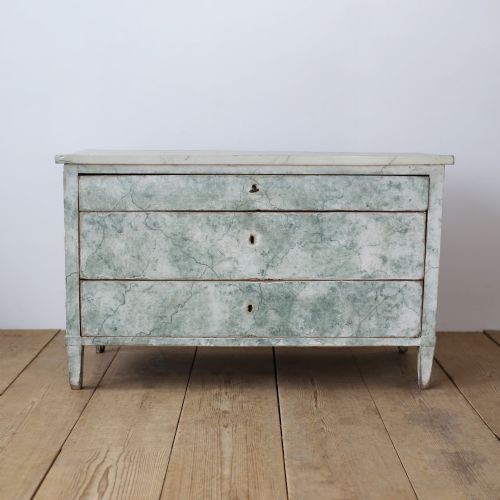
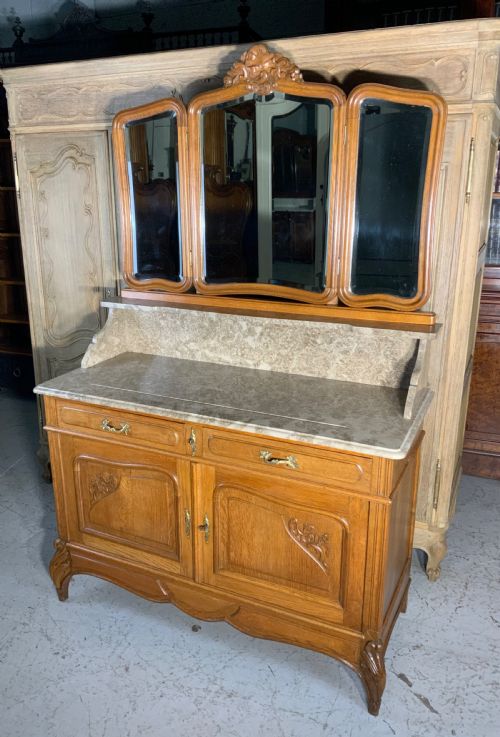
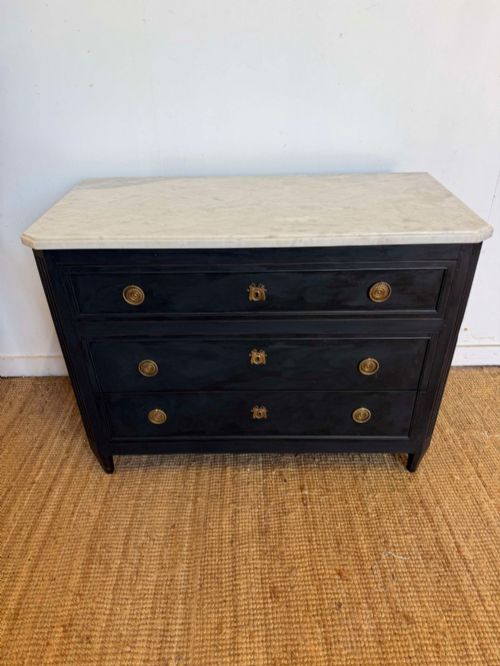
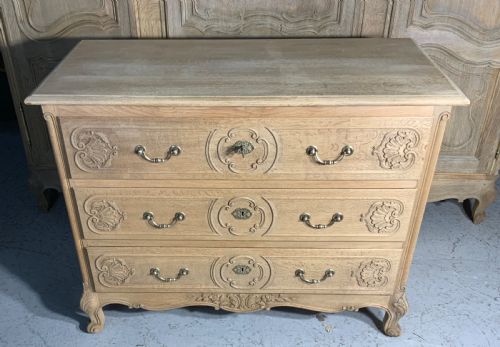
When you bring home a vintage louis commode, you acquire a substantial piece of continental furniture that anchors a room with polished marble and rich timber.
Vintage Louis Commode
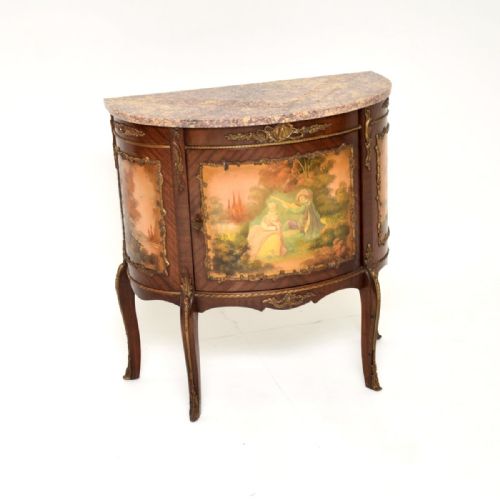
A vintage louis commode encompasses a range of continental storage forms, chiefly chests of drawers, bedside cabinets and washstands derived from French classical designs. The pieces on this page span from the eighteenth century through to the early decades of the twentieth century, reflecting enduring regional styles.
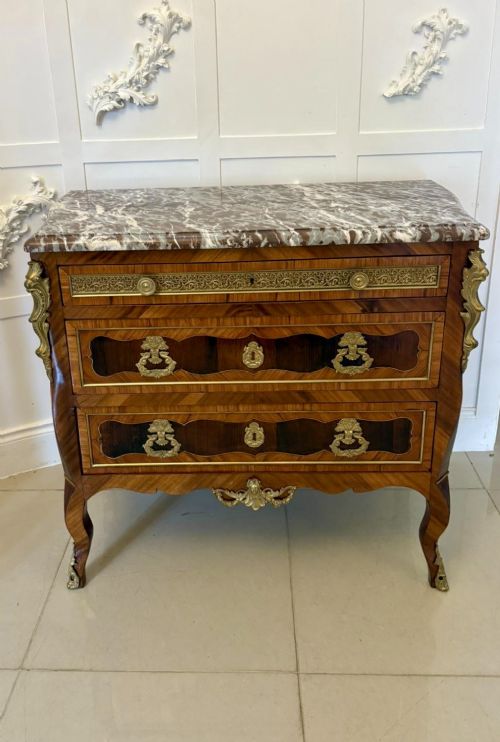
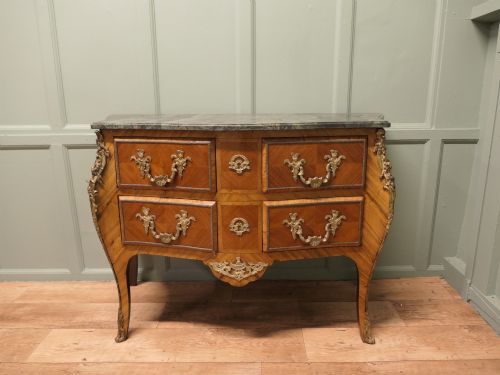
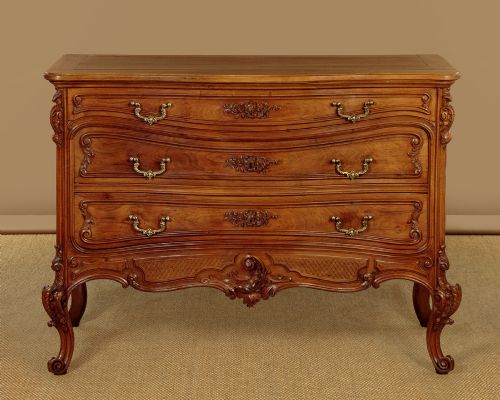
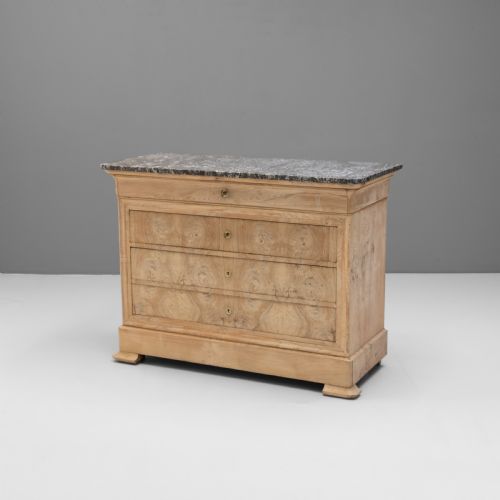
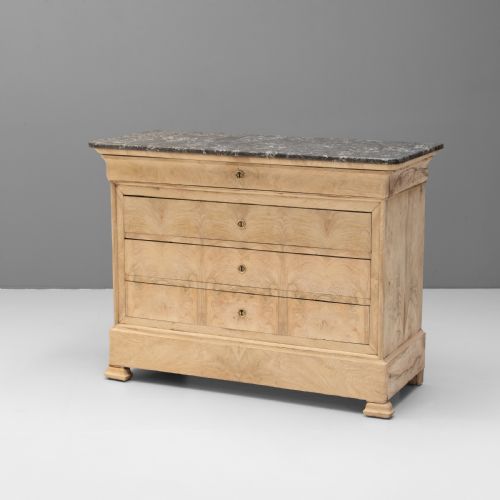
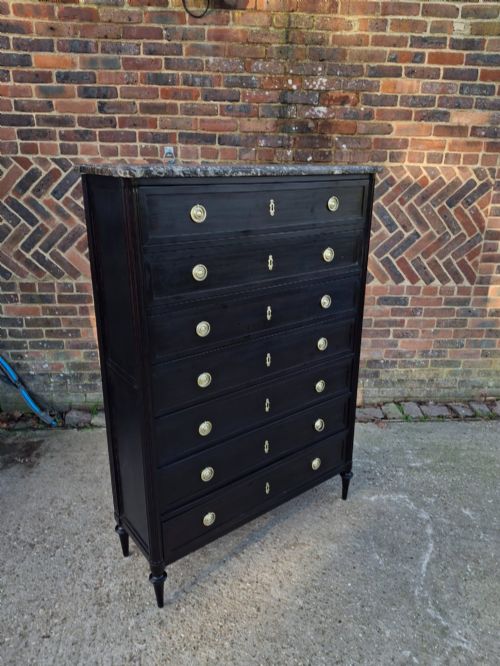
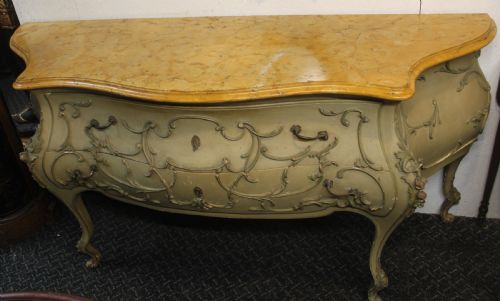
Buyers will encounter variations including serpentine fronts, bombé profiles and straightforward rectilinear chests. Walnut, mahogany and oak form the structural carcasses, frequently paired with imported timbers and decorative veneers.
Originating predominantly from French workshops, these items serve practical storage needs while bringing distinct period character to contemporary and traditional interiors alike.
How they were made
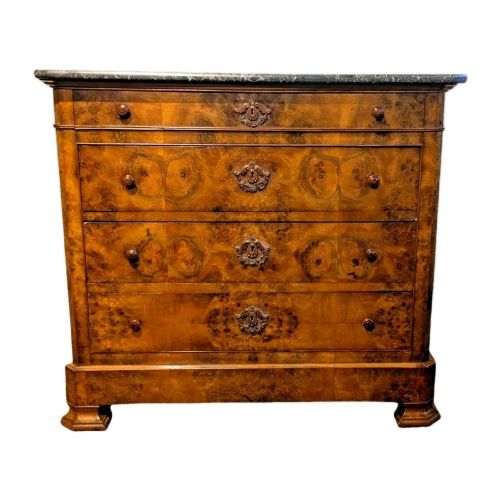
Carpenters constructed these cabinets using solid hardwoods such as oak, walnut and mahogany for the frames, overlaid with decorative veneers including kingwood and burr walnut. Joinery relied on traditional methods suited to supporting heavy stone slabs.
Slabs of marble, ranging from white varieties to rouge tones, sit atop the wooden carcasses to provide durable surfaces. Metalwork mounts cast in ormolu and brass accent the corners, drawer pulls and aprons of the finer examples.
Vintage Louis Commode Retail Price Guide 2026
Typical asking prices for vintage louis commode among the pieces listed under this phrase on Sellingantiques today, from the lower quarter to the upper quarter. They describe what is for sale here now, not the wider market.
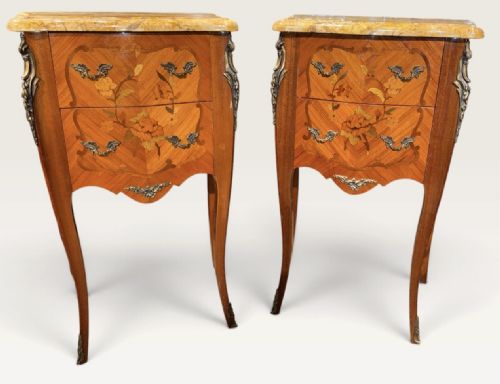
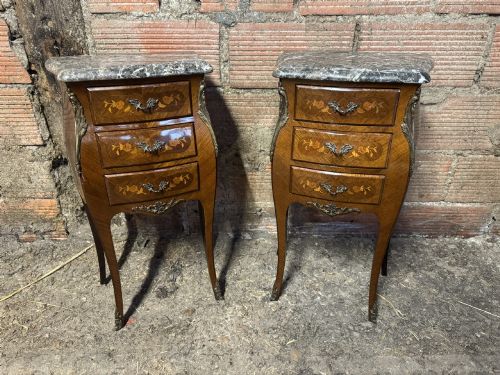
Several bedside cabinets arrive in matched pairs, proving that even eighteenth-century taste acknowledged the simple convenience of symmetry on both sides of the bed.
What varies in quality
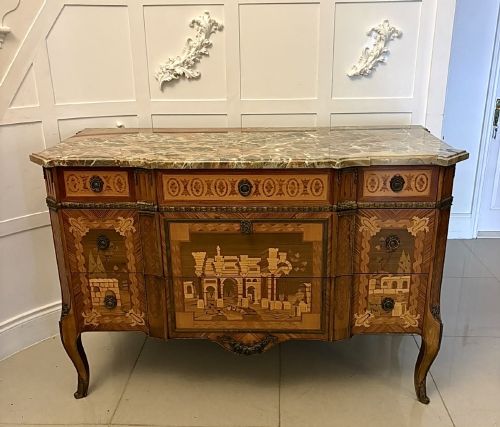
The sophistication of the timber work and the precision of the marquetry inlay dictate the standing of an individual piece. Elaborate floral patterns or geometric parquetry executed in diverse exotic woods signal higher craftsmanship than plain veneered surfaces.
The integration of the marble top and the weight of the cast ormolu mounts distinguish standard regional furniture from master-level commissions. Original mounts that fit snugly against the contours indicate superior workshop production.
Jacques Bircklé
The Vintage Louis Commode Glossary
- Commode
- A low chest of drawers or cabinet designed for domestic storage. Originating in France, the form evolved from heavy cupboards into elegant drawer units.
- Ormolu
- Gilded bronze mounts applied to furniture for decoration. Artisans cast and chased these metal elements to highlight the corners and handles of fine cabinets.
- Marquetry
- Patterns created on furniture surfaces using thin veneers of different coloured woods. Craftsmen cut and fitted these pieces together to form intricate floral or geometric designs.
- Serpentine
- A curved shape that bends inward in the centre and outward at the ends. This undulating front line appears frequently on eighteenth and nineteenth-century case pieces.
- Kingwood
- A dense, heavy tropical timber featuring dark brown and violet stripes. Cabinetmakers utilised this prized wood for contrasting veneers on high-status commodes.
Vintage Louis Commode: Frequently Asked Questions
How do I clean the marble top?
Wipe the stone surface gently with a soft cloth dampened in warm water and mild soap.
Avoid acidic cleaning agents or abrasive pads that can etch or dull the polished finish.
Where should I place a commode?
These pieces suit living rooms, hallways or bedrooms where they provide functional tabletop space alongside deep drawer storage.
Ensure the floor is level to prevent distortion of the wooden frame over time.
How do I identify a revival piece?
Revival items often date from the nineteenth or early twentieth centuries while copying eighteenth-century aesthetic codes.
Examining the internal drawer construction and timber ageing helps clarify the manufacturing era.
Are the marble tops attached?
Many historical marble tops rest unattached by fixings on top of the wooden carcass, held in place purely by their own weight.
Exercise caution when moving the furniture to prevent the heavy stone from sliding off.