

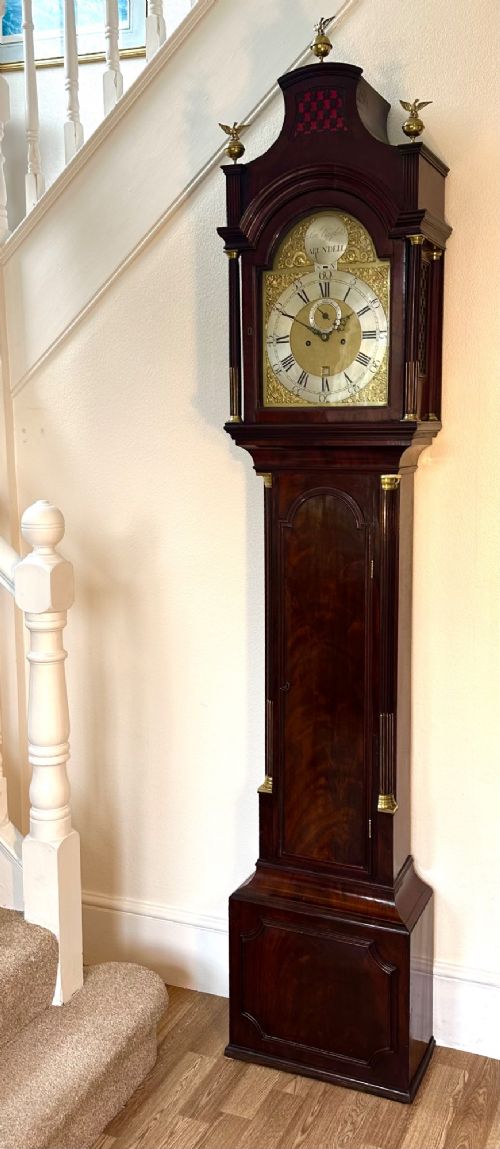
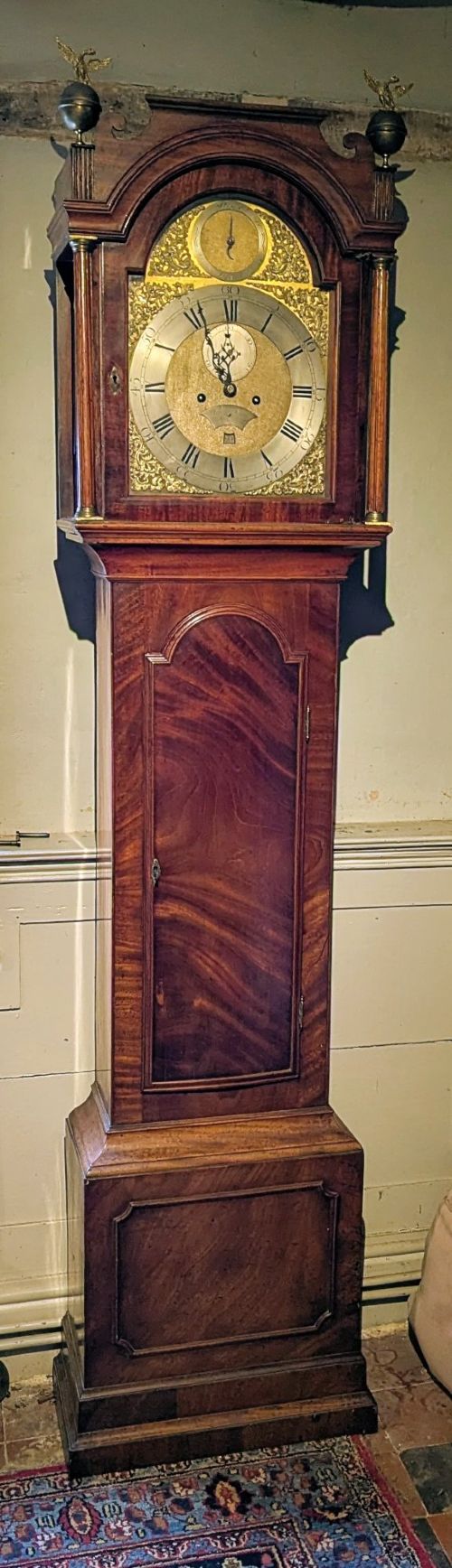
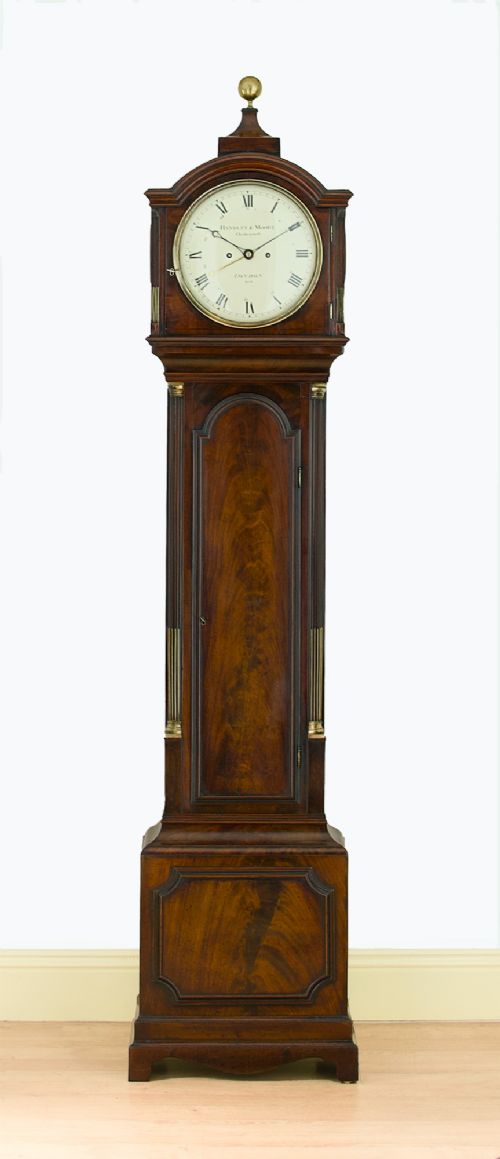
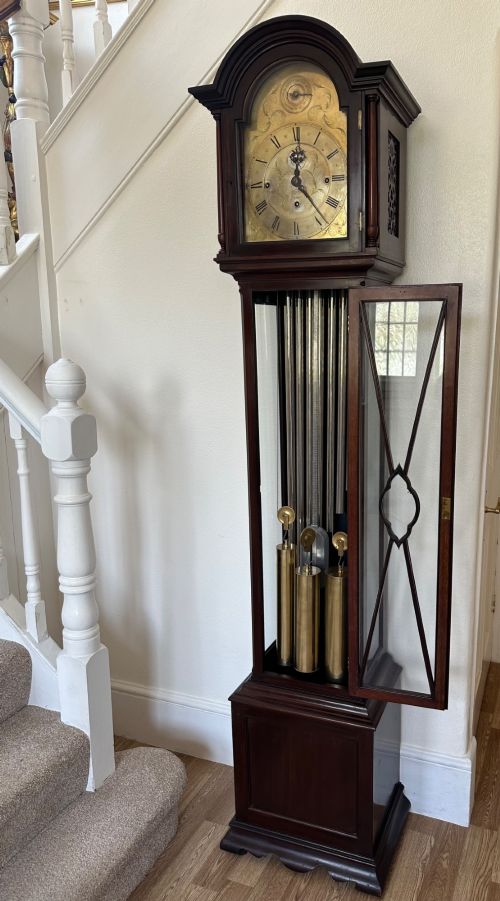


Vintage Long Case Clock
When you search for a vintage long case clock, you enter a world of towering wood and precise mechanics that anchor a room.
Vintage Long Case Clock
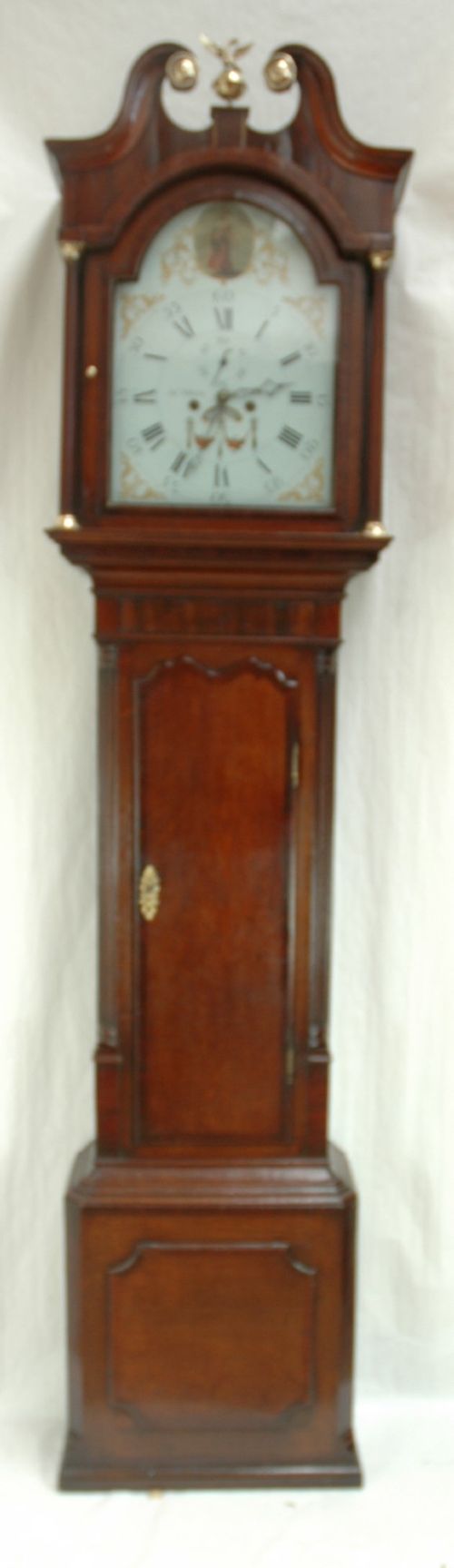
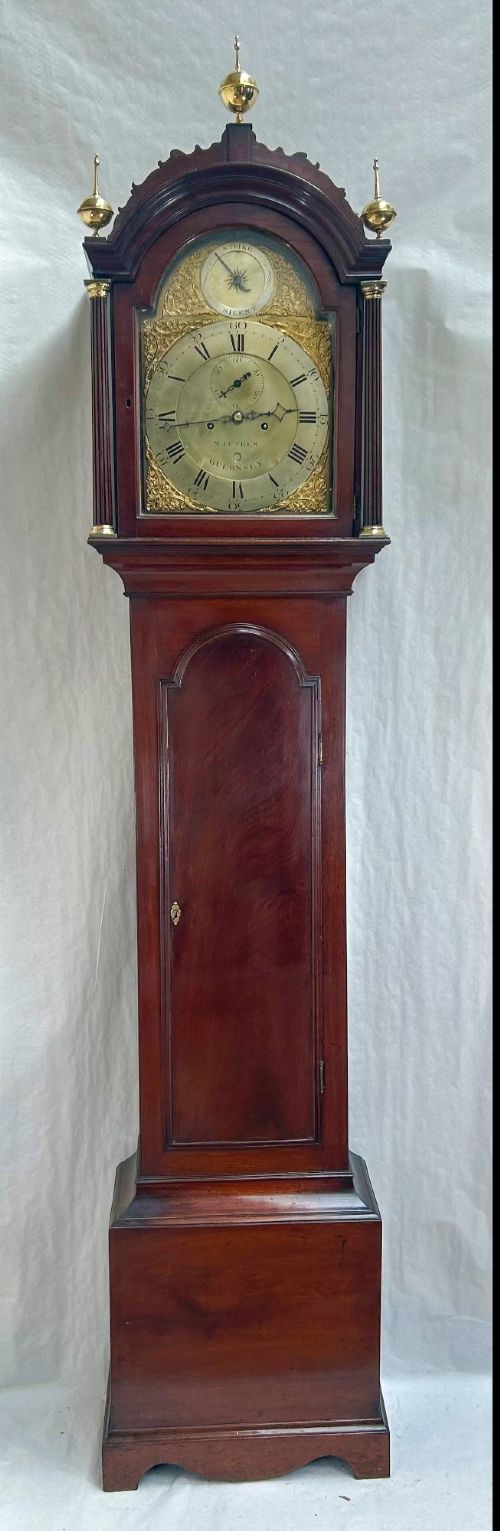
A vintage long case clock stands tall on the floor, housing a swinging pendulum and weight-driven movement inside a protective wooden trunk. These pieces originate from periods spanning the seventeenth century through the Edwardian era, drawing on traditions of British cabinet making and horology.
Most examples encountered on this page date from the Georgian and eighteenth-century periods, constructed in oak or mahogany. Buyers meet both thirty-hour movements and eight-day movements, housed in cases that range from simple country oak to sophisticated London mahogany and walnut.
Tall case clocks serve as functional timekeepers and architectural furniture. The form encompasses regional English and Scottish pieces, featuring brass or painted iron dials marked by makers from London, Manchester, Halifax, and Shropshire.
How they were made
Cabinet makers built the tall wooden cases using timbers such as oak, mahogany, and walnut, often applying veneers and marquetry details. Wood selection reflected regional availability and the prevailing style of the period, from early walnut to later Edwardian inlay.
Clockmakers constructed the internal movements from brass and iron, incorporating components like count wheels, tubular bells, and moon dials. Faces combined engraved brass plates or painted iron dials protected behind glass panels within the hood.
Vintage Long Case Clock Retail Price Guide 2026
Typical asking prices for vintage long case clock among the pieces listed under this phrase on Sellingantiques today, from the lower quarter to the upper quarter. They describe what is for sale here now, not the wider market.
Listings feature periods spanning the seventeenth century, Georgian eras, Regency, Victorian, and Edwardian times, using oak, mahogany, walnut, brass, and painted iron.
What varies in quality
Regional provenance and the reputation of the maker elevate a piece, alongside the original integrity of the timber and dial. Simpler cottage clocks in oak occupy a different tier from sophisticated London specimens featuring marquetry or five-pillar movements.
Handley and Moore·Edward Shepley·Wightman Of London·John Harrington·Williams·Richard Midgley·William Noke·Mappin and Webb·John Douglass
The Vintage Long Case Clock Glossary
- Longcase clock
- A tall, free-standing pendulum clock enclosed in a wooden case with a trunk and a hood. This term describes the primary object found in these listings.
- Grandfather clock
- A common alternative term for a long case clock. The designation gained popularity after a nineteenth-century song cemented the nickname.
- Dial
- The face of the clock where the hours and minutes are displayed. Dials can be constructed from engraved brass or painted iron.
- Movement
- The internal mechanism of the clock that drives the hands and strikes the hours. Movements vary from thirty-hour durations to complex eight-day systems with musical bells.
Vintage Long Case Clock: Frequently Asked Questions
What is a long case clock?
A long case clock is a tall, free-standing timepiece that uses a swinging pendulum and hanging weights to measure hours. The movement sits inside a protective wooden trunk with a hooded dial at the top.
These pieces combine cabinet making with mechanical engineering, serving as prominent furnishings in traditional interiors since the seventeenth century.
How do I wind the clock?
Winding involves using a key or crank to pull the weights back up to the top of the case via internal cords or chains. Thirty-hour clocks require winding daily or slightly past daily, while eight-day movements need attention once a week.
Keeping a regular schedule ensures the movement maintains accurate time and keeps the mechanical parts operating smoothly.
Where should I place a long case clock?
These clocks require a stable, level floor and a secure fixing to the wall through the back of the case to prevent tipping. Placing them away from direct heat sources and heavy vibrations protects the wooden structure and the delicate internal movement.
Because of their height, hallways, landings, and high-ceilinged reception rooms provide the ideal proportions for housing them.
How do I tell the periods apart?
Early periods like the seventeenth and early eighteenth centuries favour smaller proportions, oak or walnut timbers, and square brass dials. Georgian and Regency examples introduce richer mahogany veneers, arched brass faces, and later painted iron dials.
Edwardian pieces often feature lighter inlaid decoration and occasional musical movements, showing the evolution of domestic taste over two centuries.