






Vintage Locking Box
A vintage locking box gathers personal treasures, stationery, and spirits behind robust brass hardware.
Vintage Locking Box
A vintage locking box encompasses functional storage containers designed to secure valuables, spanning compact tea caddies, travelling luggage, and heavy iron safes.
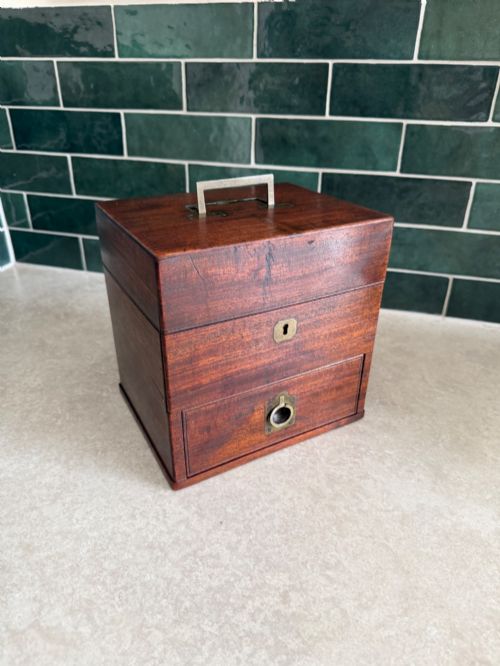
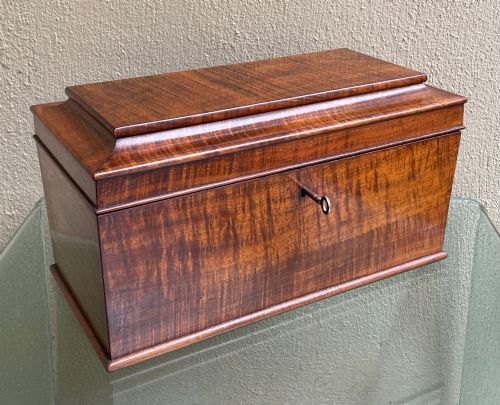
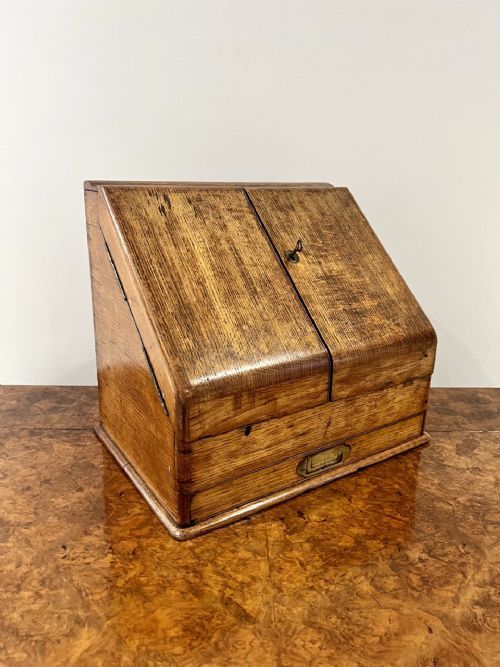
The selections here most frequently appear in Victorian and Georgian forms, including oak stationary cabinets, mahogany tea caddies, and leather vanity cases fitted with working keys.
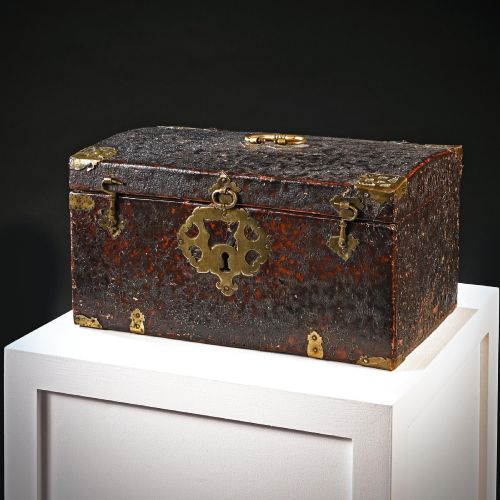
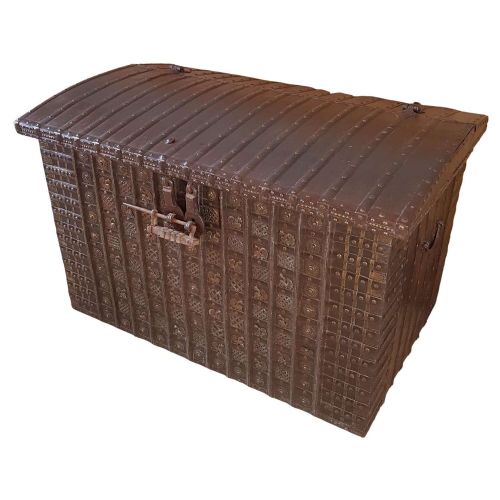
Beyond domestic receptacles, the category extends to industrial strong boxes, 17th-century leather chests, and specialised tantalus dry bars built to protect prized contents.
How they were made
Cabinet makers built these enclosures using dense timbers such as oak, mahogany, walnut, elm, and camphor wood, often applying fine veneers like burr elm and burr walnut to visible surfaces.
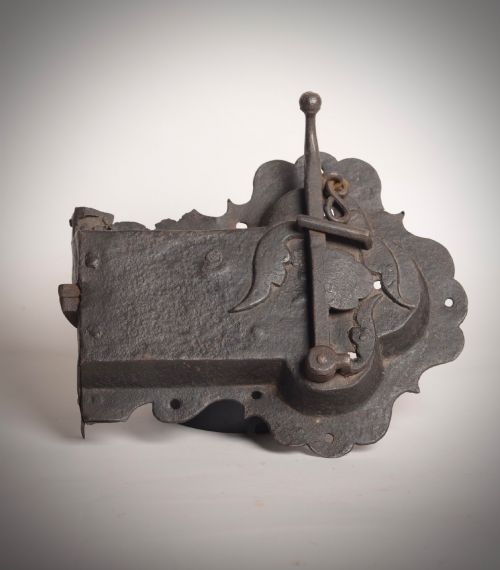
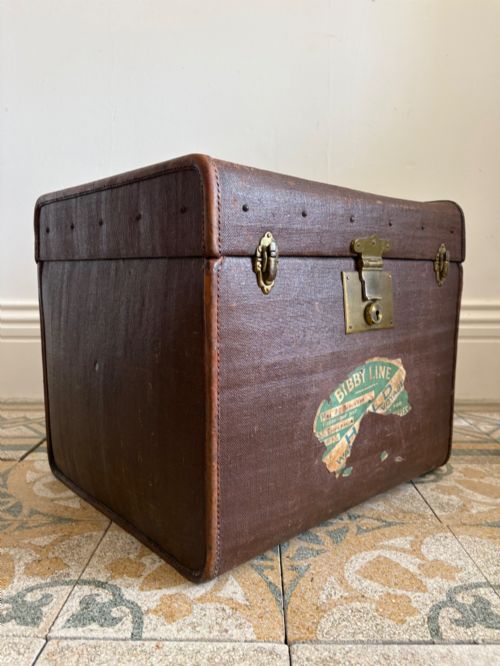
Security and reinforcement relied heavily on brass mounts, iron banding, and wrought iron locks, while luggage trunks utilised heavy canvas combined with leather strapping.
Internal layouts frequently incorporated glass decanters, silver fittings, and velvet-lined compartments tailored for jewellery, cigars, or correspondence.
Vintage Locking Box Retail Price Guide 2026
Typical asking prices for vintage locking box among the pieces listed under this phrase on Sellingantiques today, from the lower quarter to the upper quarter. They describe what is for sale here now, not the wider market.
What varies in quality
The standard of a piece rests on the integrity of its timber selection, the complexity of its internal compartmentalisation, and the survival of its original working lock and key.
Finely executed examples display precise dovetail joinery, ornate brass or bronze mountings, and uncompromised structural stability across heavy cast iron safes and delicate presentation boxes alike.
Milners of Liverpool·Waring and Sons·George Price
The Vintage Locking Box Glossary
- Tea caddy
- A small container designed to store tea leaves safely away from light and air. Georgian and Victorian examples often feature internal wooden lids and lockable hinged covers.
- Rim lock
- A mechanical locking device mounted directly onto the surface of a door or box lid rather than mortised inside. Seventeenth-century versions often exhibit decorative ironwork.
- Coffer
- A sturdy chest or strong box used historically for valuables and documents. These heavy wooden receptacles frequently incorporate iron banding and robust locking systems.
Vintage Locking Box: Frequently Asked Questions
How do I know if the lock is original?
Original locks generally show consistent wear and patination matching the interior timber and surrounding brass escutcheons.
Examining the screw heads and the fit of the key reveals whether the locking mechanism has been replaced at a later date.
What woods were commonly used?
Cabinet makers predominantly utilised durable hardwoods like oak, mahogany, elm, and walnut for structural stability and fine appearance.
Exotic timbers such as camphor wood also appear in travelling trunks and chests designed for international transit.
How should I care for leather cases?
Leather-bound luggage and vanity cases require stable humidity levels to prevent the hide from drying out or cracking over time.
Gentle dusting and occasional conservative conditioning help preserve the supple texture of the historical material.