

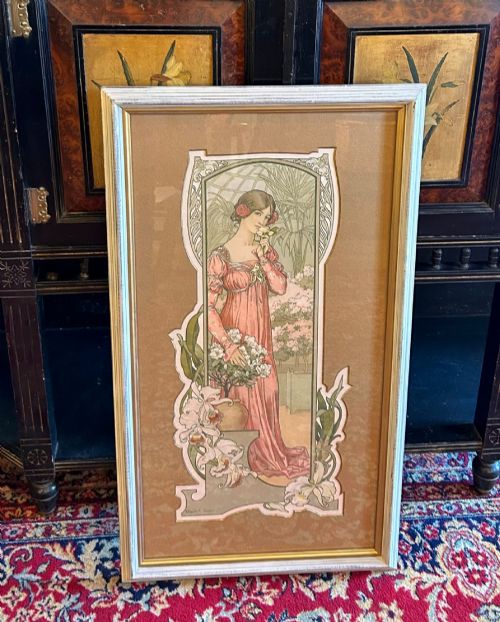
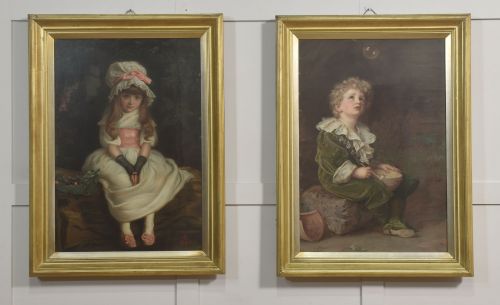
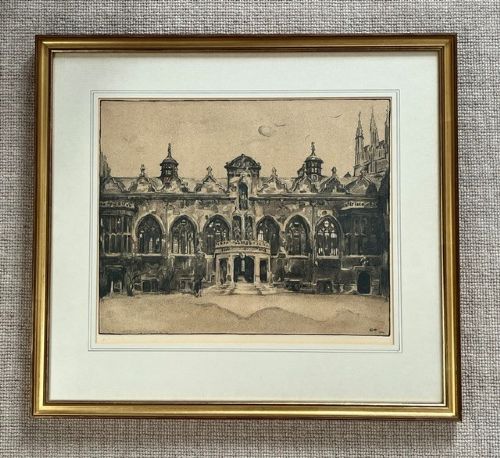
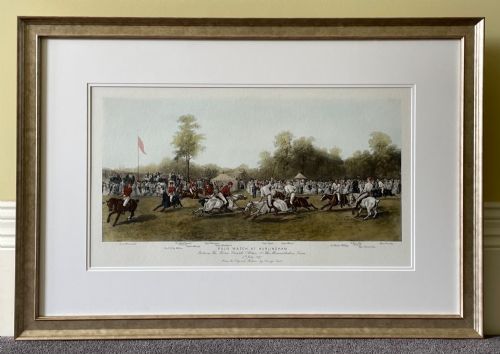

Vintage Lithograph
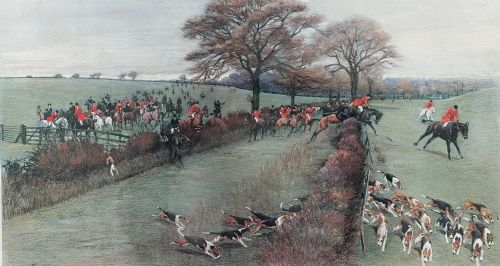
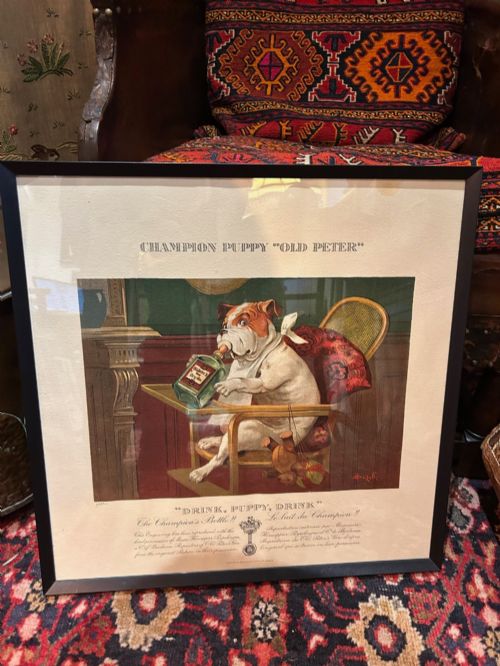
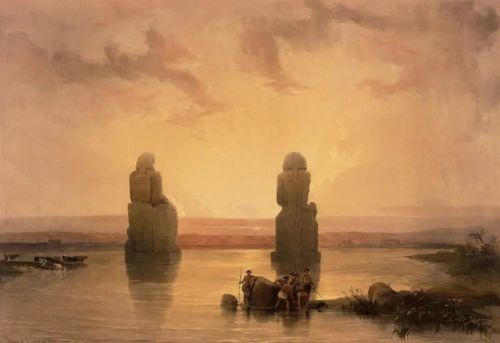
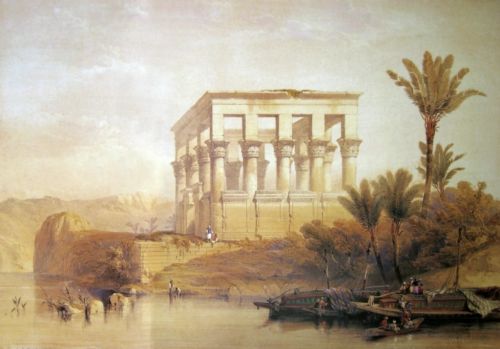
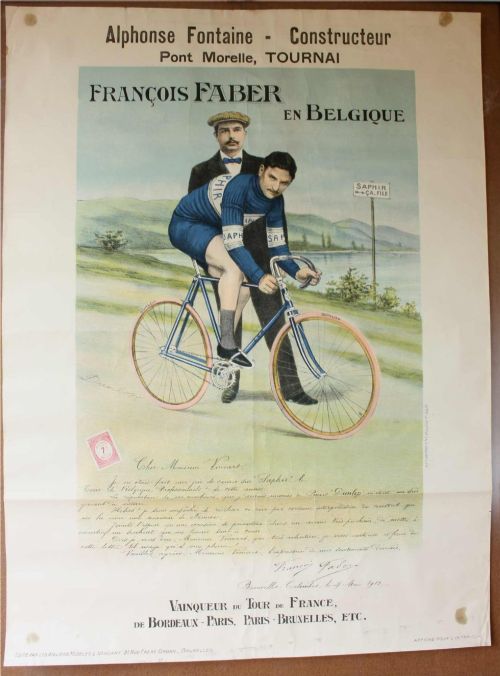
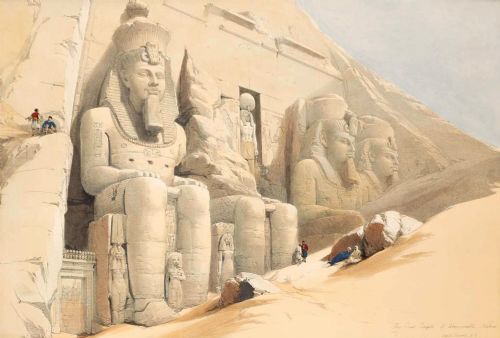
Vintage lithograph prints span sporting scenes, natural history plates and bold advertising posters from the nineteenth century onward.
Vintage Lithograph
A vintage lithograph is a planographic print produced on paper using ink and stone or metal plates, capturing everything from detailed natural history watercolours to commercial advertisements. When searching for a vintage lithograph, collectors encounter framed prints, wall art and portfolio sheets spanning the nineteenth century, the Victorian era, Edwardian period and mid-century modern design.
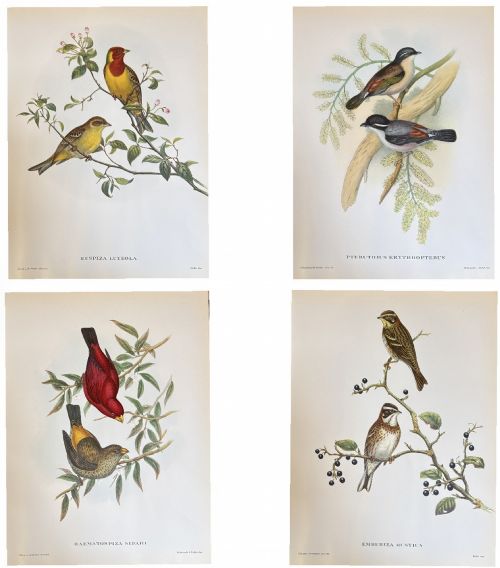
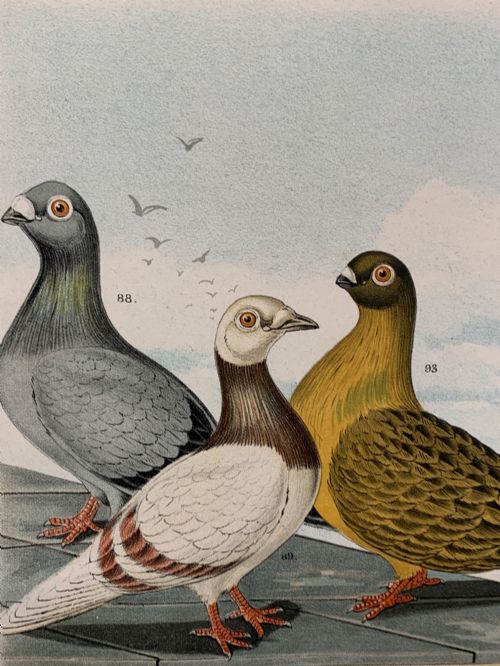
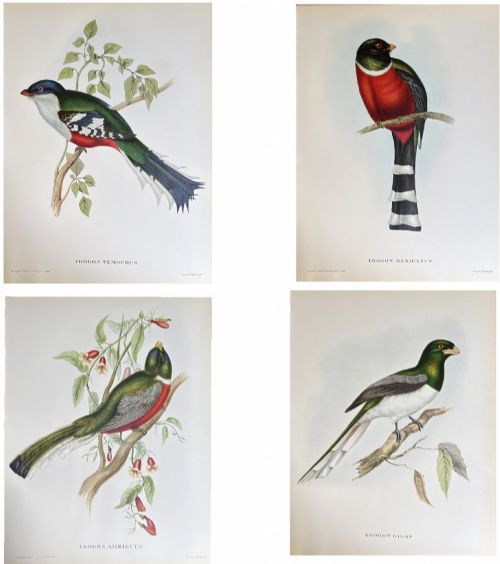
The selections on this page draw heavily from British field sports, Victorian natural history, French advertising and early twentieth century illustration. Works range from modest book plates depicting pigeon breeds and tropical birds to large decorative posters for bicycles, soap and circus lorries.
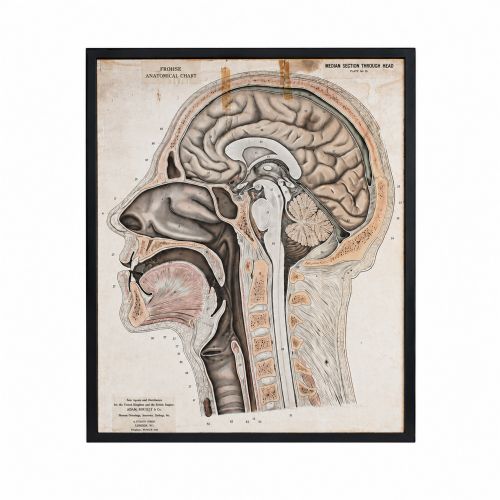
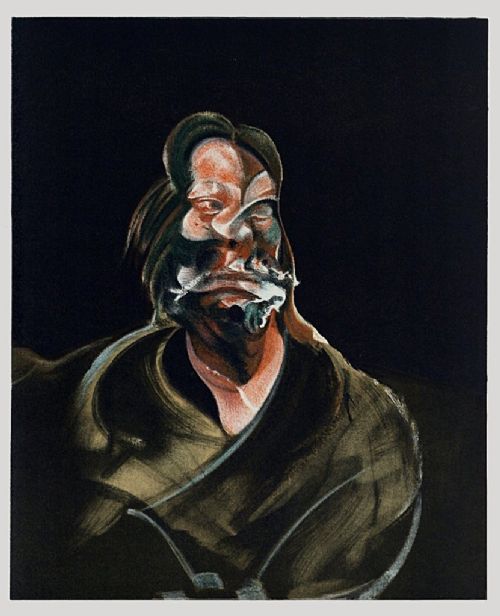
Subjects divide broadly between fine art reproductions after painters like Titian or Picasso, educational wall charts, and popular ephemera such as Vanity Fair caricatures. Buyers find both single sheet items ready for framing and coherent sets taken from nineteenth century portfolios.
Materials and printing techniques
Traditional lithography relies on the chemical repulsion between grease and water on a flat limestone block or zinc plate. The artist or lithographer draws directly onto the stone with a greasy medium, which then takes up the printing ink while the damp blank areas repel it.
Chromolithography introduces multiple stones or plates, one for each colour, aligned in careful register to build up rich polychrome images. Publishers often used heavy wove paper or specialised plate paper, occasionally incorporating gold leaf highlights or hand-applied watercolour washes over the printed ink base.
Vintage Lithograph Retail Price Guide 2026
Typical asking prices for vintage lithograph among the pieces listed under this phrase on Sellingantiques today, from the lower quarter to the upper quarter. They describe what is for sale here now, not the wider market.
Listings span periods from the 1850s to the 1960s, utilising paper, ink, gold leaf and gilt wood.
Distinctions in quality and execution
Quality in these prints rests upon the fidelity of the registration, the depth of the ink and the condition of the paper support. Impressions taken early in a print run show crisp lines and subtle tonal gradations, whereas worn stones produce blurred outlines and muddy shadows.
The skill of the original draughtsman and the reputation of the printer or publisher, such as William Day or specialist educational firms, elevate a piece well above standard commercial output. Original publication context matters, with intact margins and genuine period colouring commanding greater regard than trimmed or modernly tinted sheets.
Donald Grant·Sir William Nicholson·Elisabeth Sonrel·Marcellin Auzolle·David Roberts·John Meredith·Pablo Picasso·C. H. Weigall·J.C Burgess·Horatio Henry Couldrey·Charles Edward Wilson·John Hancock·Louis Wain
The Vintage Lithograph Glossary
- Chromolithography
- A planographic colour printing method using multiple limestone blocks, allowing each hue to be applied in separate layers. This technique produced vibrant posters and book illustrations throughout the Victorian era.
- Planographic
- A printing process from a flat surface rather than from raised or recessed blocks, forming the foundational principle of all lithography. The image area remains chemically receptive to oily inks.
- Plate mark
- The indentation left on paper by the edge of a printing plate under heavy press pressure, though genuine flat lithographic stones often leave a softer impression or none at all compared to copper engravings.
- Register
- The precise alignment of multiple colour plates during printing to prevent overlapping or gaps in the design. Good register is essential for sharp, multicoloured lithographs.
Vintage Lithograph: Frequently Asked Questions
How do I care for a vintage lithograph?
Keep prints away from direct sunlight and high humidity to prevent paper acidification and fading of fugitive printing inks.
Mount them using acid-free materials and frame behind glass that offers ultraviolet protection.
Are these prints original or modern reproductions?
The listings on this page consist of period pieces originating from the dates shown, such as nineteenth century plates and mid-century posters.
Examine the paper texture, ink distribution under magnification and any publisher typography to confirm period origin.
How can I tell a lithograph from an engraving?
Lithographs display flat, planographic ink layers without the distinct paper indentation or raised ink lines typical of intaglio printing.
Under magnification, lithographs often reveal a fine dot or grain pattern left by the stone rather than continuous engraved grooves.
What does after an artist mean?
This indicates that the lithographer created the printed image based upon an original painting or drawing by a different master.
Many nineteenth century prints were produced after works by established painters to bring fine art to a wider domestic audience.