


Vintage Liquor Decanter
A vintage liquor decanter brings weight and clarity to a sideboard, holding spirits behind cut glass, silver plate or polished wood.
Vintage Liquor Decanter
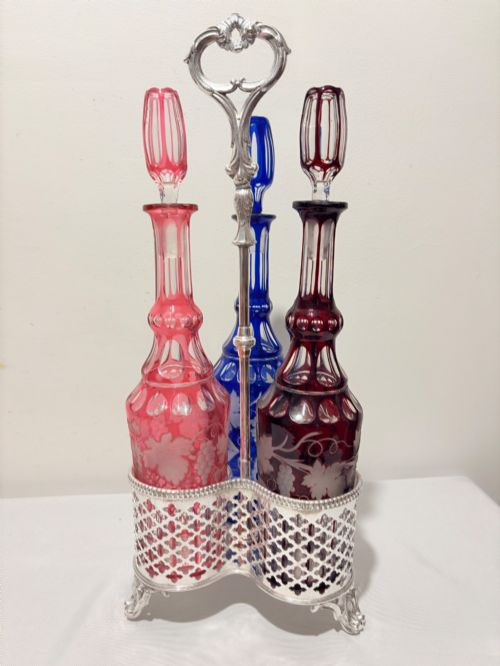
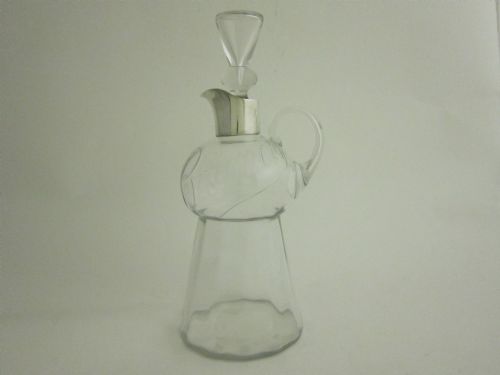
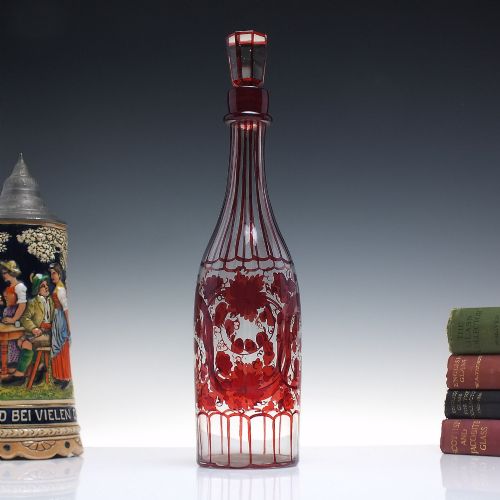
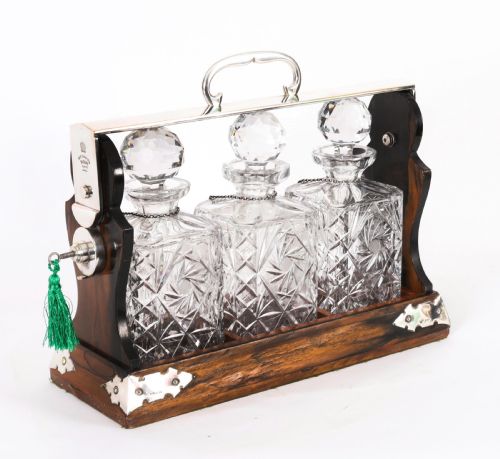
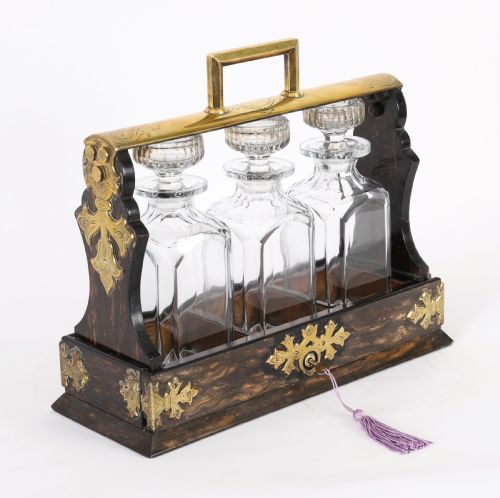
When you search for a vintage liquor decanter, you encounter vessels designed to hold whisky, rum, sherry and brandy from the Georgian, Victorian and Edwardian eras up to the Art Deco period. The selections here range from standalone crystal spirit bottles and ruby or cranberry glass ewers to completetantalus sets housed in oak or coromandel cases.
You are most likely to meet Edwardian cut glass decanters and Victorian silver-collared bottles, alongside French cave a liqueur boxes and Czech geometric crystal sets. Alongside the bottles themselves, the listings include silver decanter labels, wine funnels and spirit dispensers that complete the serving ritual.
How they were made
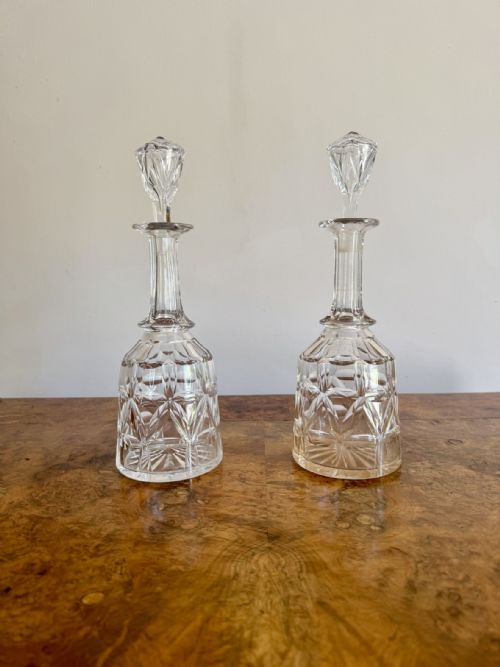
The vessels rely heavily on lead crystal and glass, shaped by cutting, blowing and overlay techniques to create deep geometric patterns or jewel-toned ruby and green surfaces. Hand painting and delicate engraving with birds or vines often decorate the mid-nineteenth-century examples.
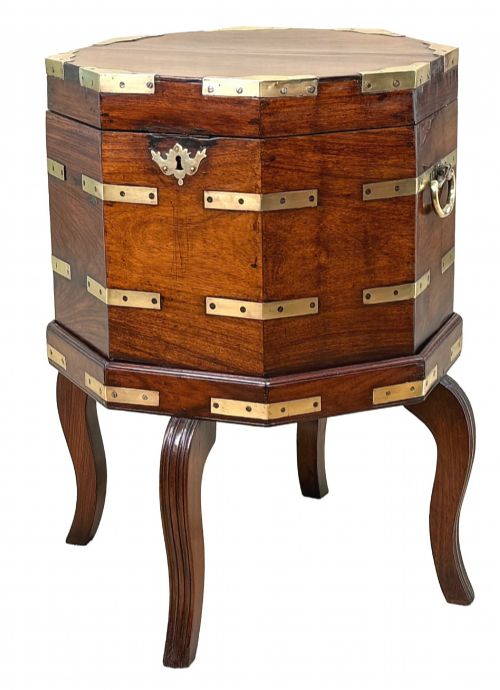
Mounts, stands and labels utilise sterling silver, silver plate, brass and enamel, whilst larger cellarettes and tantalus frames employ dense timbers such as mahogany, oak, padouk and coromandel. Silver collars and hardware frequently carry period hallmarks that record the year and maker of the metalwork.
The selection includes Art Deco geometric crystal sets alongside Georgian spirit labels and nineteenth-century French liqueur canteens.
What varies in quality
The distinction between ordinary production and superior work rests on the crispness of the glass cutting, the weight of the lead crystal and the integrity of the fitted wooden framework. Hand-blown bottles with polished pontil marks and heavy hand-cut facets demonstrate greater skill than moulded alternatives.
In fitted sets and tantalus units, quality shows in the precision of the brass or silver locking mechanisms, the soundness of the marquetry and the matching fidelity of the crystal decanters and stoppers.
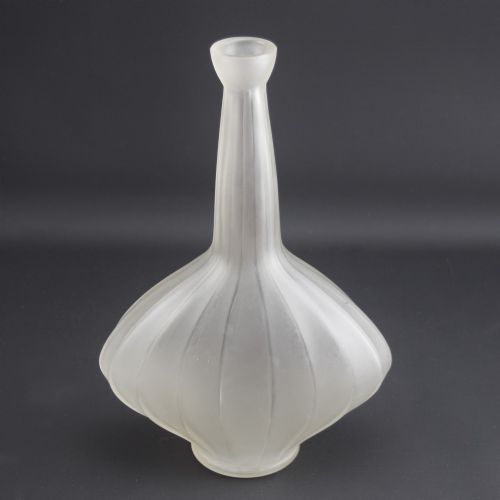
Elizabeth Morley·Tiffany·Betjemann·Rene Lalique·Karl Palda·Baccarat
The Vintage Liquor Decanter Glossary
- Tantalus
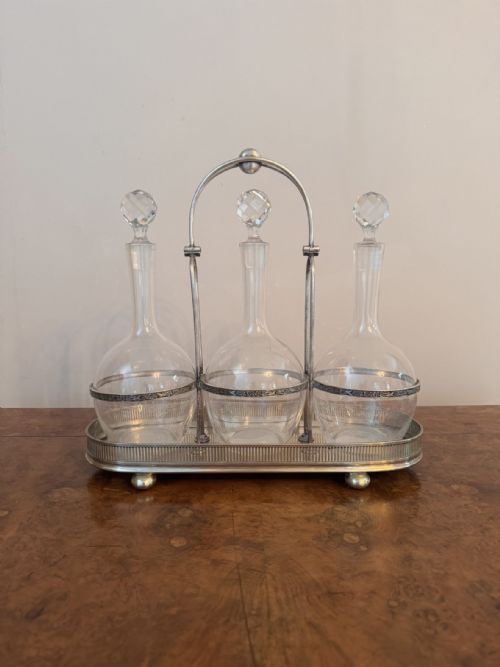
- A locking wooden frame that secures decanters by their stoppers to prevent unauthorized access to the spirits within. These units typically house two or three crystal bottles.
- Cellarette
- A lockable cabinet or chest designed to store bottles of wine and spirits safely. Georgian and Victorian examples often feature fitted interior compartments and substantial timber construction.
- Decanter label
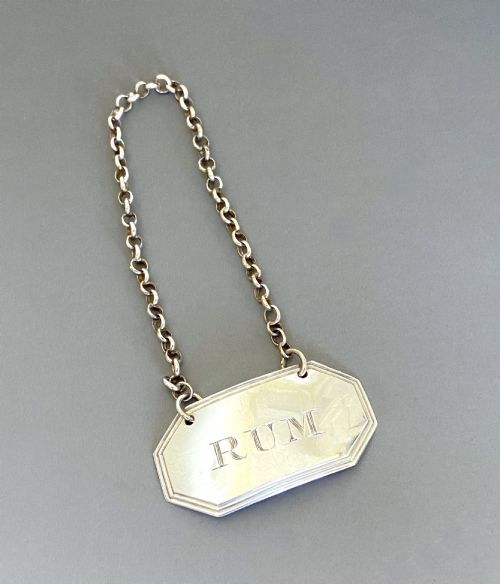
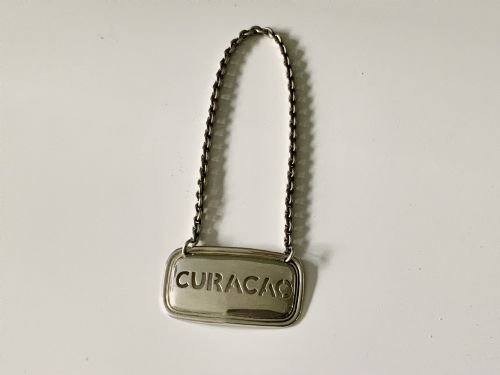
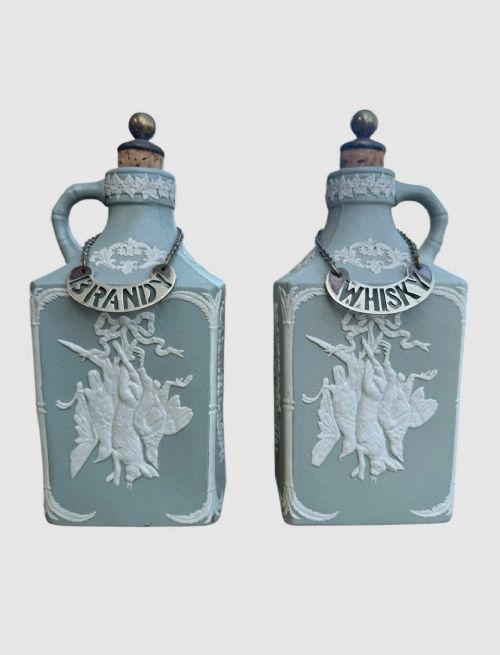
- A small tag suspended by a chain around the neck of a bottle to identify the contents such as rum, brandy or madeira. They are frequently fashioned from sterling silver by named makers.
- Cave a liqueur
- A French portable fitted box containing a set of small liqueur decanters and matching glasses, often lined with velvet or silk. These liquor sets date predominantly from the nineteenth century.
- Overlay glass
- A glass-working technique where a layer of coloured glass is cased over a clear or contrasting body and then partially cut away to reveal the design beneath.
Vintage Liquor Decanter: Frequently Asked Questions
How do I clean an old decanter?
Fill the bottle with warm water and mild detergent, avoiding harsh abrasives that might scratch the interior glass. Specialist cleaning beads can be swirled inside to dislodge old residue.
Allow the vessel to dry completely upside down on a rack before replacing the stopper to prevent moisture trapping.
What is a tantalus used for?
A tantalus secures spirit decanters behind a locking metal bar that prevents the stoppers from being removed. This allowed hosts in the Victorian period to display expensive liquor while restricting access.
Unlocking the mechanism requires a key, which releases the top bar to lift the bottles free.
How do I identify the period?
Examine the weight and clarity of the glass alongside the style of any silver hallmarks or wooden cabinetry. Georgian bottles often feature heavier kick-ups and simpler shapes, while Edwardian pieces lean toward intricate cut glass.
Matching the design traits of the stoppers and collars to documented styles provides a reliable date range.
Can I use these for daily serving?
Most antique crystal and glass decanters remain entirely functional for serving spirits at the table. Regular hand washing without sudden temperature changes preserves the material.
Avoid leaving highly acidic liquids inside for prolonged periods to protect the historic glass and silver.