
Vintage Lighting Fixtures
Vintage lighting fixtures illuminate interiors with the distinct character of the nineteenth and early twentieth centuries through brass, bronze, crystal and glass.
Vintage Lighting Fixtures
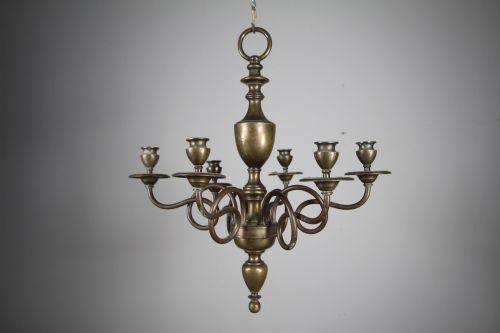
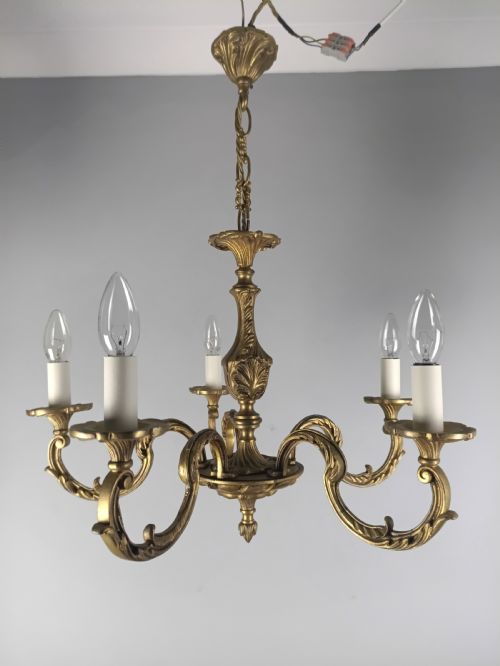
Vintage lighting fixtures encompass a variety of forms designed to illuminate spaces, from grand multi-armed chandeliers to focused wall sconces and pendant lights. Buyers searching for vintage lighting fixtures encounter pieces originating from the nineteenth century through the nineteen-thirties, reflecting periods such as Edwardian, Art Deco and various continental revival styles.
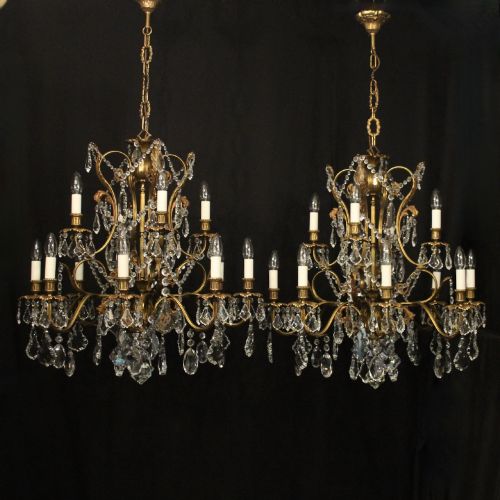
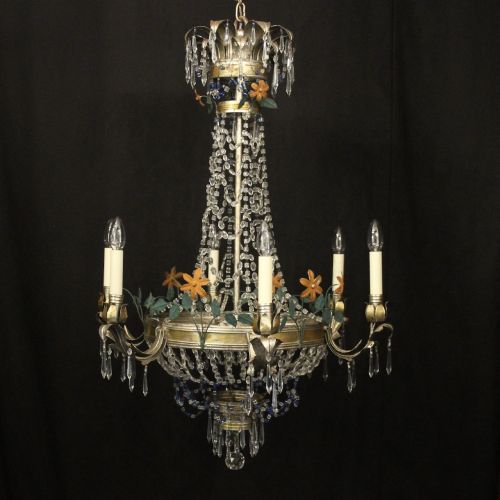
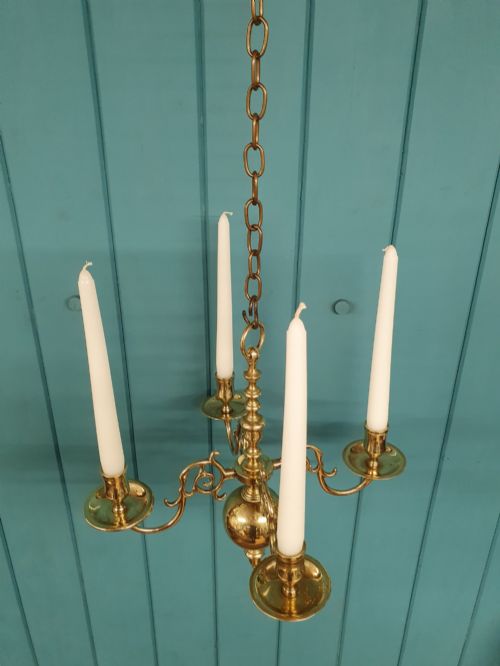
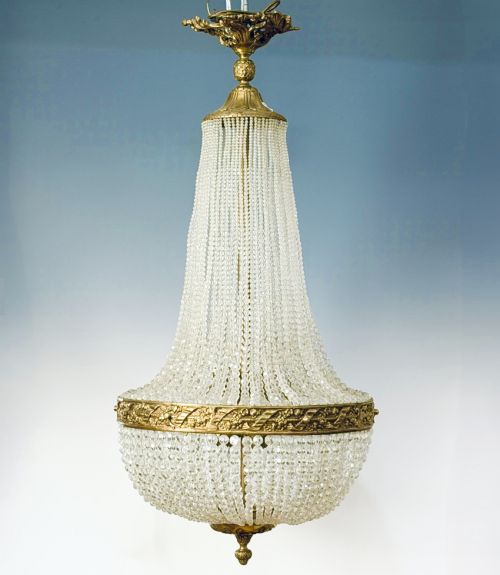
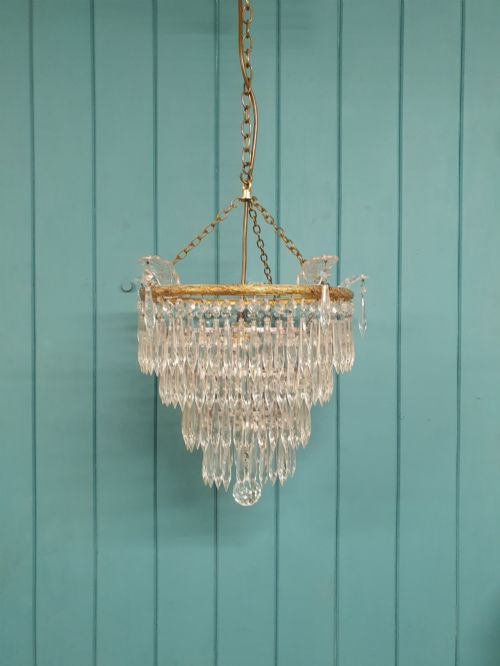
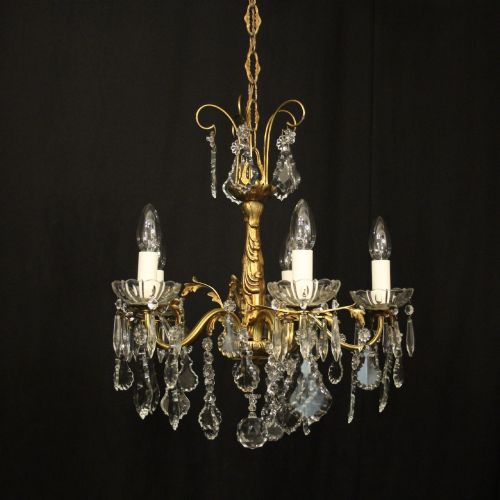
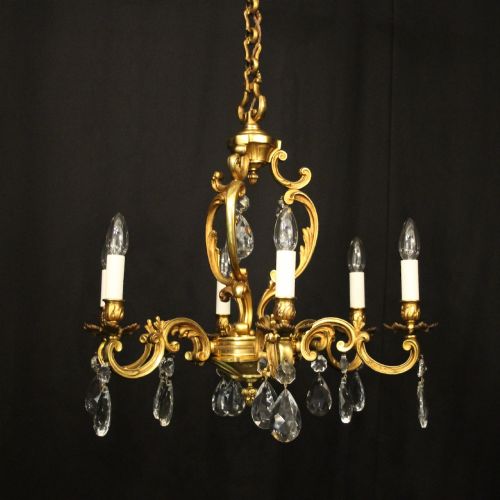
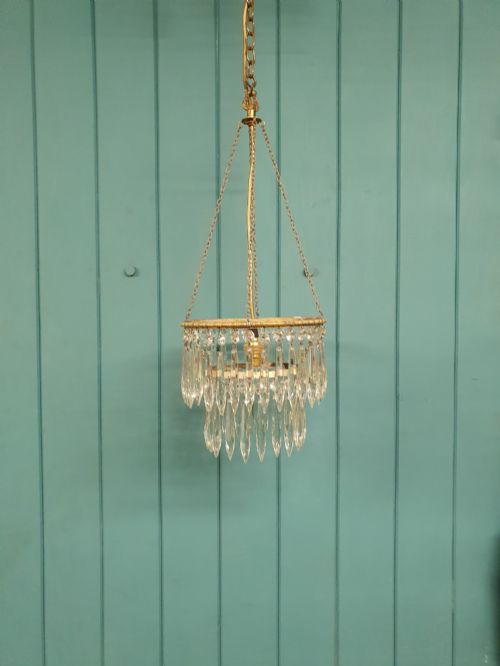
The selections on this page lean heavily towards French and Italian aesthetics, featuring intricate metalwork and glass configurations. Chandeliers dominate the selection, appearing in formats ranging from small four-arm candle iterations to large multi-tiered crystal designs.
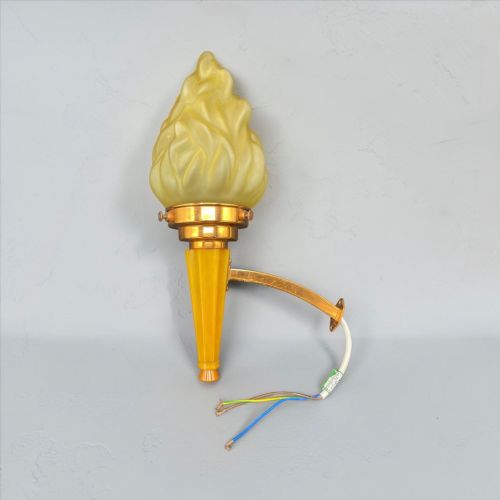
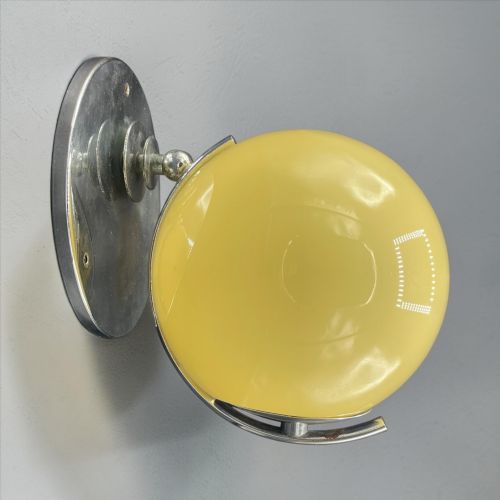
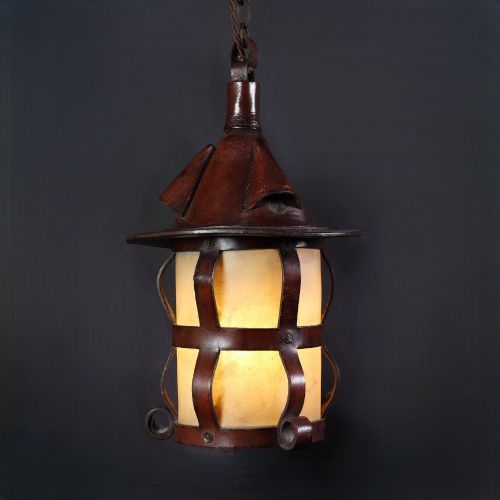
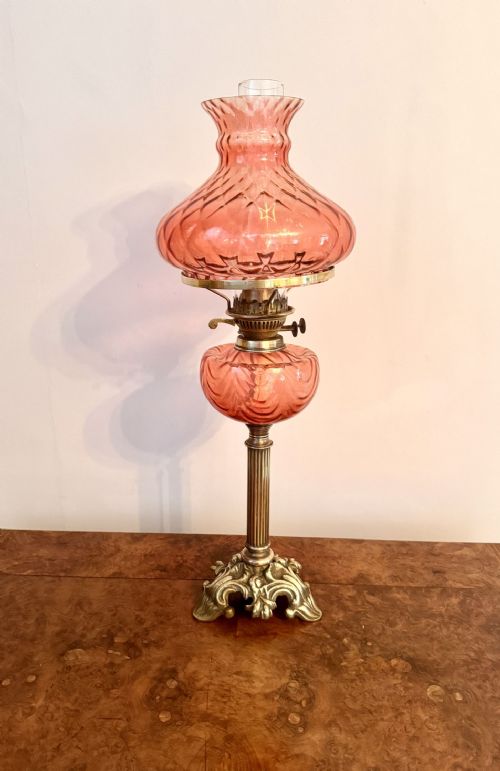
Beyond central ceiling suspensions, the inventory includes specific functional variants such as wall lights, hall lanterns and oil lamps converted for modern interiors. These objects carry stylistic markers of specific decades, particularly the geometric lines of the nineteen-twenties and thirties alongside earlier rococo and neoclassical influences.
Materials and construction methods
Makers utilised cast and forged metals for the structural skeletons of these fixtures, predominantly employing brass, bronze, gilt brass and ormolu. Gilt finishes and silvering were frequently applied to metal components to catch and reflect illumination within a room.
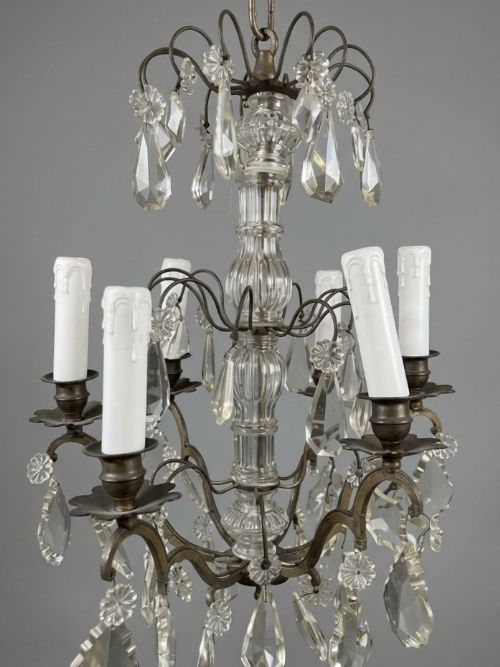
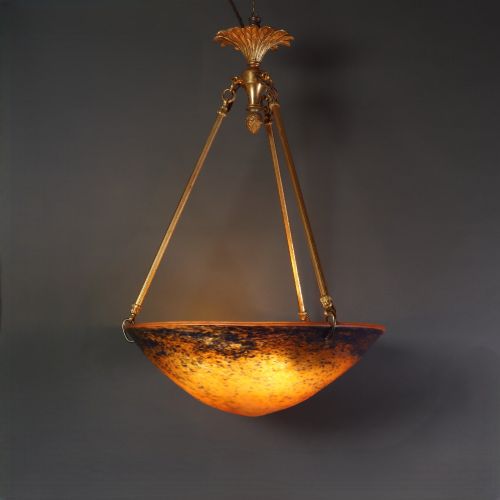
Glass and crystal elements formed the refractive surfaces, incorporating cut glass spikes, waterfall drops and moulded shades. Specific glass techniques are visible in pieces signed by makers such as Charles Schneider and Degué, alongside traditional cranberry glass and alabaster bowls.
Object forms range from multi-armed chandeliers and hall lanterns to wall sconces and converted oil lamps.
Assessing quality in period lighting
Quality reveals itself in the crispness of the metal casting and the precision of the hand-cut crystal drops. Superior pieces demonstrate weight and density in their bronze or brass frames, with intricate detailing that remains sharp across all visible surfaces.
The integration of components dictates the overall integrity of the piece, from the secure mounting of crystal prisms to the harmonious proportions of the tiers. Finer examples exhibit cohesive stylistic execution, whether adhering to strict Art Deco geometry or ornate French rococo curves.
Charles Schneider·Degué
The Vintage Lighting Fixtures Glossary
- Chandelier
- A branched ornamental light fixture suspended from the ceiling. These pieces hold multiple lamps or candles arranged across tiers or arms.
- Plafonnier
- A ceiling light fixture with a bowl-shaped shade mounted close to the ceiling. These glass fixtures became popular during the Art Deco period.
- Ormolu
- Gilded bronze used for decorative mounts and furniture fittings. The technique involves applying a gold-mercury amalgam to a bronze base.
- Tent and waterfall
- A style of chandelier construction where strings of crystal beads form a tent shape above a cascading waterfall of further crystal drops.
- Sconce
- A wall-mounted light fixture designed to hold candles or electric lamps. These fixtures project outward to illuminate hallways and rooms.
Vintage Lighting Fixtures: Frequently Asked Questions
How do I choose the right size fixture?
Selecting the appropriate scale depends on the dimensions of the room and the height of the ceiling. Larger spaces accommodate multi-tiered chandeliers or expansive brass frames, while smaller rooms benefit from compact pendant lights or wall sconces.
Ceiling height dictates drop length to ensure clearance beneath the fixture. Hallways and standard ceilings suit flush mounts or small lanterns, whereas high ceilings allow for extended drop chandeliers.
Can these fixtures use modern light bulbs?
Most vintage lighting fixtures accept standard modern bulbs with appropriate adapters or rewiring. Electric conversions allow period pieces to function safely within contemporary wiring standards.
Consulting a professional electrician ensures the internal wiring matches current safety requirements. Many fixtures retain their original socket configurations or have been updated for contemporary use.
How do I clean crystal and brass?
Maintaining crystal requires gentle washing with warm water and mild soap to preserve the refractive surfaces. Rinsing thoroughly and drying with a lint-free cloth prevents water spots on cut glass and drops.
Brass and bronze benefit from dusting with a soft cloth rather than aggressive polishing, which can strip historic patina. Preserving the surface finish maintains the character acquired over the decades.