




Vintage Lighting Decor
Vintage lighting decor gathers centuries of domestic illumination, turning functional candlesticks, lanterns and lamps into expressive interior details.
Vintage Lighting Decor
Vintage lighting decor centres on utilitarian items created to hold candles, burn oil or house early lamps, spanning multiple eras from Georgian and Victorian periods into the twentieth century. When exploring vintage lighting decor, buyers encounter practical domestic objects that once lit homes, churches and maritime vessels.
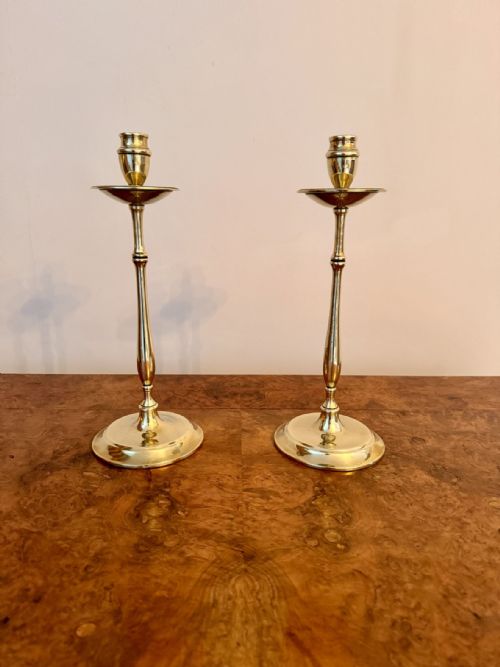
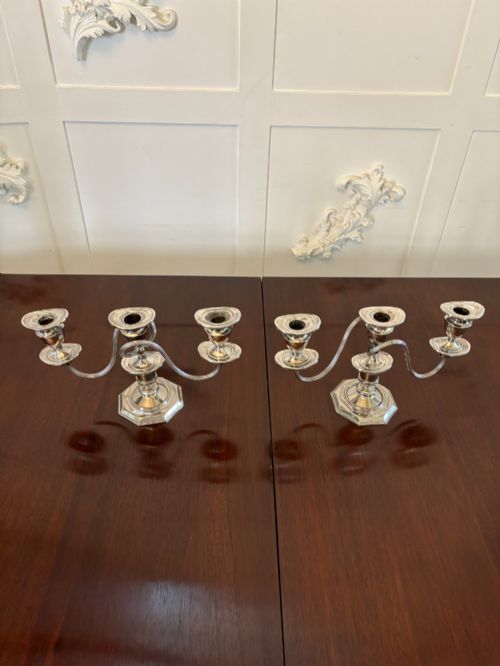
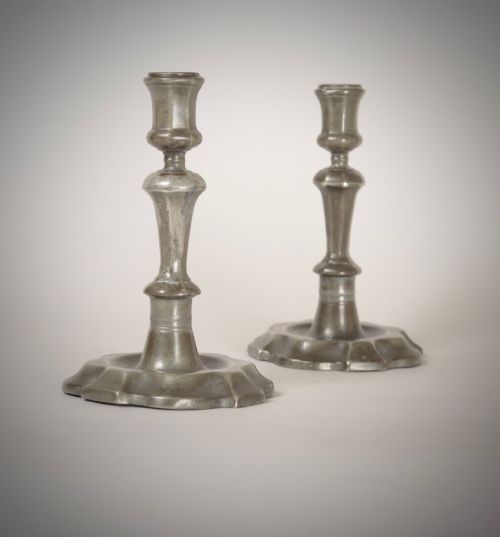
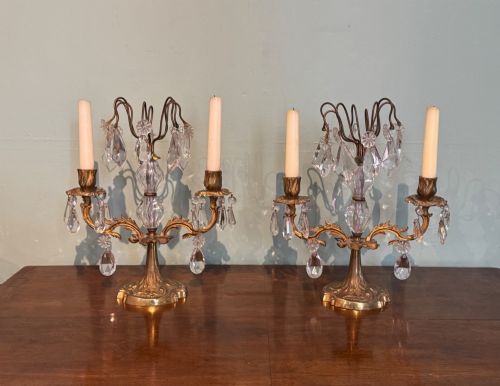
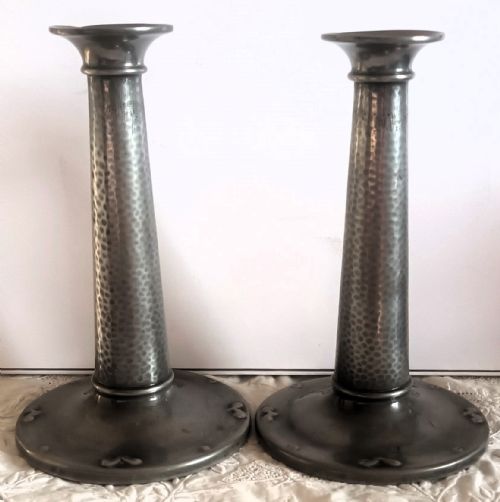
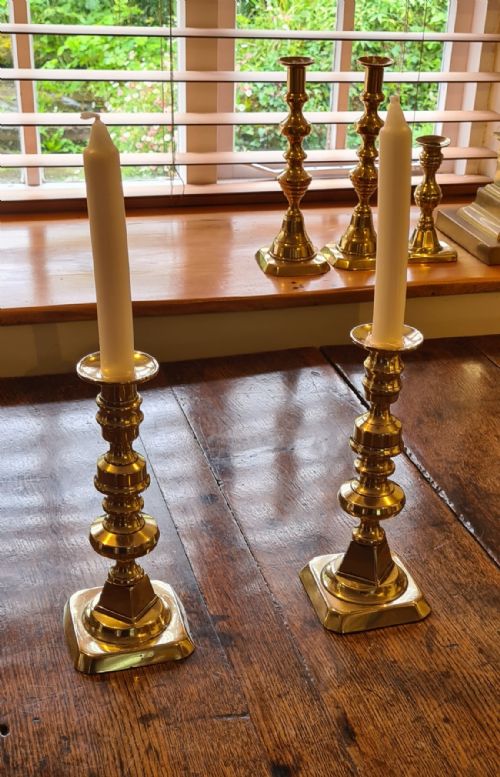
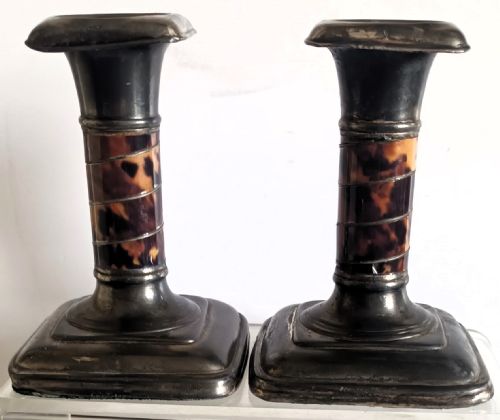
The selections rely heavily on metalwork forms, notably pairs of brass candlesticks, pewter vessels and silver-plated items, alongside glass lustres and ceramic bodies converted into table lamps. These pieces demonstrate diverse historical styles including Arts and Crafts designs, Gothic Revival elements and French Rococo influences.
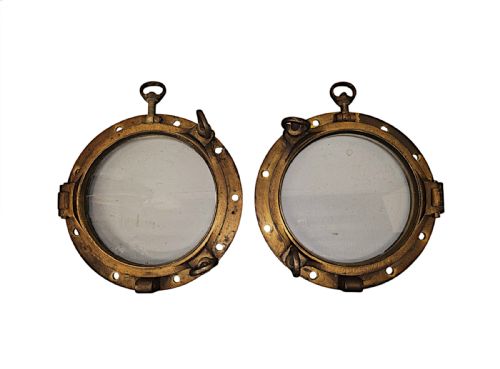
Candlesticks and candelabras dominate the available forms, accompanied by architectural salvage, girandole mirrors, spirit dispensing barrel lamps and ships lanterns. Such items reflect the domestic habits and decorative tastes of their respective decades, utilising traditional materials to achieve ambient illumination.
Materials and construction methods
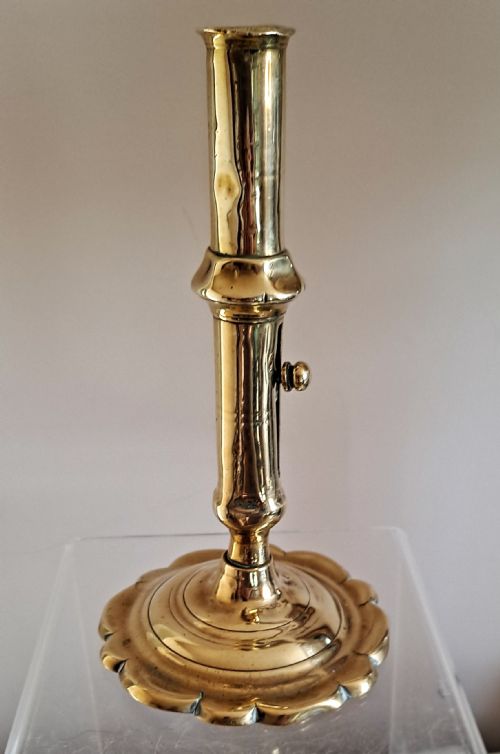
Metal fabrication forms the foundation of these lighting pieces, utilising cast and turned brass, seamed bronze, pewter and copper alongside silver-plated components and Old Sheffield plate. Makers shaped these metals through casting, lathe turning and hand-finishing, often incorporating mechanisms such as ejectors to remove spent candle stubs.
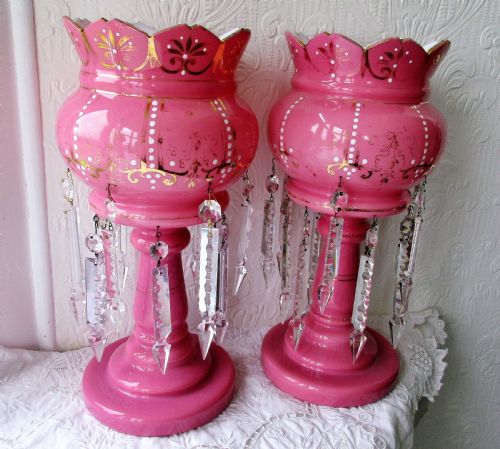
Glass and ceramic components introduce colour and texture, seen in cut-glass table candelabras, pink glass lustres, jasperware and opaque glass oil lamp vessels. Artisans combined these vitreous materials with wooden elements, gold leaf accents and tortoiseshell detailing to build layered decorative surfaces.
Vintage Lighting Decor Retail Price Guide 2026
Typical asking prices for vintage lighting decor among the pieces listed under this phrase on Sellingantiques today, from the lower quarter to the upper quarter. They describe what is for sale here now, not the wider market.
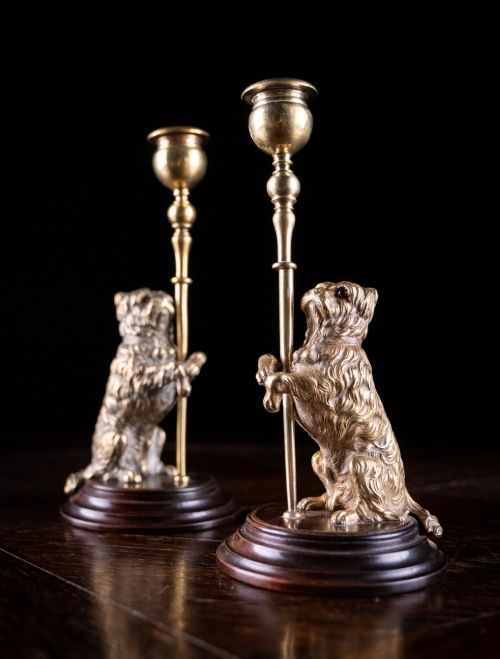
Terrier dogs and maritime port holes keep watch over the parlour candle flames.
Factors determining quality
Quality rests in the precision of the casting, the weight of the metal components and the crispness of turned details on columns and bases. Superior examples exhibit balanced proportions, cleanly struck maker marks and harmonious integration of mixed materials like pewter and enamel.
Design ambition separates standard production items from distinguished pieces, evident in sculptural forms such as standing animal figures, heraldic motifs or specific designer commissions. The integrity of the original construction, uncompromised by heavy wear, distinguishes higher tier items.
Archibald Knox for Liberty & Co·Thomas Bradbury & Sons Ltd
The Vintage Lighting Decor Glossary
- Candelabra
- A branched candlestick holding multiple candles on a single base. These pieces provide greater illumination and decorative presence than standard single holders.
- Lustre
- A decorative glass or porcelain mantel ornament hung with cut glass prisms. They catch and refract ambient light.
- Ejector
- A concealed internal spring or sliding mechanism within a candlestick shaft. It pushes out the remaining candle remnant.
- Girandole
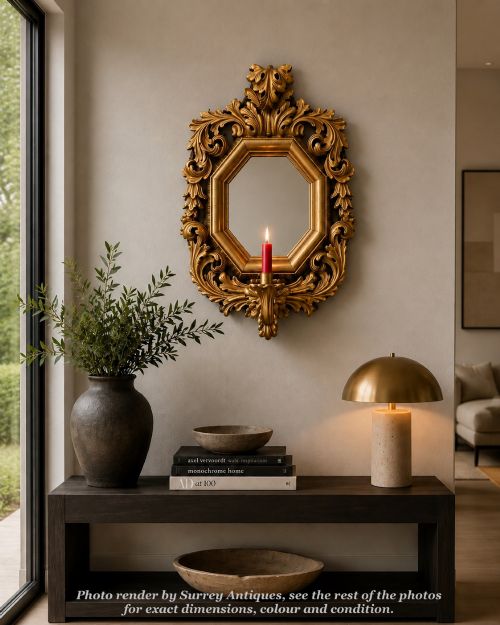
- A decorative wall mirror featuring integrated candle arms branching from the frame. The glass reflects the candlelight to brighten rooms.
- Jasperware
- A fine stoneware developed with a matte surface, often featuring applied white neoclassic reliefs against a coloured ground. It frequently appears on decorative vessels and candlesticks.
Vintage Lighting Decor: Frequently Asked Questions
How do I date antique brass candlesticks?
Dating relies on manufacturing techniques, base shapes and wear patterns. Seams, pontil marks and fastener types offer clear chronological indicators.
Earlier Georgian examples often feature petal bases, while Victorian pieces lean towards heavier turned columns and ejector mechanisms.
Were these oil lamps converted to electricity?
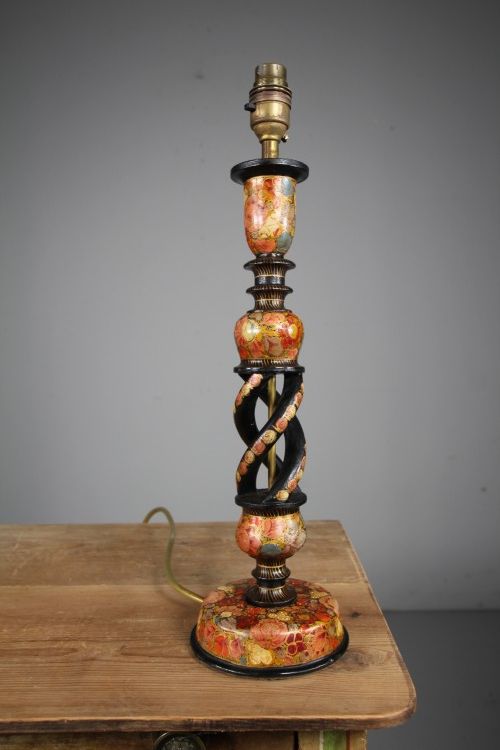
Many ceramic vessels and lanterns originate as oil-burning or solid-fuel devices. Subsequent rewiring allows modern use without altering the antique body.
Careful wiring preserves the outer aesthetic of nineteenth and early twentieth century lamps.
What is the difference between pewter and silver plate?
Pewter is a traditional tin-alloy metal with a soft grey patina and a solid composition throughout. Silver plate applies a thin layer of silver over a base metal core.
Both materials serve distinct decorative roles across different stylistic periods.
How should I clean antique metal lighting?
Gentle dusting and minimal intervention protect historical surfaces and patinas. Aggressive chemical polishing removes accumulated age that collectors value.
Maintaining the natural surface layer preserves the authenticity of brass and bronze objects.