





Vintage Lidded Vase
These vintage lidded vases range from English porcelain pot pourri to Japanese cloisonne ginger jars, bringing covered display forms to a room.
Vintage Lidded Vase
A vintage lidded vase takes many forms across the selection, including ginger jars, pot pourri vessels, urns and covered vases. These vessels serve to hold dried petals or simply stand as decorative ornaments on a mantel or table.
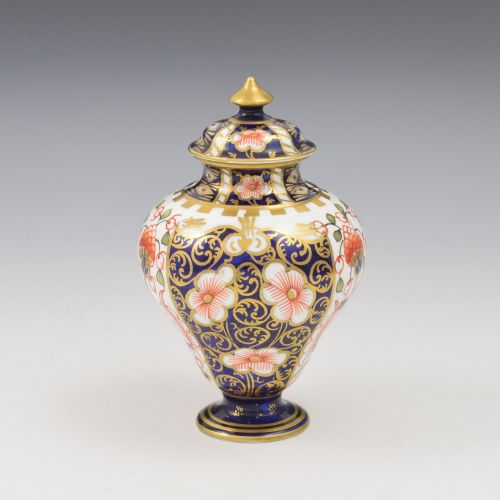
The English examples lean towards painted porcelain and ironstone from factories like Royal Worcester, Coalport and Mason's. Alongside these, Japanese Imari, Satsuma, Kutani and cloisonne pieces appear frequently in the listings.
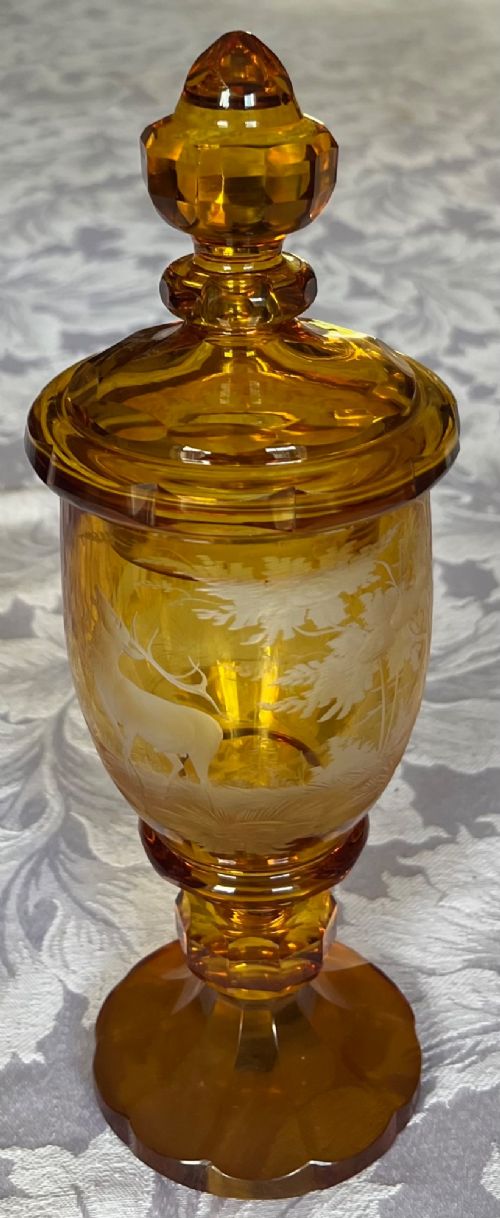
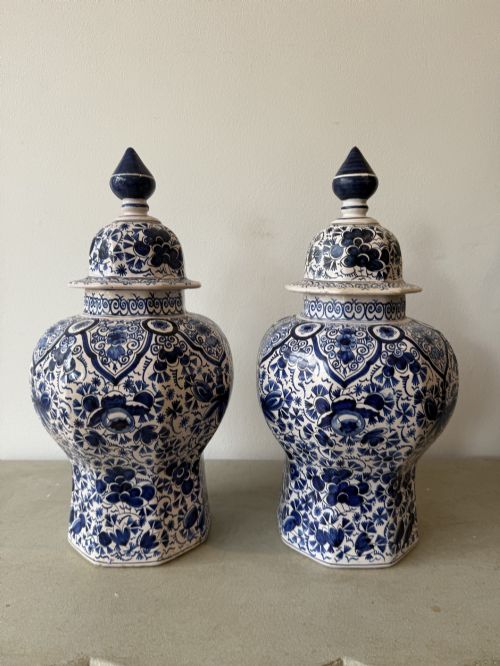
Periods stretch from the nineteenth century through the Edwardian era and into the mid-twentieth century. Buyers encounter Victorian cut glass, French faience, Bohemian engraved glass and Delft blue and white earthenware.
How they were made
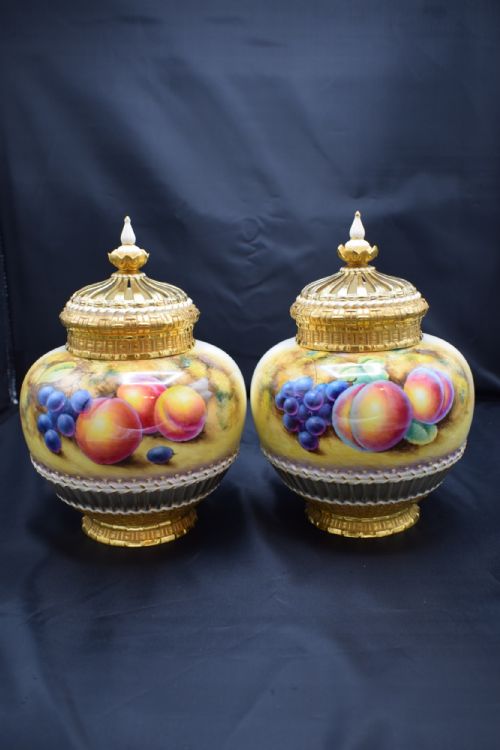
Ceramic pieces utilise porcelain, earthenware, ironstone and faience formed into bodies and finished with glazes or hand-painted decoration. Factories such as Royal Worcester employ artists to paint fruit, birds and floral motifs directly onto the porcelain surface before firing.
Metal and glass methods involve contrasting techniques, from brass wire cloisonne filled with enamel on copper bases to Bohemian glass shaped through cutting, engraving and etching. Lids fit snugly over mouths designed to contain pot pourri or protect contents.
Gold leafing and enamelling add fine detail to Japanese Imari wares and English porcelain alike, whilst mounting hardware on urns incorporates brass and copper elements.
Vintage Lidded Vase Retail Price Guide 2026
Typical asking prices for vintage lidded vase among the pieces listed under this phrase on Sellingantiques today, from the lower quarter to the upper quarter. They describe what is for sale here now, not the wider market.
Listings feature porcelain, earthenware, glass and cloisonne enamel across the nineteenth and twentieth centuries.
What varies in quality
The standard of hand painting dictates much of the appeal in English porcelain ginger jars and pot pourri vessels, where named artists deliver meticulous botanical and fruit scenes. Lesser examples rely on transfer printing or simpler geometric patterns.
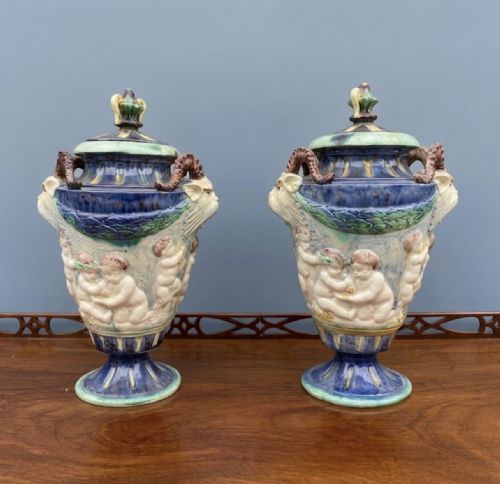
Complexity of construction separates standard production from finer work, visible in the precision of cloisonne wirework cells, the depth of cut glass engraving and the weight of porcelain bodies. Matched pairs command greater interest than single surviving vessels.
Royal Crown Derby·Royal Worcester·Royal Winton·Samson of Paris·Coalport·Herend
The Vintage Lidded Vase Glossary
- Pot Pourri Vase
- A covered vessel pierced with holes in the lid to release the scent of dried flower petals and spices kept inside. These jars often feature inner secondary lids.
- Cloisonne
- A metalwork technique where thin flat wires are soldered to a base to form compartments, which are then filled with coloured enamel paste and fired. This method originates in ancient traditions and yields intricate mosaic patterns.
- Imari
- A style of Japanese porcelain featuring a palette of underglaze blue, iron red, and gilt highlights. European factories imitated this aesthetic extensively during the nineteenth century.
- Ginger Jar
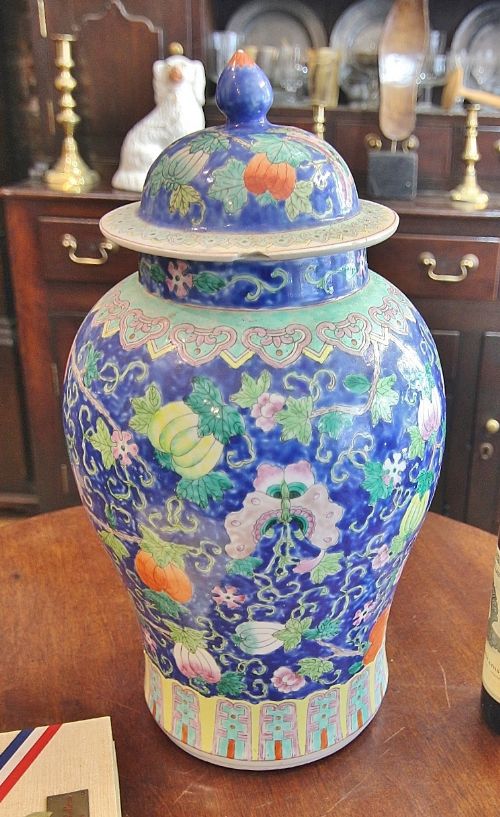
- A wide-mouthed storage jar with a domed cover, originally used in China for shipping spices and preserved ginger. Later European and Japanese potteries adopted the rounded silhouette for decorative purposes.
Vintage Lidded Vase: Frequently Asked Questions
What were lidded vases used for?
These vessels held dried botanical pot pourri mixtures, preserved ginger or simply served as decorative mantel ornaments in period homes.
The matching covers kept dust out of the contents or preserved the aromatic oils within fragrant dried flower blends.
How do I identify Japanese Imari ware?
Japanese Imari pieces display a distinct palette combining underglaze blue with rusty iron red and gold leaf detailing.
They appear across the nineteenth century listings alongside Kutani and Satsuma wares from the same periods.
Where were painted fruit vases made?
Hand painted fruit designs on pot pourri jars and vases are strongly associated with English factories like Royal Worcester and Coalport.
Signed pieces by artists such as John Smith, Freeman and Richard Budd represent this particular tradition.
What is cloisonne enamel?
Cloisonne involves applying thin metal wires to a copper or brass base to create partitioned cells for coloured glass paste.
After firing and polishing, the surface reveals intricate bird and geometric motifs across ginger jars and vases.