

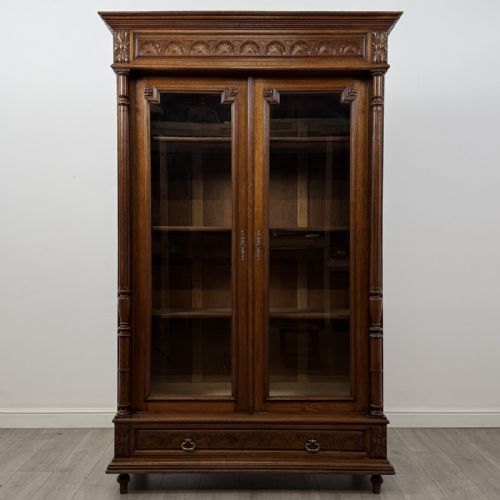
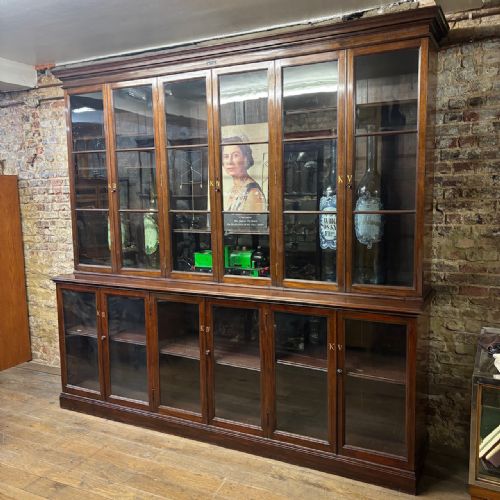
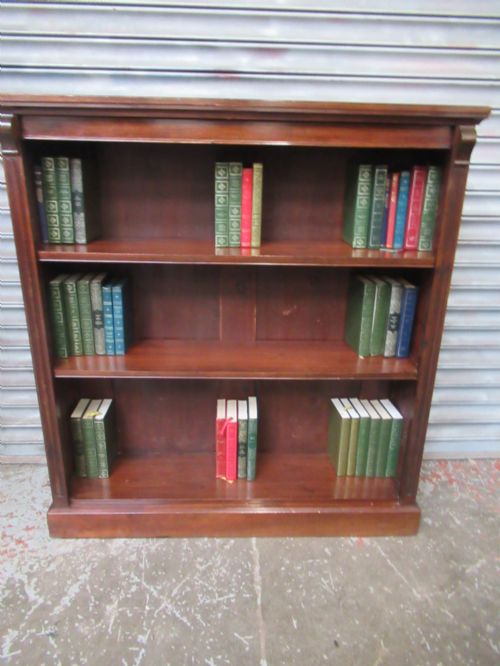
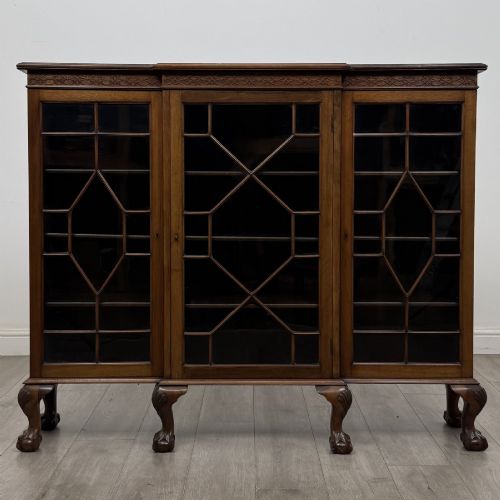
Vintage Library Display
Vintage library display pieces bring order to rooms through time-tested timber shelving, glazed cabinets, and specialised stands.
Vintage Library Display
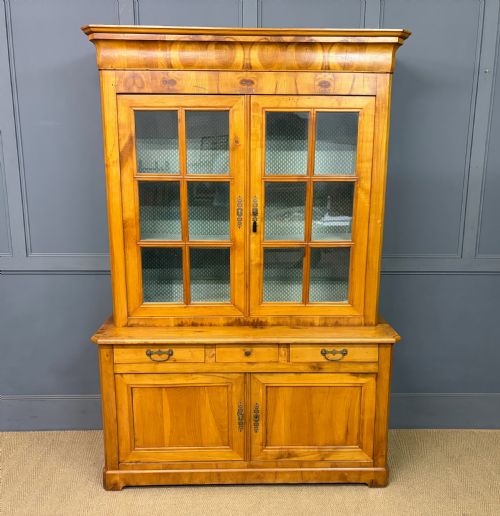
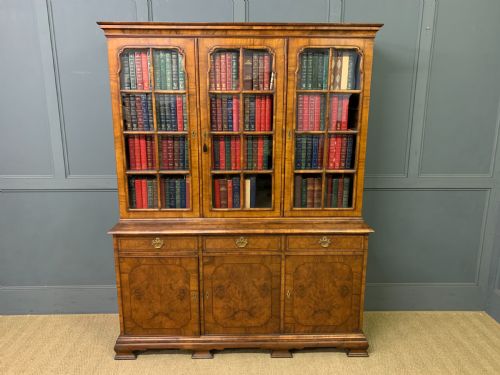
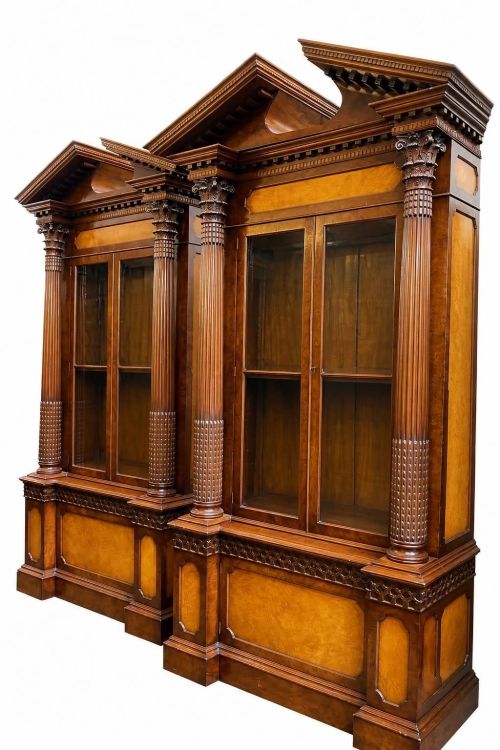
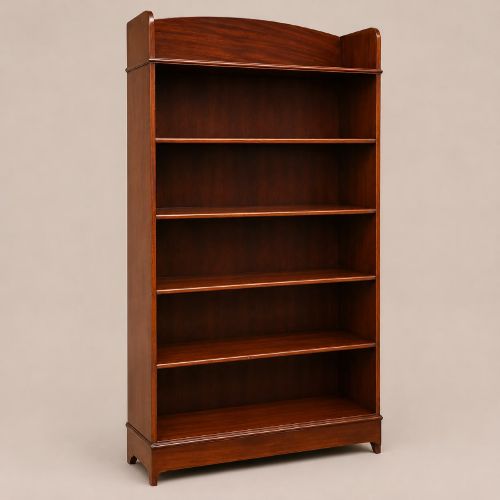
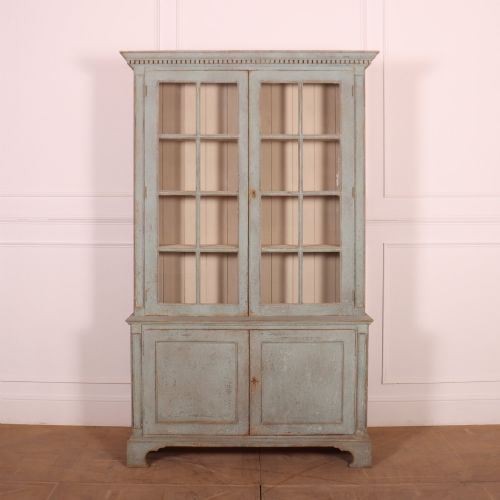
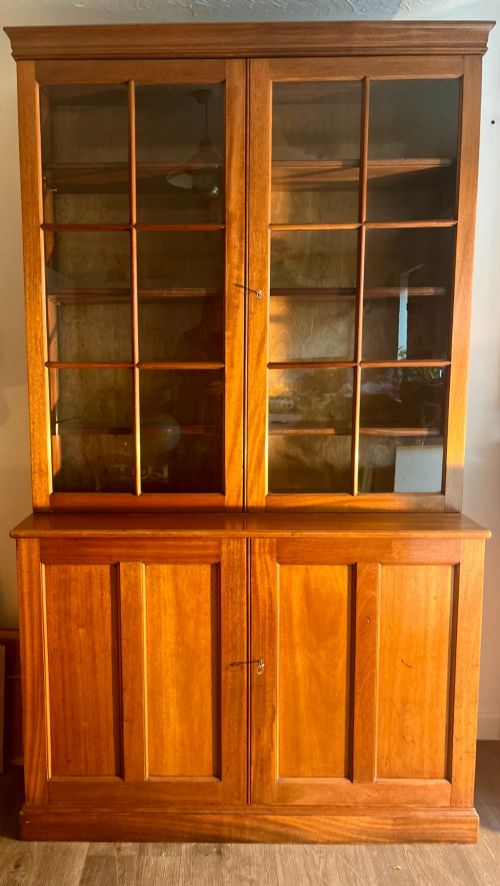
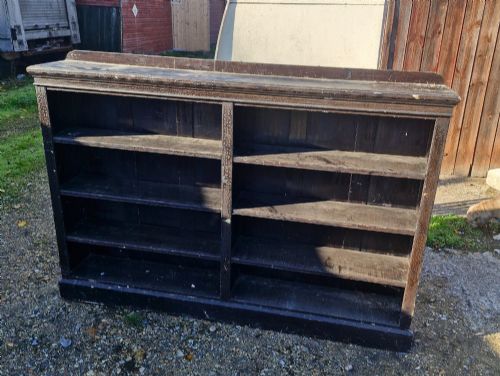
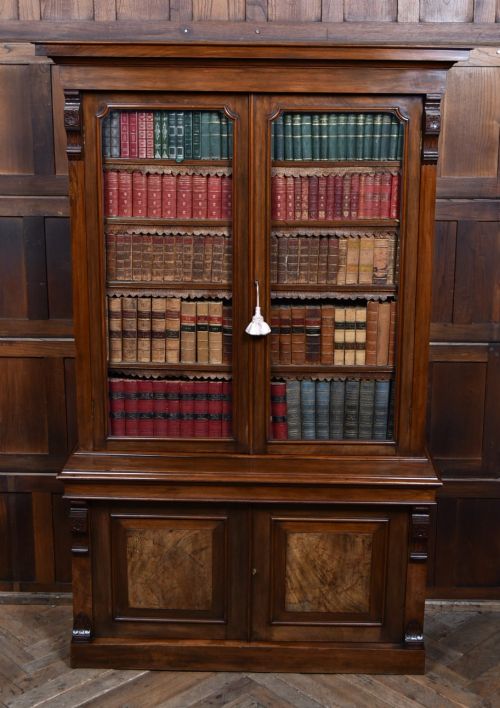
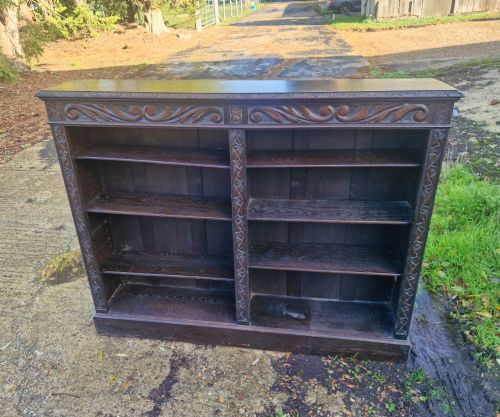
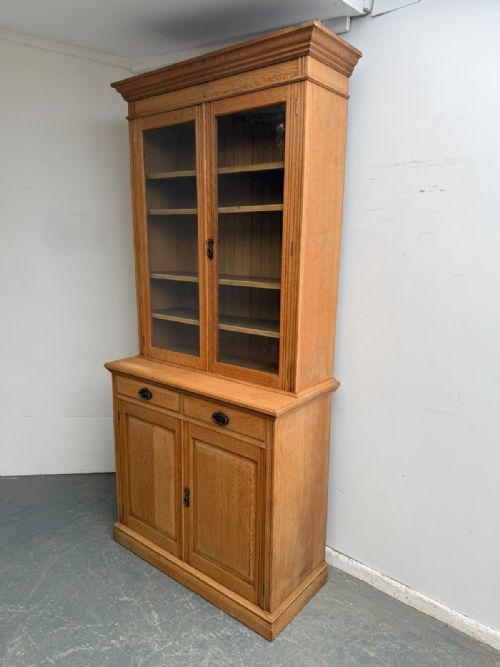
A vintage library display centres on the storage and presentation of books and collections within domestic or study spaces. Buyers encounter everything from grand breakfront bookcases to compact open shelves and revolving designs tailored for daily access.
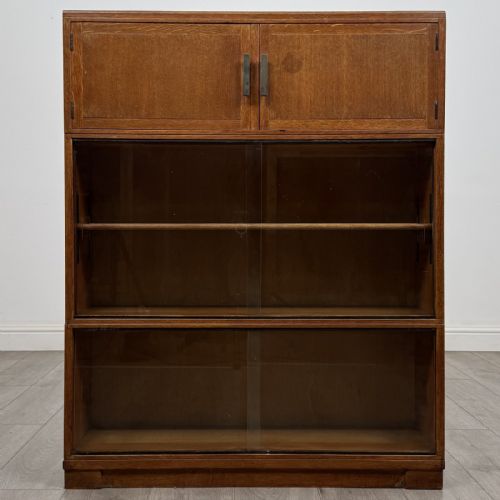
The selections span distinct periods, drawing heavily on nineteenth-century craftsmanship alongside Edwardian and 1920s interpretations. Oak and mahogany dominate the offerings, appearing in forms ranging from sectional barrister units to glazed cabinets with sliding glass doors.
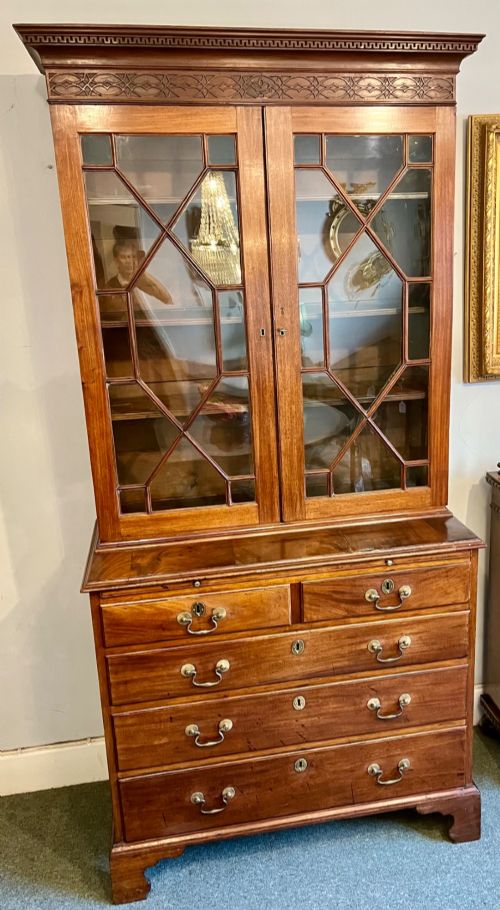
Open bookcases with adjustable shelves sit alongside tall breakfront glazed cabinets designed to protect volumes behind glass panes. Period steps, folio stands, and what-not shelving complete the range of furnishings built for domestic reading rooms.
How they were made
Cabinet makers relied primarily on solid mahogany, oak, and walnut, frequently enhancing surfaces with burr walnut veneers or carved cornices. Brass hardware, metal mechanisms, and leather details appear across step ladders, revolving stands, and secretaire fittings.
Vintage Library Display Retail Price Guide 2026
Typical asking prices for vintage library display among the pieces listed under this phrase on Sellingantiques today, from the lower quarter to the upper quarter. They describe what is for sale here now, not the wider market.
Shakespeare plays bound entirely in vellum sit alongside towering mahogany breakfronts, proving scholars need compact drama too.
What varies in quality
Excellence rests on the selection of timber grains, such as figured mahogany or burr walnut, matched with restrained decorative carving like dentil cornices or raised galleries. Maker attribution also elevates certain pieces, distinguishing standard workshop production from notable firms.
Mechanisms dictate utility in functional items, separating smooth-rotating revolving bookcases and precise barrister stacking doors from stiff or awkward alternatives. Glazing quality, timber thickness, and the presence of original adjustable shelving systems further define the upper tier.
Heals of London·Gunn·Minty of Oxford·Maple and Co·Lebus·Gillows·Hille
The Vintage Library Display Glossary
- Breakfront
- A large cabinet design where the central section projects forward from the flanking wings. This architectural arrangement creates depth and visual weight in larger library rooms.
- Astragal
- The narrow wooden moulding that divides panes of glass within a cabinet door. These strips form geometric patterns across glazed library bookcases.
- Secretaire
- A cabinet incorporating a pull-down writing drawer with fitted small drawers and pigeonholes inside. It combines desk functionality with upper bookcase storage.
- Barrister bookcase
- A stacking modular bookcase with glass-fronted tiers that lift and slide inward on metal linkages. This design allowed expanding libraries to add shelves vertically.
- What-not
- An open set of multi-tiered shelves used for displaying books and decorative objects. These freestanding pieces date across the nineteenth and early twentieth centuries.
Vintage Library Display: Frequently Asked Questions
How do I choose between open and glazed bookcases?
Open bookcases provide immediate access to volumes and work well for everyday reading material in studies or living spaces. Glazed cabinets protect delicate or older bindings from dust, light, and atmospheric changes.
Selecting the right format depends on your room environment and the condition of the books you intend to store within them.
What is a barrister bookcase used for?
A barrister bookcase uses modular, stackable tiers with glass doors that lift and slide inside the shelf cavity. This clever mechanism kept law books accessible while protecting them from office dust.
Today, these sectional units suit collectors who want flexible shelving that can be reconfigured or expanded over time.
How do revolving bookcases function?
Revolving library bookcases sit on a concealed central pivot base, allowing a tall stack of books to turn smoothly with minimal effort. They were placed beside armchairs or desks to keep reference volumes close at hand.
Living with one involves placing it where the turning radius remains clear of surrounding furniture and walls.
How do I distinguish Edwardian oak from earlier Victorian pieces?
Edwardian oak bookcases often feature lighter timber tones and refined neoclassical details such as dentil cornices or raised galleries. Victorian pieces tend to show heavier proportions, darker mahogany finishes, and more robust structural mouldings.
Examining the interior construction, backboards, and hardware helps confirm the specific period of manufacture.