



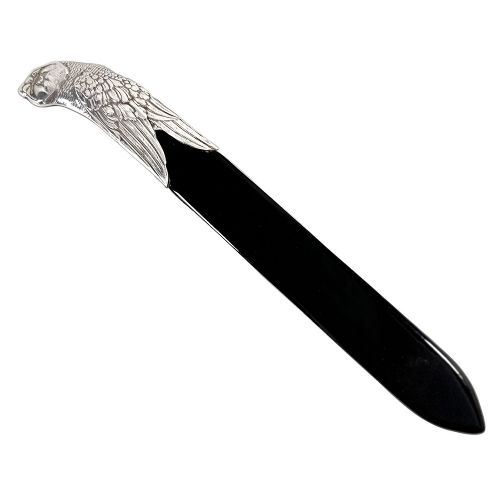
Vintage Letter Knife
A vintage letter knife sits on the desk to slice open envelopes with weight and presence, turning correspondence into a ritual.
Vintage Letter Knife
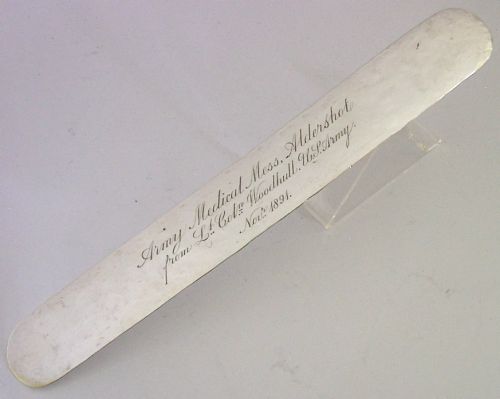
A vintage letter knife is a desk accessory designed to slit paper envelopes cleanly, frequently designated as a paper knife or page turner in period catalogues. The pieces meeting this search phrase span centuries of desk culture, shifting from Georgian elegance to mid-century modernism.
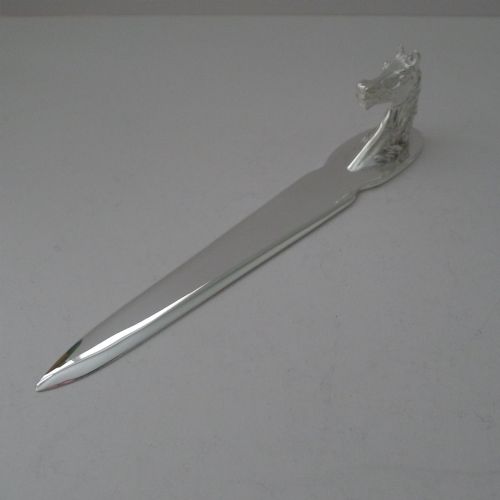
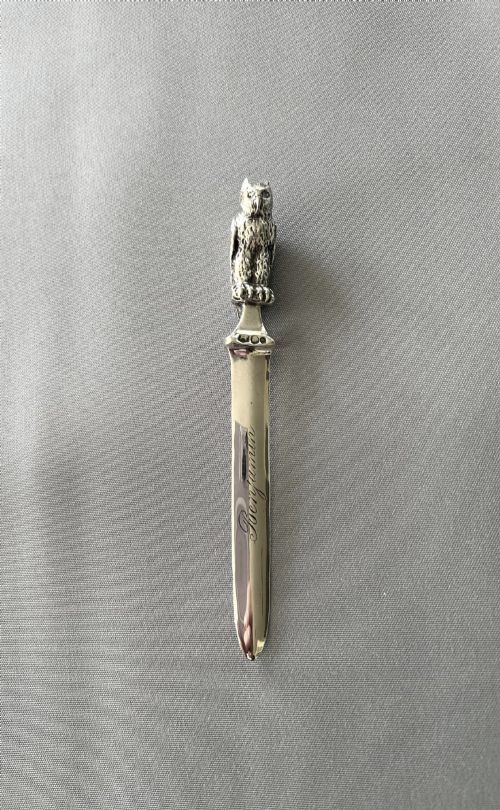
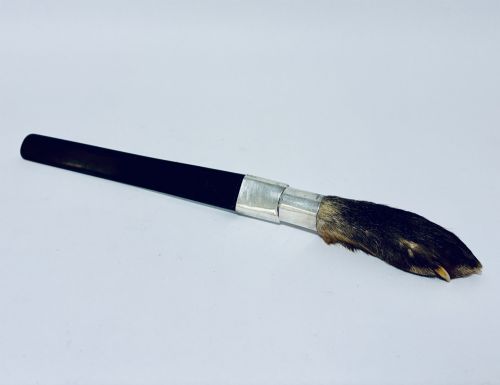
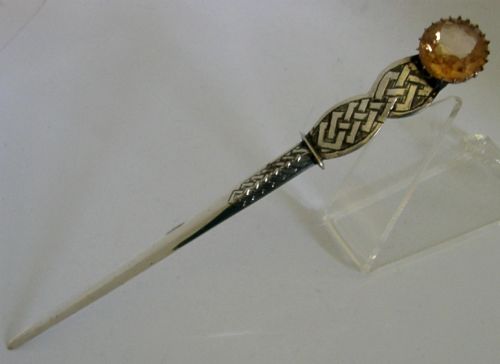
Materials range from solid sterling silver and silver plate to carved mother-of-pearl, tortoiseshell, bamboo, and exotic hardwoods like mahogany and yew. Many examples incorporate figural metal mounts, depicting animals, birds, and classical motifs.
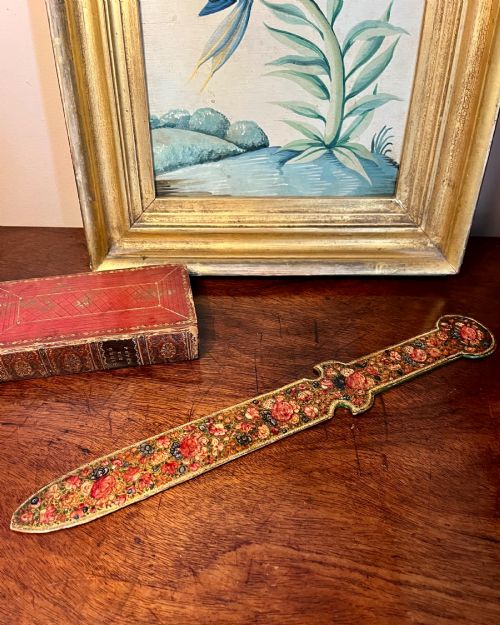
Makers and silversmiths applied varied national styles, encompassing Dutch silver workmanship, Kashmiri papier-mâché, and British Arts and Crafts design. The selection includes everything from utilitarian silver blades to novelty animal handles.
Materials and construction
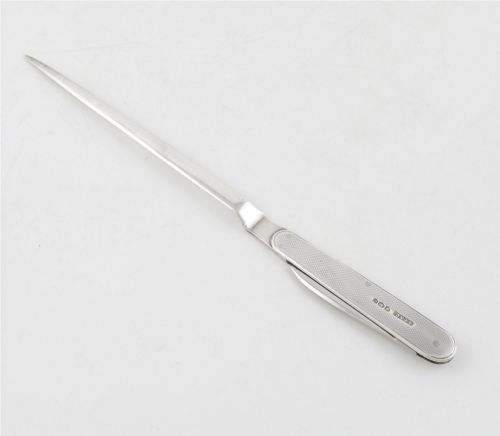
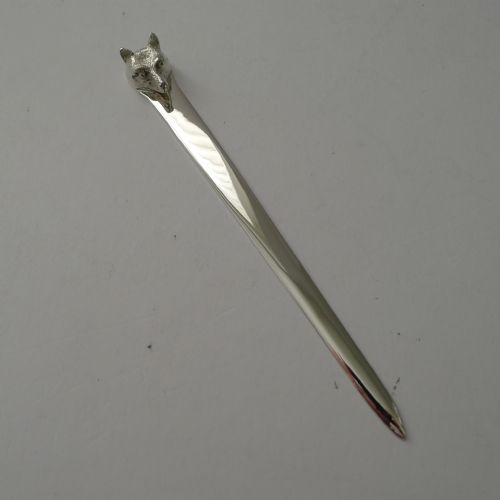
Metal components involve sterling silver, silvered bronze, and gilded bronze, frequently hallmarked to designate assay office, standard, and date. Silversmiths formed blades by rolling and hammering, attaching them to cast figural handles shaped as foxes, greyhounds, horses, and owls.
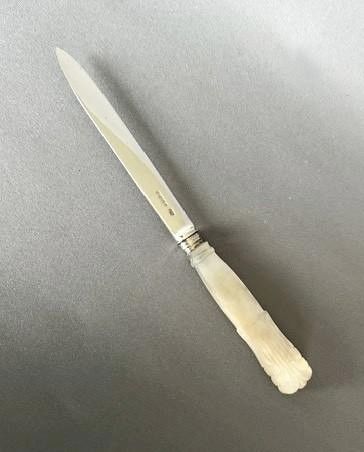
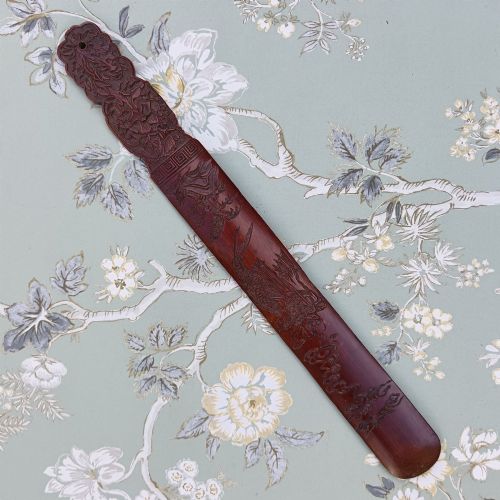
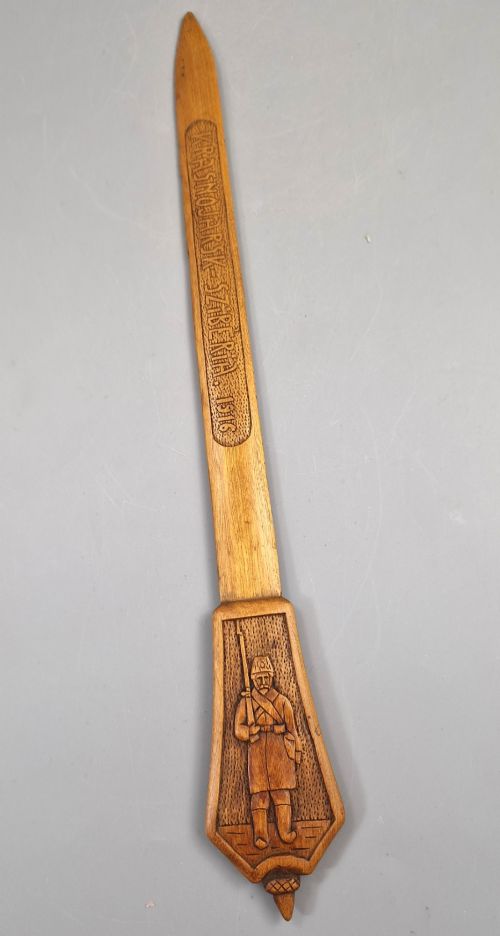
Organic elements rely on mother-of-pearl, tortoise-shell, carved bamboo, and ebonised wood, requiring precise cutting and polishing to achieve a smooth tactile finish. Trench art items demonstrate hand-carving directly into timber using basic workshop tools during wartime.
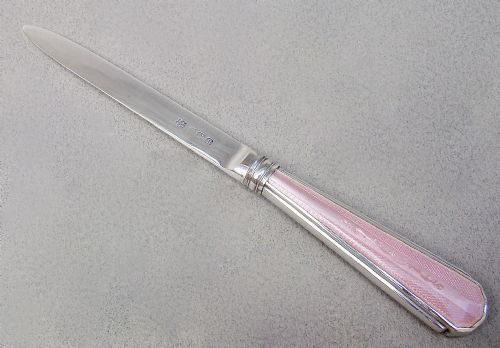
Decorative enhancements utilise guilloché enamel, hand-engraving, and applied metal mounts. Artisans combined media, pairing silver blades with mother-of-pearl handles or mounting silvered bronze onto carved organic forms.
Vintage Letter Knife Retail Price Guide 2026
Typical asking prices for vintage letter knife among the pieces listed under this phrase on Sellingantiques today, from the lower quarter to the upper quarter. They describe what is for sale here now, not the wider market.
Materials represented across the inventory include silvered bronze, Kashmiri papier-mâché, celluloid, and yew wood alongside standard sterling silver.
Assessing craftsmanship and execution
Quality rests upon the weight of the metal and the crispness of the casting in figural handles, where finer pieces display sharp anatomical detail rather than soft outlines. Silversmith hallmarks and maker stamps provide verifiable proof of origin and workshop standard.
Material selection divides standard utilitarian items from luxury desk accessories. Genuine mother-of-pearl, thick tortoiseshell, and substantial sterling silver blades outlast plated base metals and celluloid substitutes.
The integrity of assembly determines longevity, particularly where handles join blades. Superior items exhibit seamless integration between organic grips and metal working ends without movement or adhesive residue.
Dunhill·Hermès Paris·Barker Brothers·Asprey·Sampson Mordan and Co·Gucci
The Vintage Letter Knife Glossary
- Hallmark
- Official stamps struck into precious metals to indicate the maker, standard of purity, assay office, and year of manufacture. These marks allow collectors to date silver pieces precisely.
- Guilloché
- A decorative technique where a precise, intricate pattern is mechanically engraved into metal beneath a translucent layer of enamel. It appears frequently on Art Deco desk accessories.
- Page turner
- A larger desk tool designed for separating uncut pages in historical books and documents. They share materials with letter knives but offer an extended reach.
- Papier-mâché
- A composite material consisting of paper pieces or pulp bound with glue, painted and lacquered. Kashmiri examples utilise this method for decorated stationery items.
Vintage Letter Knife: Frequently Asked Questions
How do I date a silver letter knife?
Dating relies primarily on the stamped hallmarks found on the metal components, which record the assay office and a specific date letter. Style periods, such as Art Deco geometric enamel or Georgian mahogany boxes, offer secondary visual clues.
Makers' marks associated with known firms provide further verification of the manufacturing decade.
Were these items used only for letters?
Many larger implements catalogued as page turners were manufactured specifically to cut the folded edges of uncut pages in newly bound books and periodicals. Desk sets of the period grouped letter knives alongside stationery boxes, inkwells, and blotters.
Novelty animal handles and figural silver mounts transformed these functional desk tools into decorative display pieces for gentlemen's libraries.
How should I care for silver and mother-of-pearl pieces?
Silver components require periodic polishing with a soft cloth to manage natural tarnish without abrading the underlying metal or hallmarks. Mother-of-pearl and tortoiseshell handles should be kept away from direct heat sources and harsh chemical cleaners.
Storing them in dry desk compartments prevents moisture damage to organic materials and glues.