

Vintage Lawyer Cabinet
A vintage lawyer cabinet organises your library through clever modular tiers that keep valuable texts dust-free.
Vintage Lawyer Cabinet
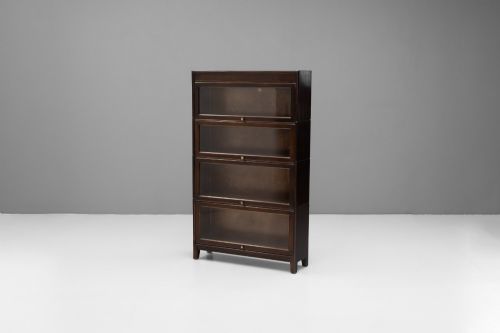
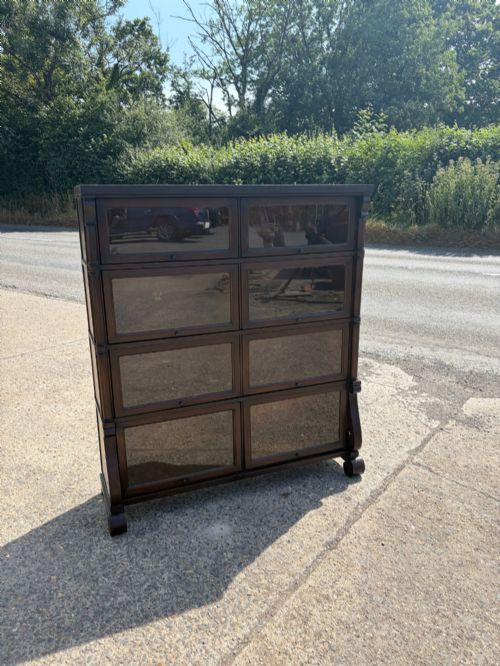
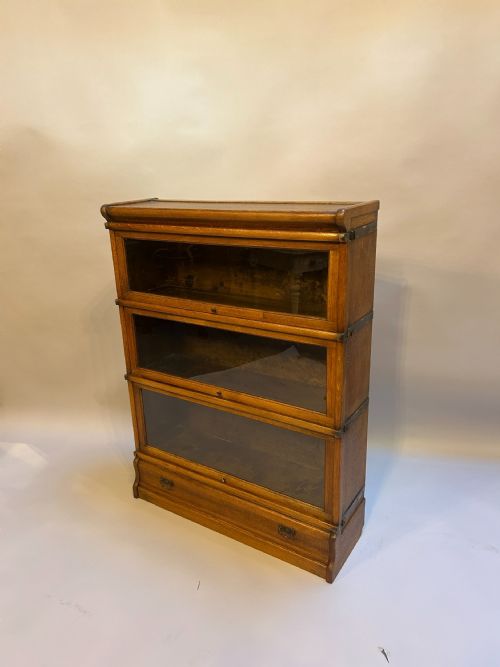
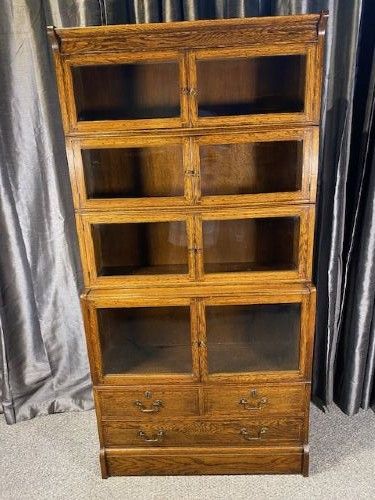
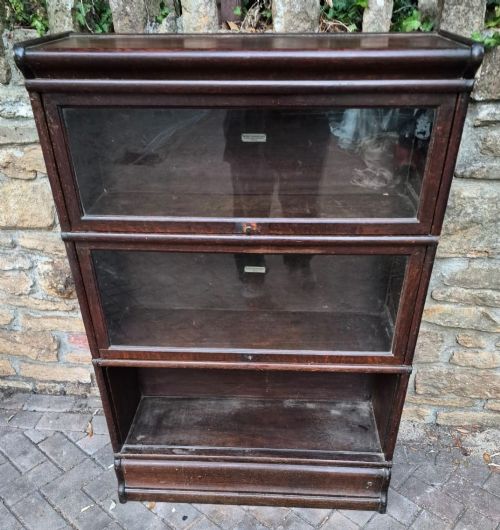
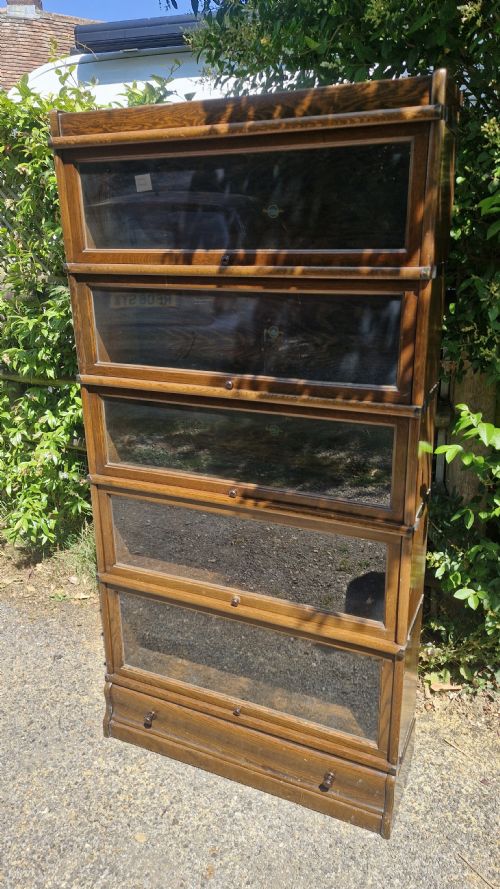
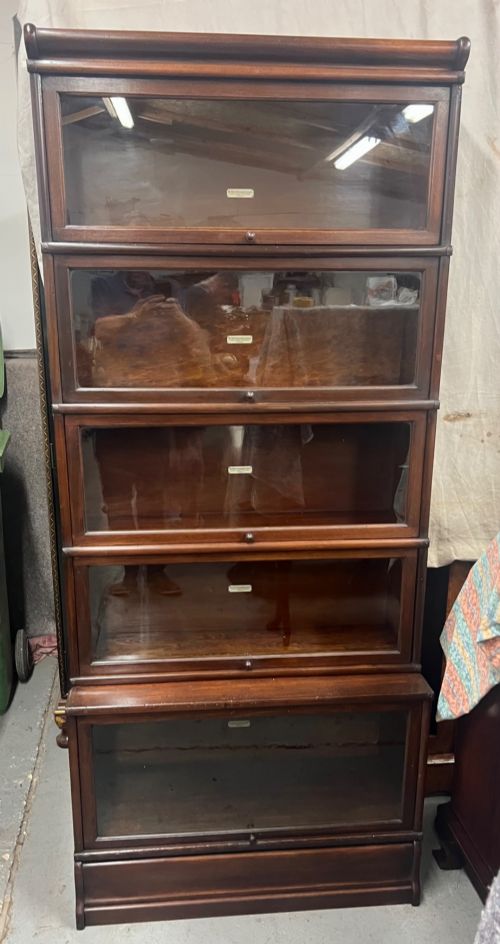
When you search for a vintage lawyer cabinet, you encounter modular bookcases designed to protect heavy volumes in office and home libraries. These items span the Edwardian era through the nineteen-thirties, with the nineteen-twenties representing the peak period for surviving examples.
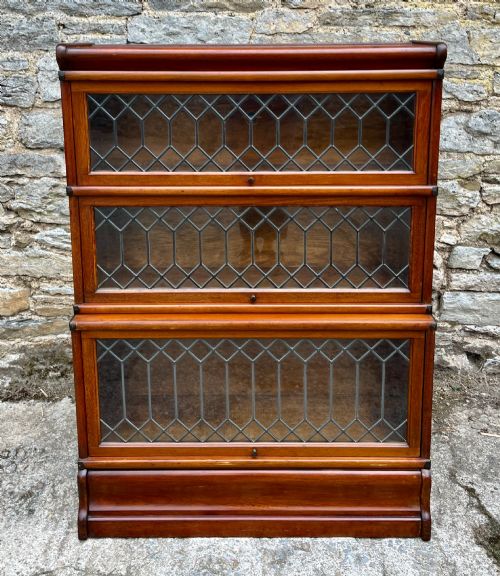
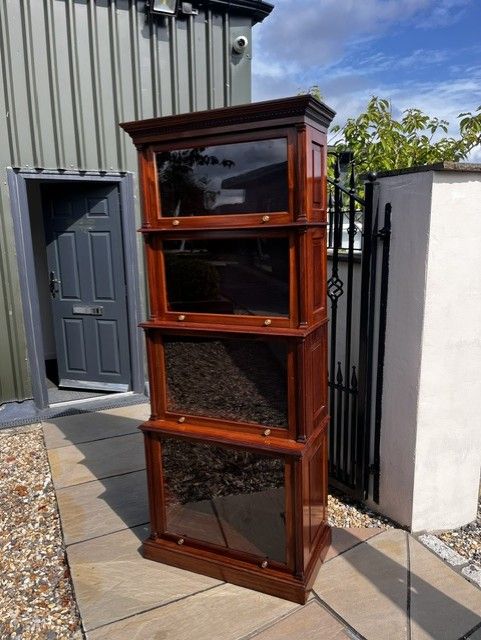
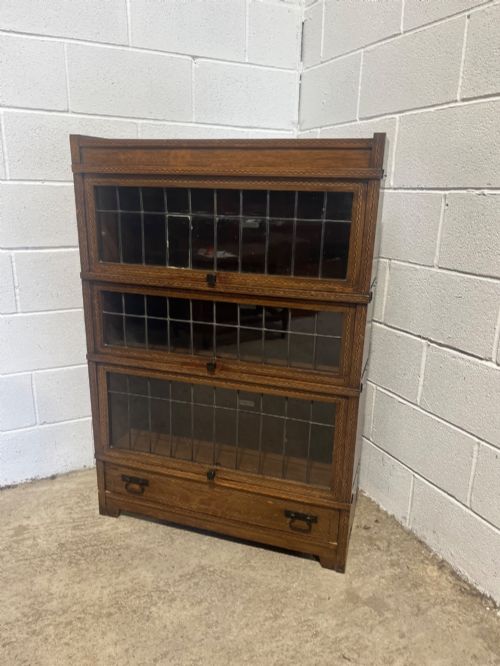
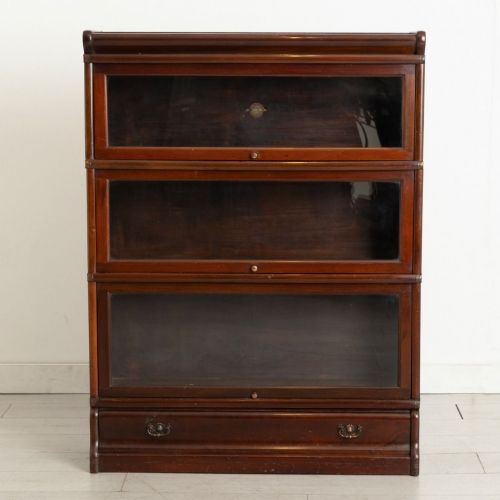
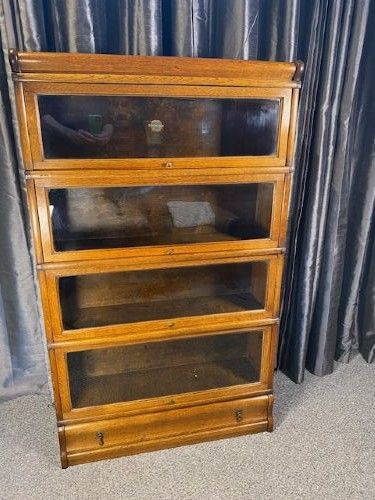
The most common form is the stacking or sectional bookcase, which allows tiers to be added or rearranged as your book collection grows. Pieces appear in both oak and solid mahogany, often featuring glazed doors that lift and slide inside the case.
Materials and construction
Cabinet makers utilised quarter-sawn oak and solid mahogany to build sturdy modular frames capable of supporting heavy rows of books. Brass hardware secures the stacking mechanisms and adds structural detailing to the sides of the tiers.
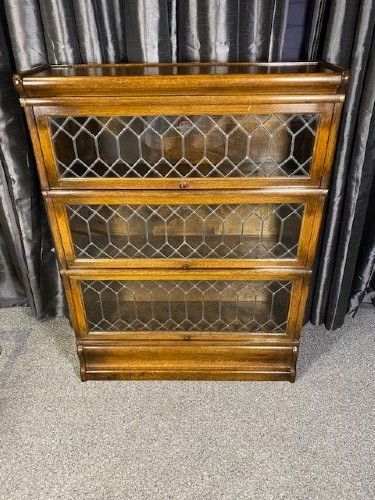
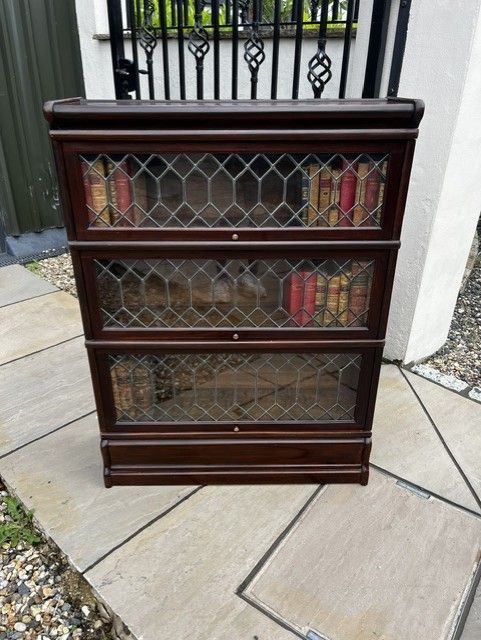
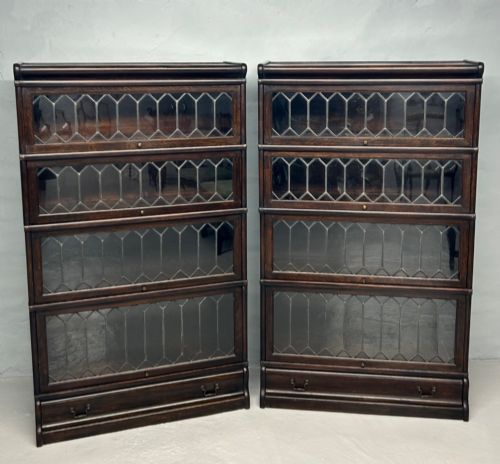
Glazed doors frequently incorporate leaded glass panes held together by metal cames. Each tier operates independently with up-and-over hardware that guides the glass panel smoothly into the recess above the books.
Makers such as Globe Wernicke appear frequently alongside unmarked commercial examples from the early twentieth century.
Factors of quality
The distinction between standard commercial cases and superior examples lies in the timber selection and the precision of the modular joints. Solid mahogany and figured oak command greater attention than plain utility timbers.
The mechanical action of the lifting doors determines the operational standard of the tier. Smooth guidance tracks and intact brass fittings indicate careful original manufacture and enduring mechanical integrity.
Gunn Furniture·Macey·Globe Wernicke·Warwick
The Vintage Lawyer Cabinet Glossary
- Sectional bookcase
- A modular piece of furniture built from separate stacking tiers that lock together vertically. This design allows the cabinet to be disassembled for transport or expanded with additional sections.
- Barrister bookcase
- An alternative name for a lawyer cabinet, traditionally used by legal professionals to protect law reports and reference books. The glass fronts kept expensive leather-bound volumes safe from dust and damp air.
- Up and over door
- A glazed panel fitted with a sliding mechanism that lifts outward and recesses horizontally above the shelf. This action lets you access books without swinging a door outward into the room.
- Leaded glass
- Small panes of glass joined together by narrow strips of lead known as cames. This technique creates decorative patterns across the cabinet doors while maintaining structural strength in the glazing.
Vintage Lawyer Cabinet: Frequently Asked Questions
What is a lawyer cabinet?
A lawyer cabinet is a sectional bookcase made of stacked tiers with glass doors that lift and slide inward. These cabinets were designed to hold heavy reference books while protecting them from dust.
Today, they serve as functional display furniture for home libraries and studies, offering modular versatility that adapts to different room layouts and collection sizes.
How do sectional bookcases work?
Sectional bookcases consist of separate wooden boxes that stack vertically on top of a base and beneath a top cornice. Metal pins or interlocking joints hold the tiers steady without permanent fixings.
Each shelf tier has its own glass door and mechanism, meaning you can add, remove, or rearrange sections as your storage needs change over time.
Are these cabinets made of solid wood?
Most period lawyer cabinets feature solid oak or solid mahogany construction, selected for strength and durability. Manufacturers utilised quarter-sawn oak to produce distinctive grain patterns across the panels.
Interior framing and backing boards occasionally incorporate secondary timbers to maintain structural stability while keeping the modular tiers manageable to lift.
How do I date a lawyer cabinet?
Dating relies on stylistic clues, timber choices, and maker marks stamped on the interior woodwork or hardware. Cabinets from the Edwardian period often display arts and crafts influences or rich inlaid details.
Pieces from the nineteen-twenties tend toward standardised commercial stacking formats in golden oak or mahogany. Checking for patent dates on the door mechanisms also helps narrow down the production era.