



Vintage Landscape Painting Board
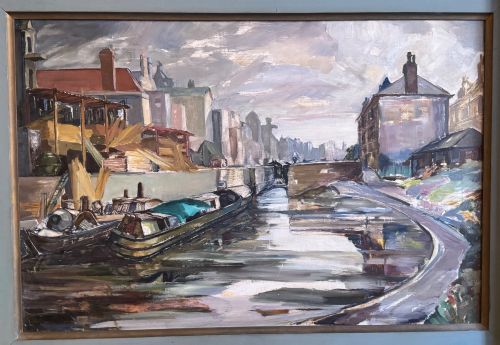
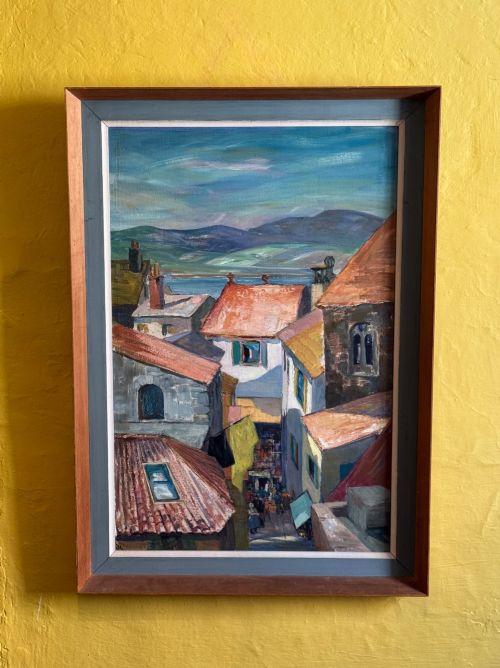
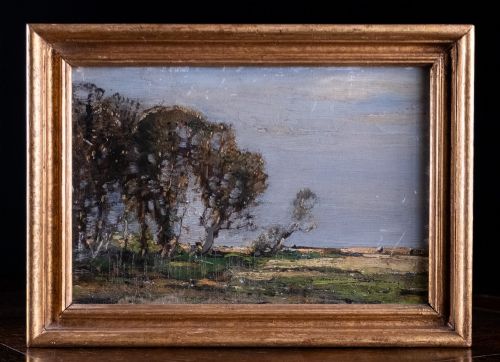
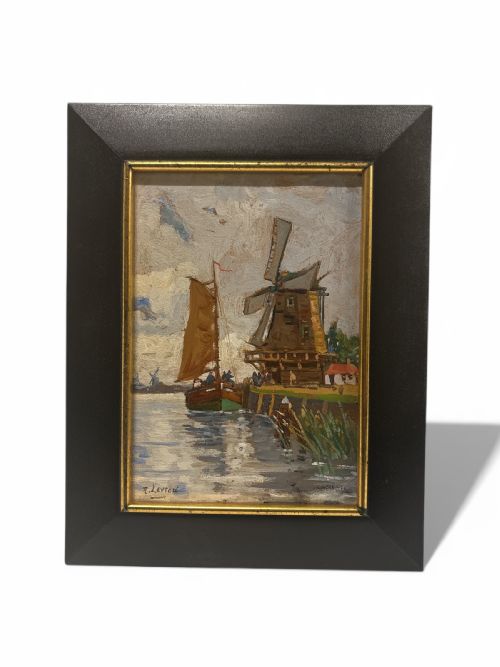
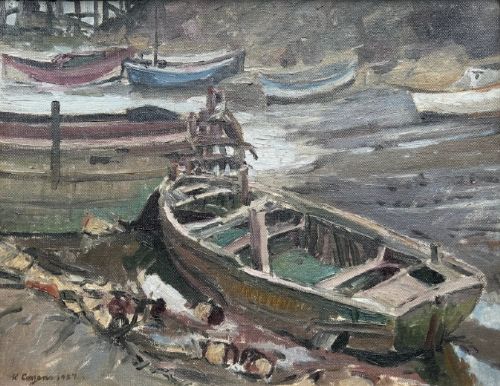
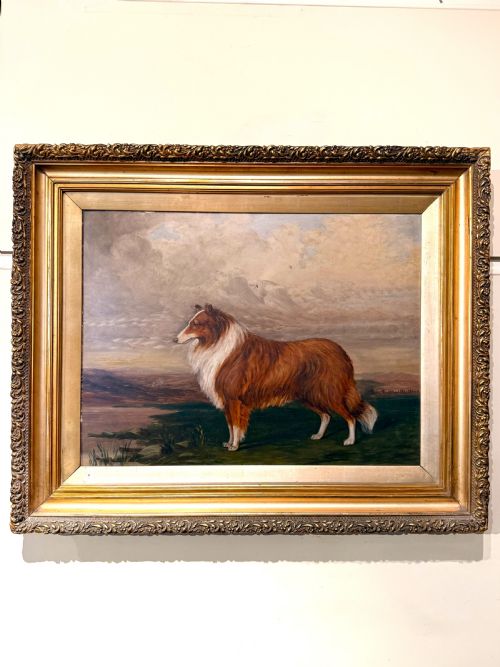
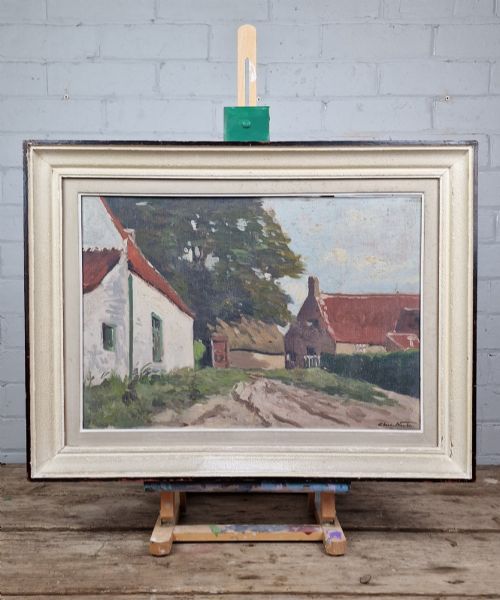
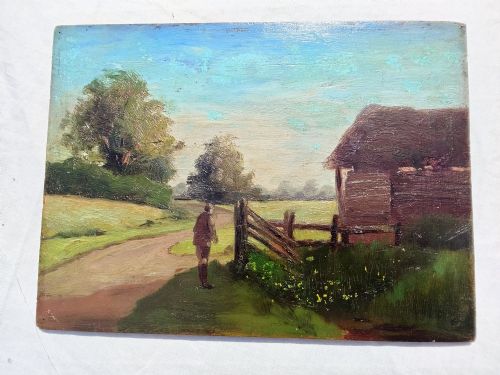
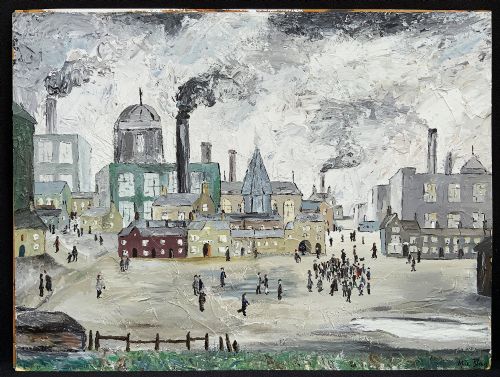
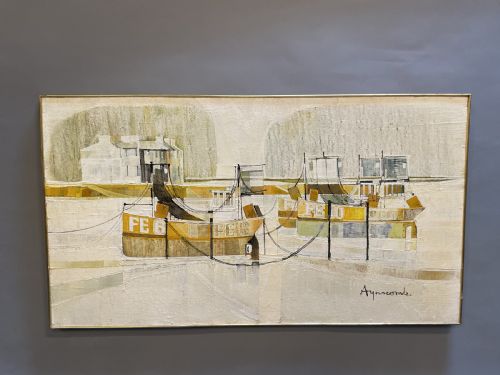
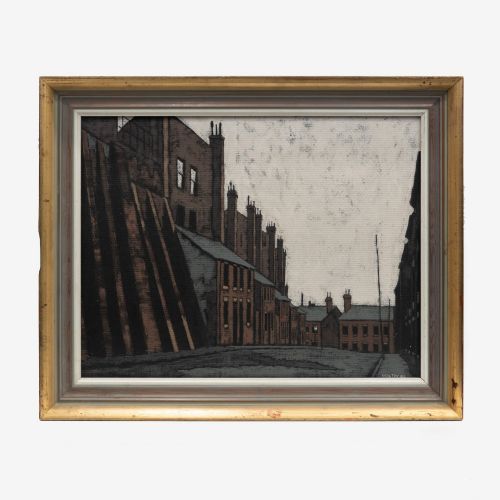
These vintage landscape painting board works capture rural and industrial scenes with immediate, textured brushwork that brings authentic character to any room.
Vintage Landscape Painting Board
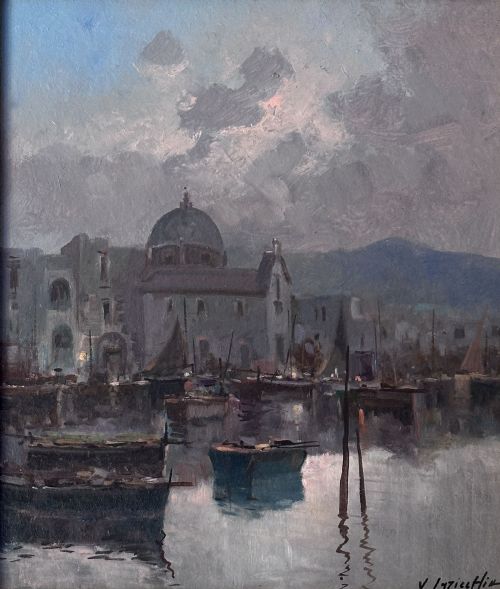
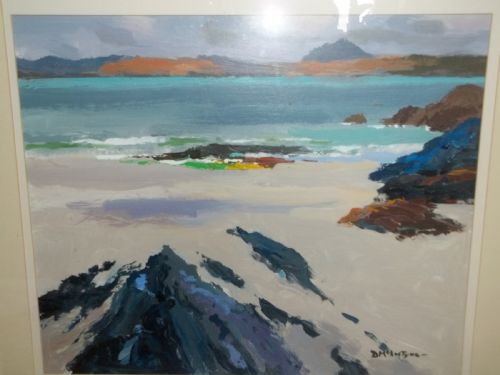
A vintage landscape painting board offers a direct window into past countryside, coastal, and urban views executed on rigid supports rather than stretched fabric. Buyers frequently encounter mid-20th-century British works alongside earlier Victorian and Edwardian examples depicting regional fields, harbours, and towns.
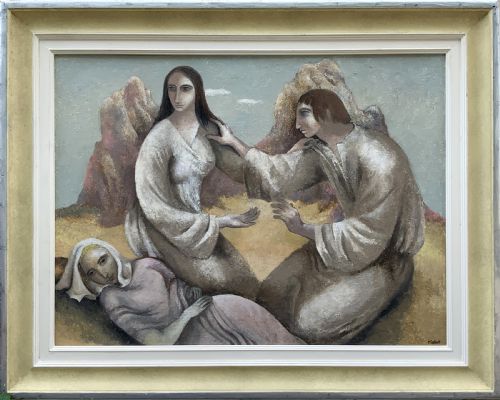
The selections range from naive folk art and impressionistic studies to industrial northern townscapes and quiet pastoral scenes. Artists favoured board for its stability, allowing for plein air sketching on location and rapid application of paint.
These works provide an accessible entry point into collecting period art, carrying the distinct touch of the maker from the moment of creation.
How They Were Made
Painters utilised oil paint applied directly to wooden panels, prepared boards, or canvas laid onto board for structural rigidity. The absorbent or sealed surface held rich pigments and allowed artists to build up tactile layers.
Impasto techniques built up thick, raised brushstrokes that caught the light, while other pieces relied on thin glazes to show the grain of the wood underneath. Many surviving works retain their original gilt or wooden frames which were selected to complement the composition.
Vintage Landscape Painting Board Retail Price Guide 2026
Typical asking prices for vintage landscape painting board among the pieces listed under this phrase on Sellingantiques today, from the lower quarter to the upper quarter. They describe what is for sale here now, not the wider market.
Listings feature works spanning the 19th century through the 1960s, executed in oil on wood, panel, and board.
What Varies in Quality
Quality rests upon the confidence of the brushwork and the artist's ability to capture atmospheric light and spatial depth within a confined format. Superior examples display a assured handling of tone and colour that breathes life into the scene.
The strength of the composition and the preservation of the paint surface distinguish finer gallery pieces from casual amateur sketches.
Kershaw Schofield·Charles Houben·Stuart Walton·Florence Adelina Hess·Philip Rideout·Joan Gillchrest·James Fry·William JB Jenkins
The Vintage Landscape Painting Board Glossary
- Board
- A rigid flat support made of wood, panel, or compressed material used instead of a stretched canvas. Artists often preferred its solid resistance for working outdoors.
- Impasto
- Paint applied thickly to a surface, standing out in relief from the plane. This technique adds tactile dimension and visible brush texture to foliage, water, or clouds.
- Plein Air
- Painting executed out of doors to capture direct observations of natural light and weather. The method demands speed and decisiveness from the artist.
- British Impressionism
- A late 19th and early 20th-century painting style focusing on everyday subjects and light effects with loose brushwork. It marked a departure from rigid academic studio traditions.
Vintage Landscape Painting Board: Frequently Asked Questions
How do I clean an oil painting on board?
Dust the surface gently with a soft, dry brush to remove loose particles without disturbing the pigment. Avoid using water, household cleaners, or solvents on the paint layer.
Professional conservation is recommended for any deeper cleaning or removal of accumulated grime to protect the integrity of the board and paint.
Why did artists paint on board instead of canvas?
Boards provided a sturdy, ready-to-use surface that did not require stretching and resisted punctures during travel. This made them ideal for outdoor sketching and rapid painting sessions.
Many painters also appreciated the smooth or subtly textured resistance that wood and panel offered compared to woven fabric.
How should I frame a vintage painting board?
Select a frame that allows the board to breathe while providing secure edge support without pinching the panel. Traditional wood or gilt frames complement the period aesthetic of these works.
Ensure proper backing materials are used to prevent moisture trapping and warping of the wooden support over time.
Where should I hang these paintings at home?
Hang paintings away from direct sunlight, high humidity, and extreme temperature fluctuations such as active radiators or fireplaces. Stable indoor environments prevent warping of the board and cracking of the oil paint.
Position the work at eye level where adequate ambient light can illuminate the brushwork and texture of the scene.