


Vintage Landscape Drawing
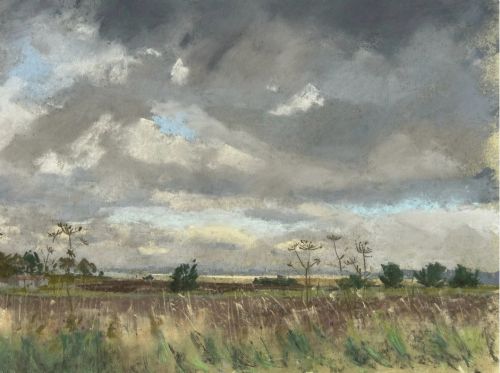
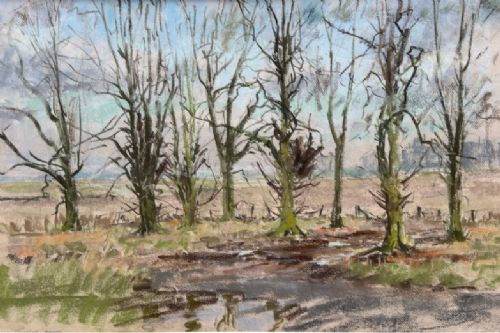
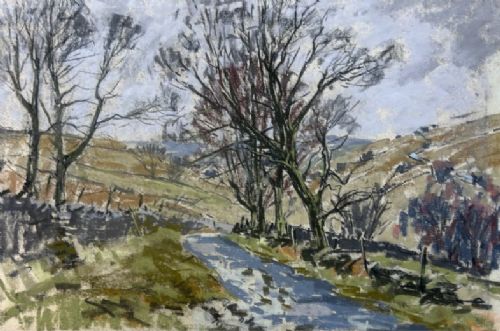
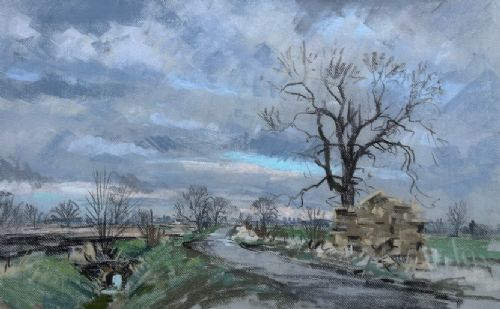
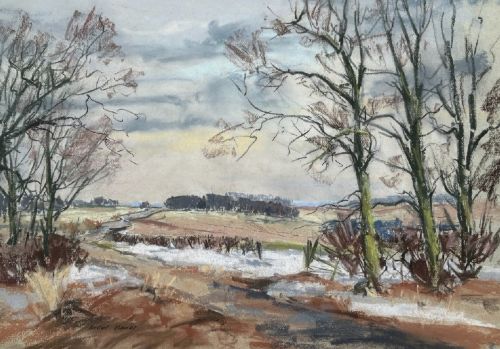
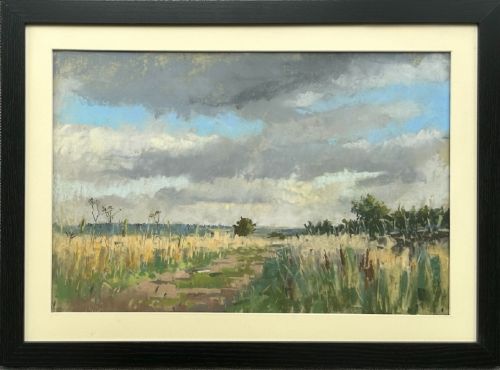
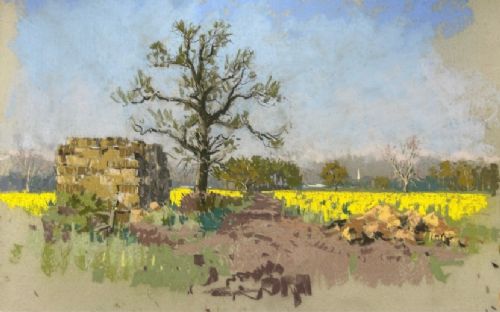
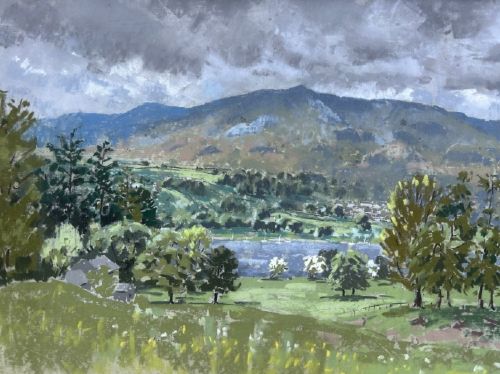
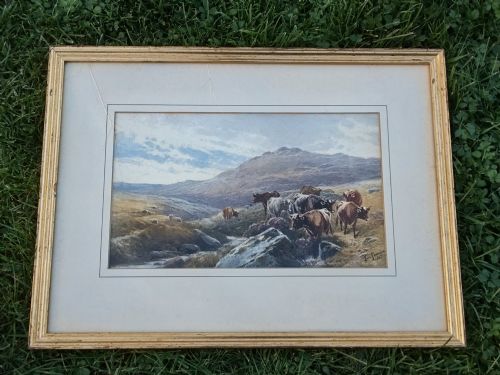
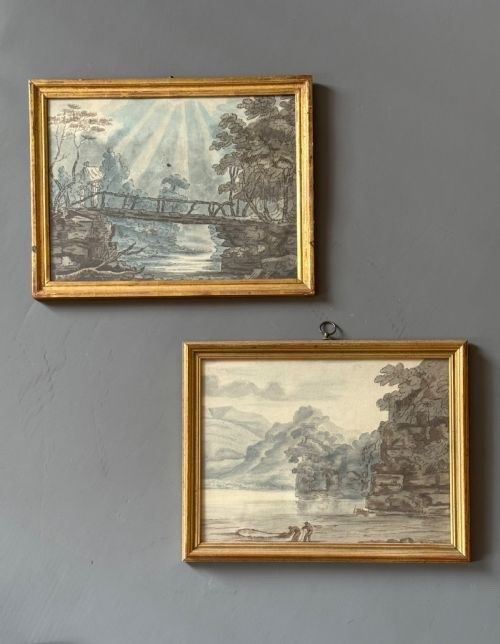
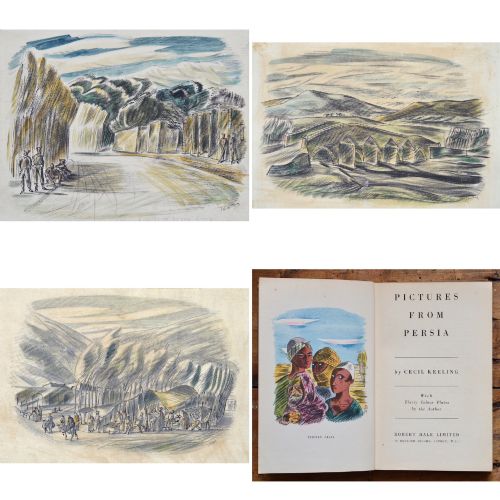
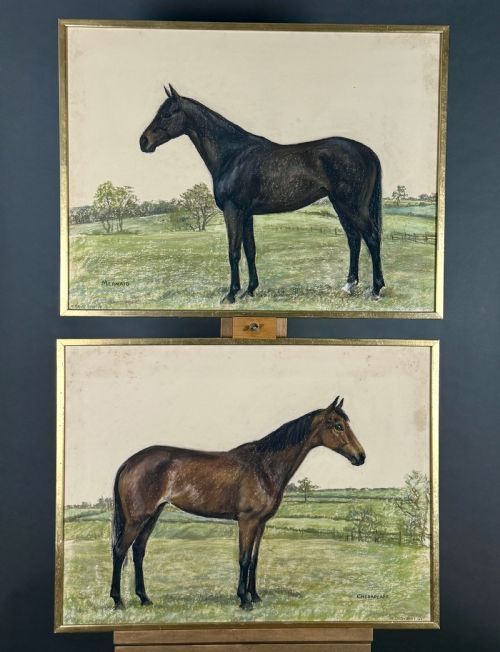
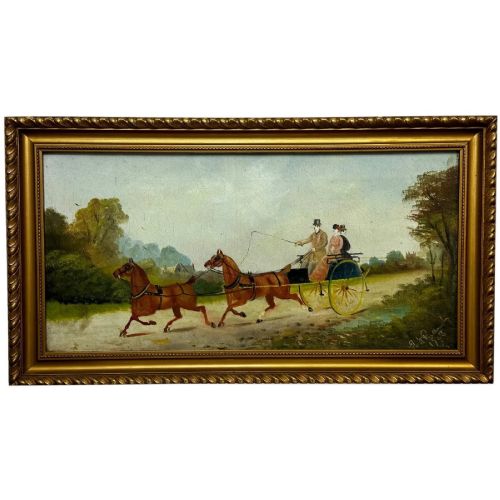
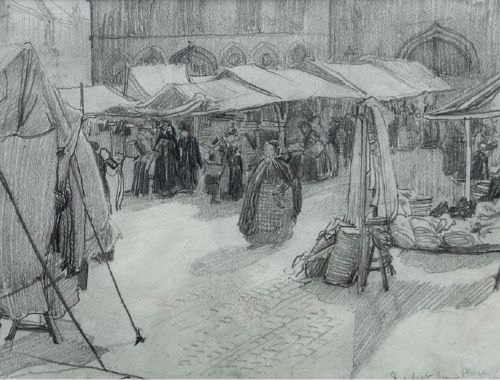
When you search for a vintage landscape drawing, you uncover framed original works on paper capturing scenery through pencil, pastel, and ink across various decades.
Vintage Landscape Drawing
A vintage landscape drawing presents framed paper works executed in pencil, pastel, ink, and watercolour spanning from the late nineteenth century into the mid-twentieth century.
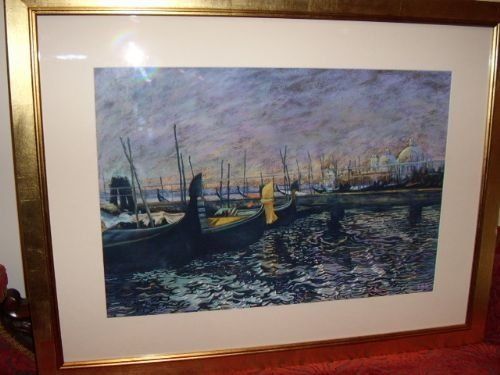
The pieces on this page lean heavily towards British and European scenery, ranging from pastoral views and rural valleys to urban street scenes rendered by named artists and regional schools.
Buyers will encounter original sketches, finished watercolours, and mixed media compositions preserved behind glass in period timber frames.
How They Were Made
Artists relied primarily on paper supports, applying ink, graphite pencil, soft pastel, or watercolour washes to build depth and atmospheric tone.
Many works combine mediums, pairing pen and ink outlines with transparent watercolour washes or charcoal smudged for shadow and texture.
Finished drawings are typically mounted behind glass and housed in wooden frames, sometimes featuring burr wood veneers or moulded profiles characteristic of their period.
Vintage Landscape Drawing Retail Price Guide 2026
Typical asking prices for vintage landscape drawing among the pieces listed under this phrase on Sellingantiques today, from the lower quarter to the upper quarter. They describe what is for sale here now, not the wider market.
Listings feature paper supports combined with ink, watercolour, pastel, and pencil across the nineteenth and twentieth centuries.
What Varies in Quality
Quality rests upon the sureness of the hand and the economy of line, distinguishing hurried sketches from fully resolved compositions with considered perspective.
The preservation of the paper support and the vibrancy of the original pigments, whether delicate watercolours or heavily worked pastels, dictate the visual impact of the piece.
The integrity of the framing, particularly original period surrounds that complement the aesthetic of the drawing, adds considerable contextual value.
Angus Rands·Thomas Rowden·Philip H Rideout·Cecil Keeling·Henry Percy Huggill·Alfred Young Nutt·Robert Leslie Howey·Fred Lawson·Henry de Waroquier·William Greaves·William Manners·Charles James Lauder·John Hobson Nicholson·Edward Dayes·J W Hogley·Samuel Henry Alken·Eduard Leon Cortes·Berthe des Clayes
The Vintage Landscape Drawing Glossary
- Works on paper
- A classification encompassing drawings, watercolours, prints, and pastel studies executed on a paper support. These pieces generally require protection behind glass to prevent environmental damage.
- Pastel
- A dry drawing medium consisting of powdered pigment and a binder, producing velvety colour fields. It demands careful glazing to avoid disturbing the loose particles.
- Wash
- A diluted layer of watercolour or ink applied broadly across paper to create smooth background tones or skies. Controlled washes require a steady hand and absorbent paper.
- Provenance
- The documented history of ownership and origin of an artwork. Clear provenance links a drawing to a specific artist, exhibition, or collection.
Vintage Landscape Drawing: Frequently Asked Questions
How should I hang a vintage drawing?
Position the framed drawing away from direct sunlight to protect vulnerable watercolours and pastels from fading over time. Use appropriate picture hooks secured firmly into wall studs to support the weight of the timber frame and glass.
Maintain stable indoor humidity levels in the room to prevent warping of the wooden frame and degradation of the paper support behind the glass.
Are these drawings original works?
The selection includes genuine hand-drawn pieces executed directly by the artist using pencil, ink, pastel, or watercolour. Each piece represents a singular creation rather than a modern mass-produced reproduction.
Signatures, artist attributions, and period framing details help distinguish these original works from later prints and copies.
How do I identify the period of a drawing?
Examine the framing materials, backing boards, and any handwritten inscriptions or gallery labels attached to the reverse of the work. Early framing methods and aged paper characteristics offer reliable clues to the decade of creation.
Stylistic conventions, clothing styles in figurative elements, and subject matter also point towards specific artistic movements from the nineteenth and twentieth centuries.
What is mixed media in art?
Mixed media refers to an artwork created using more than one distinct medium or material on the support surface. Examples include combining pen and ink line work with watercolour washes or pastel highlights.
This technique allows artists to exploit the unique visual properties of different materials within a single composition for enhanced texture and contrast.