

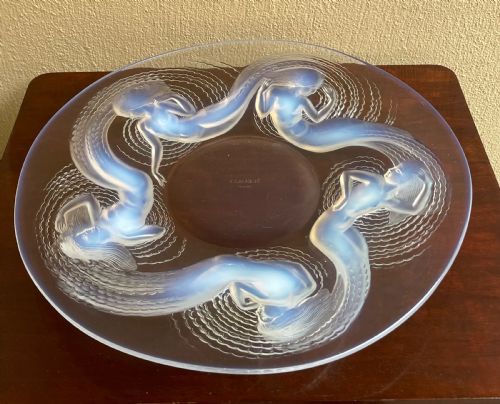


Vintage Lalique Plate
These vintage lalique plate pieces bring Art Deco opulence to any room, offering heavy moulded glass and striking relief work.
Vintage Lalique Plate
When you search for a vintage lalique plate, you encounter heavy press-moulded and blown glass vessels created during the early twentieth century. These pieces encompass decorative plates, chargers, and shallow bowls designed with botanical and aquatic motifs.
The items span the Art Deco and Art Nouveau periods, showcasing the characteristic French design of the era. Most examples rely on opalescent effects or contrast staining to highlight the intricate moulded relief.
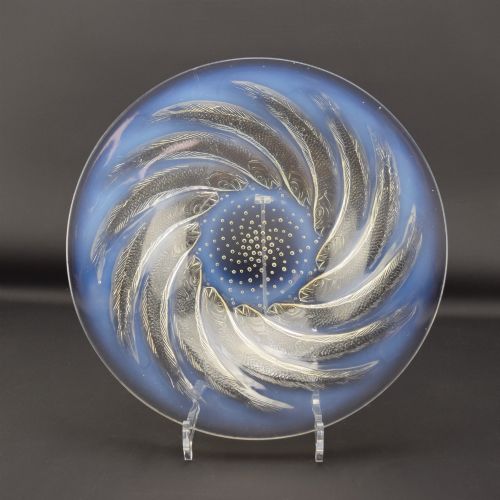
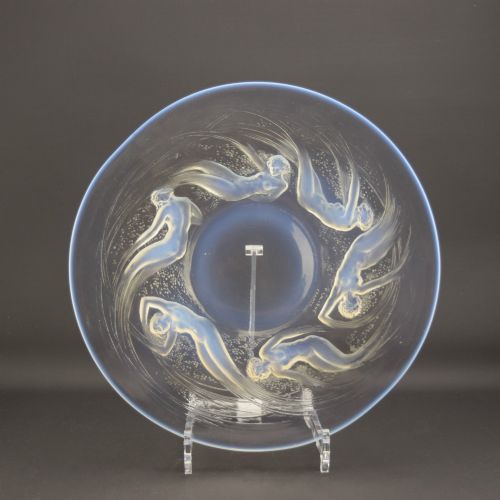
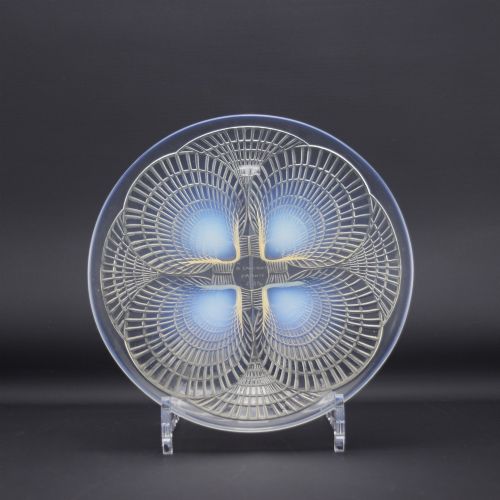
Collectors frequently find named patterns such as Poissons, Coquilles, and Ondines among the available selection. These forms range from small side dishes to large display chargers.
How they were made
Makers utilised hot glass pressed into metal moulds to form the thick walls and deep relief characteristic of these vessels. This technique allowed for precise repetition of complex flora and fauna designs.
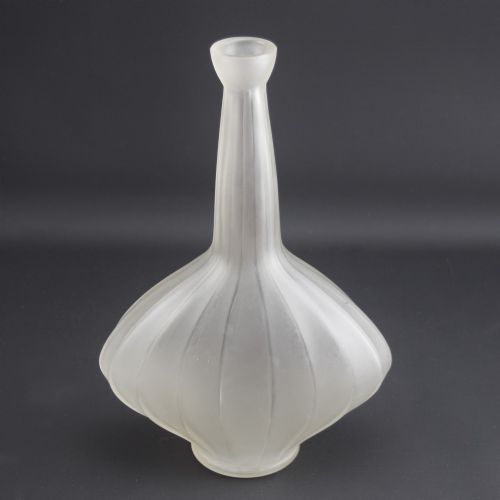
Workers applied surface treatments including opalescent effects, sepia staining, and frosted finishes to accentuate the raised details. These chemical and physical treatments created depth within the clear and translucent material.
Fish swimming in concentric circles proved exceptionally popular for French dining tables during the interwar years.
What varies in quality
The strength and clarity of the opalescence distinguish finer examples from standard production pieces. Superior items display a vivid blue glow when lit from the front and a warm amber tone against the light.
The crispness of the moulded detail determines the overall success of the piece. Sharp separation between the frosted motifs and the clear ground indicates a well-maintained metal mould.
Rene Lalique·Verlys
The Vintage Lalique Plate Glossary
- Opalescent Glass
- Glass that milky-blue appearance which shifts to amber when viewed against transmitted light. This effect results from the controlled cooling and reheating of the chemical composition.
- Frosted Glass
- A matte surface finish achieved by acid-etching or sandblasting the glass body. This treatment diffuses light and highlights the raised relief of the design.
- Sepia Stain
- A dark brownish pigment applied into the recessed areas of the moulded glass pattern. This pigment creates contrast and defines the intricate lines of the subject.
- Moulded Glass
- Glass formed by pressing molten material into an iron or bronze matrix. This process produces thick-walled objects with high-relief decoration on the surface.
Vintage Lalique Plate: Frequently Asked Questions
How do I clean my vintage lalique plate?
Wash the glass by hand in warm water using a mild liquid detergent. Avoid abrasive sponges or harsh chemicals that might damage the surface finish.
Dry the piece immediately with a soft lint-free cloth to prevent water spots from forming on the textured areas.
Can I use these plates for food?
Most antique decorative glass pieces are intended for display rather than daily dining. The soft surfaces and stained finishes can scratch or stain easily with cutlery.
Utilise them as decorative centerpieces or mount them securely on display stands instead.
What causes the opalescent glow?
Manufacturers added bone ash or other optical agents to the molten batch during production. These agents caused light to scatter unevenly through the glass structure.
Different cooling rates during the pressing process controlled the intensity of the blue and amber tones.
How do I date an early glass plate?
Examine the signature method stamped or engraved into the base of the object. Stylistic shifts between Art Nouveau curves and geometric Art Deco patterns also indicate the production era.
Compare the specific motif name against known factory catalogues from the early twentieth century.