




Vintage Lalique Mascot
These vintage lalique mascot pieces combine Art Deco motor ornamentation with brilliant glasswork, offering tactile animal and figure forms that collectors prize.
Vintage Lalique Mascot
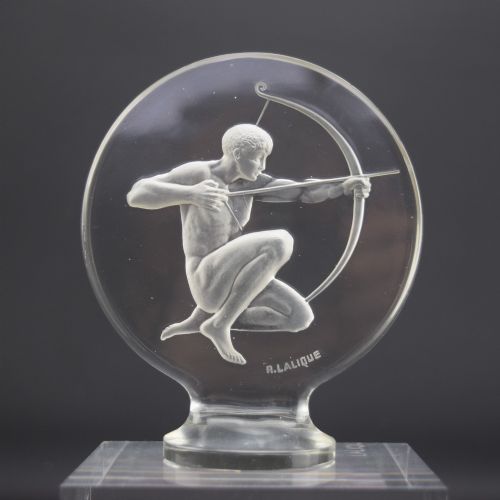
A vintage lalique mascot serves as a sculptural hood ornament or a decorative desk paperweight, originating predominantly from the nineteen-twenties and nineteen-thirties. These pieces take the form of birds, fish, animals, and mythological figures designed to mount upon motor vehicles or sit flat upon a surface.
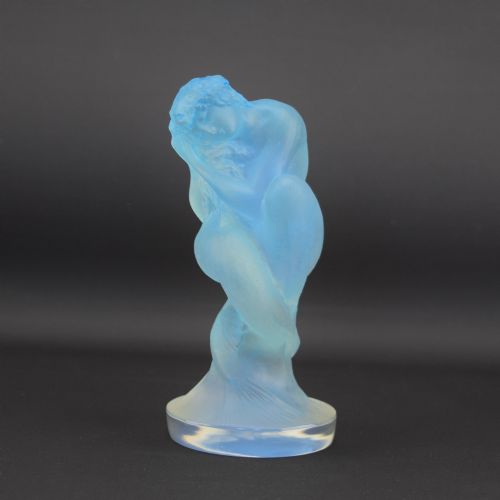
The version most commonly met on this page is the car mascot, which doubles in several instances as a paperweight. Examples span avian and aquatic subjects such as eagles, peacocks, herons, cockerels, perch, and boars, alongside classical or mythical female forms.
The period of production anchors firmly in the interwar Art Deco era, capturing speed and naturalism in moulded glass. Collectors encounter these objects both as standalone decorative glass objects and as automotive accessories from specific years across the decades.
How vintage lalique mascot pieces were made
Makers utilise frosted, moulded, clear, and opalescent glass, alongside pressed glass and moulded crystal, to achieve contrasting textures and light diffusion within a single piece. The manufacturing process relies on pressing molten material into metal moulds to capture intricate feather, scale, and facial detail.
Post-moulding techniques involve acid-etching or surface staining to create the characteristic frosted appearance that contrasts sharply with polished or clear sections. Opalescent glass variants play with ambient light, shifting between milky-blue and warm amber tones depending on the angle of illumination.
Vintage Lalique Mascot Retail Price Guide 2026
Typical asking prices for vintage lalique mascot among the pieces listed under this phrase on Sellingantiques today, from the lower quarter to the upper quarter. They describe what is for sale here now, not the wider market.
Materials recorded across these listings include frosted, moulded, clear, and opalescent glass, alongside pressed glass and crystal.
What varies in quality
Surface finish and the contrast between frosted and clear zones dictate the visual depth of the object, distinguishing masterworks from standard production runs. The weight and purity of the glass mass also contribute to the tactile solidity expected from this tier of decorative art.
Rene Lalique
The Vintage Lalique Mascot Glossary
- Opalescent Glass
- Glass that diffuses light to display a milky-blue hue when viewed by reflected light and a warm amber or orange tone by transmitted light. This optical effect adds depth to animal forms and figures.
- Frosted Glass
- Glass treated by acid-etching or sandblasting to create a matte, textured surface finish that diffuses light. It creates contrast against polished or clear sections.
- Moulded Glass
- Glass formed by pressing molten material into a metal or bipartite mould to create three-dimensional shapes and relief details. It allows for consistent production of complex figural designs.
- Car Mascot
- A sculptural ornament mounted on the radiator cap of a motor vehicle during the early twentieth century. Many double as desk paperweights when removed from their automotive mounts.
Vintage Lalique Mascot: Frequently Asked Questions
What are vintage lalique mascot pieces made of?
These pieces consist of moulded, pressed, frosted, clear, opalescent glass and crystal.
The specific choice of glass type alters how light passes through the sculpture, accentuating the carved details.
Were these items used on cars?
Drivers mounted these figural glass sculptures onto the radiator caps of motor vehicles during the nineteen-twenties and thirties.
Many examples double functionally as desktop paperweights once removed from their automotive mountings.
How do I date a vintage lalique mascot?
Dating relies on recorded production years associated with specific animal and figural designs from the interwar period.
The materials and stylistic markers correspond directly to Art Deco manufacturing methods of that era.
How should I display these glass objects?
Placement near a natural light source allows opalescent and frosted glass to catch and refract light effectively.
Flat surfaces such as desks or display shelves suit pieces that function as paperweights.