



Vintage Lake Landscape Art
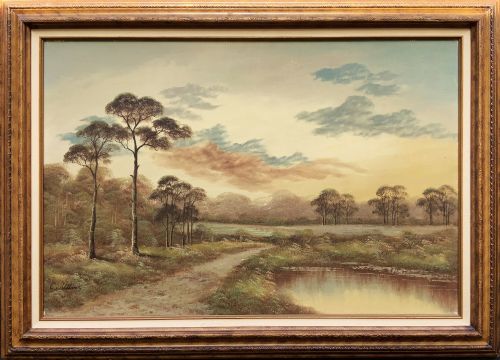
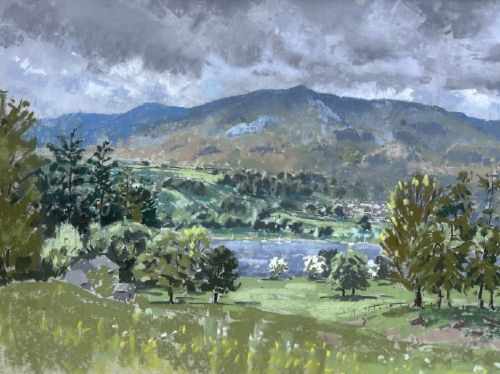
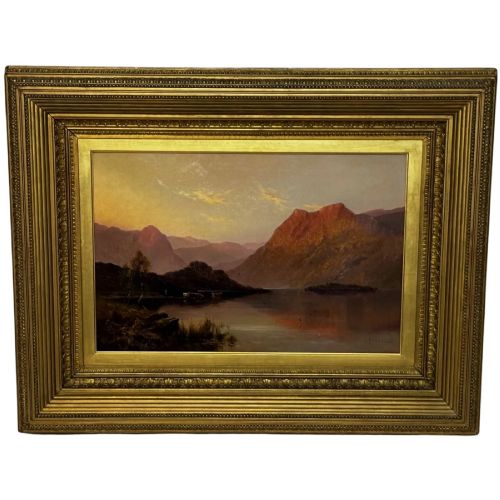
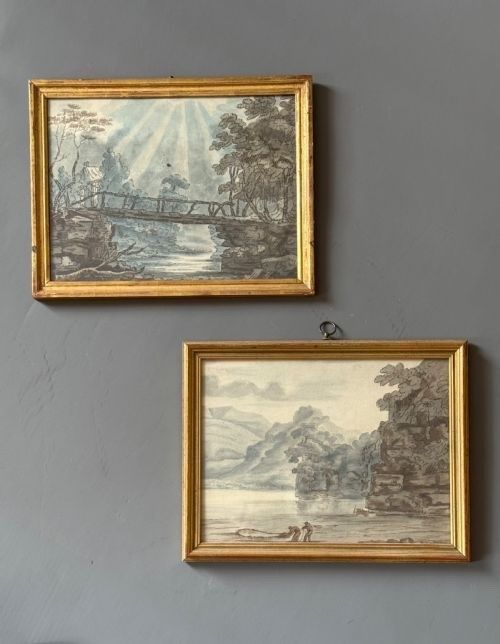
Vintage lake landscape art captures tranquil waters and shoreline scenery across various historic periods and painterly mediums.
Vintage Lake Landscape Art
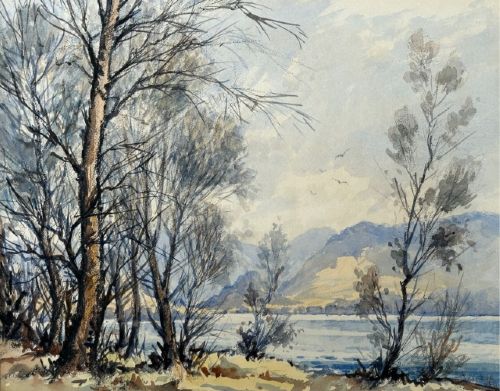
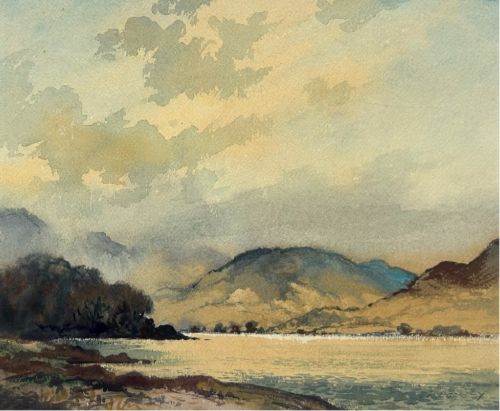
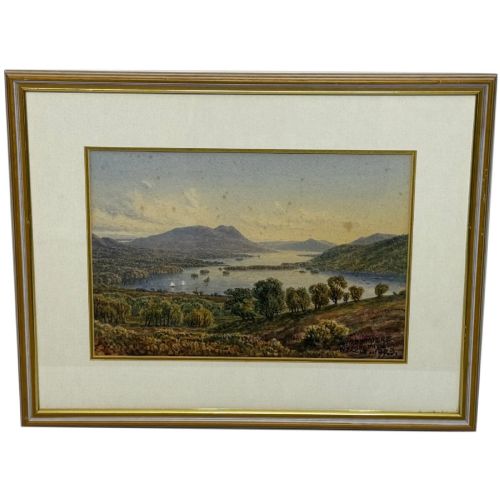
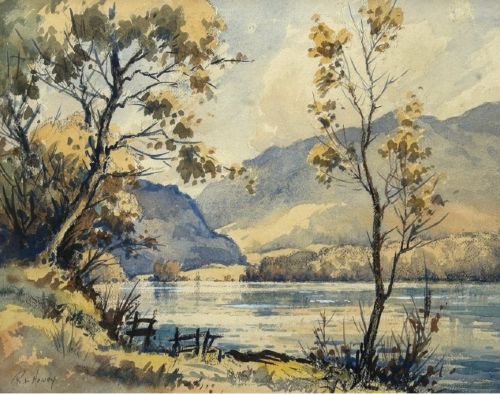
When you search for vintage lake landscape art, you encounter a diverse selection of regional views, topographical studies, and impressionistic water scenes.
The pieces on this page span from the nineteenth century through the mid-twentieth century, featuring domestic English lake districts alongside continental European vistas.
You will regularly find original watercolours and oil paintings rendered on canvas, paper, or board, depicting watersides from Cumberland to the Alps.
Materials and Techniques
Artists relied primarily on oil paint applied to canvas or wood panels, alongside watercolours and gouache executed on heavy paper stocks.
Supporting elements include gilt gesso frames, glass glazing for works on paper, and occasionally ink or charcoal for preliminary sketches.
Brushwork ranges from tightly controlled topographical detail to looser impasto and impressionist strokes that capture shifting light on water.
Vintage Lake Landscape Art Retail Price Guide 2026
Typical asking prices for vintage lake landscape art among the pieces listed under this phrase on Sellingantiques today, from the lower quarter to the upper quarter. They describe what is for sale here now, not the wider market.
Several lake scenes preserve the tranquil presence of wandering geese and ice skaters gliding across frozen Dutch waters.
Assessing Quality
Quality rests upon the artist's ability to render atmospheric depth, convincing light effects on water, and balanced spatial composition.
Stronger examples display confident handling of medium, whether through transparent watercolour washes or rich, layered oil pigments.
The integrity of the original framing and the preservation of the painted surface significantly influence the overall standing of an artwork.
Alfred Fontville de Breanski Jr·Robert Leslie Howey·Helen Layfield Bradley·Gabriel Dauchot·Frank Hider·Claude Muncaster·Antoine Bouvard
The Vintage Lake Landscape Art Glossary
- Impressionism
- A nineteenth-century art movement characterised by relatively small, thin, yet visible brush strokes and an emphasis on accurate depiction of light. This style appears frequently in depictions of sunlit lakes and shores.
- Gouache
- An opaque water-based paint that provides solid, flat areas of colour and allows for highlights in landscape works. It is often found on vintage paper supports.
- Impasto
- The process of laying down paint thickly on an area of the surface, so that it stands out from it. Artists utilise this technique to render textured water lilies or rocky foregrounds.
- Gesso
- A paint mixture consisting of a neutral binder mixed with chalk, pigment, or gypsum, used to prepare wood or canvas substrates. It often forms the ornate base of historical picture frames.
Vintage Lake Landscape Art: Frequently Asked Questions
What subjects appear in vintage lake art?
These works typically depict natural bodies of water, including English tarns, Scottish lochs, continental lakes, and alpine reflections.
Scenes frequently incorporate surrounding mountains, wooded shores, skiffs, bridges, and architectural elements such as pavilions or lakeside cottages.
How should I hang these artworks?
Oil paintings on canvas generally hang unframed by glass, allowing the texture of the pigment and canvas to remain visible in ambient room light.
Watercolours and works on paper require framing behind glass with appropriate mounts to protect the delicate media from humidity and direct sunlight.
Are these pieces original works?
The selection comprises unique hand-painted items, including original oils, watercolours, gouache studies, and ink drawings created by individual artists.
Printed reproductions are clearly identified as architectural prints or drawings rather than unique painted canvases.
How can I tell the period of a painting?
Dating relies on stylistic clues, including the Impressionist or Edwardian approach of the brushwork, alongside framing methods and artist signatures.
Many pieces carry specific dates or reflect the distinct topographical documentation typical of nineteenth and mid-twentieth century landscape traditions.