

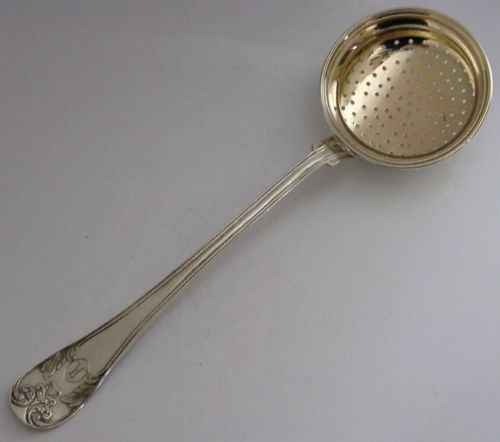
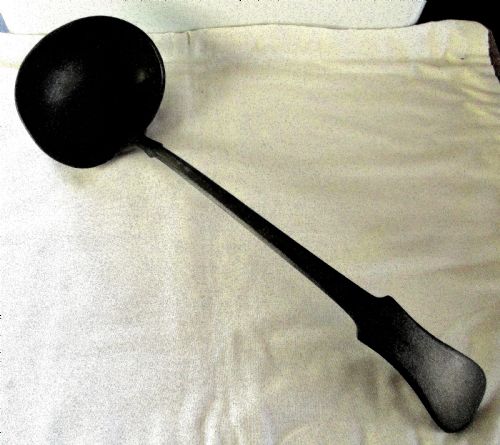
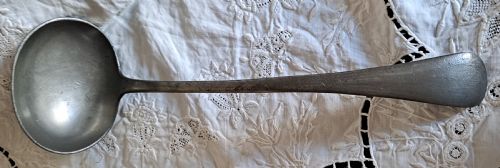
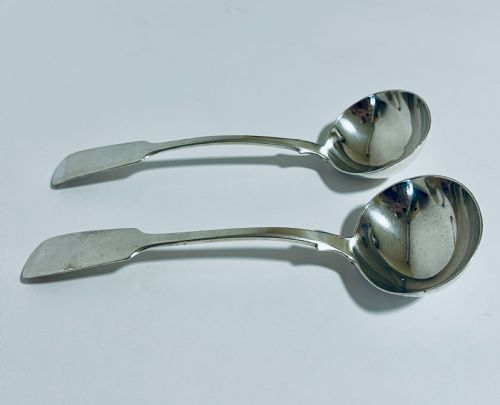


Vintage Ladle
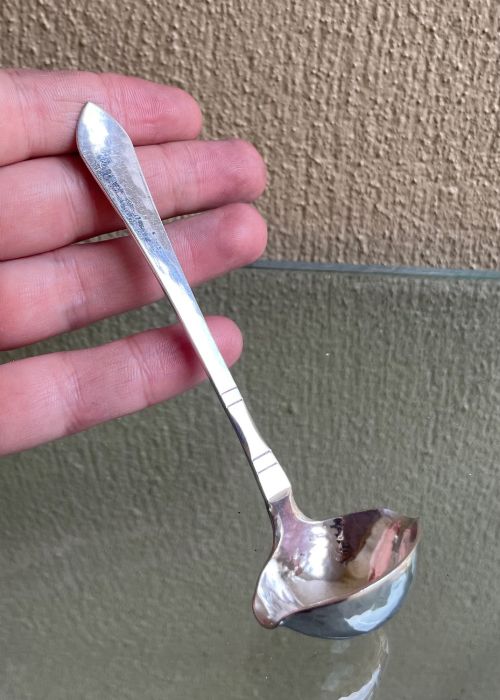
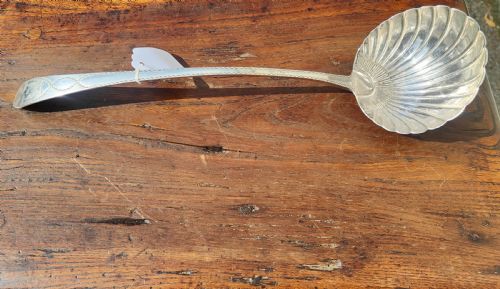
A vintage ladle bridges the gap between utilitarian kitchen duty and fine silver service, offering practical service with notable historical character.
Vintage Ladle
When you search for a vintage ladle, you encounter implements designed for serving soup, punch, sauce, or toddy, originating from periods spanning the eighteenth century through the early twentieth century.
The selections on this page draw from domestic dining rooms, country kitchens, and formal silver services, reflecting both utilitarian everyday tasks and ceremonial dining.
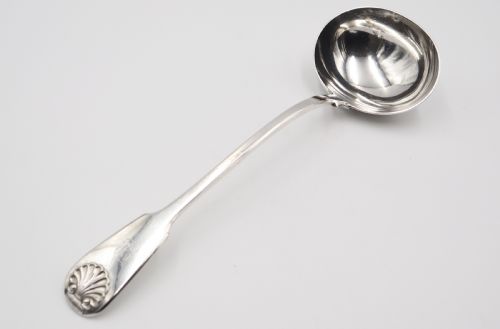
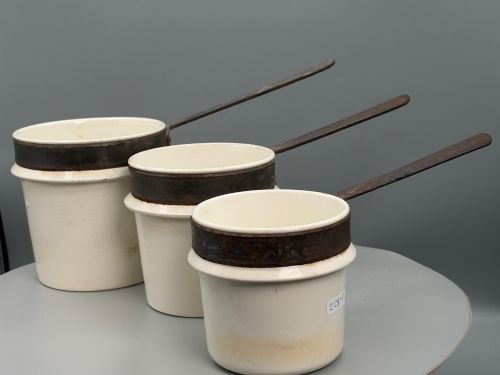
Most examples you meet here take the form of silver soup and sauce ladles, alongside wooden treen and brass kitchen utensils.
Materials and construction
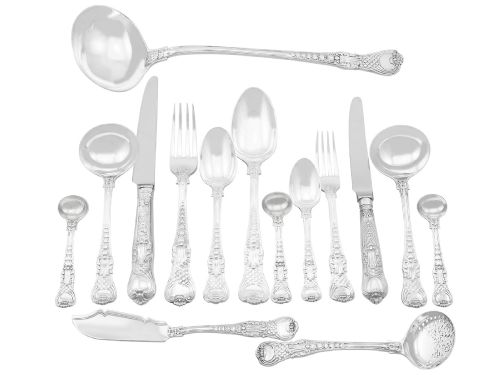
Makers shaped these pieces from sterling silver, solid silver, and silver plate, hammering or casting metal bowls and handles to withstand heavy service.
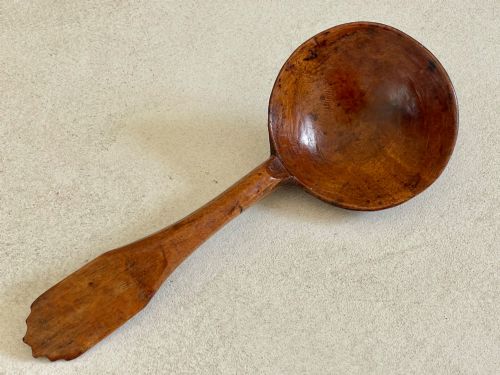
Wooden examples rely on native hardwoods such as sycamore, beech, and cherry, carved by hand into treen scoops, spoons, and ladles.
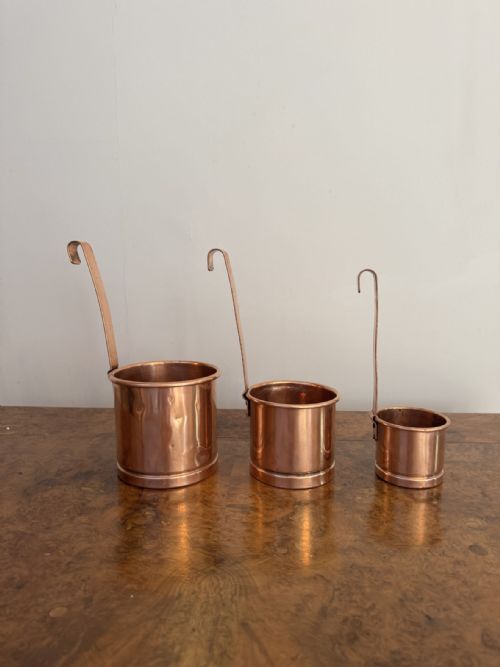
Alternative materials include brass, copper, pewter, earthenware, and coquilla nut, often paired with organic additions like antler or iron bands.
Vintage Ladle Retail Price Guide 2026
Typical asking prices for vintage ladle among the pieces listed under this phrase on Sellingantiques today, from the lower quarter to the upper quarter. They describe what is for sale here now, not the wider market.
Separating everyday utility from finer work
Quality rests in the balance of the implement, where a well-wrought silver bowl joins a secure handle with clean lines and correct proportion.
Artisanal execution distinguishes simple utilitarian treen from finely carved regional folk art, showing deliberate tool marks and careful shaping.
Maker marks, regional hallmarks, and crisp engraving elevate specific silver pieces above unmarked or plain domestic hardware.
Georg Jensen·John Yates·Dixon And Son·Mappin And Webb·Tiffany And Co
The Vintage Ladle Glossary
- Treen
- Small handmade wooden objects for domestic use. These pieces often display visible tool marks and warm patination from handling.
- Toddy ladle
- A small vessel used for serving warm mixed drinks. They frequently combine wooden or nut bowls with twisted whalebone or silver handles.
- Basting ladle
- A large utensil used in cooking to spoon juices over roasting meat. Examples appear in both sturdy metals and turned timber.
- Sifter spoon
- A perforated spoon designed for dusting sugar over food. These often feature decorative pierced patterns across the bowl.
- Alms dish
- A basin or bowl used for collecting charitable donations in churches. They appear in carved wood and metalwork.
Vintage Ladle: Frequently Asked Questions
What were vintage ladles used for?
These implements served various culinary and domestic tasks, ranging from transferring hot soup into bowls to ladling punch and toddy at the table.
Heavier brass and copper versions worked primarily in the kitchen for skimming cream or stirring large pots, while silver and treen variants moved to the dining room.
How do I care for wooden treen ladles?
Wooden pieces require gentle hand washing without soaking in water to preserve the natural grain and prevent splitting.
Applying a light coat of food-safe mineral oil periodically helps maintain the historic patina and protects the dry timber.
How can I tell a Georgian ladle apart from a Victorian one?
Georgian silver pieces often display simpler, cleaner lines with hallmarks that indicate late eighteenth or early nineteenth-century assay offices.
Victorian examples frequently introduce heavier ornamentation, varied decorative engraving, and distinct stylistic revivals associated with the later nineteenth century.
Can I use silver ladles for everyday dining?
Solid silver and silver-plated ladles remain entirely functional for serving modern meals, provided you wash them by hand.
Avoiding abrasive cleaners protects the historic silver surface while letting you enjoy these pieces as part of daily table service.