






Vintage Kutani Ceramics
Vintage kutani ceramics bring painted porcelain, gold leaf and figures to a room, offering the bold colour and detail collectors seek.
Vintage Kutani Ceramics
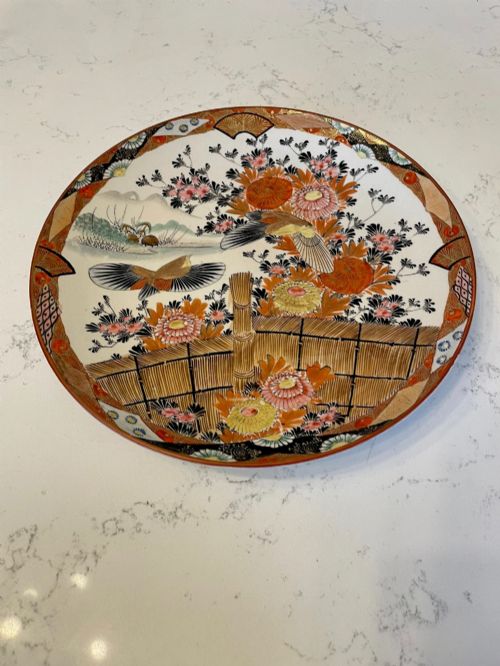
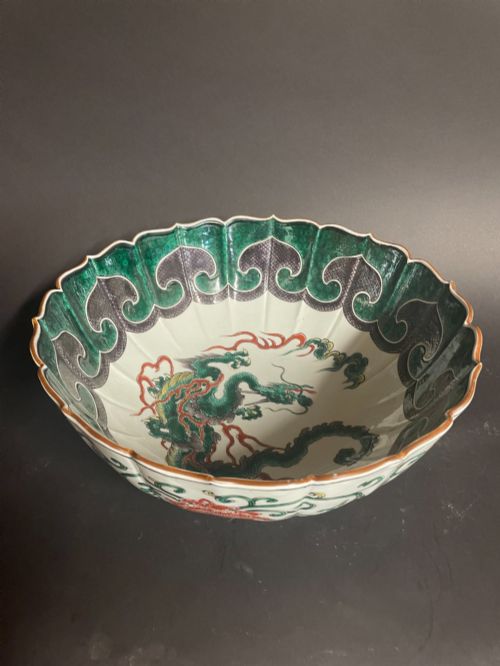
Vintage kutani ceramics encompass Japanese porcelain pieces ranging from the Edo period and Meiji period through to the Taisho period and Edwardian years. When searching for vintage kutani ceramics, buyers encounter vessels and figures shaped as vases, decorative bowls, plates, platters and lamps.
Plates and dishes appear both individually and in sets complete with storage boxes, alongside pairs of tall vases and fitted table lamps. These items reflect traditional Japanese styles alongside Shoza style decoration.
What varies in quality
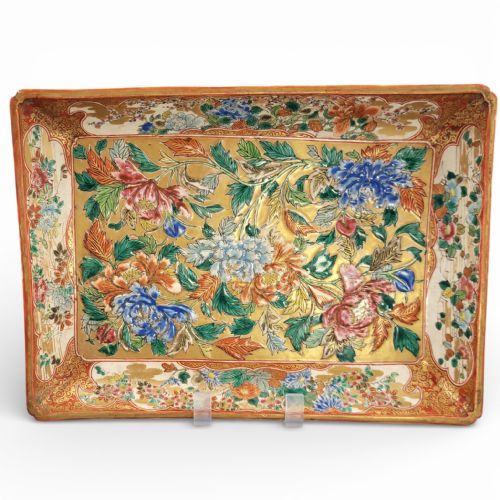
Quality rests in the precision of the hand painted details and the application of overglaze enamel and gold leaf across the porcelain surface. Finer examples display crisp control in geometric inset panels and complex figural depictions.
The sophistication of the moulded relief work and the balance of the composition distinguish superior items from standard production. Signed pieces and items retaining their original storage boxes carry additional distinction among collectors.
Vintage Kutani Ceramics Retail Price Guide 2026
Typical asking prices for vintage kutani ceramics among the pieces listed under this phrase on Sellingantiques today, from the lower quarter to the upper quarter. They describe what is for sale here now, not the wider market.
Current listings feature porcelain works from the seventeenth century, nineteenth century, nineteen hundred, Edwardian era and nineteen twenty.
Shozo·Shoza
The Vintage Kutani Ceramics Glossary
- Okimono
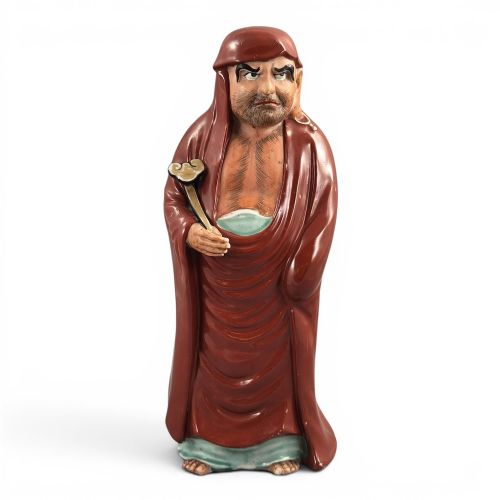
- A Japanese ornamental carving or figure designed for display on a shelf or tokonoma. These porcelain sculptures often depict figures such as Bodhidharma.
- Overglaze enamel
- A coloured glass decoration applied on top of the fired porcelain glaze and fixed with a lower temperature second firing. This technique provides the vibrant red and black tones seen on these ceramics.
- Meiji Period
- The era of Japanese history lasting from eighteen sixty-eight to nineteen twelve, characterised by significant artistic output. Many pieces on this page originate from this period.
- Shoza Style
- A decorative approach associated with Kutani ware that combines intricate overglaze painting with rich gold leaf. Named after the master artisan Shoza.
- Guanyin
- Also known as Kannon, the Goddess of Mercy in East Asian Buddhism. Figures depicting this deity appear among the sculptural ceramics.
Vintage Kutani Ceramics: Frequently Asked Questions
What are kutani ceramics?
Kutani ceramics are a traditional style of Japanese porcelain known for vibrant overglaze enamel colours and gold leaf decoration. They include functional vessels, decorative plates and sculptural figures.
Production spans multiple historical eras, with notable examples originating during the Meiji and Edo periods. Artisans decorated these pieces with hand painted motifs ranging from geometric panels to nature scenes.
How do I date a kutani piece?
Dating relies on stylistic markers, historical periods such as the Meiji or Taisho eras, and manufacturing techniques. Nineteenth-century examples often feature specific hand painted enamel palettes and traditional signatures.
Comparing the potting style, form and type of overglaze decoration helps place a piece within its historical timeframe. Storage boxes and signatures can also provide clues to a ceramic's age.
Were these ceramics used daily?
While plates and bowls served dining and functional purposes, many finely painted items were intended primarily for display. Vases, okimono figures and platters functioned as ornamental objects in traditional interiors.
Set pieces with storage boxes suggest they were valued possessions kept protected when not in use. Over time, some vases and plates have been adapted into table lamps.
What is Shoza style?
Shoza style is a distinct Kutani decorative method that integrates dense overglaze enamel painting with generous amounts of gold leaf. This approach creates a rich, textured surface across the porcelain.
It stands out for its complex composition and detailed figurative or floral work. Pieces in this tradition often showcase the technical skill of nineteenth-century Japanese porcelain painters.