


Vintage Kitchen Furniture
Vintage kitchen furniture brings sturdy utility and honest craftsmanship into domestic spaces through enduring tables, dressers, and seating.
Vintage Kitchen Furniture
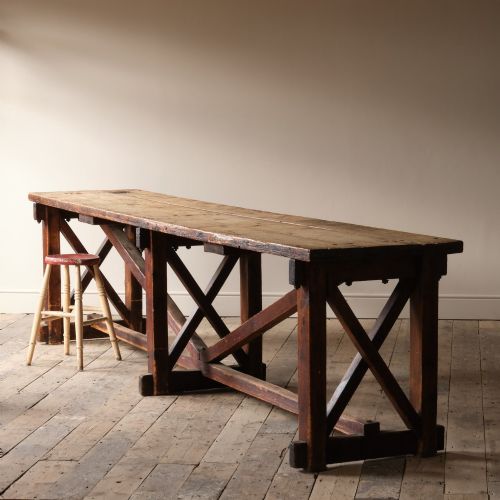
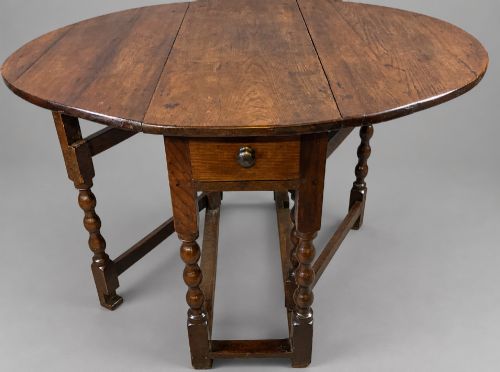
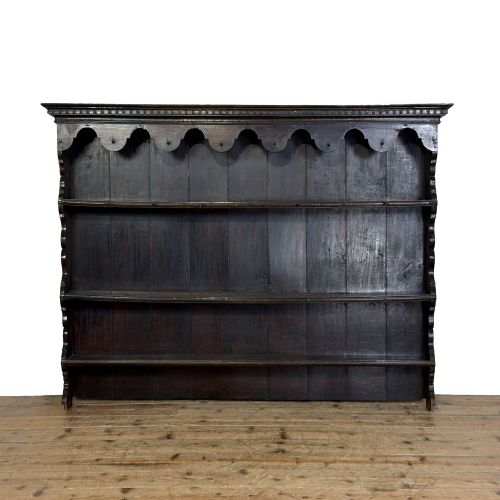
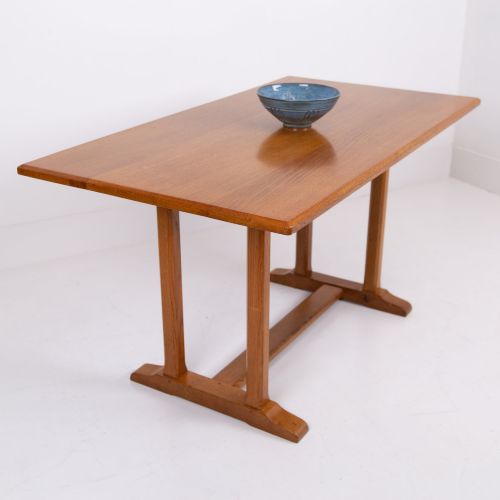
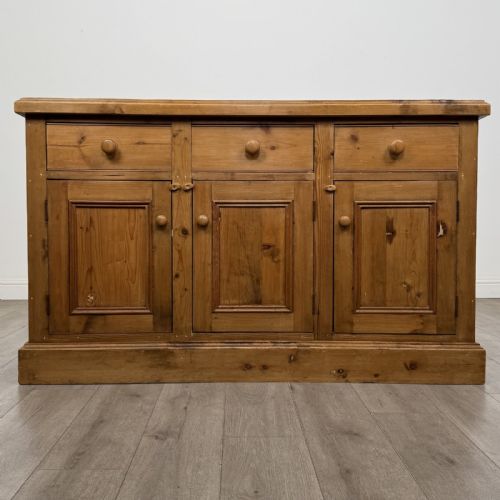
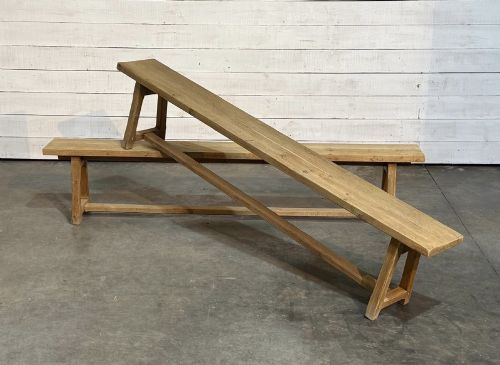
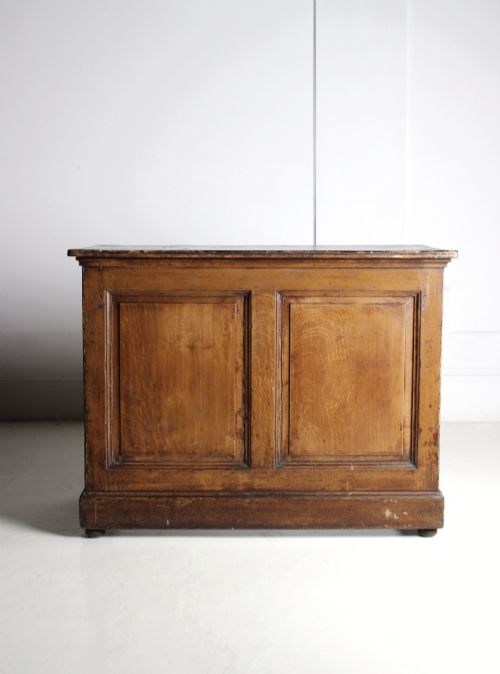
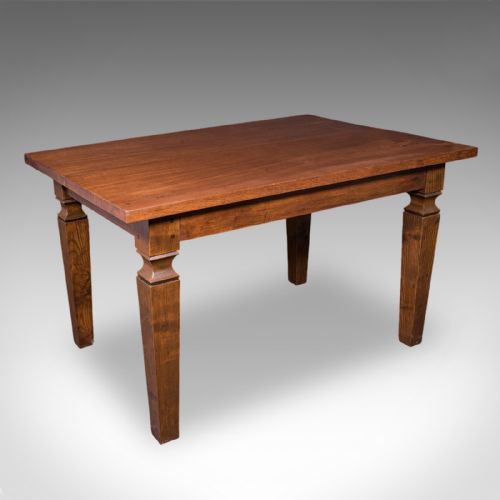
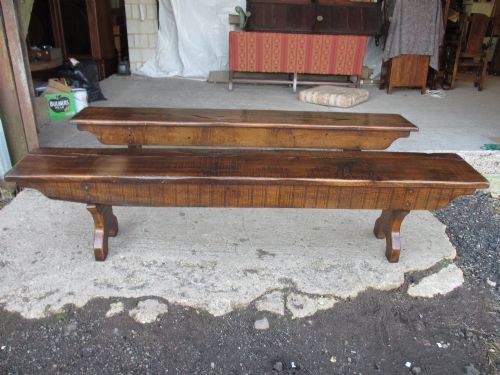
Vintage kitchen furniture encompasses utilitarian tables, dressers, benches, and storage built to handle daily domestic life. You will frequently encounter heavy pine and oak pieces originating from the nineteenth century alongside early twentieth century farmhouse examples.
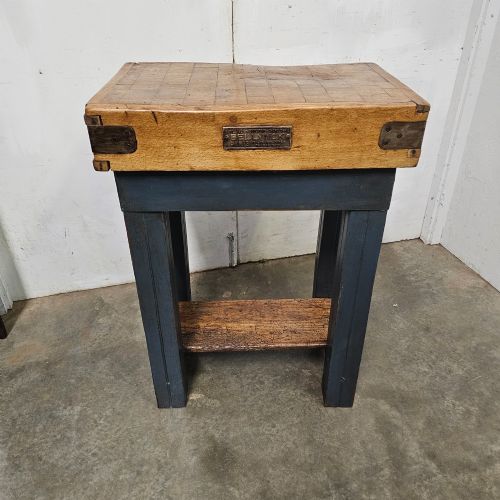
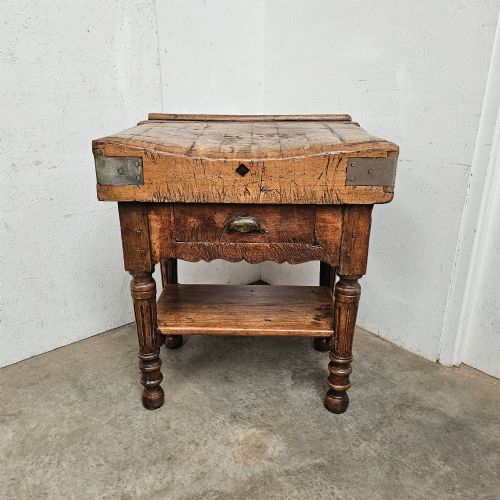
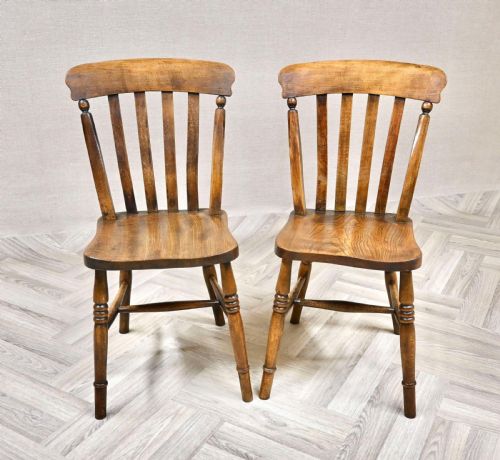
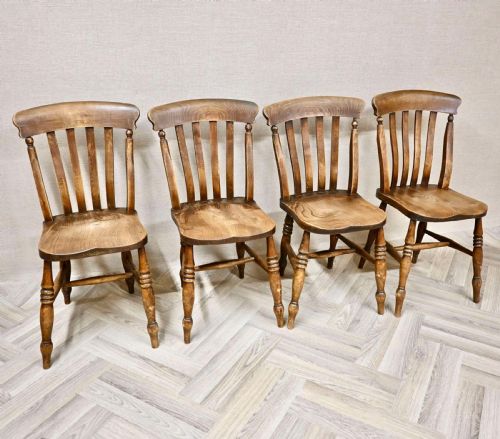
The selection ranges from French butcher's blocks and Welsh dresser bases to Windsor chairs and wall shelves. English country and French provincial styles dominate the inventory, reflecting regional traditions of robust domestic carpentry.
Practical utility remains the defining characteristic of these items, designed originally for food preparation, storage, and communal dining. Their enduring structural honesty makes them well suited for contemporary kitchen and dining spaces.
Materials and construction
Makers relied primarily on native timbers such as oak, pine, elm, and beech, selecting woods for strength and local availability. Solid construction methods including dovetailing, mortise and tenon joints, and turned spindles ensure long-term durability.
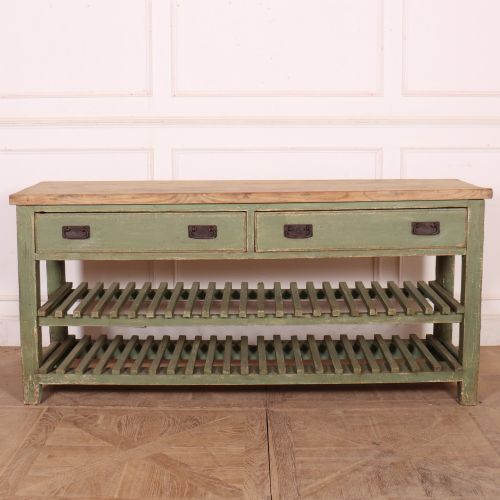
Surfaces frequently show the marks of active use, treated with traditional wax finishes, milk paints, or regional coatings like Falu red. Iron and brass hardware, from drawer pulls to baker's rack frames, provide robust structural support and mechanical function.
Vintage Kitchen Furniture Retail Price Guide 2026
Typical asking prices for vintage kitchen furniture among the pieces listed under this phrase on Sellingantiques today, from the lower quarter to the upper quarter. They describe what is for sale here now, not the wider market.
Listings feature eighteenth-century oak furniture alongside Victorian pine dressers and Edwardian walnut dining tables.
Distinctions in quality
Quality rests in the integrity of the timber selection and the retention of original surfaces rather than pristine cosmetic condition. Superior pieces display thoughtful joinery, such as pegged joints and quartered oak figuring, executed by skilled regional carpenters.
Original painted finishes and untouched patination elevate an object above later stripped or heavily restored examples. Proportion and structural balance also distinguish fine workshop production from simpler utilitarian items.
Dubois of Lyon·Heals
The Vintage Kitchen Furniture Glossary
- Potboard dresser
- A traditional sideboard or dresser featuring a lower open shelf used historically for storing pots and pans. This lower board sits just above the floor on sturdy feet.
- Draw-leaf table
- A dining table with pull-out leaves stored beneath the main top that extend the surface area easily. This clever mechanism allows the table to accommodate extra diners without requiring separate storage leaves.
- Windsor chair
- A chair built with a solid wooden seat into which the legs and back spindles are wedged directly. Regional variations often combine beech frames with elm seats for added strength.
- Baker's rack
- A tall metal or wooden shelving unit designed for cooling and storing baked goods in commercial or large domestic kitchens. Wrought iron versions often feature ornate scrolling alongside sturdy slate or wooden shelves.
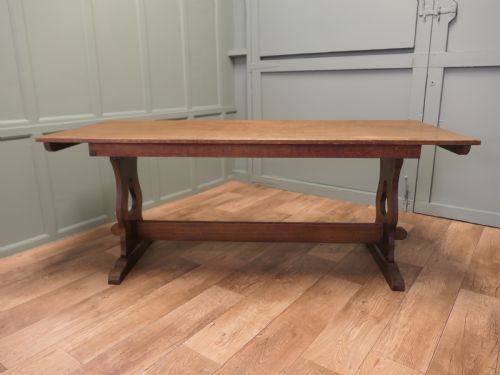
- Refectory table
- A long narrow dining table traditionally used in monastic dining halls and later adopted in domestic country houses. They rely on strong stretcher bases to maintain stability across long spans.
Vintage Kitchen Furniture: Frequently Asked Questions
How do I clean antique wooden tables?
Clean wooden surfaces using a soft, damp cloth and dry them immediately to protect the historic finish. Avoid modern silicone polishes that build up residue over time.
Feed dry timber occasionally with a traditional beeswax polish to maintain the lustre of the grain without sealing the surface permanently.
Are these items suitable for daily use?
These pieces were built for demanding domestic labour, making them exceptionally durable for modern kitchens and dining rooms. Solid joints and sturdy timbers allow them to withstand regular family activities.
Protect surfaces from excessive moisture and heat using trivets and mats to preserve the original patination and historic wood.
How do I identify pine furniture age?
Examine the drawer construction and saw marks to determine the manufacturing period and tools used. Hand-cut dovetails and irregular pit-saw marks generally indicate nineteenth-century or earlier craftsmanship.
Surface patination, including accumulated wax and soft wear around handles, builds up naturally through decades of domestic handling.
What is a potboard base?
A potboard base refers to the lower open platform on a traditional dresser used for storing heavy cookware. This design kept frequently used pots accessible off damp stone floors.
In modern settings, this open lower shelf provides convenient storage for large ceramic bowls or stacks of heavy serving platters.