


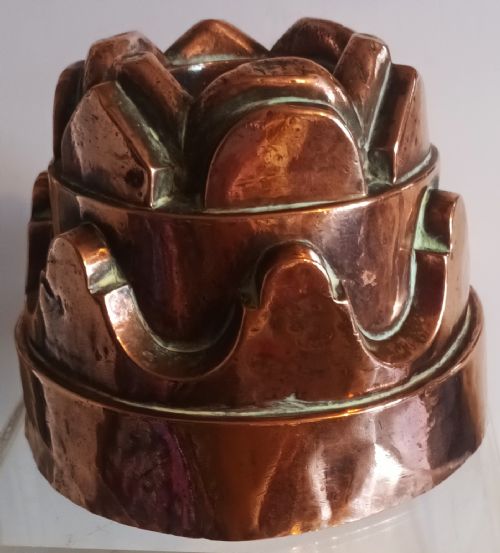


Vintage Kitchen Copper
Vintage kitchen copper brings real weight and warmth to a room, spanning functional cookware and decorative culinary moulds.
Vintage Kitchen Copper
Vintage kitchen copper encompasses practical culinary vessels and decorative items made primarily during the Georgian, Victorian, and Edwardian eras. Buyers searching for vintage kitchen copper encounter everything from hefty preserve pans and saucepans to intricate jelly moulds and kitchen scales.
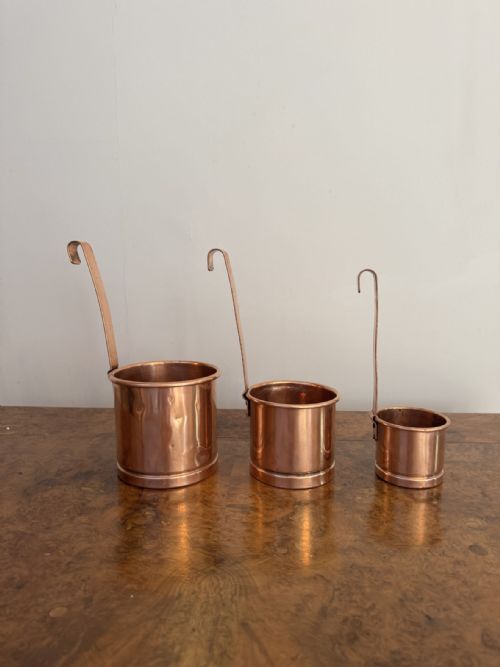
The objects on this page range from utilitarian cookware like jam pans and cooking vessels to domestic items including jugs, kettles, and measures. Many pieces originate from British and French workshops, reflecting traditional domestic and commercial kitchens of the nineteenth century.
How they were made
These pieces are constructed from hammered or spun sheet copper, frequently combined with brass handles, iron fittings, and tin linings for safe food preparation. Makers joined seams with dovetailing or heavy rivets to withstand daily kitchen heat and heavy use.
Internal surfaces were traditionally lined with tin to prevent copper from reacting with acidic foods during cooking or preserving. Details like brass handles and cast iron supports were securely attached with heavy rivets.
Vintage Kitchen Copper Retail Price Guide 2026
Typical asking prices for vintage kitchen copper among the pieces listed under this phrase on Sellingantiques today, from the lower quarter to the upper quarter. They describe what is for sale here now, not the wider market.
Listings feature materials including copper, brass, iron, and cast iron across various nineteenth-century forms.
What varies in quality
Gauge and weight distinguish heavy-duty culinary vessels from lighter decorative pieces, with thicker metal providing better heat distribution and durability. Maker marks and stamps add distinction to utilitarian pans and moulds.
The integrity of the original tin lining and the secure fixing of brass or iron handles mark the difference between everyday kitchen tools and fine display pieces. Clean construction and crisp detailing on moulds elevate certain examples above standard utilitarian ware.
Trottier·Hodges and Sons·Liptons·Griffiths Patent
The Vintage Kitchen Copper Glossary
- Preserve pan
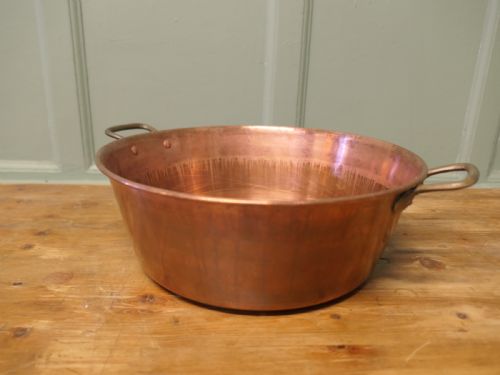
- A wide, deep copper pan designed for boiling fruit and sugar down into jams and preserves. These vessels often feature strong brass handles for lifting heavy loads.
- Culinary mould
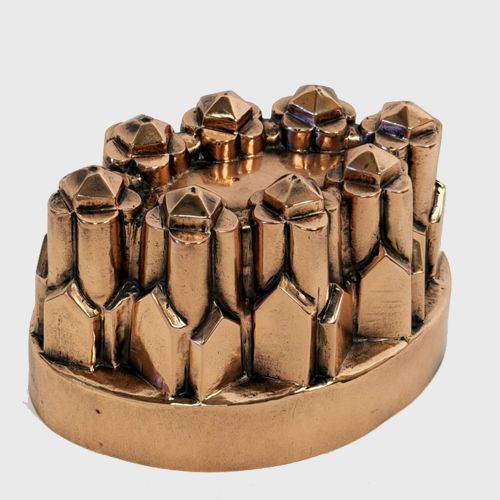
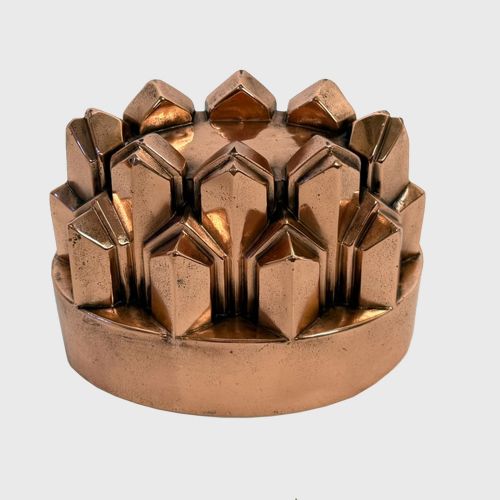
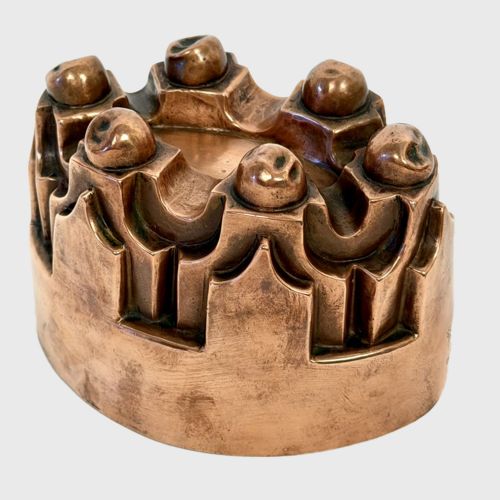
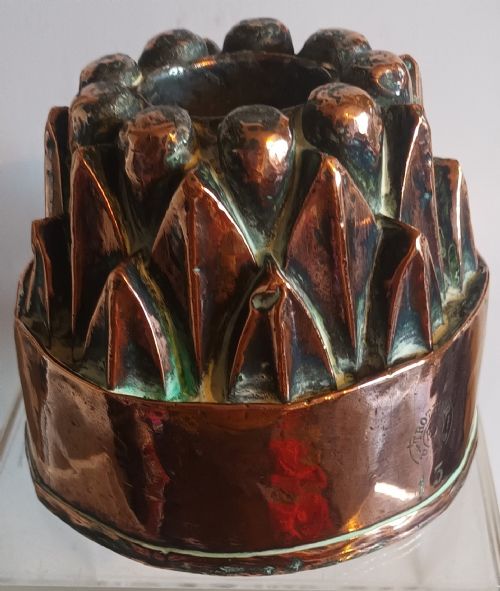
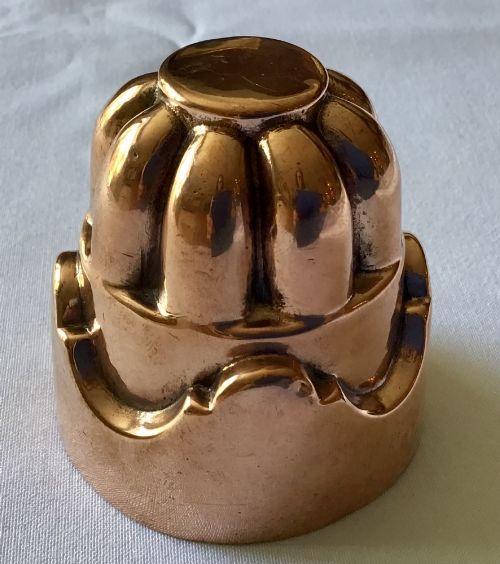
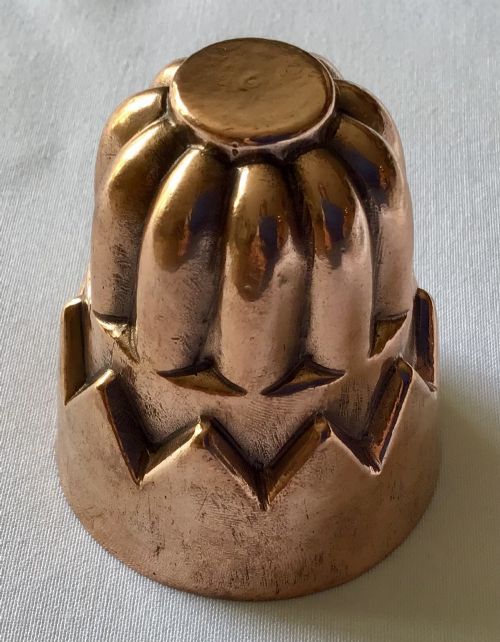
- A shaped metal form used for setting jellies, aspics, or blancmanges into decorative patterns. These objects rely on precise shaping to release food cleanly.
- Jersey can
- A traditional cylindrical copper container used for storing and measuring milk or cream on farms. They typically feature a narrow neck and sturdy side handle.
- Kitchenalia
- An umbrella term for antique and vintage utensils and implements used in food preparation and domestic work. This category includes scales, measures, and small culinary tools.
Vintage Kitchen Copper: Frequently Asked Questions
Are vintage copper pans safe for cooking?
Many older copper pans require a fresh tin lining before they can be used safely for food preparation. Without this protective barrier, copper can leach into acidic ingredients.
Pan interiors should be inspected closely to ensure the silver-coloured tin layer remains intact and thick enough across the base.
How do I clean antique copper?
Traditional cleaning involves using a gentle copper cream or paste applied with a soft cloth to lift tarnish without scratching the metal. Harsh abrasives will wear down the surface and remove subtle handling marks.
Leaving a natural patina is often preferred by collectors who appreciate the darker tones accumulated over decades.
How can I date an old copper pan?
Dating typically relies on examining the construction methods, such as hand-beaten marks, dovetail seams, and the style of the riveted handles. Georgian and Victorian pieces often display distinct craftsmanship compared to later twentieth-century items.
Maker stamps or patent names stamped into the metal provide further clues to a piece's exact origin.
Why do copper pans have tin linings?
Tin provides a non-toxic barrier between the copper metal and the food being cooked inside the vessel. Copper reacts poorly with acidic ingredients like fruit juices and vinegar.
Historically, copper kitchenware was sent away periodically to be re-tinned by a local craftsman once the internal layer wore thin.