

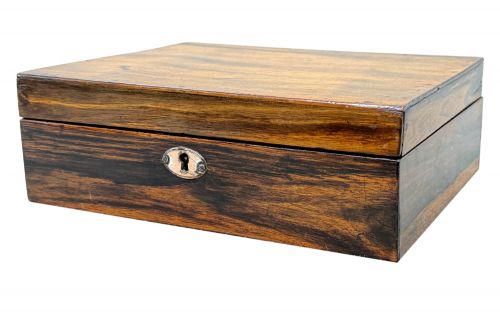
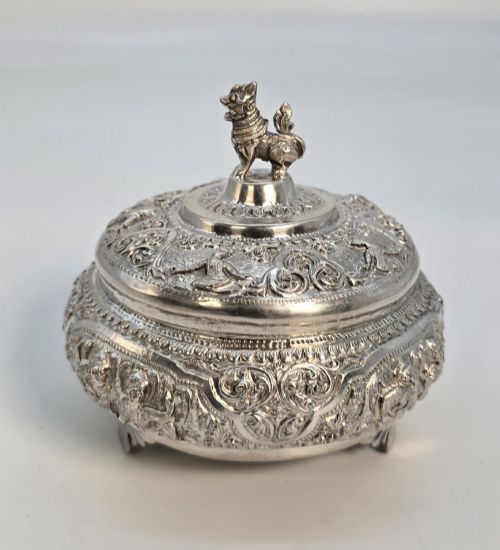


Vintage Jewellery Caddy
These vintage jewellery caddy options are traditional lidded receptacles used to safeguard precious ornaments, offering both historical charm and practical storage.
Vintage Jewellery Caddy
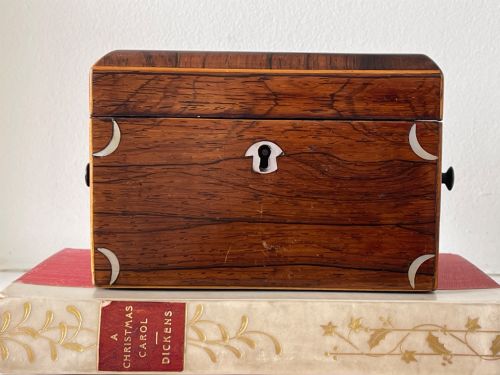
A vintage jewellery caddy encompasses decorative boxes, trinket boxes, keepsake boxes, and tea caddies that serve to hold small valuables. These items appear across various eras, notably the nineteenth century, the Victorian period, and the Art Deco twentieth century.
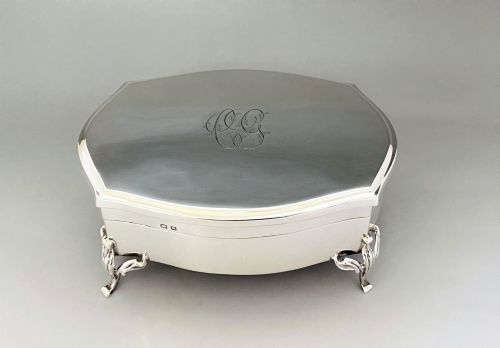
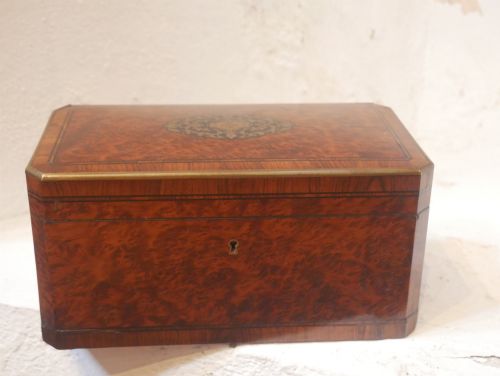
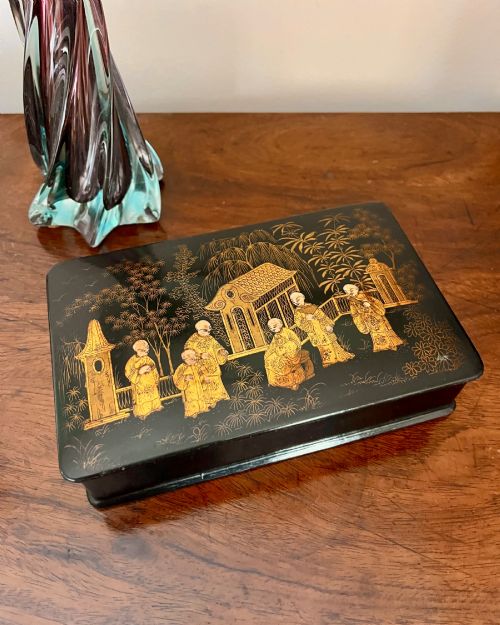
The selection ranges from burr walnut and coromandel table boxes to silver-plated receptacles and lacquered Chinese export pieces. Buyers frequently encounter nineteenth-century walnut tea caddies and silver trinket boxes alongside Anglo-Indian silver jars.
Origins span from English workshops to French makers like Tahan, Austrian foundries, and Indian silversmiths. Forms vary from rectangular work boxes and stationery cases to domed oval caskets and lidded jars.
Materials and Methods
Cabinetmakers utilised hardwoods such as walnut, satinwood, pollard oak, and exotic coromandel, often embellished with Tunbridge inlay or geometric sunray marquetry. Lacquered surfaces and painted chinoiserie finishes required meticulous layer-by-layer application.
Metalworkers shaped sterling silver, silver plate, bronze, and brass into lidded vessels through casting, hammering, and detailed ornamentation. Interiors were lined with silk or velvet to cushion precious contents.
Vintage Jewellery Caddy Retail Price Guide 2026
Typical asking prices for vintage jewellery caddy among the pieces listed under this phrase on Sellingantiques today, from the lower quarter to the upper quarter. They describe what is for sale here now, not the wider market.
Materials span sterling silver, brass, lacquer, and figured hardwoods including walnut, oak, and satinwood.
Distinctions in Quality
The upper tier of these pieces displays superior timber selection, such as richly figured burr walnut or dense coromandel, paired with precise joinery and intact interior linings. Maker attribution, such as signed pieces by Tahan or Georg Jensen, elevates a box above anonymous workshop production.
Detailing in surface decoration dictates the grade of craftsmanship, from fine Tunbridge mosaic work to hand-chased silver relief. The presence of original working locks and keys further distinguishes better-preserved examples.
Tahan·Sigvard Bernadotte for Georg Jensen·Henry Williamson Ltd
The Vintage Jewellery Caddy Glossary
- Tunbridge inlay
- A form of mosaic woodwork created by gluing together many tiny tinted wood blocks to form a pictorial mosaic. This technique originated in the spa town of Tunbridge Wells during the nineteenth century.
- Coromandel
- A dense, heavy cabinet timber from Asia with dark brown colour and striking black streaks. It was frequently used for luxury nineteenth-century boxes and writing desks.
- Chinoiserie
- European artistic style reflecting Chinese motifs and decorative techniques, popular in lacquerwork and furnishings. Artisans applied successive layers of lacquer to achieve a glossy, painted surface.
- Burr walnut
- Wood grain taken from the growth deformity on a walnut tree, producing intricate swirling patterns. Cabinetmakers prized this timber for high-status Victorian veneer work.
Vintage Jewellery Caddy: Frequently Asked Questions
What is a vintage jewellery caddy used for?
These receptacles were originally manufactured to store tea, paperwork, sewing implements, or small personal valuables on a dressing table. Today, they function primarily as decorative storage for rings, necklaces, and keepsakes.
Their varied compartments and lidded designs make them practical for organising modern accessories while displaying period craftsmanship in a room.
How do I date a wooden trinket box?
Dating relies on examining the timber species, construction methods, and hardware such as hinges and locks. Nineteenth-century examples often feature hand-cut dovetails and distinct secondary woods.
Stylistic markers like Victorian walnut veneer, Regency satinwood, or Art Deco geometric inlay also point towards specific manufacturing decades.
Are silver caddies marked with hallmarks?
Many silver boxes and trinket receptacles bear British hallmarks indicating the assay office, metal purity, and date letter. Continental silver and silver-plated pieces often display maker stamps or standard marks instead.
Examining these stamps helps determine the exact origin and manufacturing period of the metalwork.
How should I clean a lacquered box?
Lacquered and painted surfaces require gentle dusting with a soft, dry cloth to prevent scratching the delicate finish. Moisture and chemical polishes can damage antique lacquerwork and should be avoided entirely.
Keeping the box away from direct sunlight and fluctuating humidity protects the wooden core from warping.