

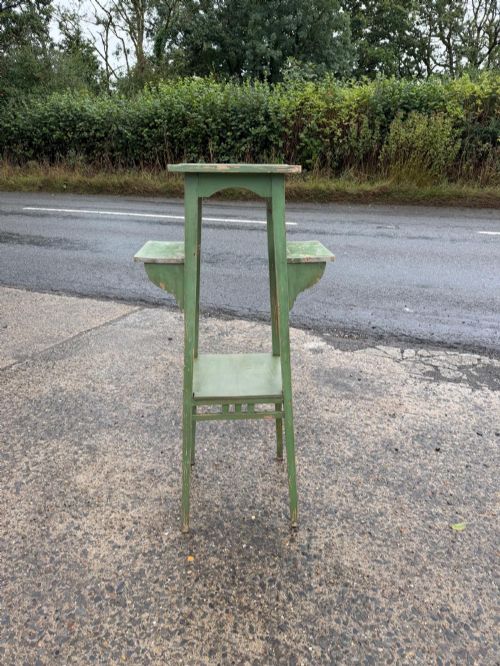
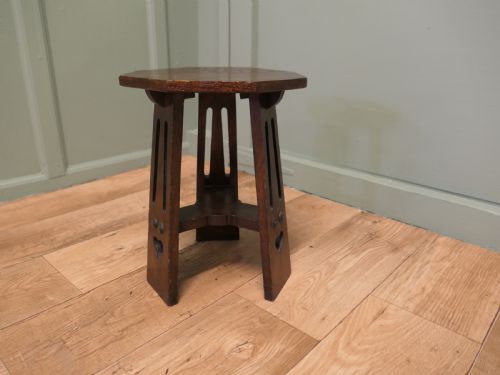
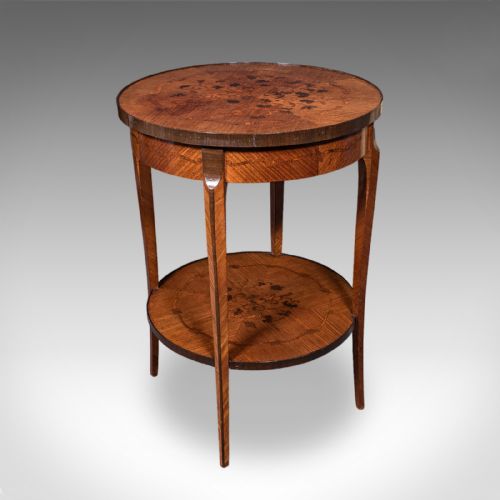
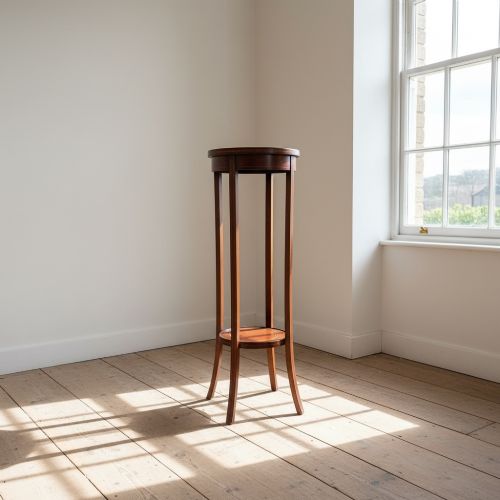
Vintage Jardiniere Table
A vintage jardiniere table brings botanical life indoors, combining a display surface with a waterproof well for plants.
Vintage Jardiniere Table
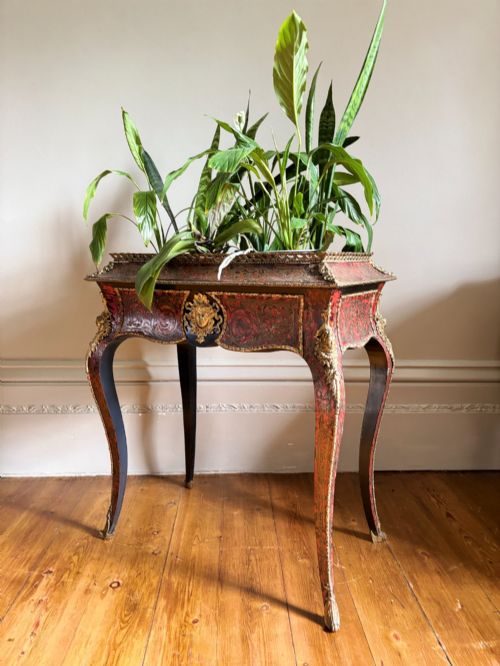
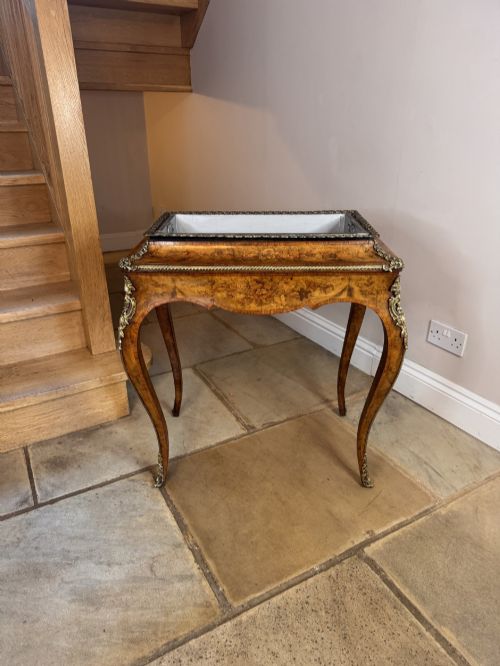
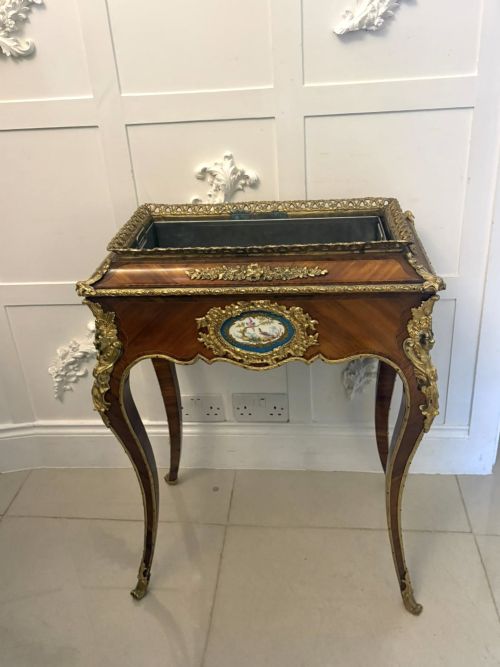
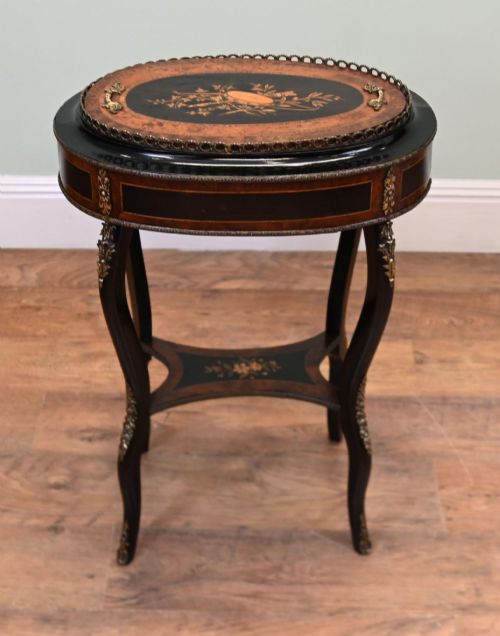
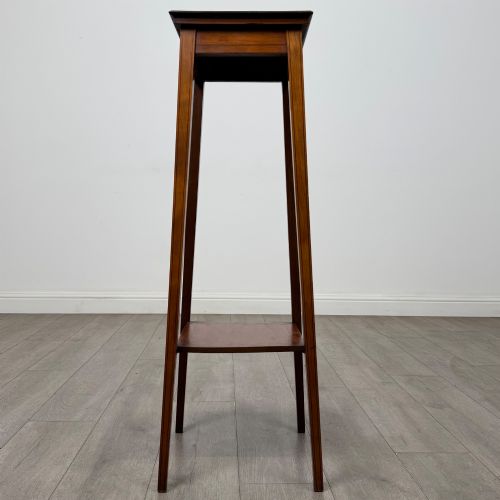
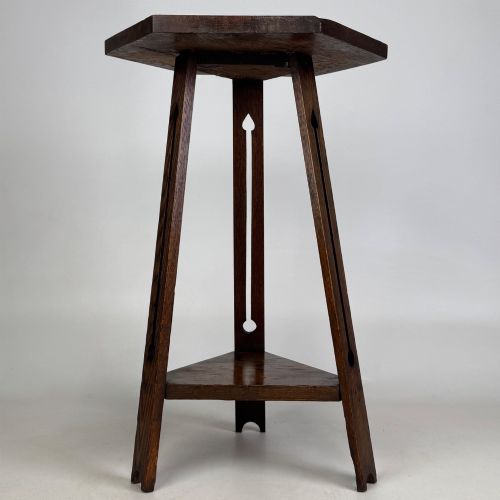
A vintage jardiniere table functions as a dedicated stand for holding potted plants, often featuring an integrated container or inset tray at the top. The pieces appearing here span the Victorian, Edwardian, and later periods, reflecting domestic tastes that favoured greenery in principal rooms.
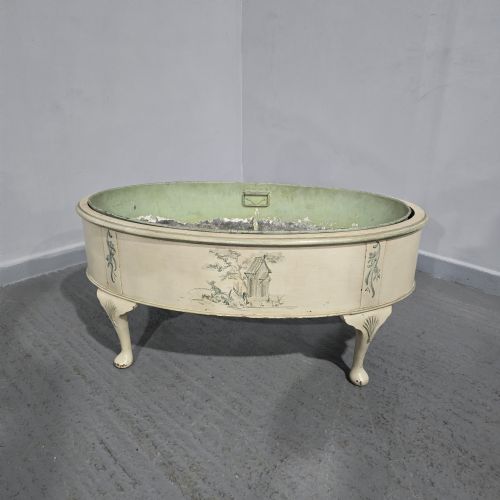
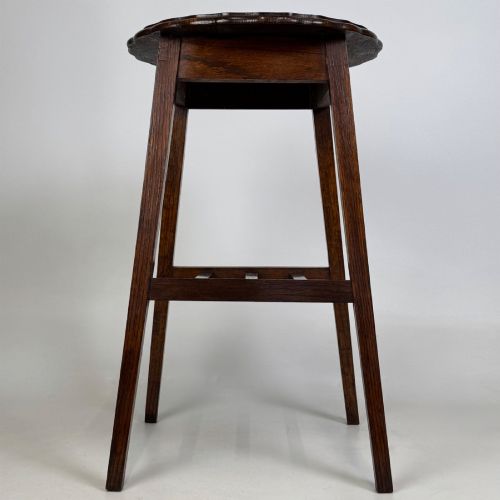
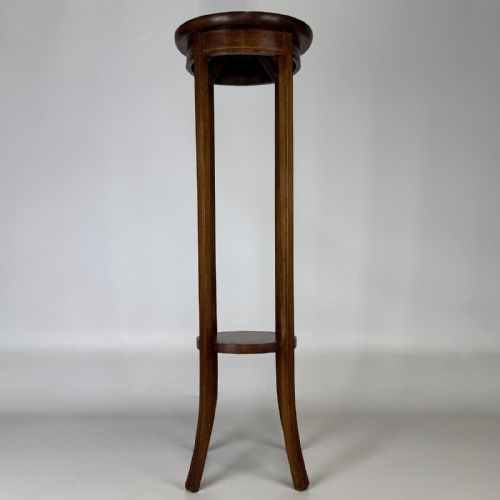
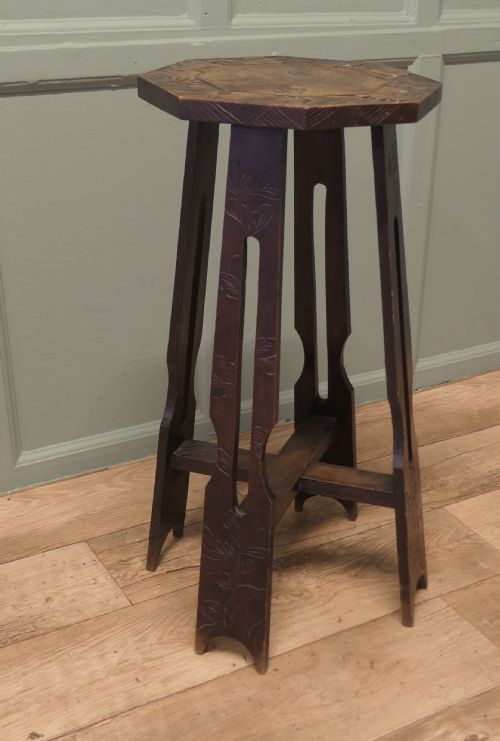
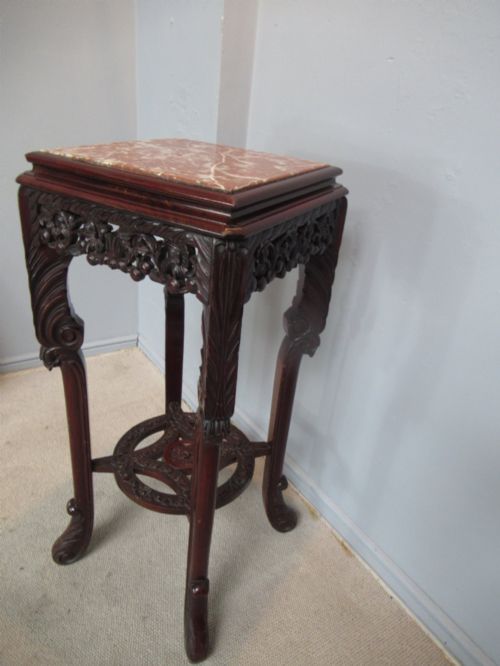
Forms range from tall, slender plant stands and multi-tiered occasional tables to low side tables and deep planters. Many examples originate from British workshops or French ateliers, alongside Chinese export pieces employing traditional hardwood and marble construction.
The most common formats on this page combine timber frames in oak, mahogany, or walnut with metal or ceramic liners designed to catch drainage water. These constructions allow plants to sit safely within decorative furniture without damaging surrounding surfaces.
Materials and Construction Methods
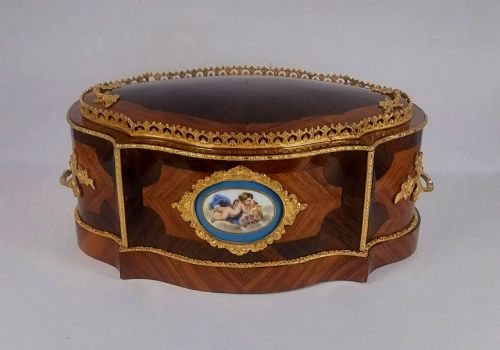
Cabinetmakers constructed these tables using a variety of native and exotic timbers, including solid oak, mahogany, walnut, kingwood, and satinwood. Decorative elements frequently incorporate brass or ormolu mounts, ceramic plaques, and inlaid marquetry.
Vintage Jardiniere Table Retail Price Guide 2026
Typical asking prices for vintage jardiniere table among the pieces listed under this phrase on Sellingantiques today, from the lower quarter to the upper quarter. They describe what is for sale here now, not the wider market.
Listings here feature materials including marble, brass, zinc, and various hardwoods across Victorian and Edwardian periods.
Distinctions in Execution and Materials
Quality in a vintage jardiniere table rests upon the selection of timber and the precision of its joinery. Solid hardwoods and finely figured veneers indicate superior workshop origins compared to simpler utility pieces.
The inclusion of cast ormolu mounts, hand-carved detailing, original ceramic plaques, and heavy marble inserts elevates a standard plant holder into a notable piece of decorative furniture. Original liners and sound structural integrity further separate standard examples from finer works.
Liberty and Co
The Vintage Jardiniere Table Glossary
- Jardiniere
- An ornamental pot or stand designed to hold plants or flowers. These items often feature waterproof liners of brass or zinc.
- Ormolu
- Gilded bronze mounting applied to furniture for decorative effect. This technique appears frequently on French pieces from the nineteenth century.
- Marble top
- A polished stone surface inset into the wooden frame of a table. Such surfaces resist moisture from watering plants.
- Plant stand
- A tall, narrow piece of furniture designed to elevate foliage. These structures often incorporate multiple tiers for display.
Vintage Jardiniere Table: Frequently Asked Questions
What is a jardiniere table?
A jardiniere table is a specialised piece of furniture designed to hold potted plants indoors, combining a stable wooden or metal frame with a waterproof container. They emerged in various forms to accommodate the Victorian and Edwardian enthusiasm for indoor flora.
These tables protect interior surfaces from water damage while elevating greenery to eye level within a room. Many include lower shelves or secondary tiers for holding gardening accessories or extra pots.
How do I care for the metal liners?
Metal liners, typically made of brass, copper, or zinc, require gentle cleaning to preserve their finish without stripping historical patina. Regular wiping with a soft, dry cloth prevents moisture accumulation and subsequent corrosion.
Avoid using harsh chemical abrasives on antique metal inserts. Placing a small saucer inside the liner can also catch excess water and reduce direct contact with the antique metal.
Where should I place a plant stand?
Plant stands and jardiniere tables suit spaces with adequate natural light for greenery, such as near conservatory windows or drawing room corners. Their compact footprints also allow them to function as striking corner or hallway display pieces.
Ensure the chosen location protects wooden surfaces from excessive direct sunlight and sudden temperature shifts. This placement preserves both the timber and the plants housed upon it.
How do I identify Edwardian pieces?
Edwardian plant stands and tables, dating from the early twentieth century, often display lighter framing in satinwood, mahogany, or oak. Inlays and subtle carved details frequently characterise these lighter domestic designs.
Unlike heavier Victorian predecessors, Edwardian furniture tends to favour airier silhouettes and restrained ornamentation. Two-tier occasional tables and smaller plant pedestals are particularly common from this era.