




Vintage Japanese Table
These vintage japanese table options range from low tea-drinking surfaces to substantial lamps and cabinets, offering genuine craftsmanship for domestic display.
Vintage Japanese Table
A vintage japanese table selection encompasses low tea surfaces such as the chabudai, alongside side cabinets, writing desks, and occasional stands originating across the Meiji period and subsequent early decades. Buyers often encounter pieces designed specifically for kneeling use, as well as forms adapted for Western interiors through conversion into lighting or coffee tables. These items reflect traditional domestic routines and the steady integration of Eastern craftsmanship into European homes during the nineteenth and early twentieth centuries.
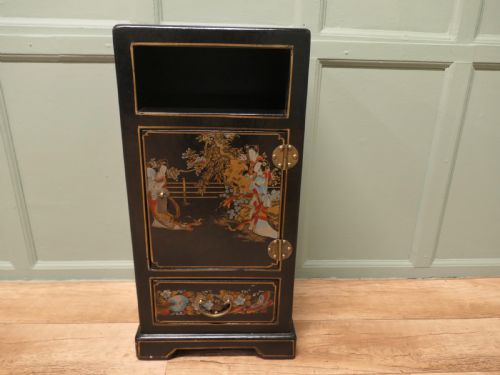
Beyond standard low tables, the inventory incorporates nested sets, side tables, and elaborate lacquered cabinets intended for tabletop storage. The Meiji period contributes heavily to this selection, bringing distinctive bronze and ceramic elements into the furniture category. Such works demonstrate how native Japanese forms intersected with Victorian and Edwardian tastes, creating hybrid pieces that continue to suit modern living rooms and studies.
Materials and Technique
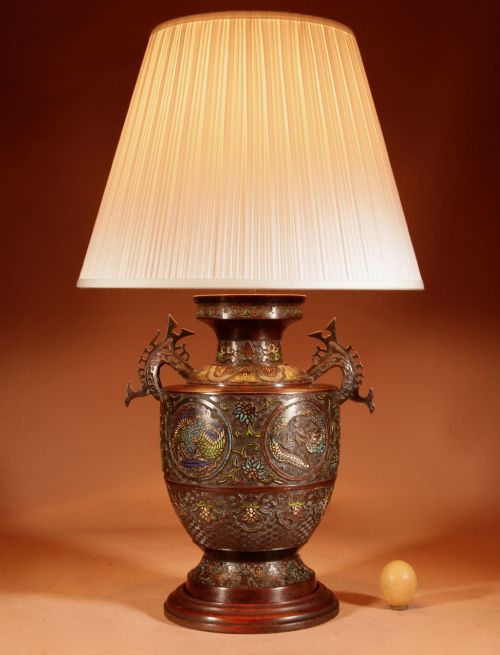
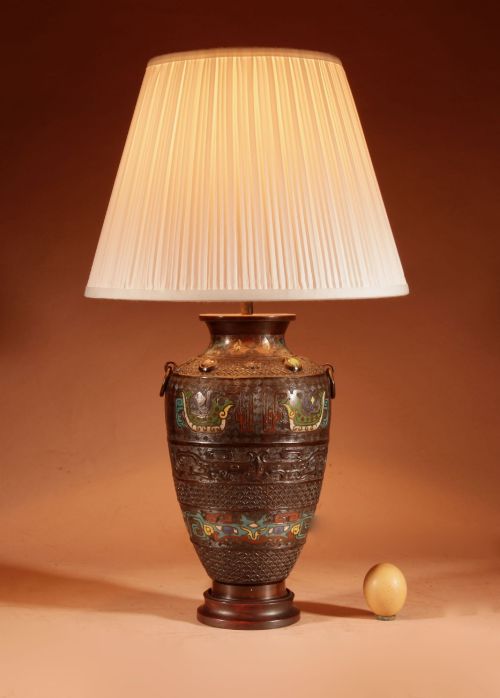
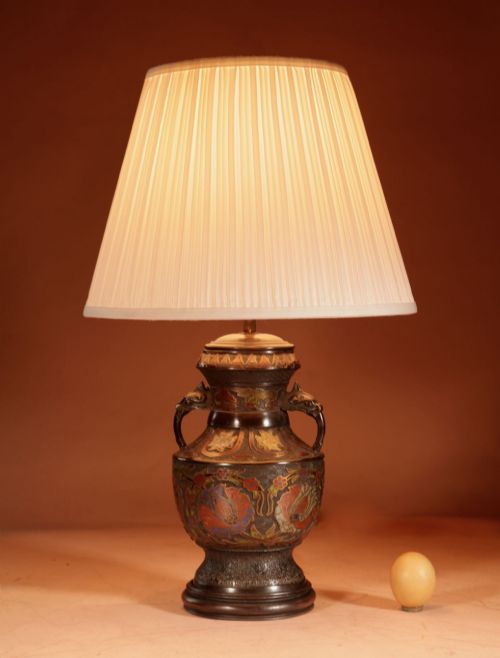
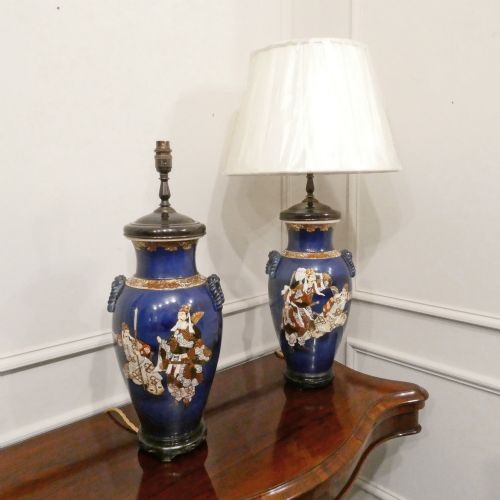
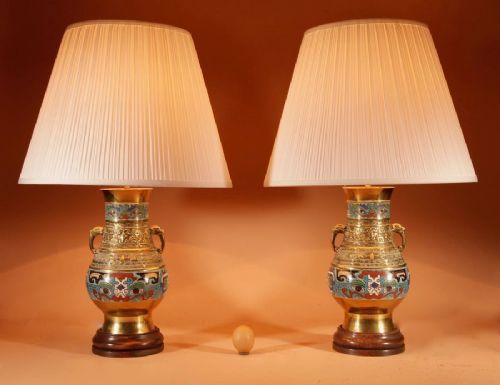
Makers utilised dense timbers such as elm and hardwood alongside specialised surface treatments like red and black lacquer. Many pieces incorporate intricate brass and champlevé enamel work, particularly on lamps and decorative mounts. Satsuma and Kutani porcelains frequently appear integrated into lamp bases or presented as standalone vessels.
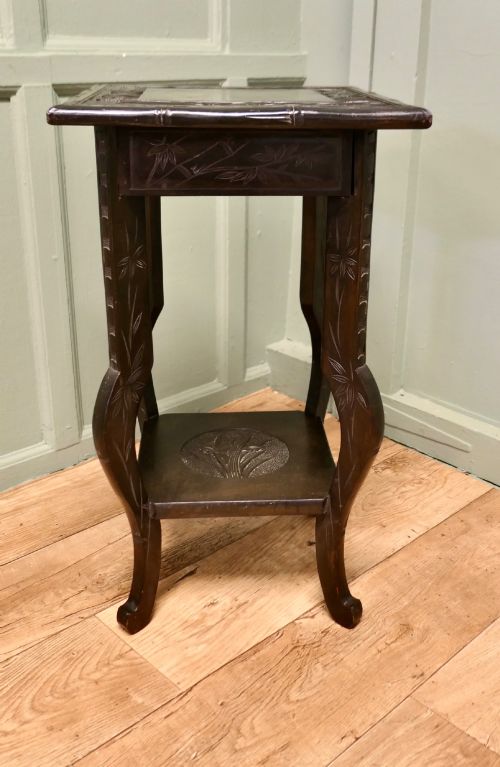
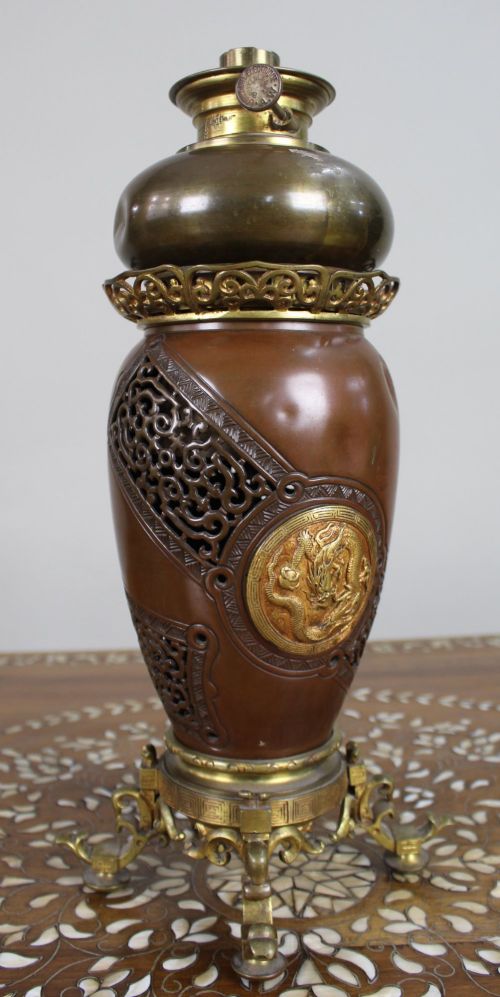
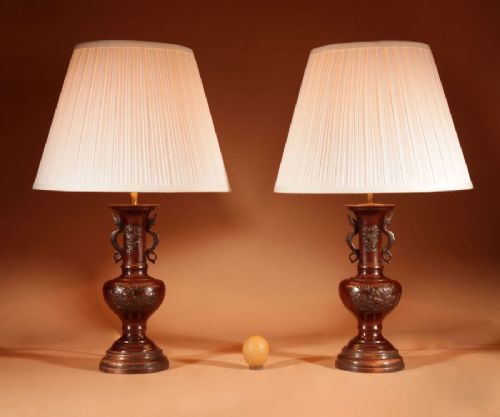
Surface decoration relies heavily on raised relief detailing, delicate calligraphy, and hand-painted motifs executed during the Meiji period and later decades. Lacquering techniques demand successive coats and careful curing to achieve a deep, reflective sheen. Bronze components utilise traditional casting and patination methods, yielding durable surfaces with distinct metallic tones.
Vintage Japanese Table Retail Price Guide 2026
Typical asking prices for vintage japanese table among the pieces listed under this phrase on Sellingantiques today, from the lower quarter to the upper quarter. They describe what is for sale here now, not the wider market.
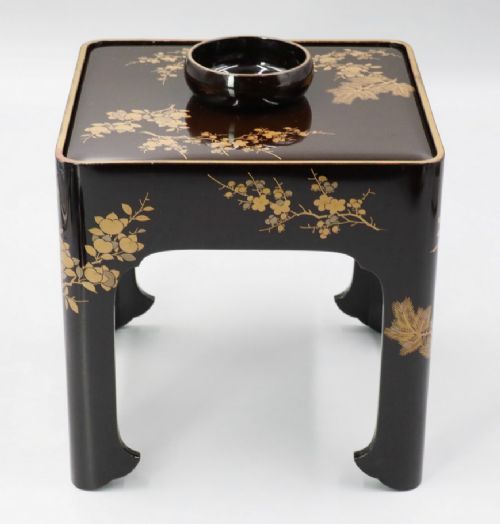
Several small lacquer sake cups manage to survive together on their original matching stand.
Quality Variations
The standard of a vintage japanese table depends largely on the crispness of its hand-carved relief work and the preservation of its original lacquer. Superior examples display precise joinery, well-balanced proportions, and undisturbed patination on bronze or brass elements. Lesser pieces may show heavy surface abrasion, fading of painted Satsuma enamel, or poorly executed later conversions.
Integrity of materials also dictates overall merit, distinguishing solid hardwood and authentic metal castings from composite replacements or heavily restored sections. The depth and clarity of lacquer finishes reveal the artisan's original skill level, with finer items retaining sharp borders and complex tonal gradations.
The Vintage Japanese Table Glossary
- Chabudai
- A traditional short-legged Japanese table used for partaking in meals or tea while kneeling on tatami mats.
- Meiji Period
- The era in Japanese history spanning from 1868 to 1912, characterised by rapid modernisation and extensive decorative arts export.
- Champlevé
- An enamelling technique where troughs are carved into a bronze or brass surface and filled with vitreous paste before firing.
- Satsuma
- A type of earthenware pottery originating from Satsuma Province, typically featuring a crackle glaze and elaborate polychrome enamel decoration.
- Kodansu
- A small, portable Japanese tabletop cabinet featuring multiple internal drawers or compartments for storing valuables.
Vintage Japanese Table: Frequently Asked Questions
How were low tables used?
Low tables served primarily as central surfaces for dining, tea ceremonies, and reading while kneeling on traditional mats. Users gathered closely around them for daily domestic activities.
Over time, many of these low forms were modified or imported specifically to function as decorative display platforms or low coffee tables in Western drawing rooms.
Are these tables hard to clean?
Routine maintenance requires only a soft, dry cloth to remove dust from lacquered surfaces and intricate wood carvings. Excessive moisture should be avoided to protect aged finishes.
Metal components like bronze and brass benefit from occasional gentle dusting without harsh chemical polishes that might strip the historic patina.
How do I identify Meiji pieces?
Meiji period items typically display exceptional detail in bronze casting, lacquerwork, or ceramic painting, reflecting the era's peak artistic output. Look for traditional motifs and signature artisan marks where applicable.
Construction methods also help, as these pieces combine traditional Japanese joinery with materials intended for the export market.
Can I use them as daily furniture?
Most pieces adapt well to contemporary living spaces when placed out of direct sunlight and away from heat sources. They function effectively as side tables, display stands, or low coffee surfaces.
Careful placement ensures the delicate lacquer and enamel finishes remain protected from heavy daily wear and accidental impacts.