




Vintage Japanese Sculpture
Vintage japanese sculpture brings together bronze animals, carved wood bears and porcelain figures spanning the nineteenth century to the showa period.
Vintage Japanese Sculpture
Vintage japanese sculpture spans a diverse range of forms, from nineteenth-century bronze animals and carved wooden bears to porcelain figures and netsuke. Buyers searching for vintage japanese sculpture encounter pieces originating across the edo, meiji, taisho and showa periods, reflecting changing artistic expressions over time.
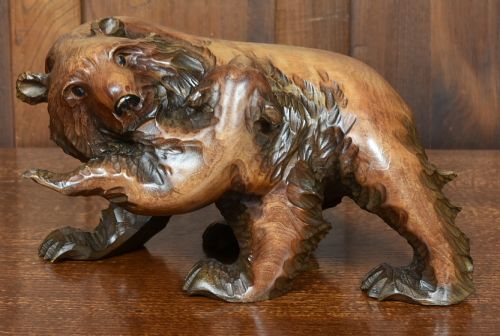
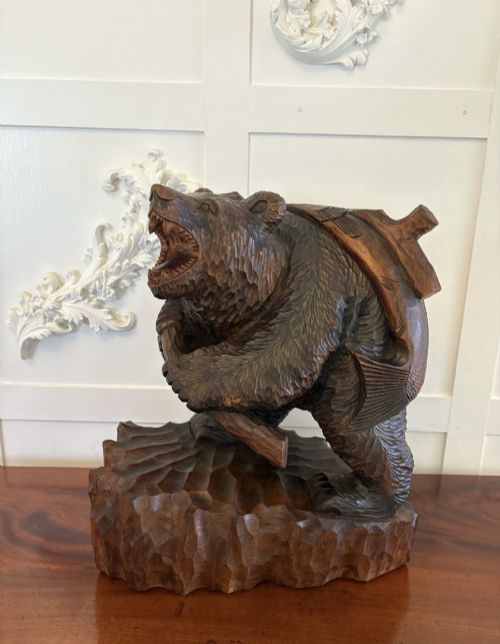
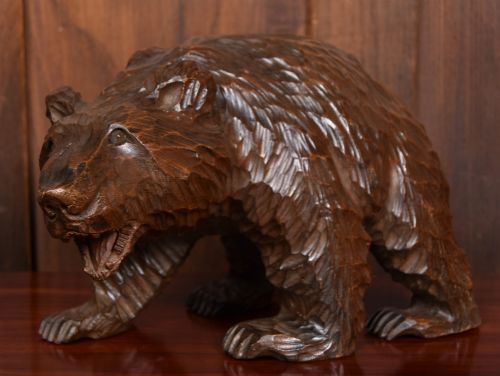
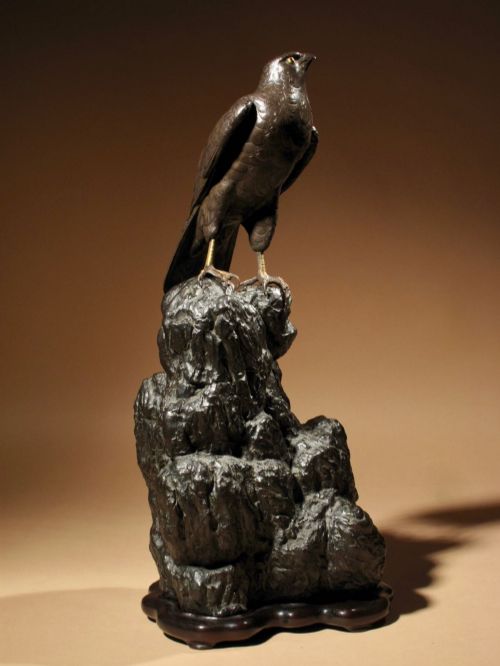
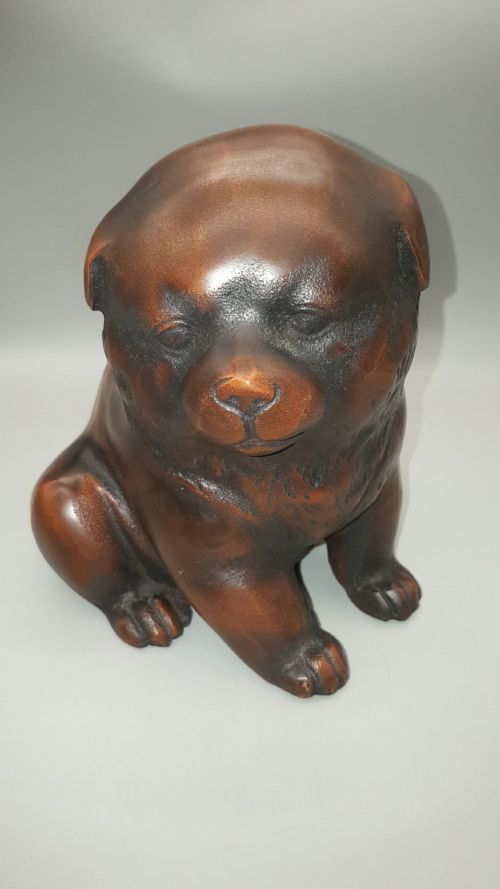
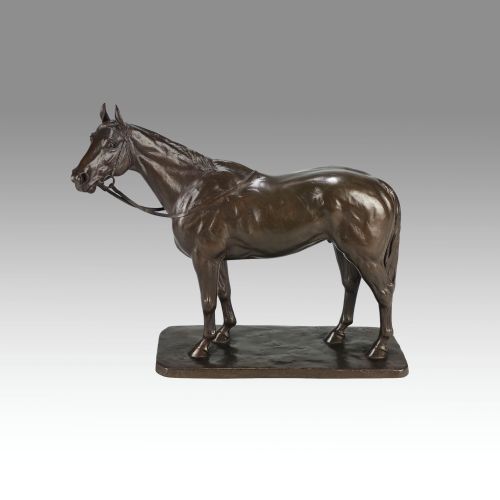
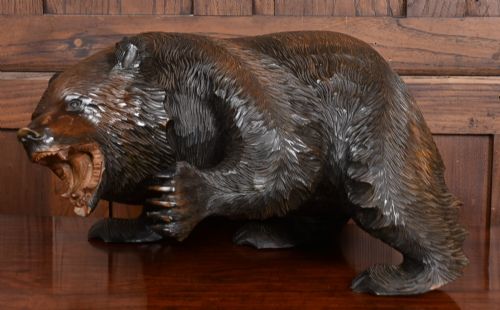
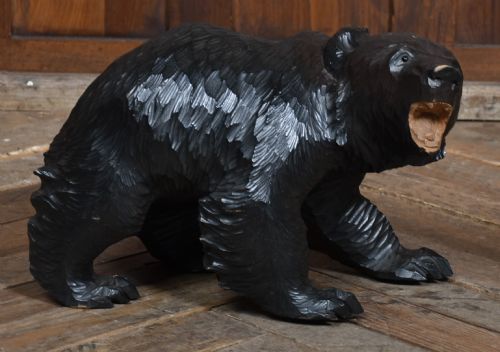
Wooden items frequently take the form of kibori kuma, hand-carved bears from the nineteenth and early twentieth centuries, alongside geisha figures and boxwood animal paperweights. Bronze works include okimono depicting hawks, horses, elephants, spiders and dogs, alongside garden geese and cranes.
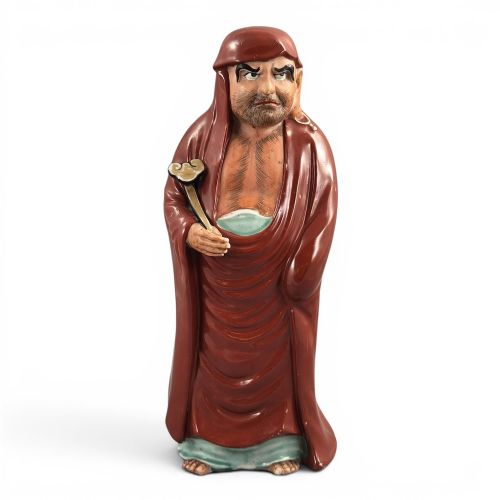
Porcelain and ceramic examples appear as kutani daruma figures of bodhidharma and representations of kannon, the goddess of mercy. These sculptures range from small cabinet okimono and netsuke to large lifesize garden figures and architectural pairs.
Materials and construction methods
Makers utilised cast bronze, often associated with named foundries and artists, alongside carved cedar, linden wood, cherry amber, boxwood and hardwoods. Bronze pieces employ traditional casting techniques to capture fine surface detail on animal feathers, hides and arachnid legs.
Carved wooden sculptures display expert hand-chiselling, utilising the natural grain of cedar and linden wood in forms such as kibori kuma bears and geisha statues. Porcelain items involve meticulous moulding and glazing, seen in kutani and hirado ceramic figures.
Surface treatments include gold leaf accents and applied finishes that enhance the texture of carved wooden plaques and bronze okimono. Signatures and carver marks are frequently incised directly into the wood or cast into the bronze base.
Vintage Japanese Sculpture Retail Price Guide 2026
Typical asking prices for vintage japanese sculpture among the pieces listed under this phrase on Sellingantiques today, from the lower quarter to the upper quarter. They describe what is for sale here now, not the wider market.
A bronze tarantula spider waits patiently among the horses and bears.
Distinctions in quality and execution
The standard of carving distinguishes exceptional wooden figures from standard items, with superior pieces showing precise musculature, lifelike animal postures and detailed facial expressions. In wooden bears and animal subjects, the depth of the tool work and anatomical accuracy separate master carvers from basic folk art productions.
Bronze quality depends upon the crispness of the casting and the finesse of the finishing work, particularly on complex subjects like tarantulas, horses and elephants. Foundry marks and artist signatures contribute significantly to the standing of a bronze sculpture.
Proportion and scale dictate the visual impact of larger garden pieces, such as bronze geese or cranes, where balanced posture and stable construction remain essential. For porcelain and ceramic figures, the clarity of the glaze and the preservation of hand-painted details define the upper tier.
Kunio Itô·Tokyo Foundry·Sakai Kōzan
The Vintage Japanese Sculpture Glossary
- Okimono
- A standalone Japanese decorative display object placed on a shelf or in a tokonoma alcove. These sculptures encompass bronze animals, porcelain deities and carved figures.
- Kibori kuma
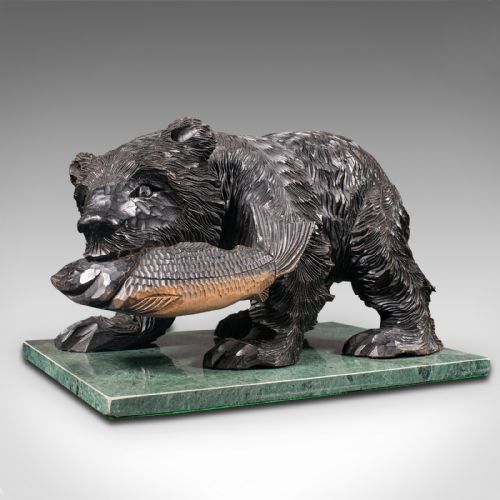
- A traditional style of Japanese wood-carved bear, typically depicted carrying a fish in its mouth. These pieces originate heavily from nineteenth-century and early twentieth-century folk traditions.
- Kutani
- A style of Japanese porcelain known for vibrant painted enamels and distinct decorative motifs. Kutani figures on this page include depictions of daruma and kannon.
- Meiji Period
- The era in Japanese history spanning from eighteen sixty-eight to nineteen twelve, marked by intense artistic production and opening trade. Sculptures from this period often display highly refined bronze casting and wood carving.
Vintage Japanese Sculpture: Frequently Asked Questions
What is a kibori kuma sculpture?
Kibori kuma refers to traditional Japanese hand-carved wooden bears, frequently depicted carrying a salmon or fish.
These pieces emerged as a distinct folk art form and remain popular among collectors of nineteenth and early twentieth-century wooden sculptures.
How do I identify a meiji period bronze?
Meiji period bronze sculptures typically display exceptional detail in fur, feathers or anatomical structure, often accompanied by artist signatures or foundry marks.
They range from small okimono of spiders and hawks to large figures of elephants and horses.
Where were okimono displayed in a home?
Okimono were designed as ornamental display pieces for traditional Japanese rooms, specifically placed within a tokonoma alcove or on low furniture.
Unlike functional items, their sole purpose was aesthetic appreciation.
What materials are common in vintage japanese sculpture?
The primary materials recorded are cast bronze, carved wood such as cedar, linden and boxwood, and porcelain including kutani and hirado wares.
Some pieces also incorporate gold leaf, stone, plaster and cherry amber.
Are netsuke considered sculptures?
Netsuke function as miniature carved sculptures, originally serving as toggles for traditional Japanese garments.
Despite their small scale, they exhibit the same sculptural detailing and artistic ambition as larger statues.