



Vintage Ironstone
These heavy-duty earthenwares offer robust utility and striking decoration, spanning periods from the Georgian era to the twentieth century.
Vintage Ironstone
Vintage ironstone encompasses a durable ceramic body patented in the nineteenth century as a stubbier, tougher alternative to porcelain. Buyers searching for vintage ironstone encounter utilitarian domestic objects alongside richly ornamented display pieces produced across Georgian, Victorian, and Edwardian periods.
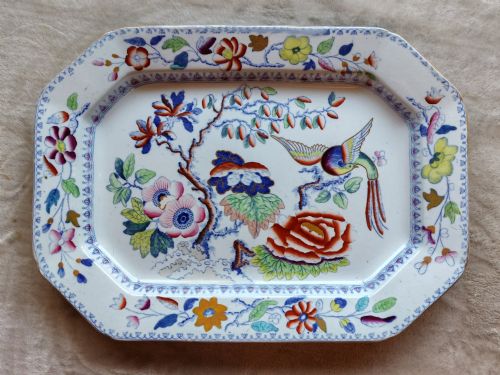
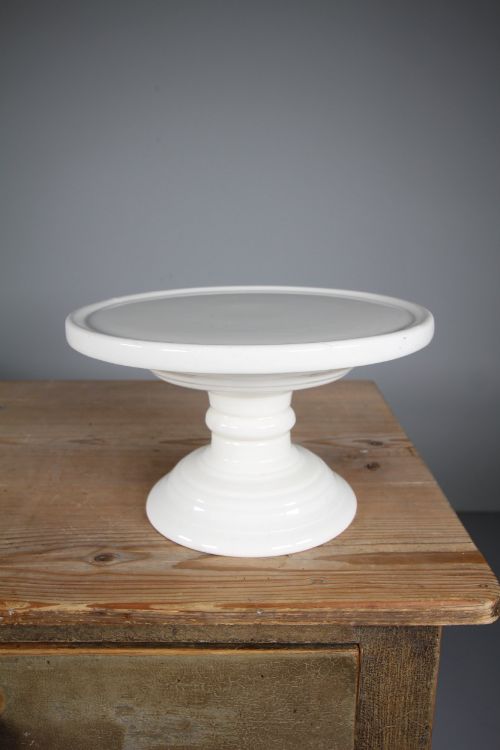
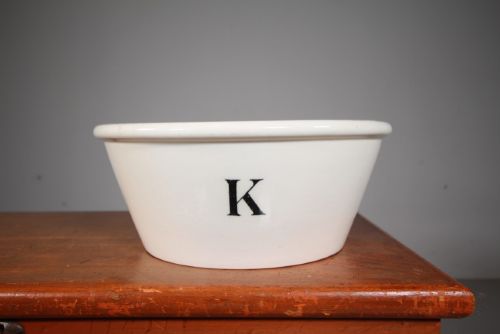
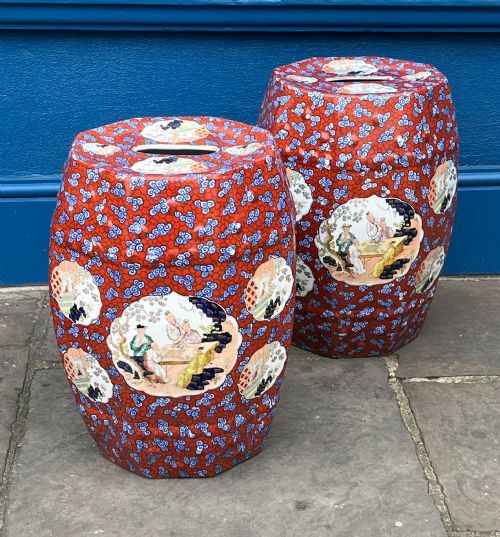
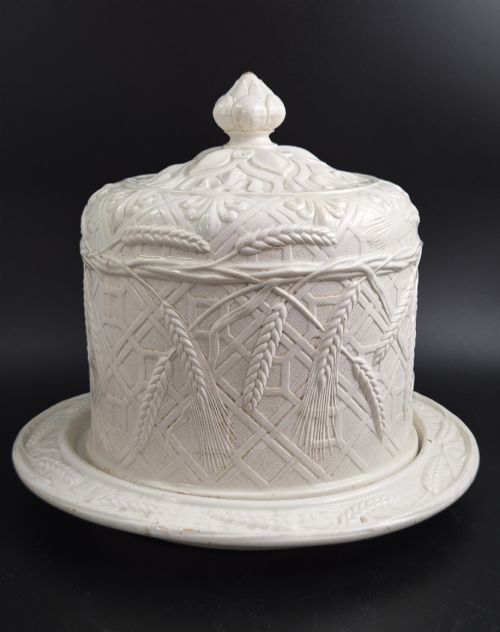
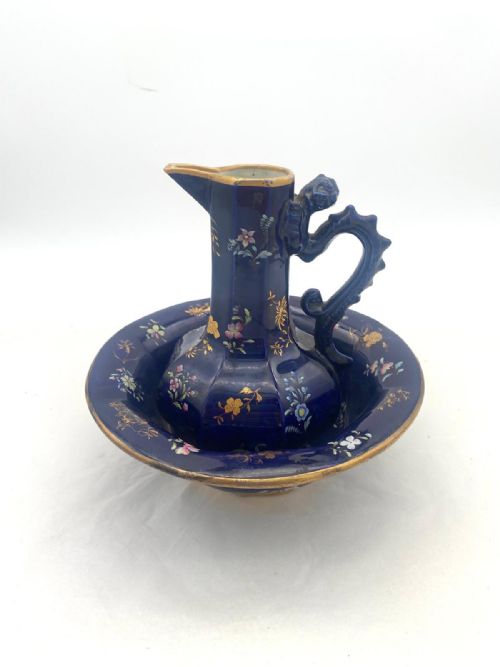
The objects take many practical and decorative forms, ranging from large meat platters, wash basins, and cheese domes to garden seats, advertising slabs, and jugs. Service items such as dinner sets and tureens appear frequently, often finished in vibrant transfer prints or hand-painted patterns.
Most surviving pieces originate from English factories operating during the nineteenth and early twentieth centuries. These wares bridge the gap between heavy earthenware and fine china, offering high resistance to chipping while maintaining a bright, glazed surface.
Materials and Techniques
Makers produced ironstone using a dense mixture of earthenware clay mixed with feldspar, slag, and Cornwall stone, fired at high temperatures to vitrify the body. This specific recipe created a heavy, opaque ceramic far stronger than standard earthenware.
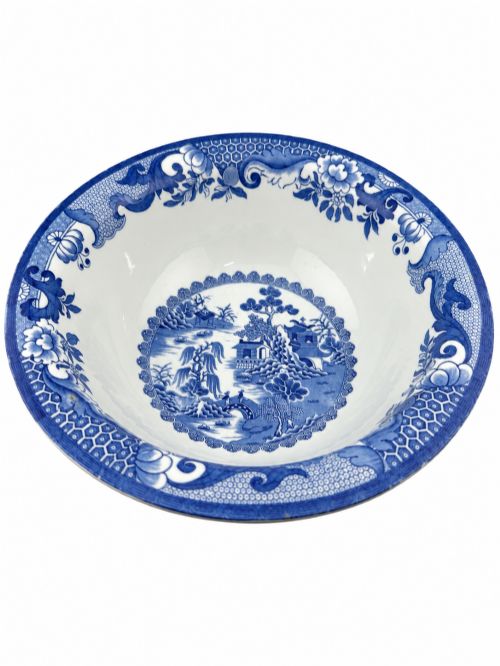
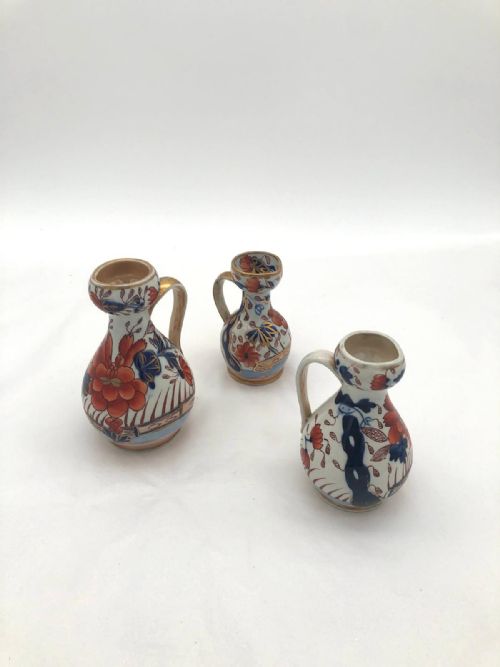
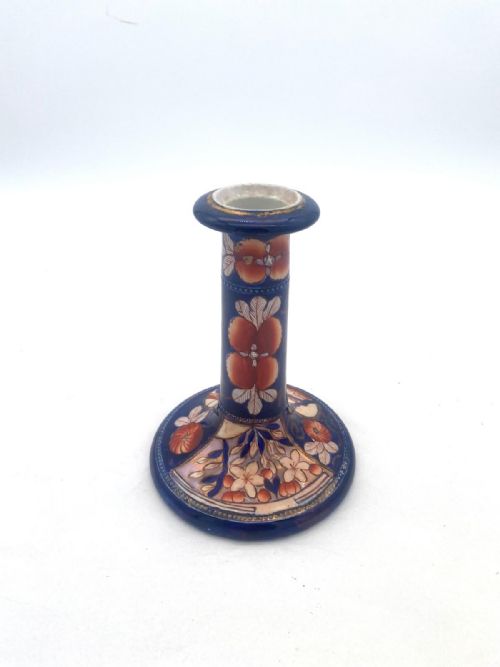
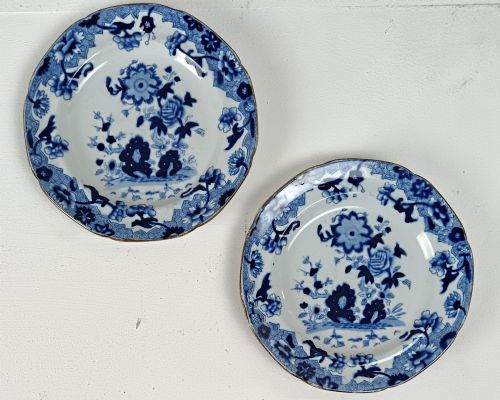
Decoration relied heavily on underglaze blue and white transfer printing, supplemented by hand-painted enamels in Imari, Chinoiserie, and Japan styles. Some pieces received additional gilding or overglaze painting known as clobbering.
Surfaces were finished with a clear lead or feldspathic glaze that pooled softly in crevices and protected the absorbent clay body beneath. This glaze often developed a fine, spiderweb crazing pattern over decades of use.
Vintage Ironstone Retail Price Guide 2026
Typical asking prices for vintage ironstone among the pieces listed under this phrase on Sellingantiques today, from the lower quarter to the upper quarter. They describe what is for sale here now, not the wider market.
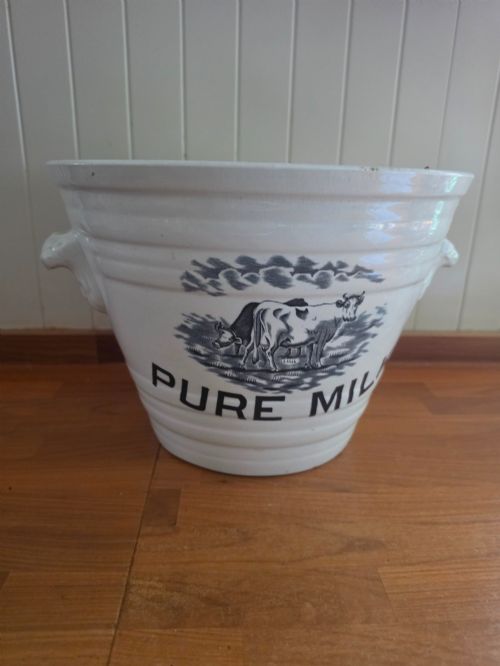
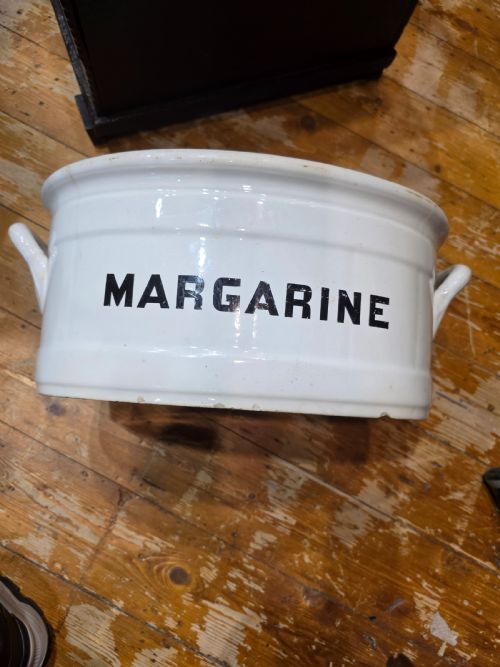
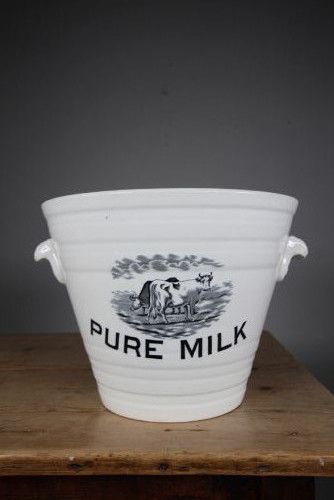
Surviving grocers slabs and dairy pails prove that nineteenth-century butter and margarine once travelled in style.
Assessing Quality and Execution
Quality rests primarily on the crispness of the transfer print, the precision of the hand-applied enamel colours, and the presence of rich gilding. Superior examples display clean lines, vibrant polychrome palettes, and careful registration during the printing process.
The complexity of the moulded form also separates standard production from exceptional work. Pieces featuring intricate handles, panelled bodies, or specialised shapes such as hydra jugs and octagonal profiles demand greater skill from the potter.
The weight, density, and resonance of the ceramic body indicate the purity of the initial clay mixture and the correct kiln temperature. Better wares retain a bright, unclouded glaze surface despite centuries of storage and handling.
Masons Ironstone·Spode·Hicks and Meigh·Livesley Powell and Co·Davenport
The Vintage Ironstone Glossary
- Ironstone china
- A patented British ceramic type developed to imitate porcelain while offering superior durability and strength.
- Clobbered
- Overglazed decoration added later to older white or blue-and-white transfer-printed ceramics, typically featuring bright colours and gold leaf.
- Imari
- A decorative style inspired by Japanese export wares, utilising iron red, cobalt blue, and gilt highlights on a white ceramic ground.
- Transfer printing
- A mechanical method of applying complex ink designs to ceramics using an engraved copper plate and tissue paper.
- Drainer
- A perforated ceramic insert placed inside a meat platter or serving dish to separate juices from the joint of meat.
- Porringer
- A small, handled bowl used historically for porridges, broths, and semi-liquid foods.
Vintage Ironstone: Frequently Asked Questions
What is vintage ironstone?
Vintage ironstone is a heavy, durable ceramic developed in the nineteenth century to provide a tough alternative to delicate porcelain. It combines the utility of earthenware with the bright appearance of fine china.
These wares were produced extensively by English potteries in both plain white utilitarian forms and brightly decorated patterns for dining and display.
How do I date my piece?
Dating relies on maker marks stamped or printed underneath, stylistic clues such as Regency or Victorian moulding, and the type of glaze used. Transfer-printed patterns often carry registration diamonds or factory ciphers that narrow the production window.
Comparing the weight, handle shape, and colour palette against documented examples from periods like the Georgian era helps determine age.
Can I use ironstone daily?
Most ironstone pieces were built for rigorous daily service in domestic kitchens, dairies, and dining rooms, making them structurally robust for modern use. Their thick ceramic bodies withstand regular handling.
Hand washing preserves delicate overglaze enamels and gold leaf better than mechanical dishwashers, preventing the glaze from dulling over time.
Why are some pieces marked patent?
Makers stamped patent ironstone to protect their specific clay recipes and manufacturing methods from rival potteries. This terminology distinguishes genuine heavy-bodied ironstone from standard earthenware.
Such stamps serve as useful indicators of early nineteenth-century production when the material was newly introduced to the market.