

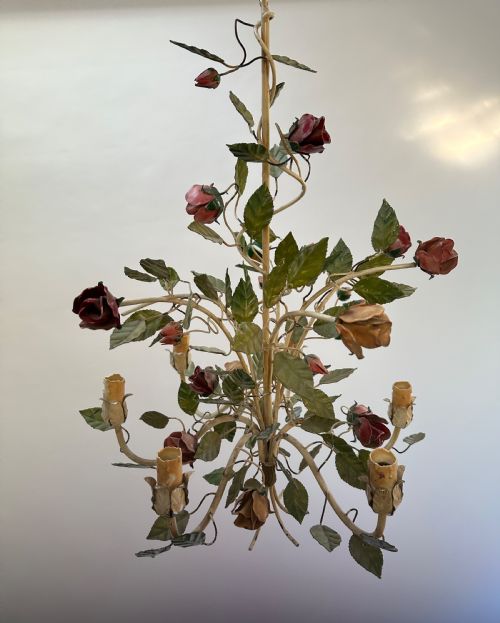


Vintage Iron Pendant Light
A vintage iron pendant light brings weight and presence to a room, offering industrial strength and time-worn character through forged metal and glass.
Vintage Iron Pendant Light
When searching for a vintage iron pendant light, collectors encounter substantial overhead fixtures forged from wrought iron, cast iron, and steel. These pieces span periods from the Victorian era and the nineteenth century through the early twentieth century, including Edwardian and nineteen-twenties designs.
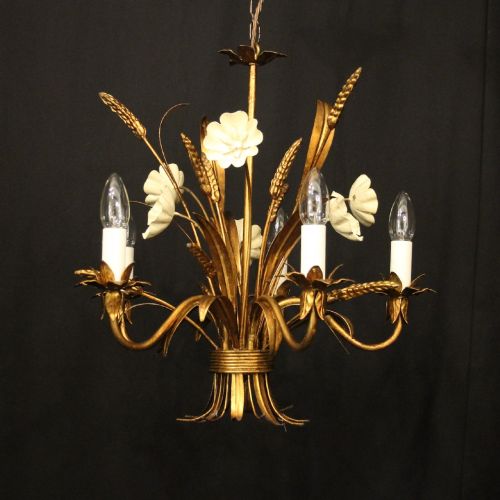
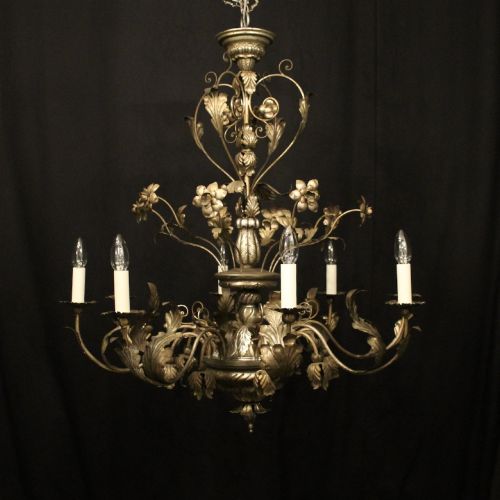
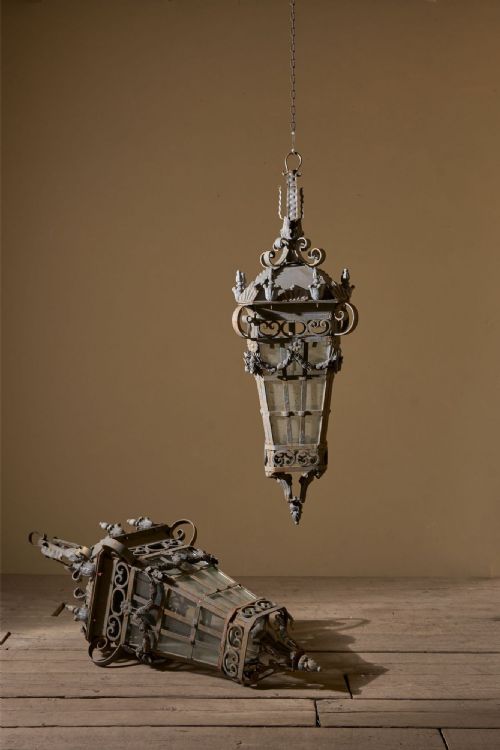
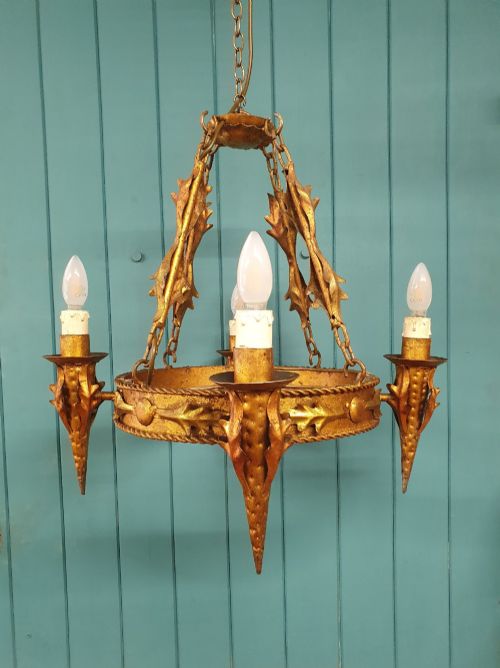
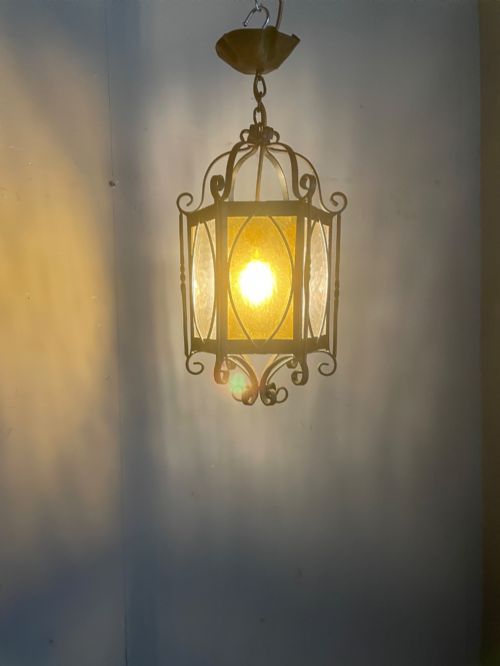
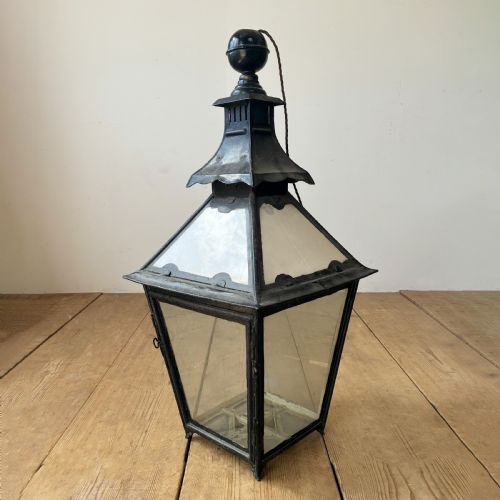
The selections on this page lean heavily toward French and Italian origins, alongside English factory lighting and hall lanterns. Forms range from hexagonal glazed lanterns and porch lights to multi-branched chandeliers and simple single-light drops.
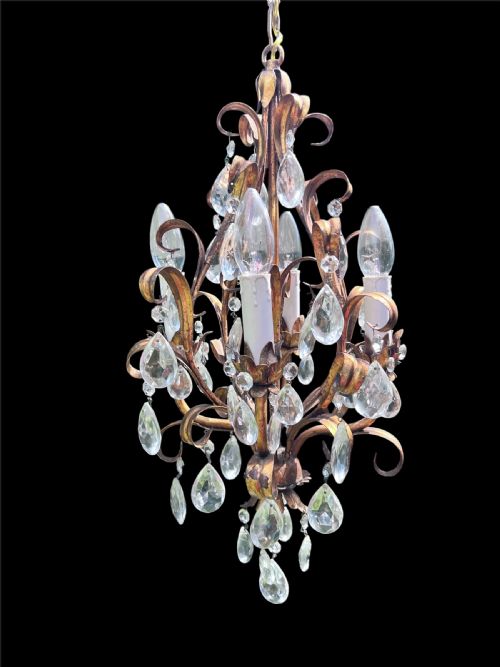
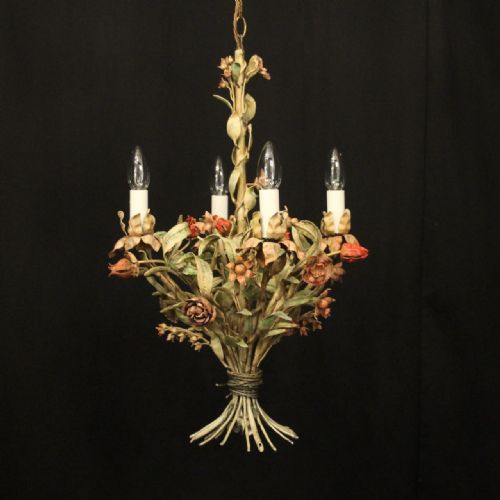
Buyers will find that many examples incorporate decorative metalwork, coloured glass, and crystal elements. The aesthetic varies from rustic blacksmith-made pieces to ornate continental designs with gilt and polychrome finishes.
How they were made
The construction relies primarily on iron, steel, and wrought iron frameworks shaped by hand or cast in moulds. Blacksmiths hammered and joined the metal components to create robust structures capable of supporting glass panels and heavy candle or electric fittings.
Many fixtures integrate glass, crystal, and leaded panes held securely within metal frames. Gilding, toleware polychrome paint, and copper accents were frequently applied to the iron surfaces for decorative effect.
Listings feature pieces spanning from the Victorian era and nineteenth century through to the nineteen-thirties.
What varies in quality
The distinction between ordinary and exceptional pieces rests upon the finesse of the metalwork and the originality of the components. Hand-forged blacksmith details and crisp casting separate bespoke fixtures from mass-produced utilitarian lighting.
The integrity and type of the glass elements also dictate the standard of the piece, with hand-cut crystals and leaded panels commanding greater regard. Surface finishes such as period gilding or original polychrome paint retain historical value compared to later repainting.
Schneider
The Vintage Iron Pendant Light Glossary
- Wrought iron
- Iron that has been heated and worked with tools by a blacksmith, yielding a fibrous texture and strength suitable for detailed scrollwork and sturdy lantern frames.
- Toleware
- Painted or lacquered metalware, often decorated with floral or polychrome motifs in imitation of Asian lacquerwork, frequently seen on continental chandeliers.
- Hall lantern
- An enclosed ceiling-hung light designed specifically for entranceways and corridors, typically featuring glazed sides to protect the flame or bulb from drafts.
- Gilt metal
- Metal coated with a thin layer of gold leaf or gold paint to give a luxurious appearance, commonly utilised on Italian and French frames.
Vintage Iron Pendant Light: Frequently Asked Questions
Where should I hang a vintage iron pendant light?
These fixtures suit entrance halls, high-ceilinged kitchens, and dining areas where their substantial drop and metal framework can command the space. They provide focused downward illumination while acting as a striking architectural focal point.
Ensure the ceiling height and structural support can accommodate the weight of cast iron or wrought iron bodies, particularly for larger multi-branched examples and glazed lanterns.
How do I determine the period of an iron pendant light?
Dating relies on examining the construction methods, such as hand-forged joinery versus machine casting, alongside stylistic indicators like Arts and Crafts simplicity or Victorian Gothic ornamentation. Materials like early steel or nineteenth-century wrought iron provide further chronological clues.
Comparing the wiring channels, suspension chains, and glass cutting techniques against established period examples helps narrow down the decade of manufacture.
Were these lights originally wired for electricity?
Many of the earlier pieces from the nineteenth century were initially designed for candles or gas before being converted for electric bulbs later in their lifespan. Porch lights and industrial factory fixtures often utilised robust housings built to withstand outdoor or workshop use.
Buyers should expect twentieth-century adaptations where electrical fittings were integrated into traditional frames originally lit by alternative fuel sources.
How do I care for antique iron and glass?
Maintenance involves gentle dusting with a dry microfibre cloth to protect delicate painted finishes, gilding, and aged metal patinas. Avoid harsh chemical cleaners that might strip historical surfaces or damage integrated crystal drops.
Glass panels and shades can be cleaned with a mild glass cleaner applied to a cloth rather than sprayed directly onto the surrounding iron framework.