



French Iron Light Fitting
These French iron light fitting examples bring authentic regional character and enduring illumination to a room.
French Iron Light Fitting
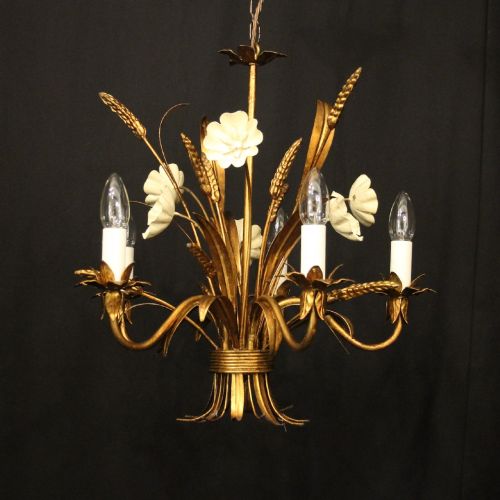
A french iron light fitting primarily takes the form of a chandelier, bringing substantial metalwork and illumination to interior spaces. These fixtures span from the late nineteenth century through to the interwar decades, showing considerable variety in their regional origins.
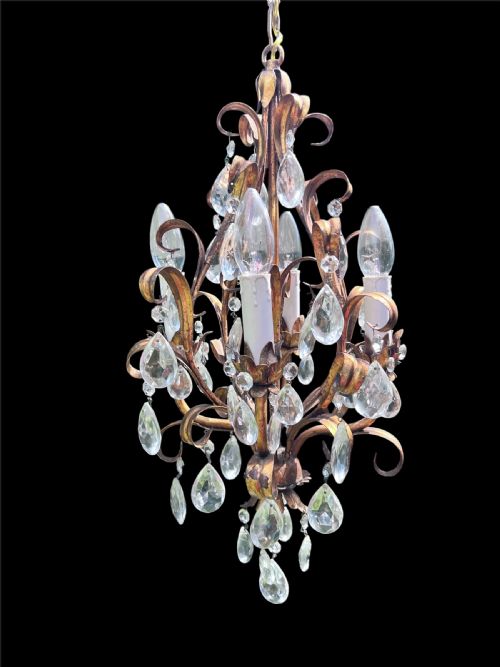
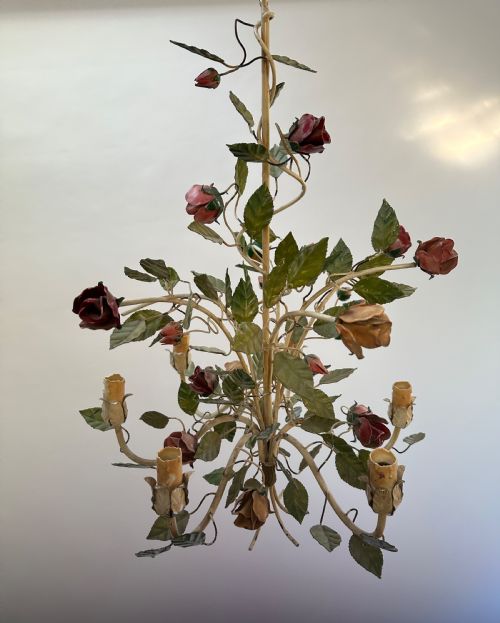
Buyers will most frequently encounter pieces fashioned from wrought iron, often paired with glass or crystal elements. The aesthetic borrows heavily from provincial and chateau traditions, incorporating floral or leafy details alongside multi-light branches.
The selection ranges from robust polychrome iterations to gilded surfaces and simpler green steel designs. Each object reflects the decorative tastes of its specific decade, from ornate revivalism to cleaner early twentieth century lines.
How they were made
The construction relies heavily on forged iron and wrought iron frameworks that provide structural backbone and scrollwork branches. Artisans shaped the metal by hand, welding or riveting components together to support multiple light sources.
Gilt metal and painted finishes were frequently applied to the iron to enhance decorative appeal, incorporating polychrome highlights or gilding. Glass and crystal drops, fruits, and drips were then suspended from the metal arms to catch and refract the light.
Some branches come laden with glass crystal apples, grapes, and pears.
What varies in quality
The finesse of the metalwork distinguishes a superior french iron light fitting from a simpler utilitarian piece. Hand-forged scrolling, delicate leaf motifs, and integrated structural elements demonstrate higher artisan skill than rigid or repetitive machine work.
Surface treatment and ornamentation also dictate the grade of the fixture. The presence of hand-applied polychrome pigments, careful gilding, and quality glass crystal drops elevate the visual depth and overall presence of the chandelier.
Verrerie Des Vosges
The French Iron Light Fitting Glossary
- Wrought iron
- A tough, malleable iron that can be heated and forged into decorative scrolls and structural arms. It forms the primary chassis for many historical hanging fixtures.
- Polychrome
- Painted in several colours to highlight decorative details such as leaves or floral motifs. This finish adds surface warmth and visual complexity to the metal.
- Gilt metal
- Metal coated with a thin layer of gold leaf or gilt paint to simulate solid gold. It reflects ambient light and adds a layer of opulence to the design.
- Crystal drop
- A piece of cut glass or crystal suspended from the chandelier branches to refract light. These elements catch the illumination and scatter prismatic sparkles across the room.
French Iron Light Fitting: Frequently Asked Questions
How do I clean a french iron light fitting?
Dust the iron framework regularly with a soft, dry cloth to prevent accumulation. Glass and crystal elements can be wiped down gently with a mild cleaner on a cloth.
Avoid harsh chemical solvents that might strip polychrome paint or gilding from the metal surfaces. Ensure the fixture is switched off before undertaking any maintenance.
What rooms suit a french iron light fitting?
These chandeliers suit dining rooms, living spaces, and hallways where a strong focal point is desired. The substantial iron framework anchors high ceilings and adds historic weight to the interior.
Pair them with traditional furnishings or use them as a contrasting element in more contemporary spaces. The scale of the fixture should match the proportions of the room.
How are these chandeliers wired?
Historical light fittings require modern electrical rewiring to meet current safety standards. A qualified electrician should adapt the internal components for domestic installation.
Original sockets and wiring are generally replaced to ensure safe operation. The structural hanging loops and chains must also be checked to support the weight securely.
How do I date a french iron light fitting?
Stylistic clues such as Art Nouveau curves or heavy Rococo revival scrolling help indicate the era of manufacture. Material choices, including green steel or specific polychrome finishes, point toward early twentieth century production.
Maker marks, where present on glass elements or metal tags, provide further chronological context. Construction methods also assist in distinguishing nineteenth century hand-forging from later work.