







Vintage Iron Lantern
A vintage iron lantern brings structural weight and industrial character to a hallway, porch or garden.
Vintage Iron Lantern
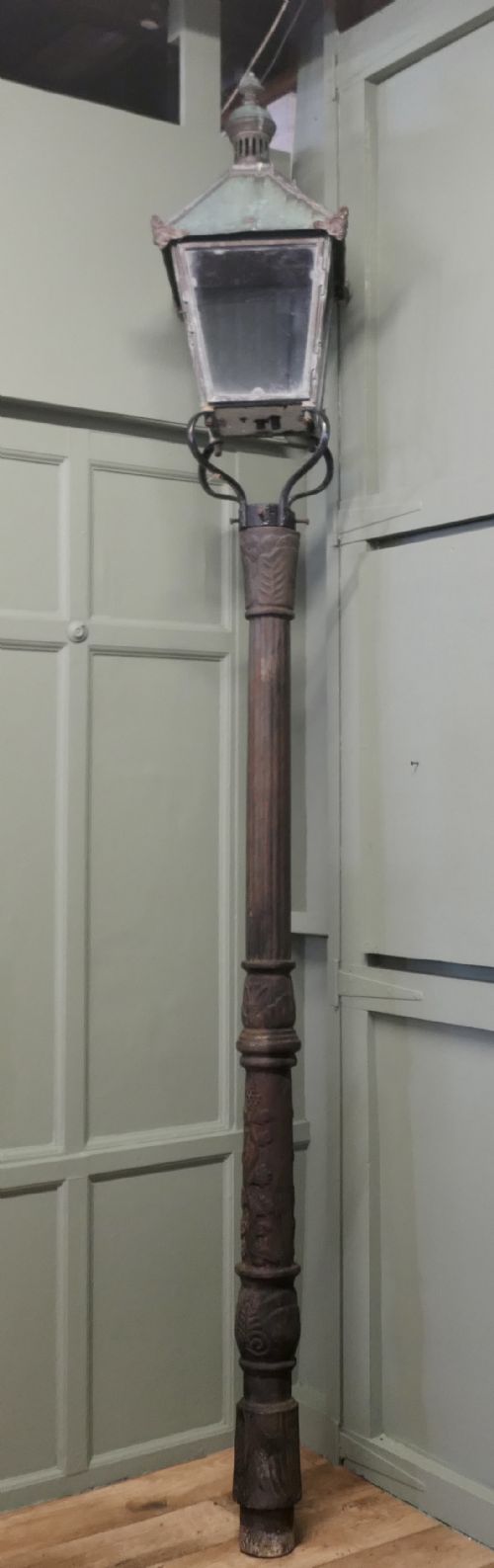
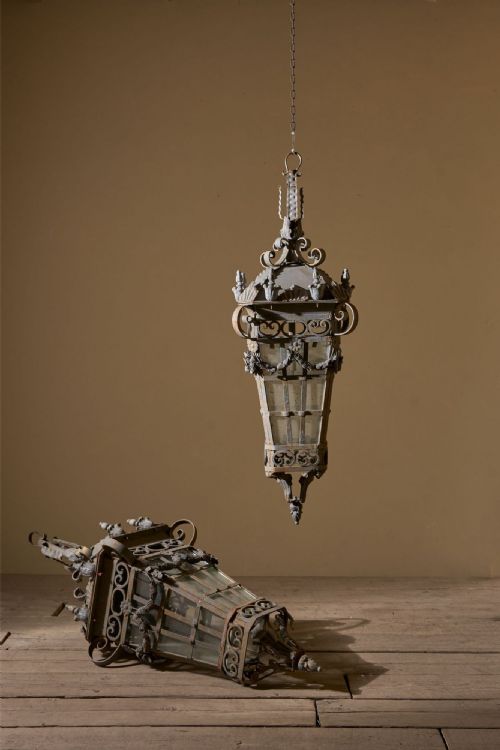
When you search for vintage iron lantern, you encounter robust lighting fixtures designed for practical illumination across centuries of domestic and municipal life. These objects range from heavy structural street lighting and railway lamps to decorative hall pendants and exterior wall brackets.
The selections span eras from the eighteenth century through the Victorian period and into the early twentieth century, including Edwardian and Art Deco designs. Wrought iron, cast iron and steel form the primary structural frameworks for these pieces, often combined with glass panels and metal trims.
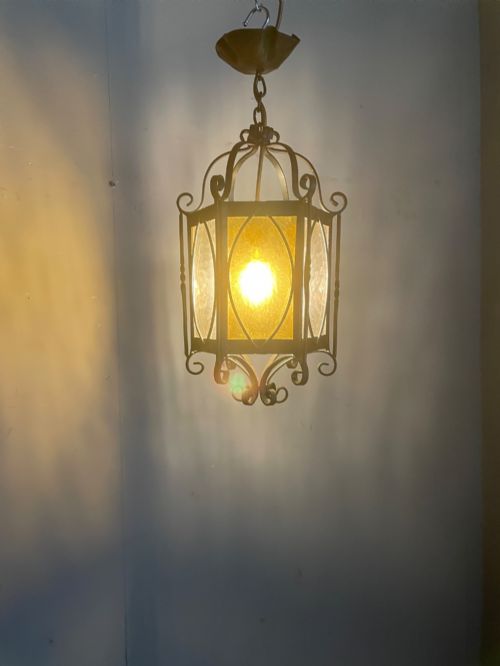
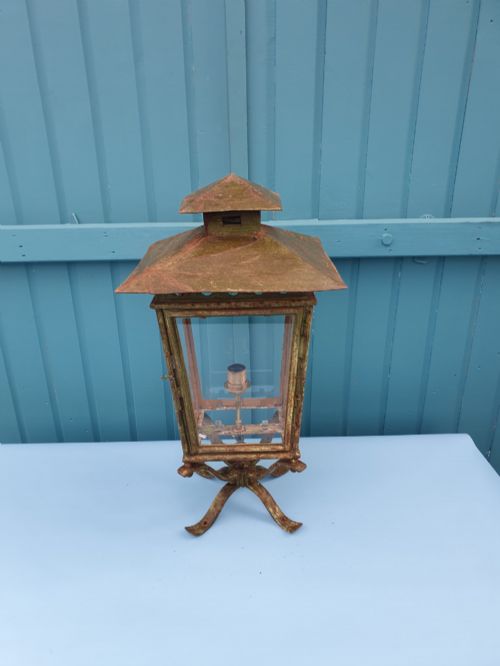
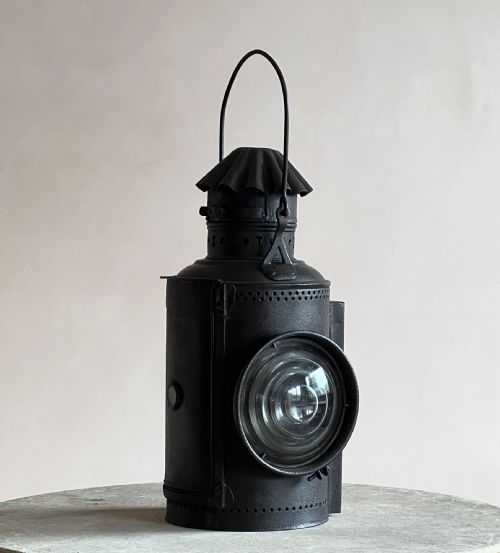
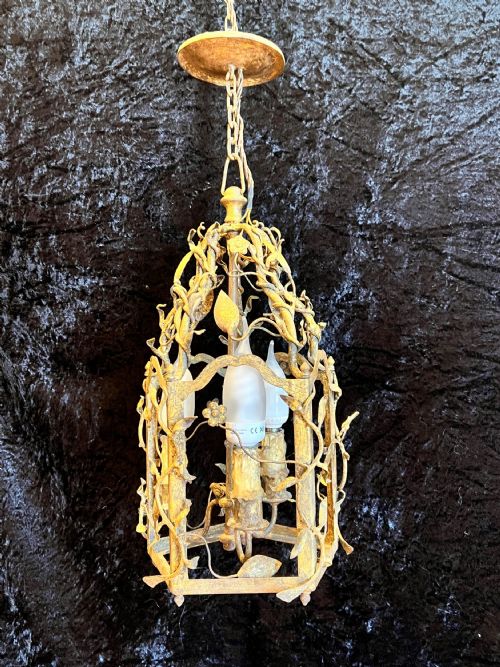
Common forms on this page include hanging hall lanterns, carriage lamps, wall-mounted porch lights and substantial lampposts. Many pieces reflect utilitarian origins such as railway operation or street lighting, whilst others display ornamental styles like Gothic Revival and French Arts and Crafts.
Materials and Construction
Makers utilised forged wrought iron and moulded cast iron alongside structural steel to build durable frames capable of enduring outdoor elements and daily handling. These metals frequently received protective coats of paint or developed rich natural patinas over decades of exposure.
Panels of clear, frosted or leaded glass were fitted into the metal frameworks to protect flames and bulbs from wind and rain. Artisans incorporated secondary metals such as copper, brass and zinc for reflective interior components, decorative trims and structural fixings.
Vintage Iron Lantern Retail Price Guide 2026
Typical asking prices for vintage iron lantern among the pieces listed under this phrase on Sellingantiques today, from the lower quarter to the upper quarter. They describe what is for sale here now, not the wider market.
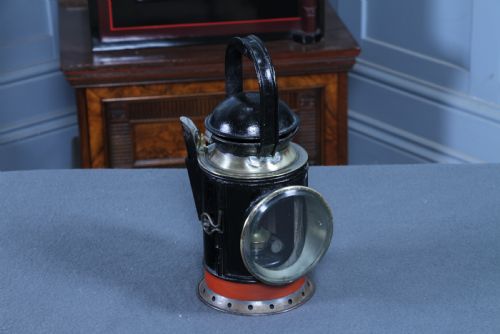
One railway inspector's hand lamp carries a tri-colour lens system for signalling, ready for a conductor's pocket watch.
Evaluating Quality
Superior examples demonstrate careful hand-forged joinery by traditional blacksmiths, displaying clean lines and secure structural rivets rather than mass-produced welds. The thickness and weight of the iron framework indicate the substantive nature and original purpose of the item.
The integrity of the original glass panels and the survival of makers' details, specialised lenses or functional brackets elevate certain pieces above standard utility items. Quality also rests in the preservation of original painted surfaces, patinas and mechanical components like opening doors or railway signal filters.
Daris·Dressel·Revo Tipton
The Vintage Iron Lantern Glossary
- Wrought iron
- A tough, malleable form of iron that can be heated and hammered into decorative and structural shapes by a blacksmith. This material yields fibrous textures visible upon close inspection.
- Cast iron
- Iron poured into a mould in a liquid state to create rigid forms and complex decorative patterns. It offers heavy structural mass and distinct surface textures from the casting process.
- Hall lantern
- An interior hanging light designed specifically for entranceways, corridors and stairwells. These fixtures usually feature enclosed glass sides to shield candlelight, oil flames or early electric bulbs.
- Carriage lamp
- A specialised side lamp formerly mounted to horse-drawn carriages and early motor cars. They typically incorporate angled glass panes and prominent mounting brackets.
- Gothic Revival
- An architectural and decorative style drawing inspiration from medieval design. Pieces in this tradition often feature pointed arches, tracery patterns and heavy ironwork.
Vintage Iron Lantern: Frequently Asked Questions
How were these lanterns originally lit?
Early examples relied on tallow candles or oil burners to provide illumination for streets, railway platforms and domestic hallways. Many surviving specimens were later converted to use gas lighting and subsequently adapted for modern electric wiring.
Collectors often seek out items that retain their original fuel reservoirs, burners or specialised multi-coloured railway lenses even when the internal wiring has been updated for contemporary living.
Where should I hang a hall lantern?
Substantial hanging lanterns suit high ceilings in entrance halls, stairwells and large vestibules where their architectural weight can be appreciated from multiple angles. Ensure the drop height allows adequate clearance beneath the lowest point of the frame.
Weight is a crucial consideration when installing these heavy iron fixtures, as secure ceiling joists or proper wall anchors are necessary to support the metalwork safely.
Can outdoor lanterns withstand modern weather?
Most antique exterior lights constructed from iron, copper and brass were built to endure punishing municipal and industrial environments. However, centuries of exposure can leave iron susceptible to further oxidation if protective coatings are neglected.
Applying appropriate metal conservation treatments helps stabilise the historical patina and protects the structural integrity of pieces placed in open gardens or exposed porches.
How do I date an iron lantern?
Dating relies on observing construction methods, such as distinguishing hand-forged wrought iron joints from later machine-pressed steel components. Stylistic clues like Victorian Gothic motifs or Art Deco geometric glass panels also help narrow the manufacturing era.
Maker marks, railway company stamps and patent numbers stamped into the metal framework provide definitive historical markers for specific workshops and production years.