

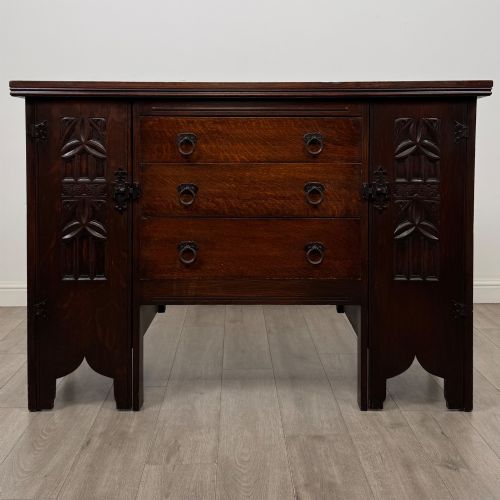
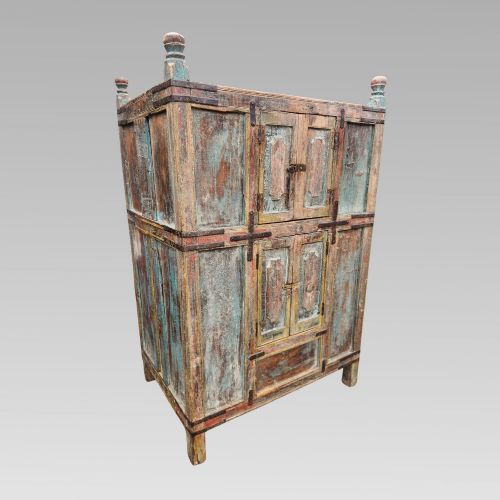
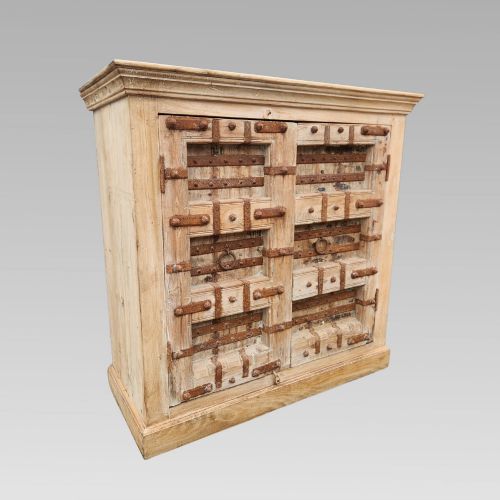
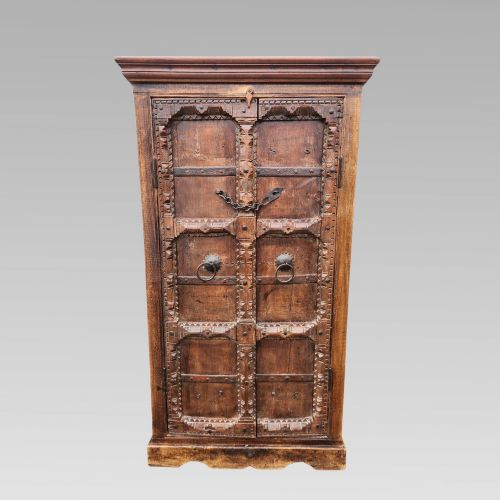
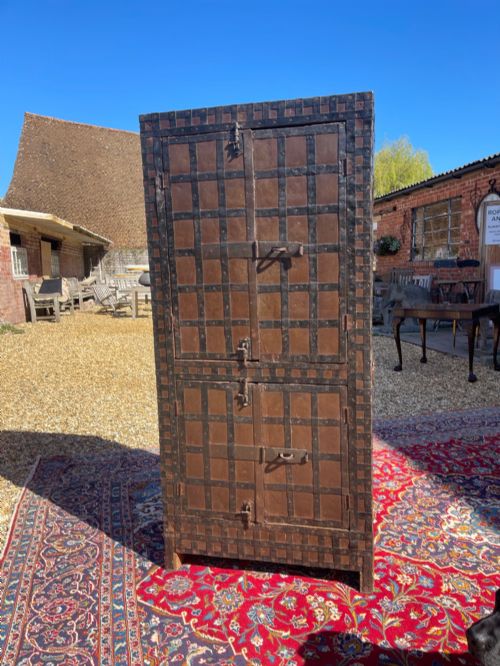
Vintage Iron Cabinet
A vintage iron cabinet brings industrial resilience and utilitarian character to an interior, offering robust storage built from durable metal.
Vintage Iron Cabinet
A vintage iron cabinet is a piece of storage furniture constructed primarily from metal, often incorporating steel, cast iron, or wrought iron. Buyers searching this phrase encounter heavy-duty workshop pieces, medical or engineer's cupboards, and architectural storage solutions originating from the nineteenth and early twentieth centuries.
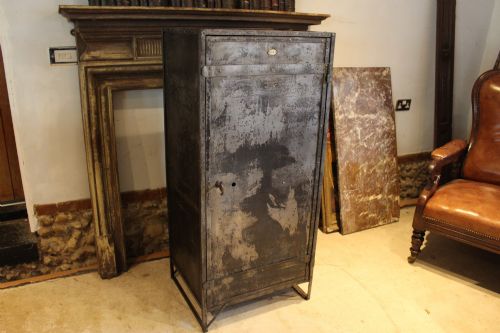
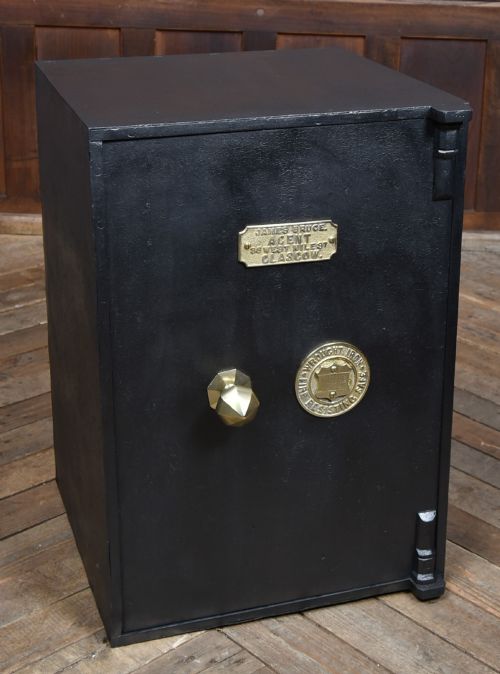
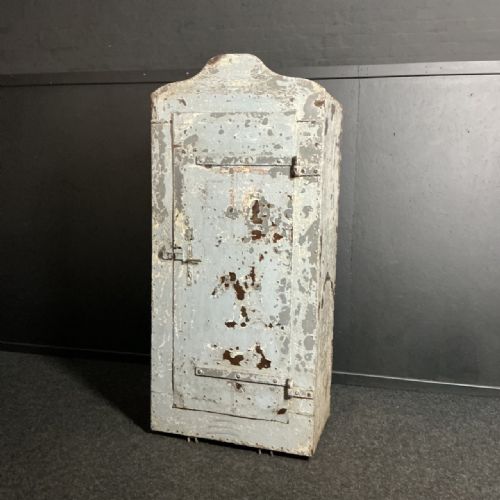
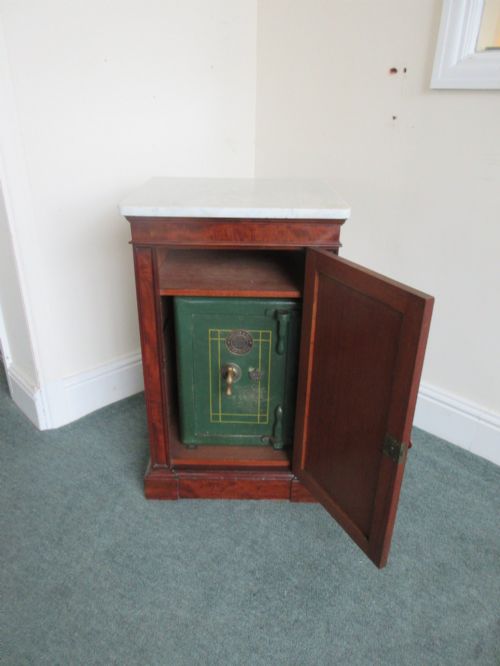
The versions most commonly met on this page include French industrial metal cupboards, British safes, and engineer's cabinets from periods spanning the Victorian era through the 1930s. These utility pieces often retain original painted finishes, remnants of operational branding, and heavy-duty locking mechanisms.
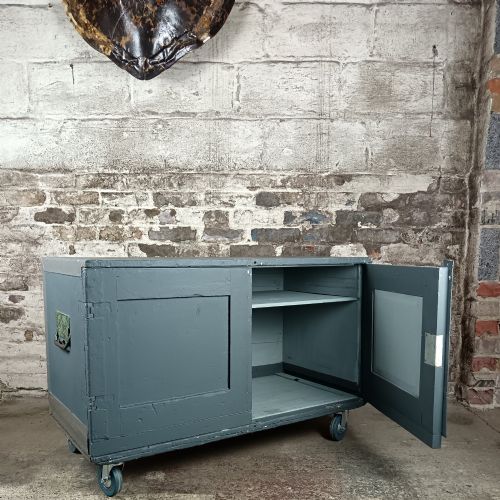
Beyond standard cupboards, the category extends to metal-bound storage, field kitchen dressers, and shop display stands utilising iron frames. Their utilitarian origins mean they were built for longevity in factories, offices, and workshops rather than domestic drawing rooms.
Materials and construction methods
Construction relies heavily on sheet metal, cast iron, and wrought iron, often combined with riveted plates and structural steel frames. Makers utilised heavy-gauge metal to withstand industrial environments, securing panels with robust rivets or welds rather than standard domestic joinery.
Surfaces frequently show the legacy of industrial use, bearing original painted finishes, protective enamels, or patinated metal left raw after decades of service. Hardware such as hinges, handles, and locking bars are cast or forged separately and bolted directly to the body for maximum strength.
Vintage Iron Cabinet Retail Price Guide 2026
Typical asking prices for vintage iron cabinet among the pieces listed under this phrase on Sellingantiques today, from the lower quarter to the upper quarter. They describe what is for sale here now, not the wider market.
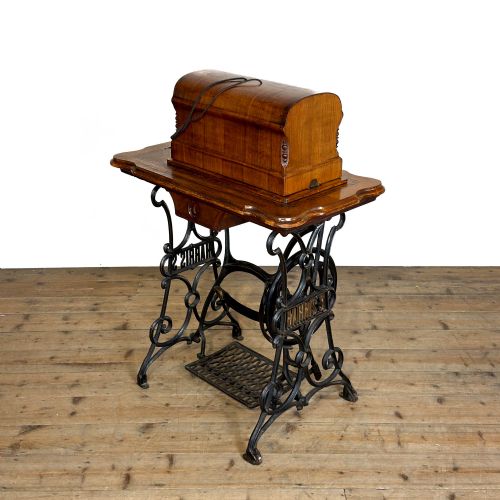
Mounted buffalo horns sit alongside safes, sewing tables, and slate shelving.
What separates examples in quality
Quality in these utility items rests on the integrity of the original metalwork, the thickness of the plate used in the body, and the survival of authentic mechanical hardware. Heavier gauge steel and intact, functioning locking mechanisms distinguish robust commercial pieces from lighter domestic imitations.
The condition of the surface finish plays a central part in an example's appeal, particularly where original painted signage, distressed patination, or untouched industrial coatings survive. Pieces retaining their manufacturer plates, original keys, and uncompromised structural alignment represent the standard of the category.
James Bruce·F. Whitfield and Co·Liberty and Co·Chubb·Waring and Sons·Milners·George Price
The Vintage Iron Cabinet Glossary
- Cast iron
- An iron-carbon alloy poured into a mould to form rigid, heavy components. It provides the solid chassis and decorative legs seen on industrial furniture.
- Wrought iron
- Iron that is heated and worked with tools rather than cast in a mould. This material is known for its fibrous structure and tensile strength.
- Engineer's cabinet
- A heavy metal storage unit originally designed for precision tools and workshop components. These pieces typically feature multiple shallow drawers or reinforced cupboard doors.
- Patination
- The surface alteration and ageing developed through years of handling, exposure, and wear. It denotes the authentic visual depth acquired over a century of use.
Vintage Iron Cabinet: Frequently Asked Questions
Are these cabinets heavy?
Yes, these storage pieces are constructed from solid iron, steel, and cast components, making them exceptionally heavy and robust.
Buyers should plan their placement carefully, as moving them requires multiple people and consideration of floor weight capacity.
Can I use an industrial metal cupboard in a modern kitchen?
These cupboards provide durable, utilitarian storage that suits contemporary kitchen spaces seeking an industrial aesthetic.
Their metal construction resists heavy use and offers a distinct contrast to wooden cabinetry.
How do I care for original painted metal surfaces?
Maintenance involves dusting with a dry cloth and avoiding harsh chemical cleaners that might strip the historic finish.
Applying a microcrystalline wax can protect exposed iron and retain the patinated surface without altering its appearance.
How can I tell a Victorian iron piece from a later 1930s example?
Victorian items often feature heavier cast iron components, elaborate brass or iron hardware, and construction methods tied to early safes and industrial machinery.
Later pieces from the 1920s and 1930s tend to utilise thinner sheet steel, cleaner lines, and simpler ventilation louvres suited to modern workshops.