



Vintage Interior Print
A vintage interior print brings the layered atmosphere of past rooms onto your walls through period paper and ink.
Vintage Interior Print
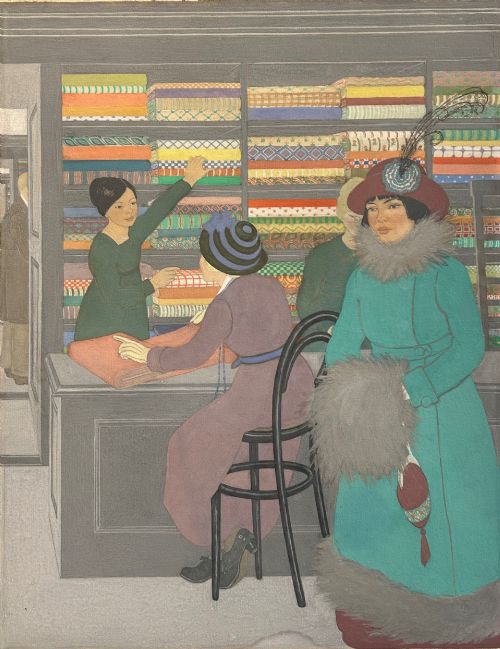
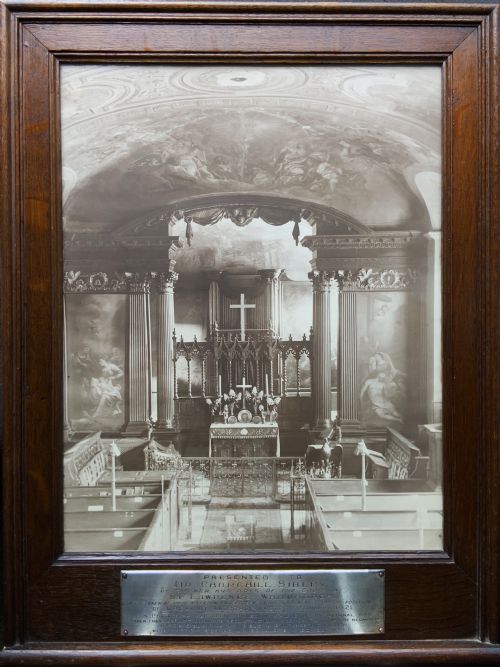
When you search for a vintage interior print, you encounter a distinct array of wall art, framed prints, and original drawings capturing historic spaces. The selection spans the nineteenth century through the mid-twentieth century, encompassing architectural drawings, chrystoleums, and coloured engravings.
You are most likely to meet pieces originating from the nineteenth century and Edwardian period, often set within wood frames or oak mounts. These works frequently depict ecclesiastical interiors, architectural studies, and domestic scenes executed on paper.
The assortment reflects diverse stylistic influences ranging from Gothic Revival and Victorian to Art Deco and Modern British. Each piece serves as a visual record of interior aesthetics from bygone eras, preserved through ink, lithography, and photography.
Factors of quality
Quality rests upon the precision of the draughtsmanship and the clarity of the printed impression. Original drawings and early lithographs demonstrate superior line definition compared to later reproductions.
The integrity of the framing materials and the preservation of the paper substrate dictate the overall standard. Pieces retaining their original mounts and untreated paper surfaces represent the higher tier of the range.
Vintage Interior Print Retail Price Guide 2026
Typical asking prices for vintage interior print among the pieces listed under this phrase on Sellingantiques today, from the lower quarter to the upper quarter. They describe what is for sale here now, not the wider market.
Cats appear unexpectedly observing kitchen activities among centuries of solemn church altars and cathedral arches.
The Vintage Interior Print Glossary
- Chrystoleum
- A historical method of applying a hand-coloured print to glass and rendering it translucent with oil paints. This technique creates a luminous, three-dimensional depth within the finished picture.
- Lithograph
- A planographic printing process utilising a stone or metal plate to transfer an image onto paper. It allows for fine tonal gradations and precise linework.
- Mezzotint
- A printmaking process of the intaglio family where the surface is roughened to achieve rich dark tones and subtle gradations of light. It was frequently employed for translating oil paintings into monochrome prints.
- Etching
- A technique where lines are bitten into a metal plate with acid before ink is applied for printing. This process yields sharp, highly expressive lines on paper.
Vintage Interior Print: Frequently Asked Questions
How do I hang a framed print?
Secure picture wire to sturdy wall anchors appropriate for your wall type to distribute the weight evenly. Position the centre of the piece at eye level for optimal viewing within your room.
Keep framed works away from direct sunlight and damp environments to protect the paper and ink from degradation over time.
What periods do these prints cover?
The listings span from the mid-nineteenth century through the Edwardian era up to the mid-twentieth century. This includes specific dates such as eighteen-fifty and nineteen-thirty.
Earlier examples often feature architectural drawings and church interiors, while mid-century works showcase colour etchings and printed fabrics.
How are architectural drawings identified?
Architectural drawings typically display precise ink linework detailing structural elements like cathedrals, altars, and ecclesiastical interiors. Signatures or inscriptions often denote the draughtsman or specific buildings.
Paper ageing, iron gall ink characteristics, and period framing further indicate authenticity and age.
Can I clean the glass on a chrystoleum?
Clean the exterior glass gently with a soft cloth and a mild glass cleaner applied to the cloth rather than directly onto the frame. Avoid applying pressure that might disturb the delicate painted layers beneath the glass.
Interior cleaning should be left to a professional conservator to prevent damage to the historic chrystoleum construction.