




Vintage Industrial Signage
Vintage industrial signage brings hard-wearing workplace history straight to the wall.
Vintage Industrial Signage
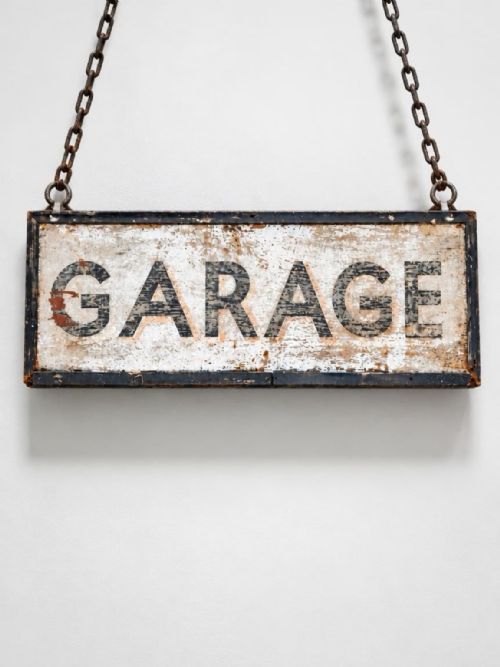
When you search for vintage industrial signage, you encounter authentic survivors from factories, streets, and trades spanning the Edwardian era through the mid-twentieth century. The listings on this page most commonly show wall signs, trade signs, and street signs originating from British, French, and general industrial salvage contexts.
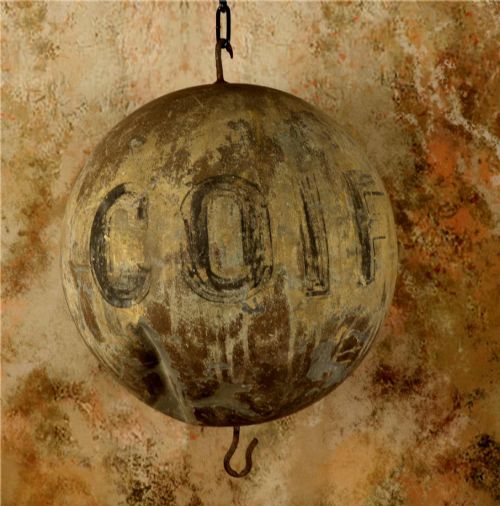
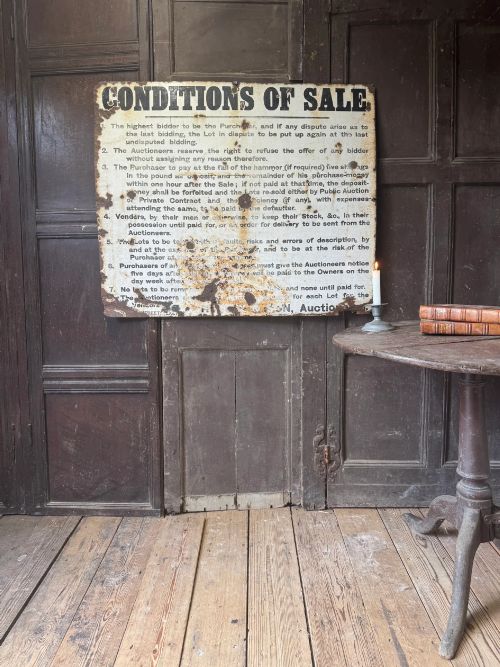
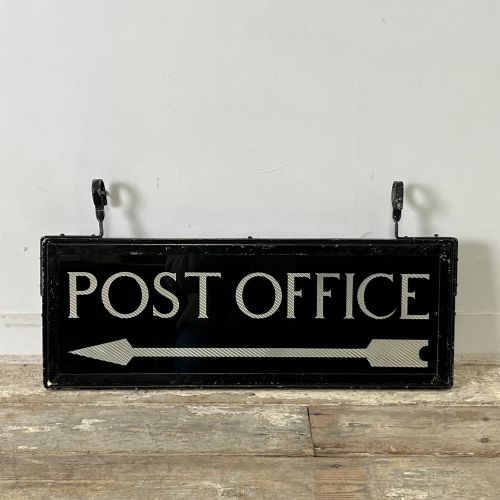
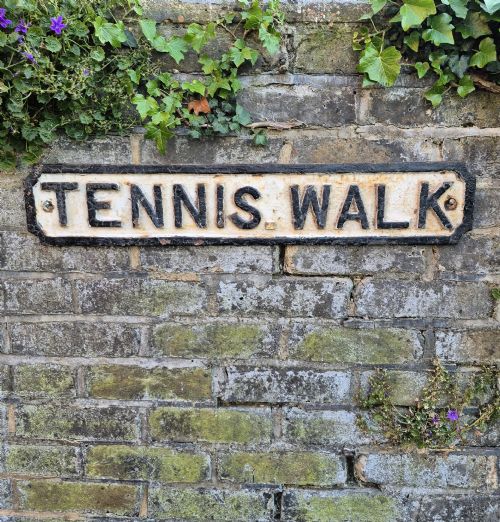
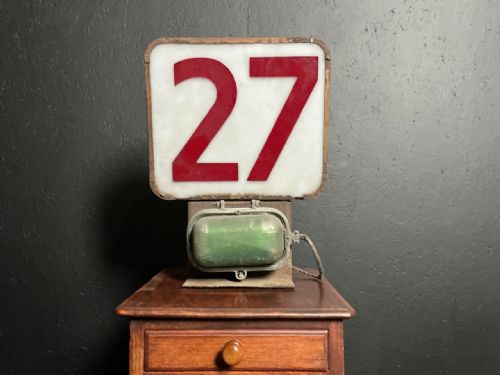
Forms vary from double-sided glass post office direction signs to cast iron trade plates and painted metal auctioneers' notices. You also find specialised pieces such as fish auction bidders' numbers and rustic glass reflectors integrated into large wood direction boards.
The periods represented stretch from the 1900s and 1920s to the 1930s and 1950s, capturing decades of practical commercial communication. These objects served functional roles in daily commerce before finding new life as wall signage in contemporary interiors.
Materials and construction methods
Makers utilised robust materials designed to withstand heavy commercial use, predominantly employing iron, cast iron, wrought iron, and sheet metal. Painted metal surfaces and enamelling provided durable finishes that could endure factory floors and outdoor exposure.
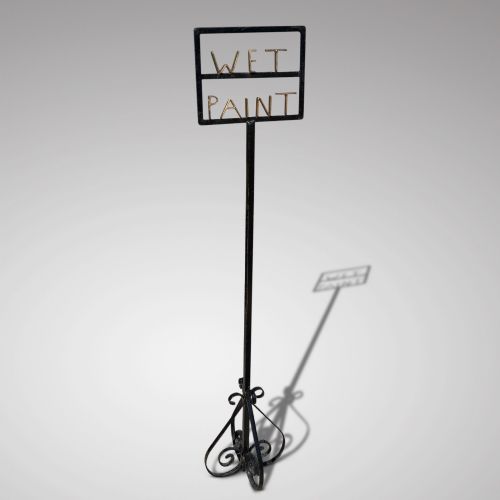
Wood served as a primary base for directional boards and trade signs, often paired with glass elements such as rustic glass reflectors. Wrought iron brackets and frames added structural support to hanging or standing formats.
Vintage Industrial Signage Retail Price Guide 2026
Typical asking prices for vintage industrial signage among the pieces listed under this phrase on Sellingantiques today, from the lower quarter to the upper quarter. They describe what is for sale here now, not the wider market.
Fish auction bidders needed physical numbers to secure their catch, turning humble metal tallies into unexpected wall art.
Distinctions in quality
Quality rests in the legibility of the lettering, the preservation of original paint layers, and the integrity of the base material. Pieces retain greater character when surface wear reflects genuine workplace deployment rather than artificial distress.
Construction details distinguish standard utility items from specialised commissions, such as double-sided glass fabrication or crisply cast iron lettering associated with specific mercantile firms.
The Vintage Industrial Signage Glossary
- Trade sign
- A functional board or marker utilised by a business or merchant to advertise services or direct customers. These objects range from painted metal auction notices to specialised wooden indicators.
- Cast iron
- An iron-carbon alloy poured into moulds to create rigid components with raised lettering or decorative borders. This material provided exceptional durability for exterior trade signs.
- Enamelled sign
- A metal substrate fused with a vitreous glass coating through high-temperature firing. This technique produced glossy, weather-resistant surfaces suited for double-sided outdoor display.
- Industrial salvage
- Material recovered from disused factories, warehouses, and commercial premises for decorative or historical reuse. This category encompasses everything from directional markers to auction room identifiers.
Vintage Industrial Signage: Frequently Asked Questions
What defines vintage industrial signage?
These pieces comprise authentic workplace markers, trade notices, and street signs produced during the early to mid-twentieth century. They reflect the utilitarian needs of post offices, auctioneers, and local trades.
Materials typically include iron, painted metal, wood, and glass designed for heavy commercial environments rather than domestic decoration.
How were these signs originally used?
Businesses and public authorities mounted them on walls, streets, and trade premises to direct foot traffic or indicate specific services. Examples include auction conditions, post office directions, and bidder identifiers.
Their primary function was clear communication in busy commercial or municipal settings before becoming sought-after decorative objects.
How do I style these signs at home?
Mount them directly onto interior walls to introduce texture and historical narrative into residential or commercial spaces. Their robust metal and wood construction anchors modern or rustic interior schemes.
Consider the hanging mechanism and weight of materials like cast iron or double-sided glass when selecting a display location.
How can I tell the periods apart?
Edwardian and early twentieth-century examples often feature traditional painted typography on wood or early enamelled metal techniques. Mid-century pieces tend to show different manufacturing standards and streamlined industrial layouts.
Examining the underlying materials, from wrought iron to sheet metal, helps contextualize the manufacturing era.