
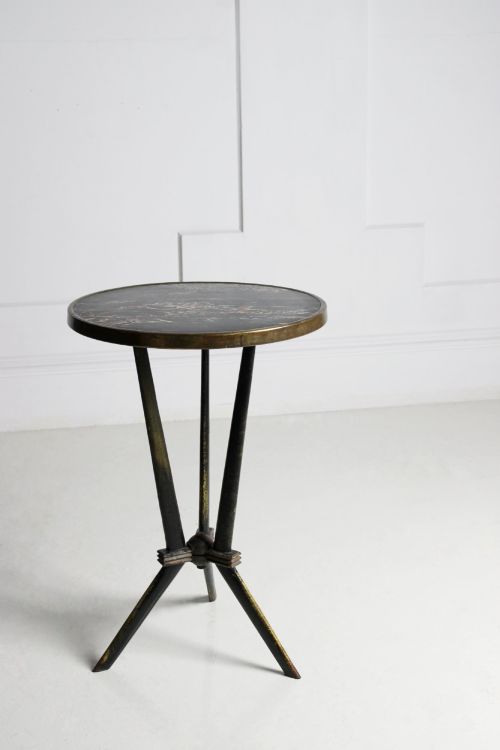
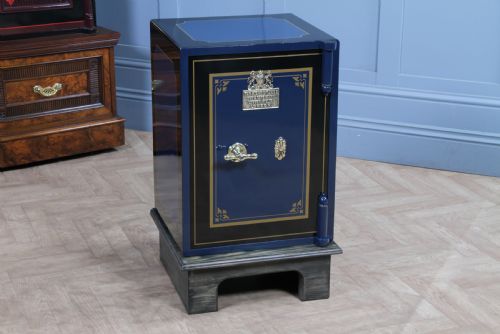
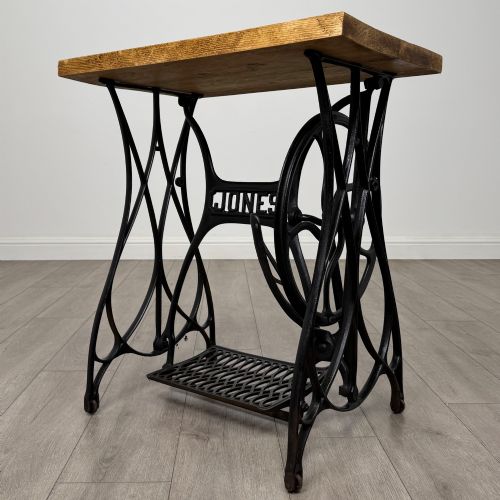
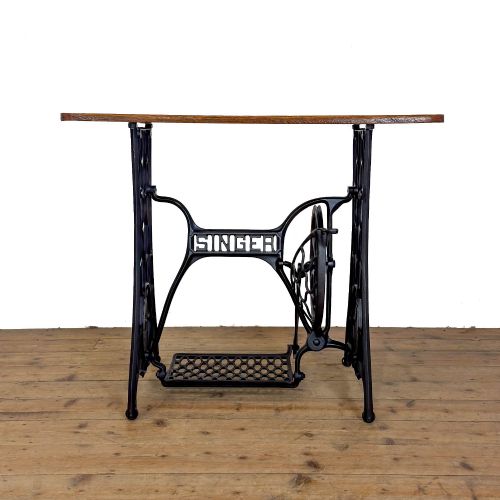



Vintage Industrial Side Table
A vintage industrial side table brings sturdy metal bases and seasoned timber tops together to anchor a room with utilitarian character.
Vintage Industrial Side Table
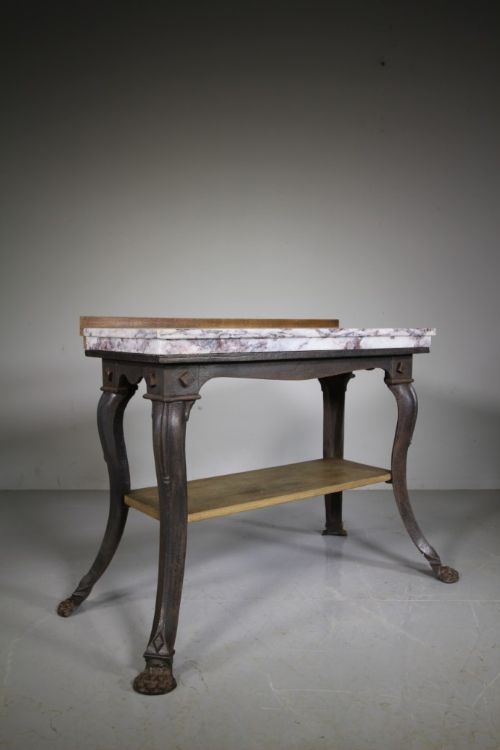
A vintage industrial side table combines robust metal frameworks with timber or stone surfaces, originating from functional workspaces of the nineteenth and early twentieth centuries. These pieces emerge from diverse settings including pubs, workshops, and domestic interiors across Victorian, Edwardian, and later periods.
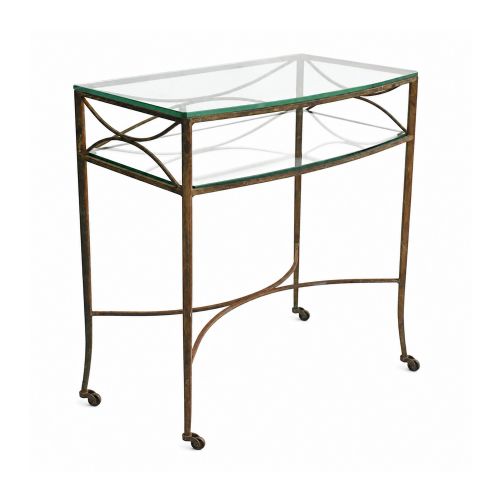
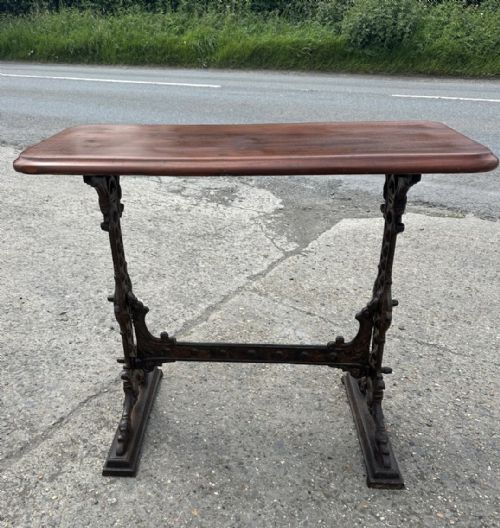
The selections available here lean heavily toward cast iron bases paired with pine, oak, or mahogany surfaces, alongside specialised forms like converted sewing machine stands and pub tables. Buyers frequently encounter console tables, bistro tables, and garden tables that adapt these industrial materials for modern domestic use.
Materials and construction methods
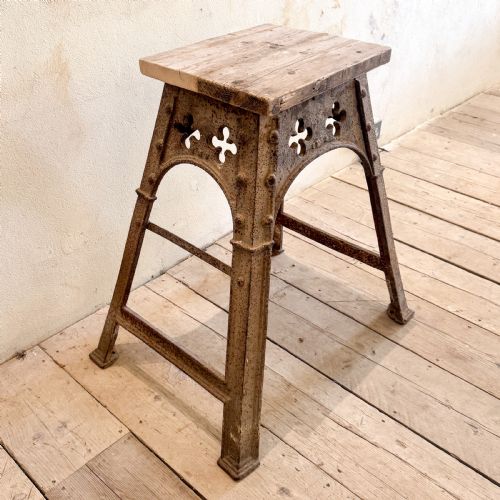
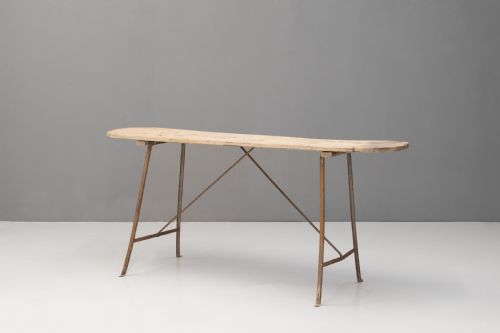
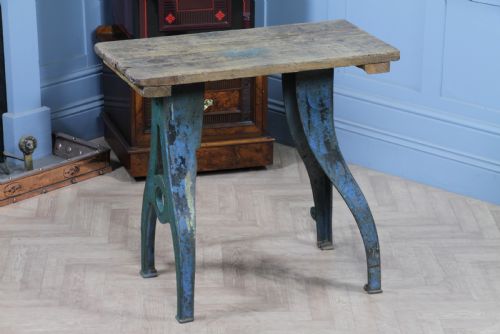
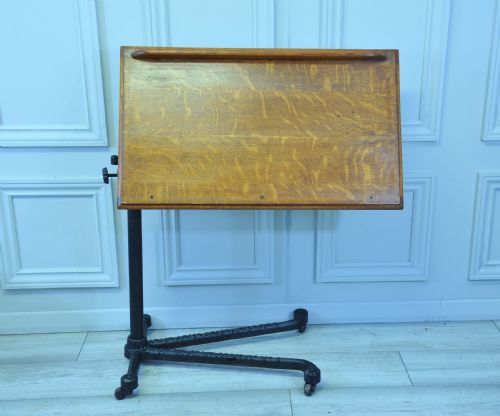
Makers utilised heavy structural materials designed for endurance, primarily cast iron, wrought iron, and steel for the supportive bases. These metal components often feature detailed casting marks or functional mechanisms such as adjustable height screws and folding frames.
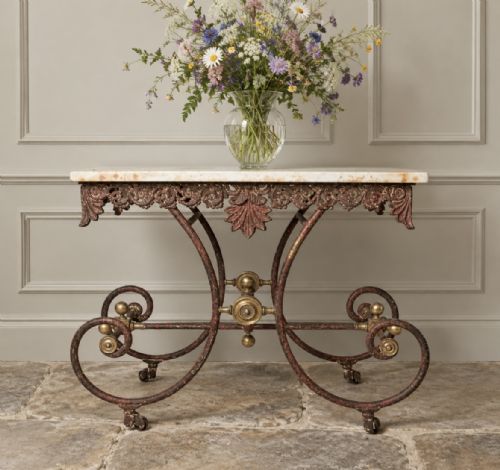
Working surfaces were constructed from dense hardwoods like oak and mahogany, or softwoods such as pine, frequently complemented by polished marble slabs. These tops show the wear of practical labour, secured firmly to metal pedestals or trestle structures.
Listings feature items spanning the nineteenth century through the 1930s, utilising pine, oak, marble, cast iron, and steel.
Assessing build quality and material integrity
Quality rests in the original relationship between the heavy metal base and its top, where genuine period integration surpasses later assembled combinations. The weight, stability, and integrity of the cast iron or steel frame dictate the structural soundness of the piece.
The character of the surface timber or marble significantly influences the overall merit, favouring pieces with honest patination and natural grain retention over excessive restoration. Original maker stamps, such as those from London manufacturers, add tangible historical value.
The Vintage Industrial Side Table Glossary
- Cast iron
- A strong, heavy iron-carbon alloy poured into moulds to create intricate and durable bases for tables and machinery. This material forms the structural foundation of most pieces in this category.
- Britannia metal
- A specific tin-based alloy often used in manufacturing decorative and functional items, associated with traditional pub table designs. It provides a bright, pewter-like appearance.
- Trestle table
- A table supported by horizontal beams connected to upright posts, allowing for stability without bulky corner legs. This form appears frequently in French and English workshop contexts.
- Patina
- The surface sheen and colour acquired by wood, metal, and stone through age, use, and exposure. Collectors prize an untouched patina for its honest record of history.
- Up-cycled
- The process of adapting discarded machinery or industrial components to create new functional furniture. This practice transforms sewing machine bases and factory stands into domestic tables.
Vintage Industrial Side Table: Frequently Asked Questions
What defines a vintage industrial side table?
These tables utilise heavy metal bases, such as cast iron or steel, combined with timber or marble tops originally designed for trade or domestic labour.
Over time, utilitarian objects like pub tables, work benches, and machine stands transitioned into domestic side tables due to their robust construction and distinctive aesthetic.
How do I identify the period of a table?
Dating relies on examining the casting techniques, fastener types, and timber patination associated with Victorian, Edwardian, and early twentieth-century manufacturing methods.
Maker marks, patent stamps, and specific styles like Britannia pub bases or Singer mechanisms offer precise clues to the era of production.
Are these tables suitable for everyday use?
The inherent durability of cast iron frames and dense hardwood tops makes them exceptionally sturdy for daily living spaces.
Their practical origins mean they easily withstand regular weight and handling, functioning effectively as side tables, consoles, or occasional surfaces.
How should I care for the metal and wood?
Maintaining the finish involves preserving the natural patinated surfaces with appropriate waxes for timber and gentle cleaning for iron.
Avoiding harsh chemical solvents protects the historic character of the metalwork and keeps the original grain of the wood stable.