

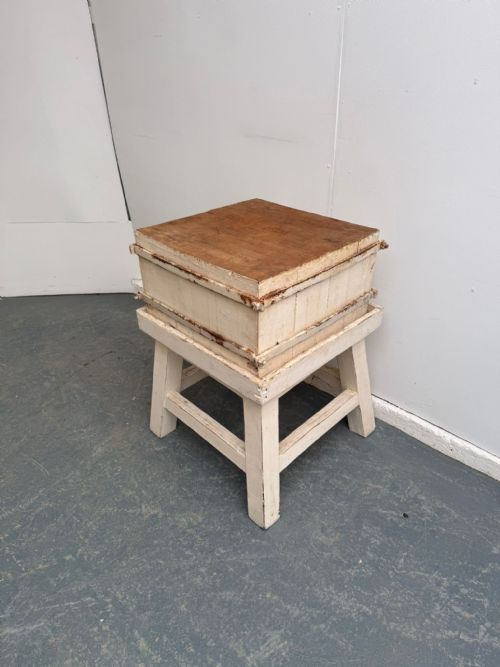


Vintage Industrial Prep Table
A vintage industrial prep table brings robust utility and working history straight into a modern kitchen or workspace.
Vintage Industrial Prep Table
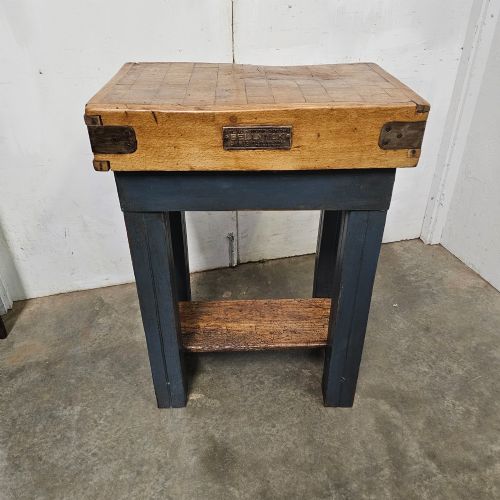
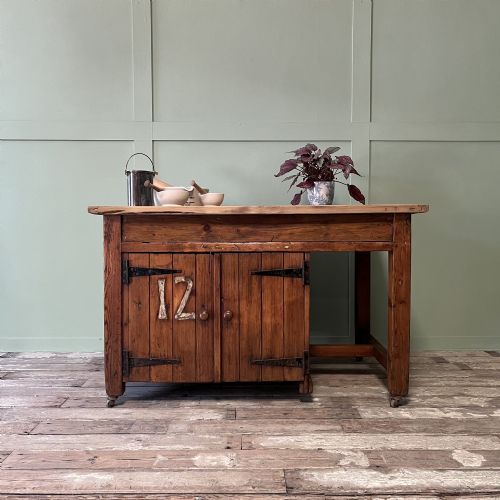
A vintage industrial prep table combines utilitarian purpose with enduring material presence, originating from periods spanning the Victorian era to the mid-twentieth century. These pieces encompass butchers blocks, bakers prep tables, and general work tables designed originally for demanding commercial or culinary labour. The variations found here draw on styles ranging from rustic farmhouse and French provincial to distinct industrial aesthetics.
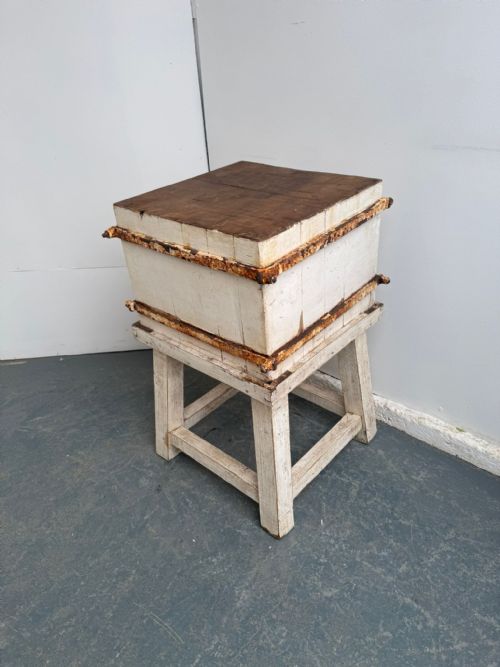
Buyers encountering this selection will most frequently meet heavy wooden tables and stands featuring thick timber tops and substantial bases. Many examples display the honest marks of daily work, reflecting origins in French workshops, Hungarian kitchens, and British workrooms. Forms range from simple pine work tables to specialised butchers blocks equipped with stands and specialist mountings.
The historical span represented in these listings reaches from the mid-nineteenth century through the 1920s and up to 1950. Each piece carries structural characteristics specific to its decade of manufacture, whether that involves the painted finishes of the Victorian period or the cleaner lines of mid-century pieces. Selecting the right example depends on matching the scale and height of the table to contemporary domestic or commercial spaces.
Materials and construction methods
Construction relies heavily on durable timbers such as beech, pine, and various hardwoods selected for their ability to withstand heavy daily use. These wooden components are frequently paired with robust metal elements, utilising cast iron, wrought iron, and standard iron for frames and structural supports. The combination ensures absolute rigidity and long-term stability under heavy loads.
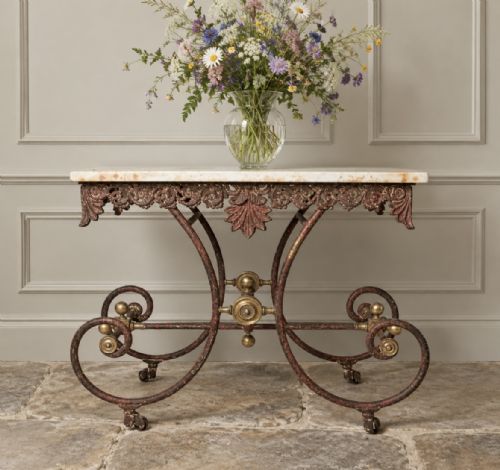
Surface treatments and hardware reflect the practical origins of each piece, incorporating marble slabs for cool prep surfaces alongside brass and bronzed mounts. Paint finishes, particularly original painted white surfaces, appear frequently on nineteenth-century and early twentieth-century frames. Metal components are joined or cast securely to heavy wooden bases, creating resilient furniture built to last generations.
Vintage Industrial Prep Table Retail Price Guide 2026
Typical asking prices for vintage industrial prep table among the pieces listed under this phrase on Sellingantiques today, from the lower quarter to the upper quarter. They describe what is for sale here now, not the wider market.
Listings feature pieces spanning from the Victorian era through the 1950s, utilising iron, beech, pine, and marble.
Assessing quality and authenticity
Quality in these work tables rests upon the integrity of the original materials and the balance between timber and metal elements. Superior pieces retain their heavy, uncompromised structural timbers and original working surfaces without excessive modern intervention. The thickness of the top and the solidity of the base dictate the physical presence and longevity of the table.
Makers' marks, specialised foundry mounts, and original hardware elevate certain pieces above standard utility items. The presence of authentic period components, such as specialised bronzed mounts or robust marble tops, distinguishes standard workshop furniture from finer commercial examples. Preservation of original paint or natural wood patination directly influences the character and desirability of the piece.
Trussant and Cie·Hennes France
The Vintage Industrial Prep Table Glossary
- Butchers block
- A thick, heavy wooden block or table top designed specifically for cutting and food preparation. These surfaces are constructed from end-grain or edge-grain timber to absorb heavy impacts.
- Prep table
- A utilitarian surface used in kitchens, bakeries, or workshops for assembling materials before final production. They prioritize height, stability, and clean working space above decorative detail.
- Cast iron
- An iron-carbon alloy poured into moulds to create complex structural components and sturdy table bases. It provides immense weight and rigidity to industrial furniture.
- Patina
- The surface sheen and colour acquired by materials through decades of handling, cleaning, and exposure to the environment. Genuine patina cannot be rushed and marks authentic age.
- Work table
- A general term for plain-surface furniture built for manual tasks rather than formal dining or display. They feature unpretentious construction and practical dimensions.
Vintage Industrial Prep Table: Frequently Asked Questions
How do I clean a vintage prep table?
Maintain wooden surfaces by wiping with a damp cloth and treating periodically with food-safe mineral oils to prevent drying. Avoid harsh chemical cleaners that strip the historic patination from timber and metal.
Marble tops require gentle soap and water to prevent staining from acidic substances. Keeping the original surface nourished preserves the character of the piece.
How do I date a work table?
Examine the construction methods, tool marks, and fastener types used in the frame and undercarriage. Hand-cut elements and specific hardware styles often point towards nineteenth-century origins, while later pieces show twentieth-century standardisation.
Material choices, such as cast iron versus wrought iron, also help narrow down the manufacturing decade. Comparing the piece against known period examples provides the most accurate timeline.
Can I use a marble top for cooking?
Marble provides an naturally cool surface that remains ideal for pastry work and dough preparation. The stone withstands regular culinary tasks provided it is cleaned promptly after use.
Protect the marble from staining by sealing the stone appropriately and avoiding prolonged contact with citrus or wine. This maintains the functional beauty of the prep surface.