


Antique Wooden Prep Desk
An antique wooden prep desk brings utilitarian character and sturdy surfaces to modern spaces.
Antique Wooden Prep Desk
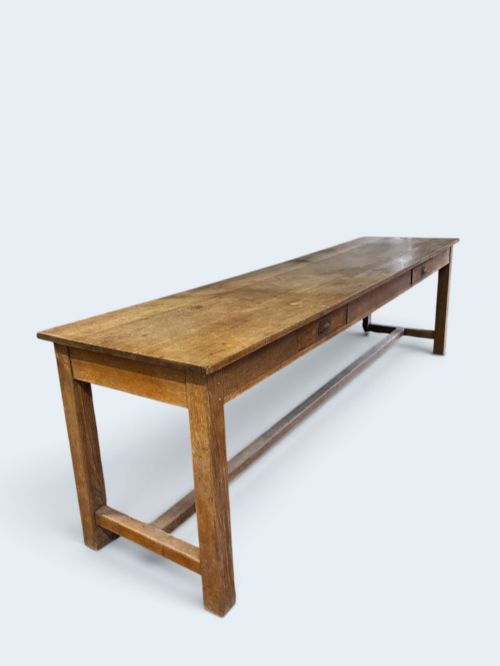
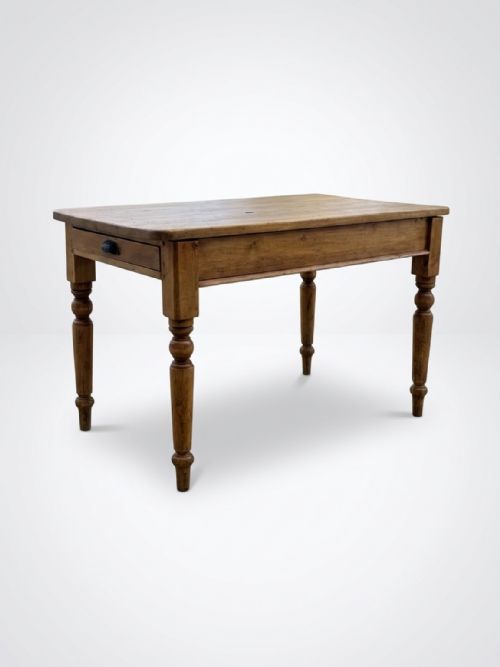
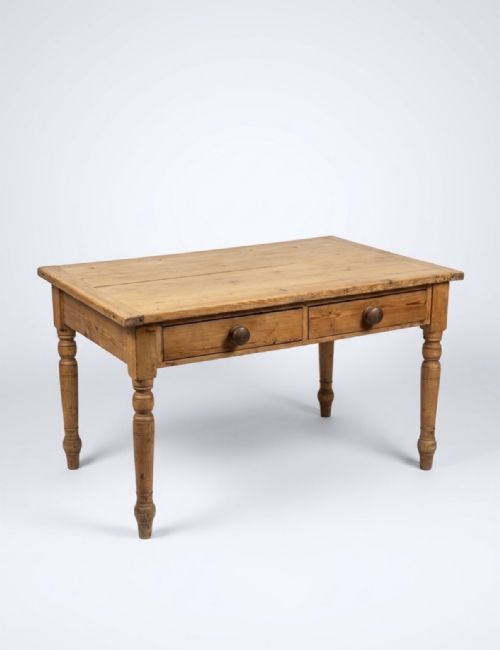
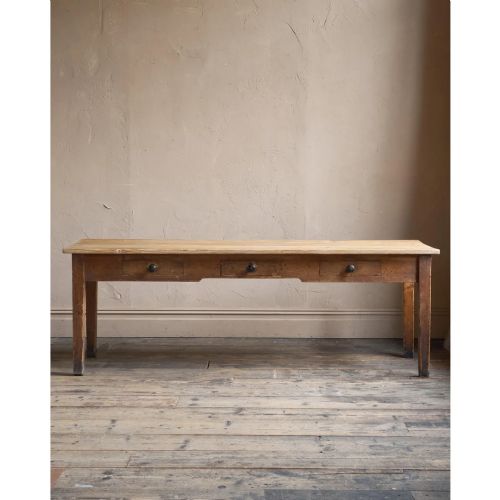
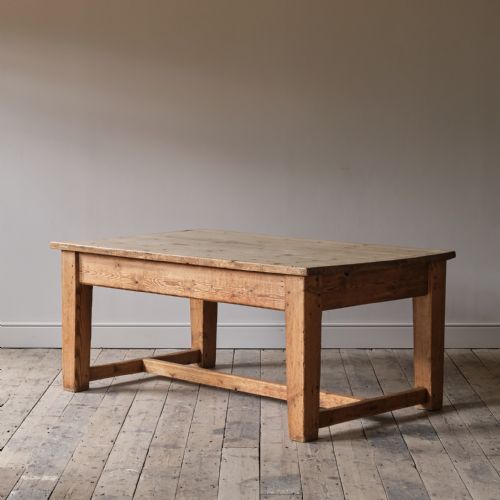
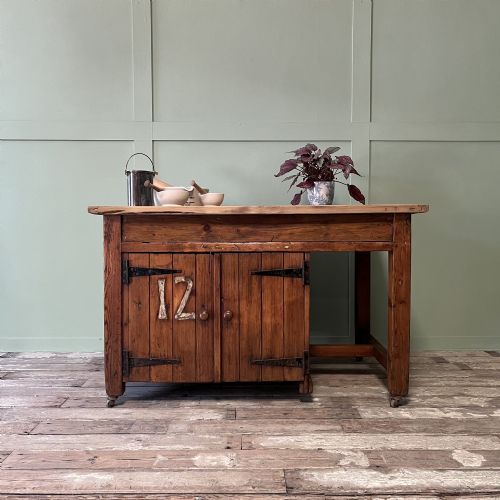
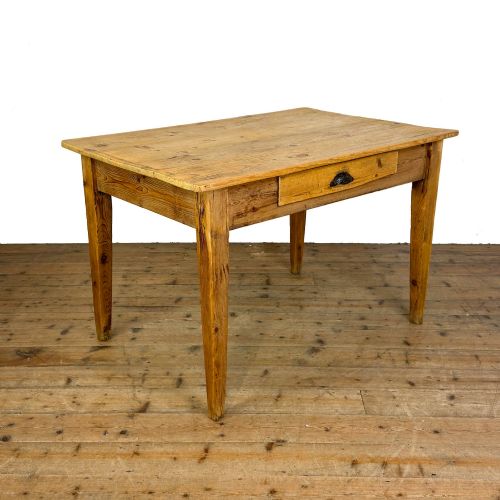
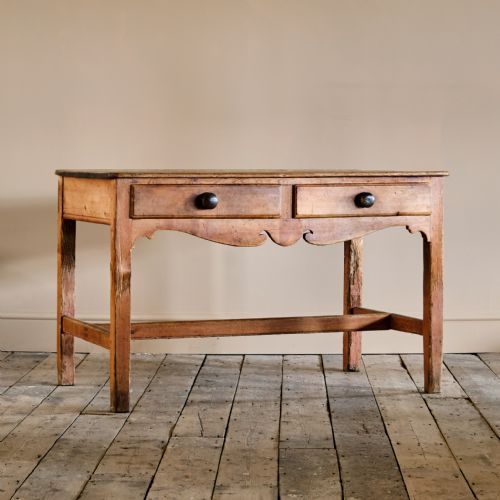
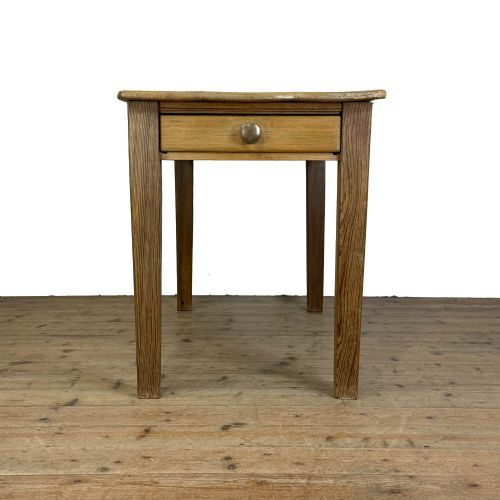
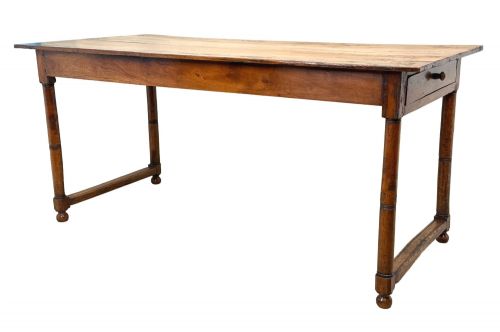
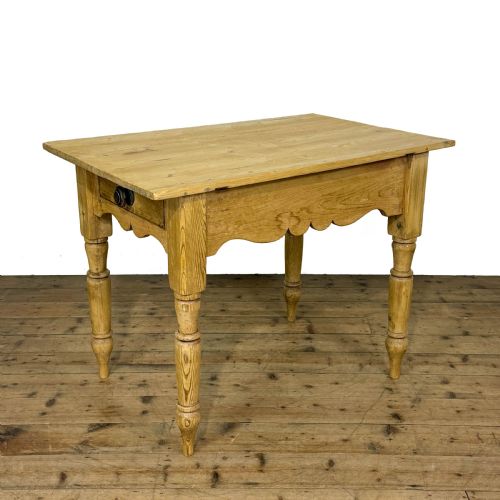
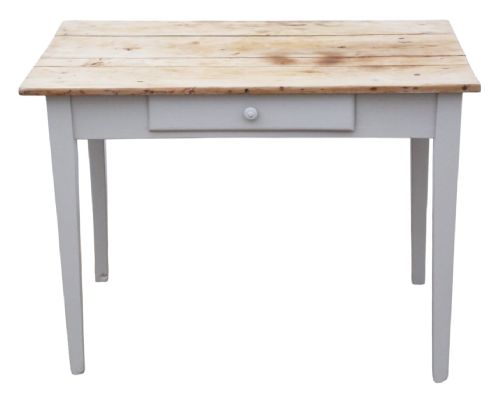
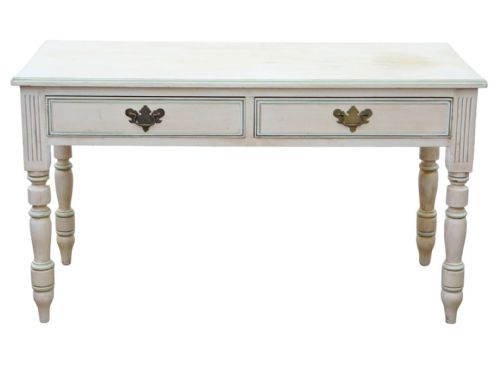
The forms range from compact scrub-top kitchen tables with single drawers to large trestle tables built from oak, elm, fruitwood, and sycamore. Many pieces display the functional markers of their working past, such as deep drawers for utensils or folding mechanisms for flexible utility. These tables bridge the gap between practical workspace and central household gathering point, carrying the patina of decades of use.
Materials and construction methods
Makers relied primarily on pine, oak, elm, and various fruitwoods, selecting timber for strength and local availability. Scrub-top tables feature tops designed to withstand aggressive daily cleaning with water and sand, leaving the wood pale and smooth. Frames frequently incorporate structural iron or brass fixings alongside traditional joinery to ensure stability under heavy loads.
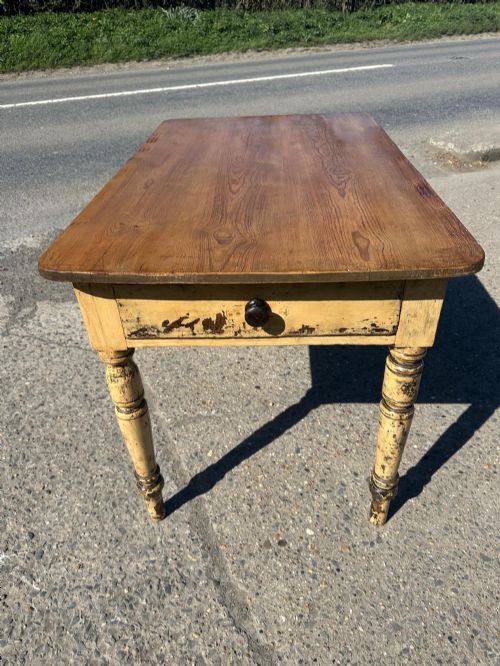
Surfaces often show traces of historical finishes, including original Falu paint, distressed green paint, or hand-stripped bare wood. Drawers are integrated for storage, and trestle constructions provide sturdy support without obstructing legroom. The combination of local hardwoods and softwoods reflects regional building traditions across English, French, and Scandinavian workshops.
Geographic origins represented include English, Welsh, French Provincial, and Scandinavian country traditions.
Markers of distinction and build quality
Quality rests in the integrity of the timber and the honesty of the wear. Superior examples retain original painted finishes on the base combined with clean, scrubbed wooden tops that show the natural grain of pine, oak, or fruitwood. The presence of original drawers and robust structural joinery elevates a piece above standard utility items.
Proportion and scale also dictate distinction, particularly in smaller regional formats like dairy or lamp tables. Pieces that maintain their original hardware and structural balance without excessive modern intervention demonstrate superior craftsmanship from their working era.
The Antique Wooden Prep Desk Glossary
- Scrub-top
- A wooden table top designed to be aggressively scrubbed clean with water and abrasive materials, resulting in a pale, weathered surface texture. This finish is typical of utilitarian kitchen and dairy tables.
- Drapers table
- A long, utilitarian table originally utilised in textile shops or domestic sewing rooms for measuring and cutting cloth. These pieces often feature generous length and practical under-table storage.
- Trestle table
- A table structure comprising two or more supports connected by a horizontal beam, providing sturdy weight distribution without traditional corner legs. This form appears in French oak and sycamore variations.
- Falu paint
- A traditional Swedish red or dark paint derived from copper mine waste, utilised to protect timber surfaces against harsh weather and wear. It creates a matte, historically rich finish on Scandinavian tables.
- Fruitwood
- Timber sourced from fruit-bearing trees such as cherry or sycamore, valued by makers for its fine grain and density. It frequently appears in continental provincial furniture.
Antique Wooden Prep Desk: Frequently Asked Questions
What is an antique wooden prep desk?
An antique wooden prep desk is a utilitarian table historically used for food preparation, baking, or workshop tasks in domestic and commercial settings. These pieces date primarily from the nineteenth and early twentieth centuries.
They are characterised by sturdy wooden construction, practical work surfaces, and often include integrated drawers for storing tools or utensils. Today, they serve as functional kitchen islands or characterful dining surfaces.
How were these tables used originally?
These tables served as the central workstation for heavy household labour, including kneading bread, preparing dairy products, and sorting textiles. They were built to endure daily scrubbing and constant physical use.
In sculleries and farmhouses, they acted as durable surfaces that could handle water, flour, and heavy equipment without delicate treatment.
How do I care for a scrub-top table?
Scrub-top tables require minimal intervention to maintain their dry, historic appearance. Regular dusting and gentle cleaning with a damp cloth preserve the natural grain of the pine or sycamore.
Avoid heavy chemical polishes or excessive moisture, allowing the historic patina to settle naturally over time.
How can I identify regional styles?
Regional styles appear through the choice of timber and structural detailing. English and Welsh pieces frequently utilise pine and oak with straightforward farmhouse proportions.
Continental examples from France or Scandinavia often incorporate fruitwood, cherry, sycamore, or distinct painted finishes like Falu red and green, reflecting local building traditions.