





Vintage Industrial Decor
Vintage industrial decor brings utilitarian utility and robust charm into modern spaces through salvaged metal, wood, and glass.
Vintage Industrial Decor
Vintage industrial decor encompasses functional objects, signage, and equipment originating from workshops, factories, and transport sectors spanning the Victorian era through the mid-twentieth century. Buyers seeking this aesthetic will encounter practical items designed for trade and manufacturing rather than domestic display.
The selection on this page leans heavily into utilitarian forms created across the nineteenth and twentieth centuries, including millinery equipment, trade signs, printing blocks, and engineering instruments. These pieces reflect the heavy industrial output of Britain, France, and America during periods of rapid mechanical development.
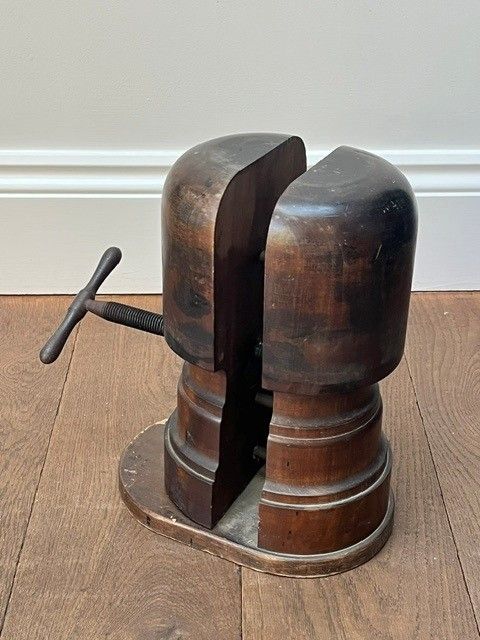
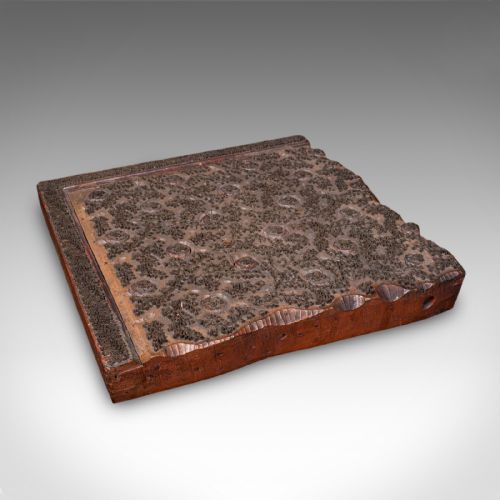
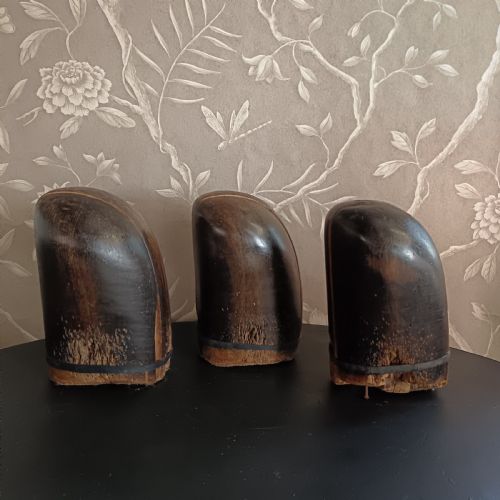
Common forms include heavy cast iron printers stamps, carved wooden hat blocks, pressure gauges in brass and steel, and architectural wall signage. Each object carries the specific marks of its working life in a factory, workshop, or transport hub.
Materials and construction
Makers utilised durable industrial materials designed to withstand heavy workshop use, predominantly combining cast iron, steel, brass, and copper with hardwoods and glass. These components were cast, forged, or carved to serve exact mechanical or commercial functions.
Surface finishes display genuine wear, featuring original paint, oxidation, and polished metal surfaces that accumulated through decades of active trade use. Wood elements, such as those found in hat stretchers and printing blocks, exhibit deep grain and structural joinery suited to heavy handling.
A galloping horse in sheet metal once pounded the air above an early twentieth-century workshop.
Assessing quality in industrial pieces
Quality in industrial items rests upon the integrity of the original mechanism, the crispness of cast or carved details, and the survival of authentic surface finishes. Pieces retaining legible maker inscriptions, such as foundry stamps or manufacturer plates, demonstrate higher documentary value.
Substantial weight, robust engineering, and genuine utilitarian purpose distinguish superior examples from lighter decorative reproductions. The depth of patination and the clarity of original painted or relief lettering further define the better pieces in this category.
Dewrance of London·Burgess Brothers of Weaverham·Merkelbach & Co Amsterdam
The Vintage Industrial Decor Glossary
- Millinery equipment
- Tools used in hat making, including wooden blocks and stretchers shaped for forming headwear.
- Printers stamp
- A heavy block of metal or wood utilised in publishing and printing to transfer ink onto paper.
- Pressure gauge
- An instrument designed to measure and display fluid or gas pressure within industrial machinery.
- Ships telegraph
- A maritime communication device used to transmit orders from the bridge to the engine room.
- Enamel sign
- A durable sign made by fusing powdered glass to a metallic substrate at high heat for outdoor display.
Vintage Industrial Decor: Frequently Asked Questions
What is vintage industrial decor?
Vintage industrial decor consists of authentic machinery, tools, signage, and equipment salvaged from factories, transport networks, and workshops of the nineteenth and twentieth centuries.
These pieces were originally built for heavy utilitarian tasks rather than home decoration, incorporating robust materials like cast iron, brass, and hardwood.
How do I style these items at home?
These pieces integrate easily into contemporary interiors by providing strong textural contrasts against neutral walls and modern furnishings. Large mechanical instruments, signs, and wooden blocks function well as striking focal points in living spaces or studies.
Position items where their original function and materiality remain visible, allowing the history of the object to complement the room.
How can I tell the period of an industrial piece?
Dating relies on examining the manufacturing techniques, materials, and any visible maker marks or foundry stamps present on the object. Stylistic shifts between Victorian ornamentation and later mid-century minimalism provide clear chronological markers.
Documentation, such as patent dates or engraved company names, helps establish the exact era of production.
Are these items in working order?
Many industrial objects function as decorative artefacts or display pieces rather than operational machinery, though some technical models and instruments retain their mechanical movement.
Each listing details the physical state of the item, noting whether components remain movable or if the piece serves primarily a visual purpose.