

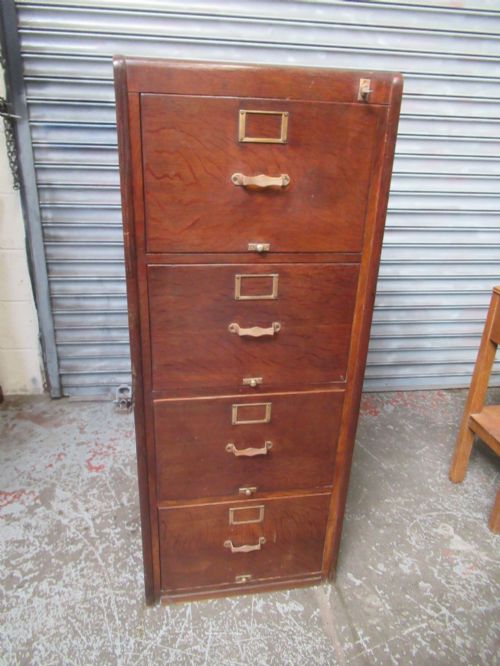
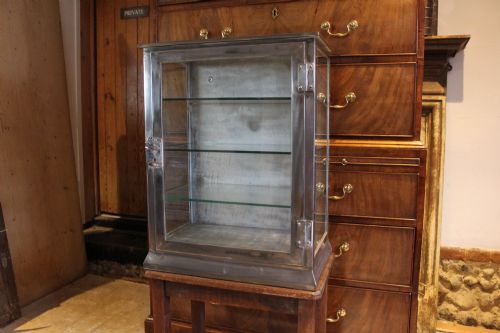
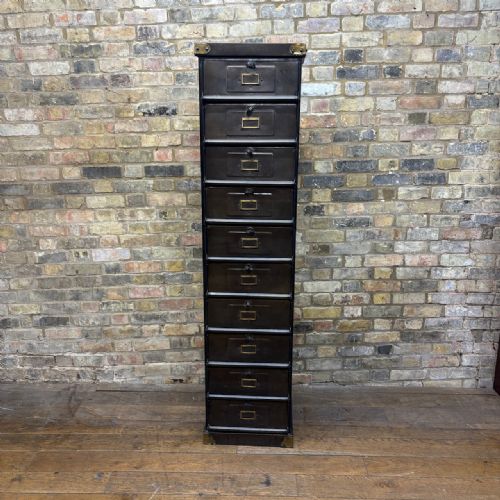
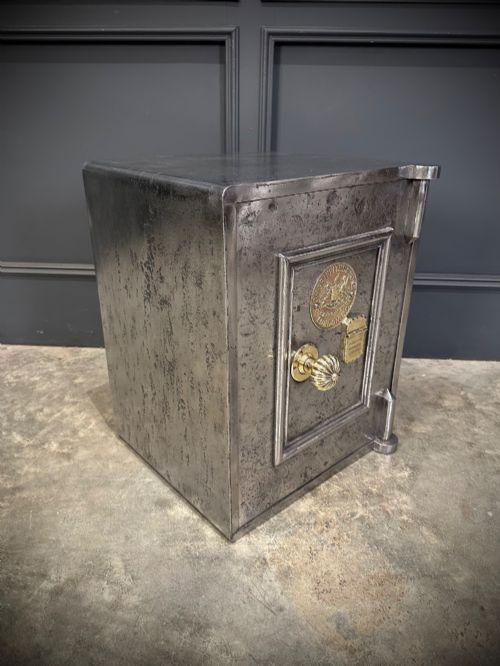
Vintage Industrial Cabinet
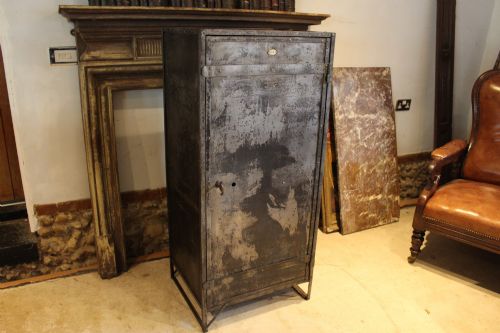
These vintage industrial cabinets span heavy iron safes to multi-drawer workshop banks, offering practical storage forged from working history.
Vintage Industrial Cabinet
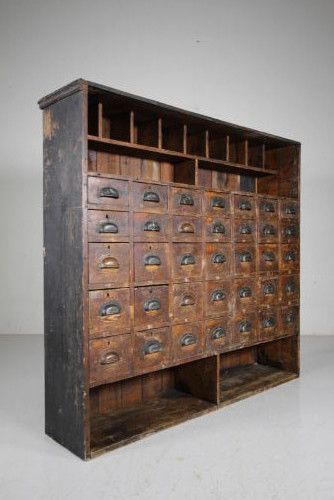
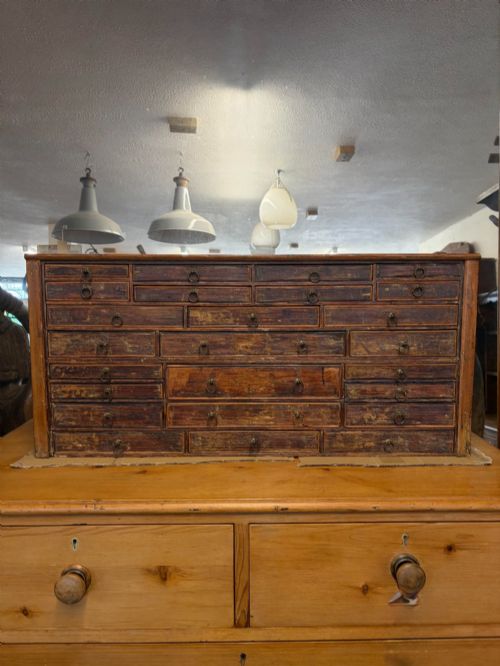
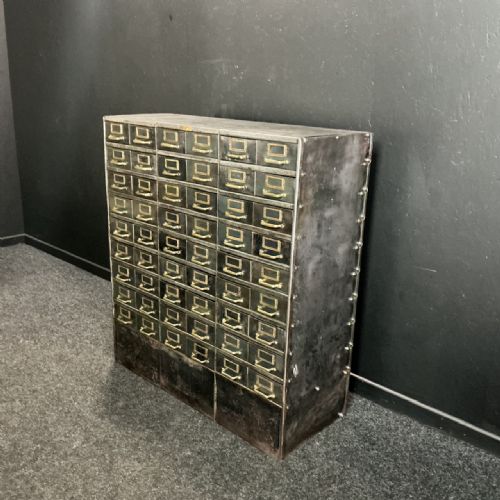
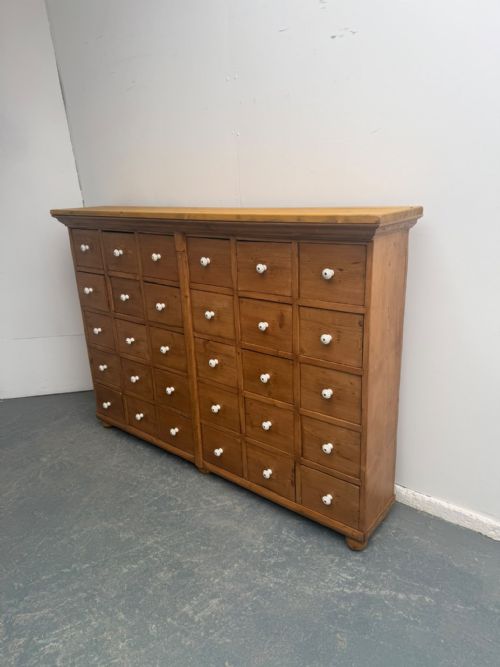
A vintage industrial cabinet serves utilitarian workspace storage needs, emerging in forms like banks of drawers, plan chests, and filing cabinets. Buyers find multi-drawer banks and shop fittings most frequently here, originating from eras spanning the nineteenth century through the mid twentieth century.
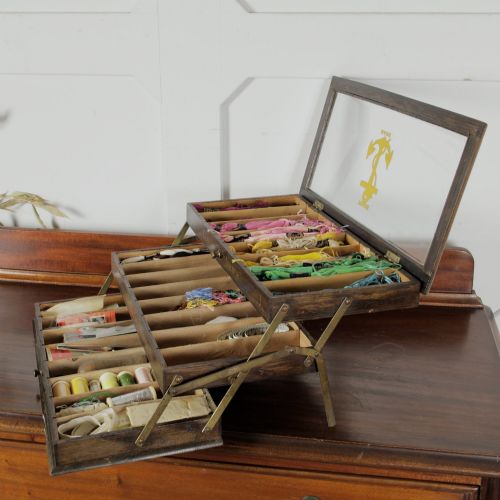
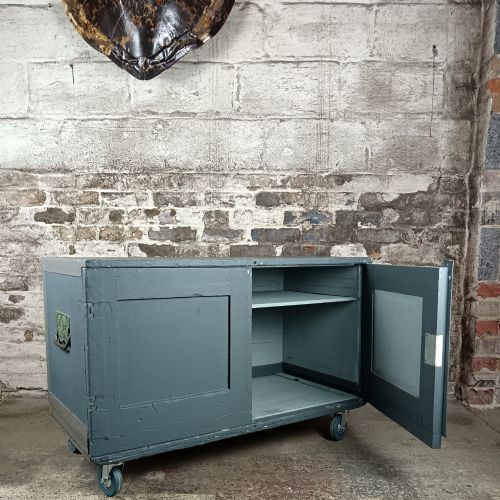
Workshop storage pieces take structural cues from factory floors and offices, utilising robust timbers such as pine and oak alongside painted steel and iron. These survivors include railway ticket cupboards, medical cabinets, and haberdashery displays designed originally for commercial trade.
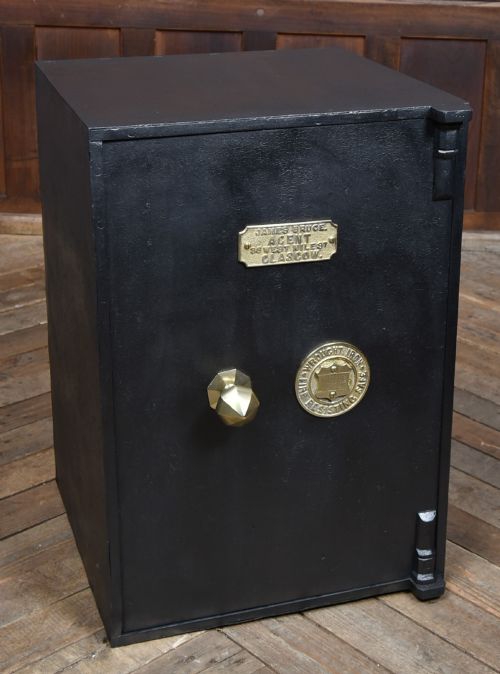
Origins stretch across British, French, and Swedish workshops, taking shape as modular drawer units or heavy safes built by makers like James Bruce and F. Whitfield and Company. The selection preserves the honest utility of archives, drafting rooms, and mercantile counters.
How they were made
Construction relies on durable hardwoods and dense conifers, with pine and oak forming structural carcases alongside fruitwood and mahogany variants. Metal elements incorporate cast iron, wrought iron, brass, and steel, often finished with distressed original paint or exposed metallic surfaces.
Joinery techniques prioritize longevity under heavy daily use, utilising dovetailed drawer construction and robust framing suited to archival sorting and tool storage. Fixtures such as brass handles, patent letter files, and glass panels integrate functional mechanics with utilitarian design.
Vintage Industrial Cabinet Retail Price Guide 2026
Typical asking prices for vintage industrial cabinet among the pieces listed under this phrase on Sellingantiques today, from the lower quarter to the upper quarter. They describe what is for sale here now, not the wider market.
Listings feature pine, oak, mahogany, steel, iron, and brass across periods spanning the Victorian era to the nineteen-fifties.
What varies in quality
Subtleties in construction distinguish standard commercial utility pieces from superior workshop items, notably in the thickness of timber and the precision of multi-drawer alignment. Cabinets retaining original paint remnants, authentic brass hardware, and maker markings carry greater historical integrity.
The complexity of internal mechanisms, such as patent letter filing systems or cantilever haberdashery actions, separates standard storage from more intricate engineering feats. Surviving structural originality, from heavy iron safes to delicate glass display doors, defines the tier of execution.
James Bruce·F. Whitfield and Company·D Napier and Sons
The Vintage Industrial Cabinet Glossary
- Plan chest
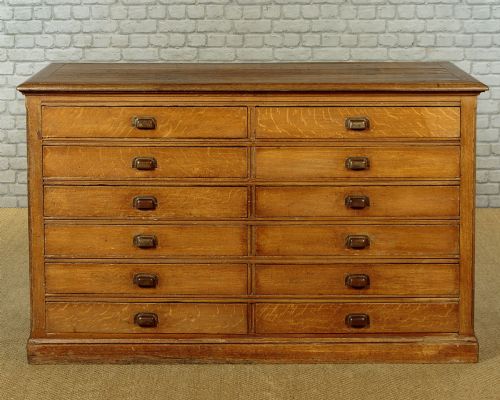
- A wide, shallow multi-drawer cabinet designed specifically for storing architectural drawings, maps, and large format paper documents. These units utilise numerous low-profile drawers to prevent paper curling.
- Haberdashery cabinet
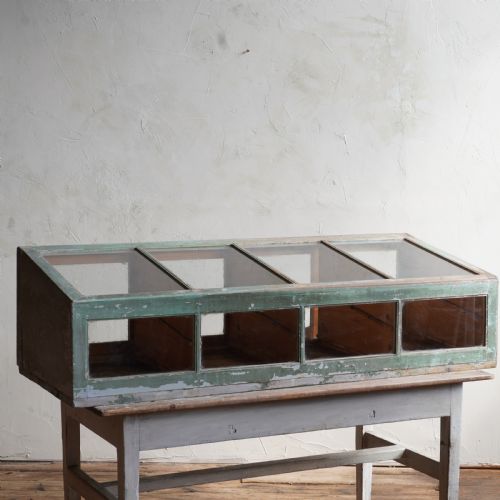
- A glass-fronted shop display unit featuring multiple small drawers originally utilised for storing ribbons, buttons, and sewing notions. Retailers employed them to showcase merchandise while keeping stock organised.
- Bank of drawers
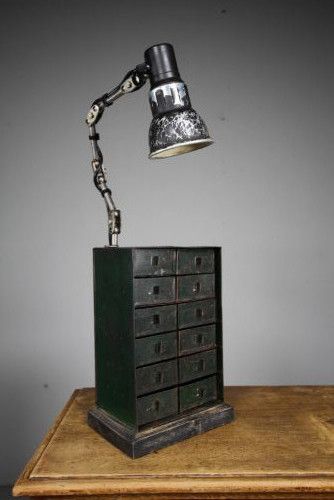
- A large storage unit containing many individual compartments arranged in vertical and horizontal rows. They served administrative and industrial purposes in offices and workshops.
- Pigeon holes
- An open grid of small rectangular compartments used for sorting correspondence and documents. They typically mount on walls or sit atop desks.
- Campaign chest
- A portable storage unit built in sections with recessed brass handles, designed for military transport during the nineteenth century. These pieces dismantled easily for travel.
- Patent letter file
- An administrative filing apparatus incorporating spring-loaded clamps or alphabetical indexing systems for organising correspondence. Amberg produced notable examples during the early twentieth century.
Vintage Industrial Cabinet: Frequently Asked Questions
What rooms suit vintage industrial cabinets?
These storage pieces fit into kitchens, home offices, and living spaces where high-capacity organisation is required. Their utilitarian presence anchors modern interiors through functional surface area and tactile materials.
Larger configurations like plan chests and banks of drawers serve well as islands or sideboards. Smaller countertop display units and medical cabinets sit easily on desks or against walls.
How do I maintain painted metal surfaces?
Preserving distressed paint requires gentle dusting with a dry microfiber cloth rather than harsh liquid cleaners. Keeping the furniture away from direct sunlight prevents further flaking of original pigment.
Applying occasional microcrystalline wax protects exposed steel and iron frames from atmospheric moisture. This treatment stabilizes the surface without altering the historic patina.
Can I use plan chests for modern paper storage?
Shallow drawers accommodate art prints, documents, and textiles flatly without risk of creasing. The smooth internal timber glides allow easy access to archived collections.
Heavier drawer banks require balanced loading to maintain structural stability over time. Distributing weight evenly across the lower tiers prevents tilting when extended.
How do I distinguish nineteenth-century examples?
Nineteenth-century pieces often display hand-cut dovetailing, heavier ironmongery, and deep patination on pine or oak timbers. Construction methods prioritize maximum physical endurance over mass production efficiency.
Examining internal drawer construction and fixing methods reveals period characteristics. Machine-cut elements and standardised steel fittings generally point toward later twentieth-century manufacturing.