

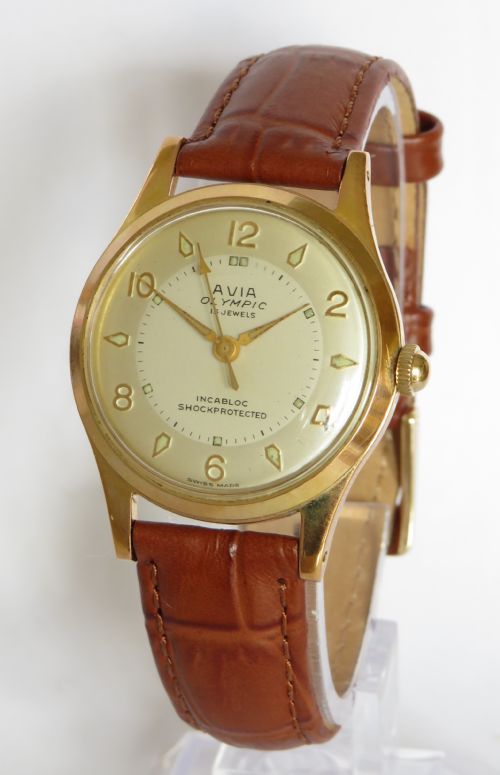
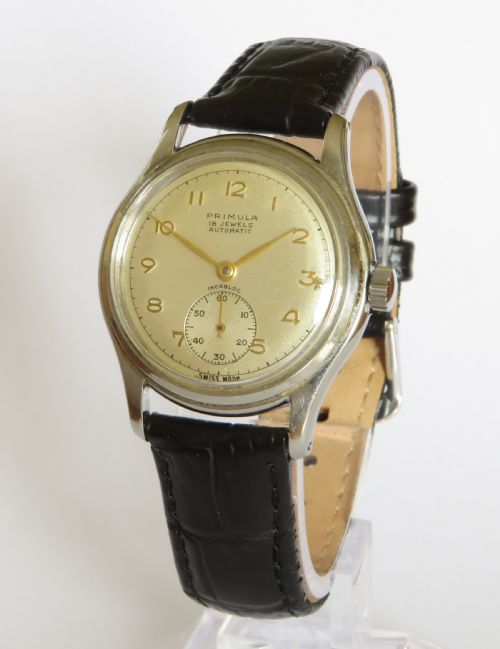


Vintage Incabloc Watch
A vintage incabloc watch is a mechanical timepiece built with shock protection, offering reliable mid-century design and enduring daily wearability.
Vintage Incabloc Watch
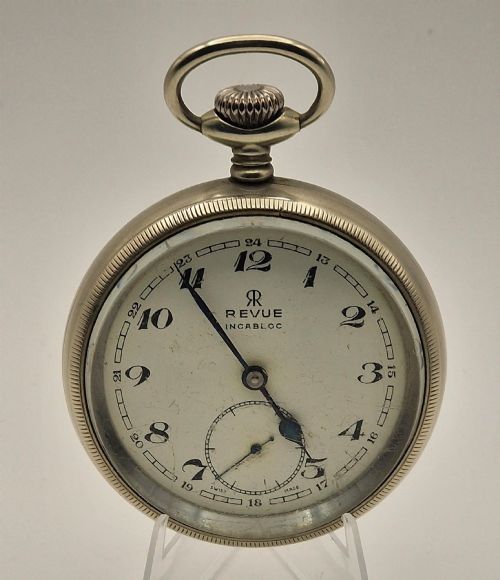
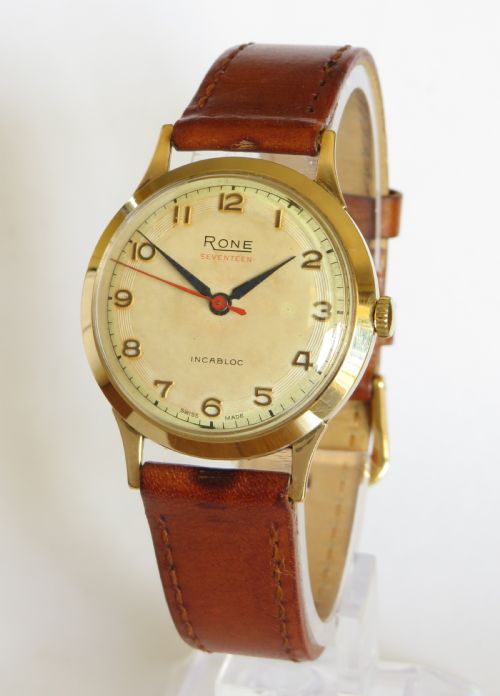
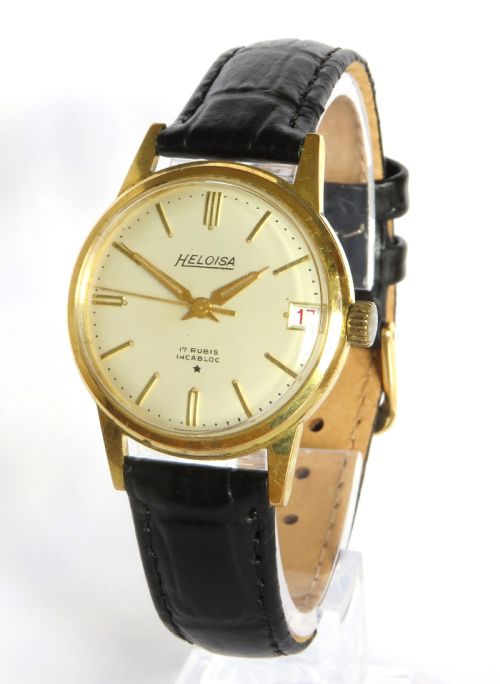
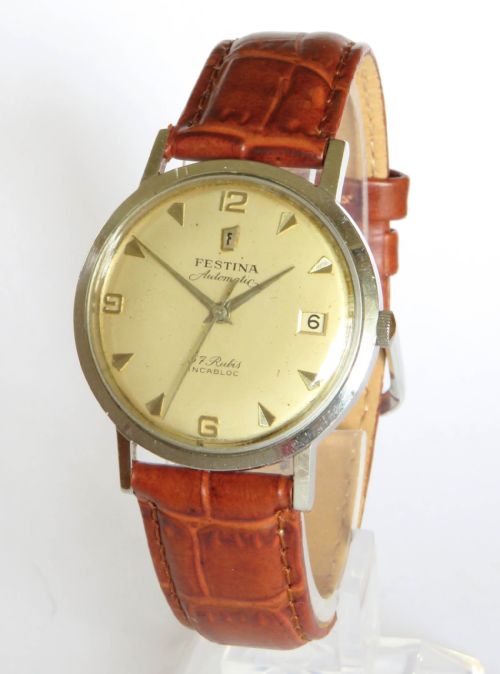
When you search for a vintage incabloc watch, you are looking at mid-century wristwatches designed to protect delicate internal balance pivots from shocks. The examples you meet on this page date principally from the 1950s and 1960s, alongside nineteenth-century pieces.
These wristwatches take the form of gents mechanical timepieces, including automatic and manual wind movements, chronographs, and military-issued designs. They originate from Swiss makers and Swedish military contracts, showcasing period styles such as mid-century modern and military aesthetics.
How they were made
The construction of these watches relies on metal cases shaped from stainless steel, gold plate, gold plated metal, and solid nine-carat gold. Movements are housed beneath glass or acrylic glass crystals, protecting dials from dust and moisture.
Straps utilise durable leather to secure the timepiece to the wrist. The defining technical feature is the incabloc shock-resisting spring system, which cushions the balance staff against impacts.
Vintage Incabloc Watch Retail Price Guide 2026
Typical asking prices for vintage incabloc watch among the pieces listed under this phrase on Sellingantiques today, from the lower quarter to the upper quarter. They describe what is for sale here now, not the wider market.
Listings on this page span the 1950s and 1960s, featuring stainless steel, gold plate, and 9ct gold cases.
What varies in quality
Quality differences in a vintage incabloc watch stem from the casing materials and the complexity of the movement. Solid nine-carat gold cases and chronograph complications sit at the upper end of the scale compared to standard gold-plated or steel variants.
The sophistication of the dial typography and the integrity of the crystal, whether glass or acrylic glass, also define the grade of the piece. Military-issued specifications bring a distinct utilitarian standard of finish to the metalwork.
The Vintage Incabloc Watch Glossary
- Incabloc
- A brand name for a spring-loaded shock absorption system invented for watch balance wheels. It protects the delicate pivot of the balance staff if the watch suffers an impact.
- Chronograph
- A watch with a display function used for measuring elapsed time alongside normal timekeeping. These feature independent sweep seconds hands and sub-dials.
- Manual Wind
- A mechanical movement powered by hand-turning the crown to tension the mainspring. Unlike automatic calibres, these require regular manual winding to maintain operation.
- Acrylic Glass
- A lightweight, transparent plastic material used for watch crystals. It can be easily polished to remove minor surface scratches.
Vintage Incabloc Watch: Frequently Asked Questions
What is an incabloc watch?
An incabloc watch is a mechanical timepiece featuring a patented shock-absorber system on the balance wheel. This invention protected watch movements from damage during everyday bumps and drops.
Most examples date from the middle decades of the twentieth century and rely on manual or automatic winding mechanisms.
How do I wind a manual watch?
To wind a manual vintage watch, rotate the crown clockwise between your thumb and forefinger until you feel gentle resistance. Stop immediately when resistance increases to avoid snapping the mainspring.
Wind the watch at roughly the same time each day to maintain consistent tension and timekeeping accuracy.
Can I wear my vintage watch daily?
Many of these watches were built for daily service and handle regular wear well, provided they receive proper care. The incabloc shock system specifically helps absorb minor impacts from daily activities.
Avoid exposing older mechanical watches to excessive moisture, magnetic fields, or heavy impacts during sports.
How do I date a vintage watch?
Dating these timepieces involves examining the case style, dial typography, movement serial numbers, and hallmarks on precious metal cases. Design cues from the nineteen-fifties and sixties often provide clear chronological markers.
Maker signatures and military issue marks also help establish the exact period of manufacture.