

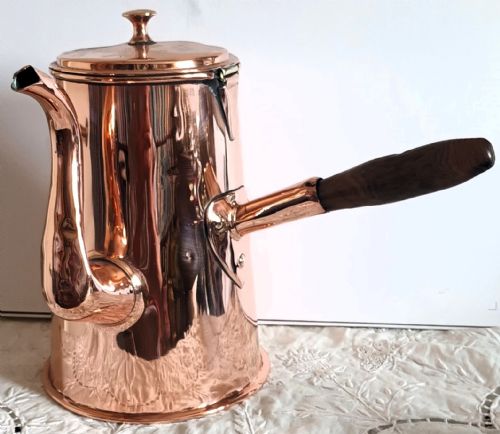


Vintage Hot Water Pot
These vintage hot water pot options are practical vessels for pouring boiling water at table, offering solid metal construction and period charm for daily use.
Vintage Hot Water Pot
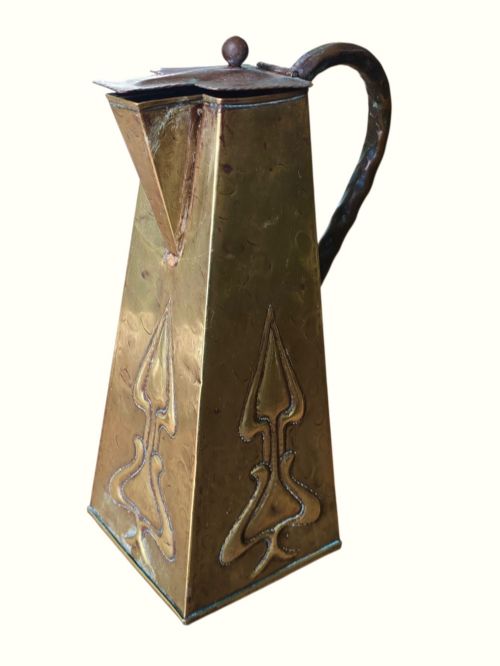
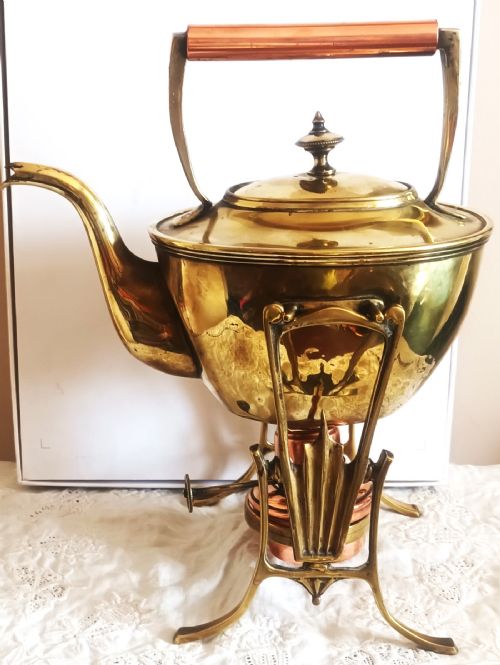
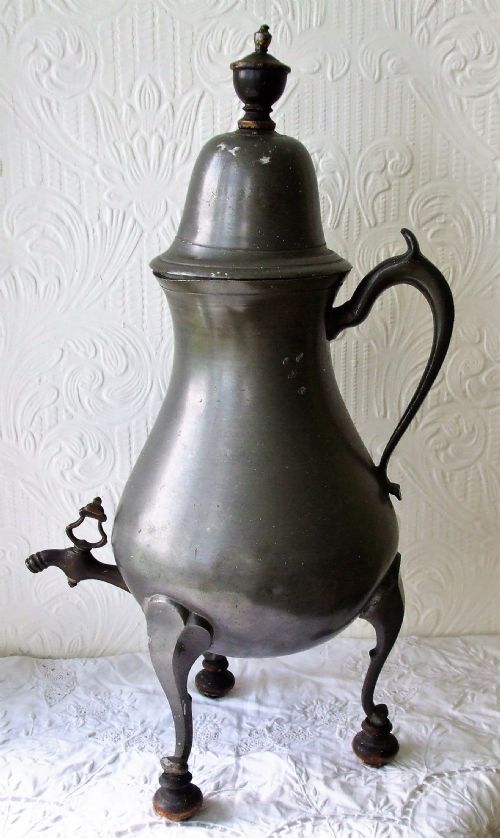
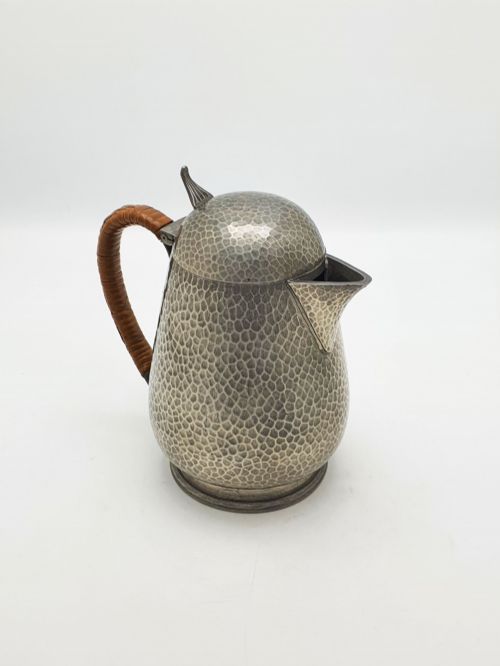
A vintage hot water pot is a serving vessel designed to supply hot water for tea or coffee, appearing here mainly as coffee pots, tea sets, kettles, and pitchers.
The pieces on this page span the eighteenth century, nineteenth century, and early twentieth century, taking in Georgian, Victorian, Edwardian, Arts and Crafts, and Aesthetic Movement styles.
Makers and origins range from English workshops to Dutch pieces and Royal Worcester ceramics, alongside silver plate, copper, brass, and pewter examples.
How they were made
Metals such as silver plate, copper, brass, and pewter form the primary bodies of these vessels, shaped through traditional smithing and casting methods.
Vintage Hot Water Pot Retail Price Guide 2026
Typical asking prices for vintage hot water pot among the pieces listed under this phrase on Sellingantiques today, from the lower quarter to the upper quarter. They describe what is for sale here now, not the wider market.
Some pots come equipped with tiny spirit burners underneath, ready to keep the tea party boiling through an entire afternoon.
What varies in quality
Quality rests on the weight of the metal, the crispness of applied ornament like chasing or crests, and the integrity of joints and handles.
Maker attribution and material grade, from solid copper to plated nickel silver or Old Sheffield Plate, set individual pieces apart.
Walker and Hall·William Soutter and Sons·Harrison Brothers and Howson·Royal Worcester
The Vintage Hot Water Pot Glossary
- Silver Plate
- A thin layer of silver applied to a base metal core such as copper or nickel silver. This technique allowed makers to achieve the look of solid silver at a lower cost.
- Old Sheffield Plate
- An early fusing method where a sheet of silver is fused to a copper base before forming. It represents an older manufacturing process distinct from later electroplating.
- Spirit Kettle
- A water heating vessel mounted on a stand above a small spirit burner. It kept water hot at the dining or tea table throughout a meal.
- Tudric Pewter
- A trade name used by Liberty and Co for pewter wares, often associated with the Arts and Crafts movement. These items typically feature stylized organic motifs and cane-wrapped handles.
Vintage Hot Water Pot: Frequently Asked Questions
What is a vintage hot water pot used for?
These vessels were originally filled with boiling water to top up teapots or dilute strong brews at the dining table.
Today they function as decorative table pieces or practical containers for serving hot water during gatherings.
How do I identify a Georgian hot water pot?
Georgian pieces from the eighteenth century typically display restrained classical forms in copper, pewter, or early plated metals without heavy Victorian ornamentation.
Look for clean profiles, simple spouts, and construction methods characteristic of the period before mass industrial plating took over.
Are these pots safe for daily use?
Many metal pots from the nineteenth and early twentieth centuries can still hold water, though silver-plated or pewter interiors may require careful cleaning.
Checking the internal condition helps determine whether a piece remains suitable for practical service or serves better as a display item.
What distinguishes Arts and Crafts pots?
Arts and Crafts examples emphasise hand-beaten surfaces, exposed rivets, and natural materials like cane handles or pewter rather than factory stamping.
Maker lines such as Tudric show a distinct focus on craftsmanship and simple aesthetic utility popular in the early twentieth century.