



Vintage Hexagonal Ceiling Light
These vintage hexagonal ceiling light pieces combine structural metalwork with glazed panels, bringing period character and warm illumination to hallways and rooms.
Vintage Hexagonal Ceiling Light
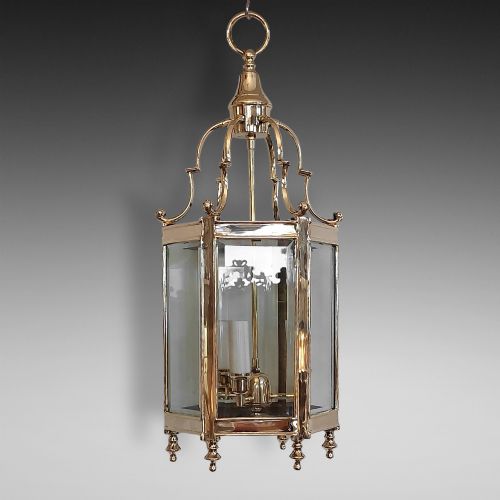
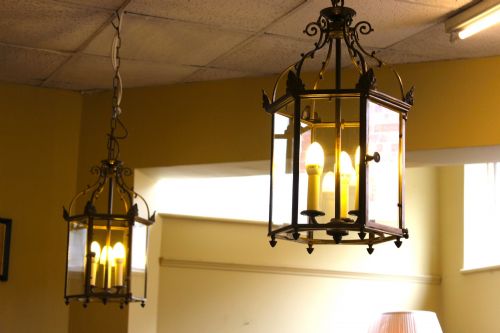
A vintage hexagonal ceiling light brings distinct geometric symmetry to a space, usually taking the form of a hall lantern, pendant, or flush mount fixture. When you search for a vintage hexagonal ceiling light, you encounter designs spanning from the nineteenth century through the Edwardian period and the 1930s. These fixtures frequently serve as focal points in entranceways, drawing the eye upward with their six-sided frames.
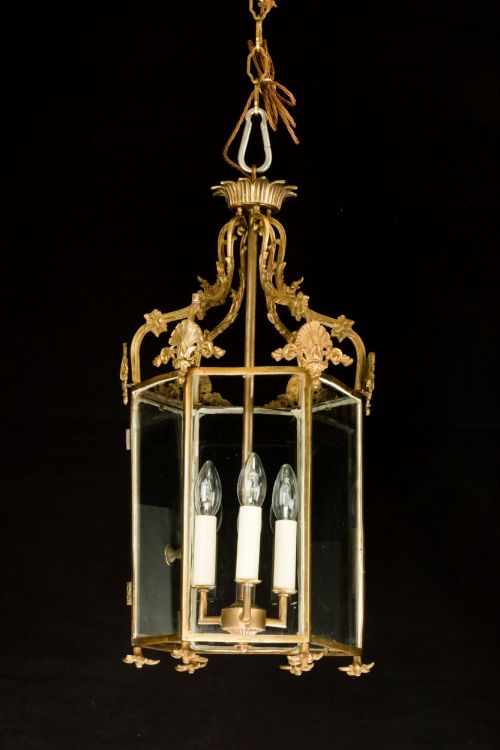
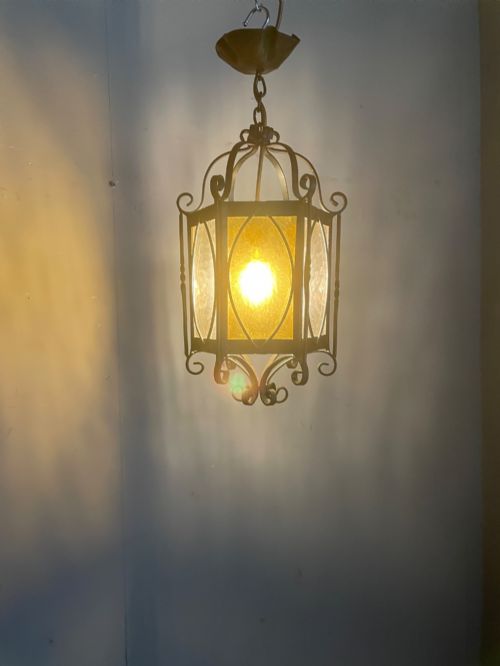
The selection here includes brass, bronze, wrought iron, and ormolu framing glass panels, with styles ranging from Gothic Revival and Neo-Classical to Arts and Crafts and Art Deco. Edwardian pieces and early twentieth-century examples appear regularly alongside nineteenth-century brass and gilt brass creations. Such variety allows you to match a specific period property or introduce contrasting character to a modern interior.
How they were made
Metalworkers constructed these lanterns using cast or wrought elements in brass, bronze, wrought iron, and ormolu to form the six-sided skeleton. Gilded finishes and patinated surfaces required skilled metal finishing techniques, while structural joints relied on traditional riveting and soldering.
Glazing involved cutting glass panels, occasionally bevelled, to fit precisely within the metal rebate of each side. These panes were secured with glazing bars or metal tabs, protecting the internal light source while dispersing illumination evenly across the room.
Vintage Hexagonal Ceiling Light Retail Price Guide 2026
Typical asking prices for vintage hexagonal ceiling light among the pieces listed under this phrase on Sellingantiques today, from the lower quarter to the upper quarter. They describe what is for sale here now, not the wider market.
Listings feature periods from the nineteenth century through the 1930s, utilising brass, bronze, wrought iron, and bevelled glass.
What varies in quality
Quality in these lanterns rests upon the weight and purity of the metal frame, alongside the crispness of any cast ornamentation. Neo-Classical and French Chateau interpretations display finer chased detail on ormolu and gilded bronze compared to standard commercial production.
The integration of the glass elevates the piece, particularly where bevelled glass panels sit flush and secure within heavy brass or bronze armatures. Heavier gauges of wrought iron and substantial cast brass indicate superior workshop origin and lasting structural integrity.
The Vintage Hexagonal Ceiling Light Glossary
- Ormolu
- A gilt bronze technique involving the application of a finely ground high-carat gold-mercury amalgam to a bronze object. This process creates a rich, matte golden surface seen on decorative French-style mounts.
- Bevelled Glass
- Glass panes featuring an angled edge cut and polished to a specific width around the perimeter. This treatment refracts light and adds decorative depth to the lantern sides.
- Hall Lantern
- A hanging ceiling light specifically designed for narrow entrance spaces and corridors. These fixtures usually feature enclosed or semi-enclosed frames to protect the candle or bulb.
- Gilded Brass
- Brass treated with a thin layer of gold leaf or gold paint to simulate solid gold or heavier fire-gilding. It provides a bright metallic sheen across Edwardian and nineteenth-century frames.
- Wrought Iron
- Iron beaten and worked by hand while hot using tools to shape structural frames. This material yields visible hammer marks and robust, organic lines common in Arts and Crafts designs.
Vintage Hexagonal Ceiling Light: Frequently Asked Questions
Where should I hang a hexagonal lantern?
These fixtures suit entrance halls, stairwells, and high-ceilinged rooms where their geometric shape can be viewed from multiple angles. Their enclosed design directs light downward while casting decorative shadows through the side panels.
Ensure the hanging height leaves adequate clearance below, particularly in high-traffic corridors. Pairing a pendant lantern with traditional ceiling roses enhances their period aesthetic.
How do I date an antique brass lantern?
Dating relies on examining the assembly methods, metal patina, and stylistic cues present in the casting or ironwork. Neo-Classical and Gothic Revival indicators point toward nineteenth-century origins, while cleaner lines often suggest Edwardian or 1930s manufacture.
Component fixings such as hand-threaded screws or cast structural lugs offer further clues to the period of production. Comparing the decorative motifs against documented styles helps narrow the decade.
How do I clean an antique metal frame?
Dust the metalwork gently with a soft, dry cloth to remove surface particles without disturbing the aged patina. Avoid abrasive polishes or harsh chemical cleaners that strip historical finishes from brass, bronze, or ormolu.
Glass panels can be wiped clean with a mild glass cleaner applied to a cloth rather than sprayed directly onto the fixture. This protects the surrounding metal frame from moisture damage.