
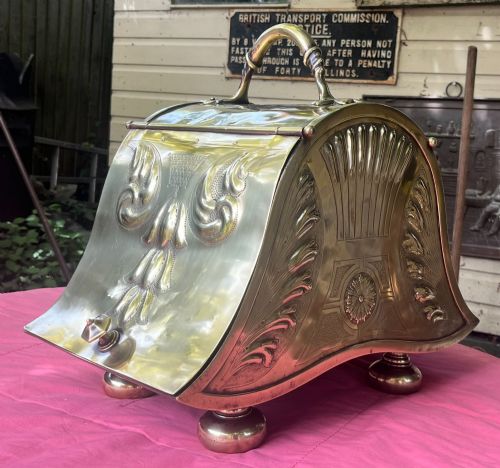


Vintage Hearth Coal Box
A vintage hearth coal box keeps fuel neatly by the fireplace while adding robust metal or timber character to the room.
Vintage Hearth Coal Box
A vintage hearth coal box provides a practical fuel store beside the fireplace, taking forms such as coal scuttles, purdoniums, buckets, and log bins.
Most examples found here date from the Victorian and Edwardian periods, stretching from the late nineteenth century into the early twentieth century.
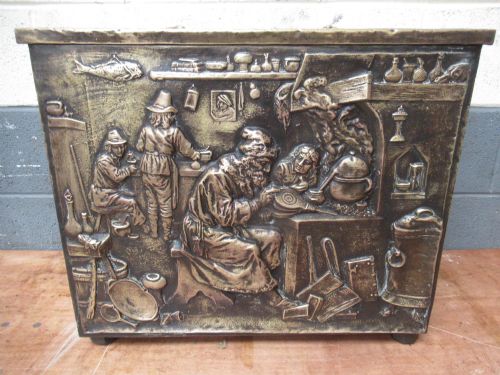
Makers utilised various timber and metal formats, ranging from simple country oak boxes to heavy brass helmets and copper bins styled in the Arts and Crafts and Art Nouveau movements.
Materials and construction
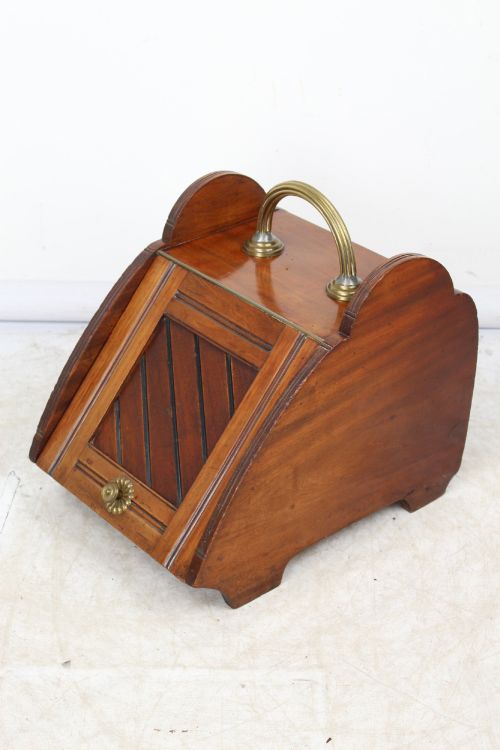
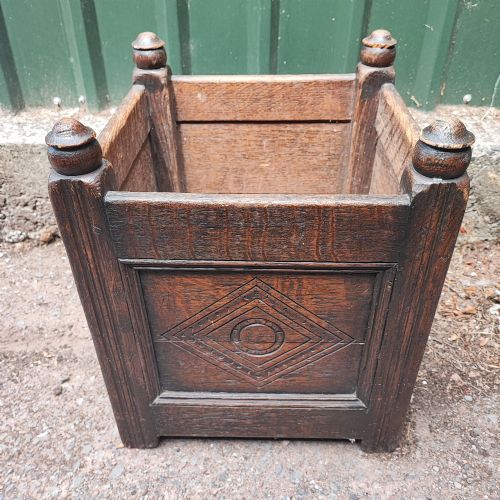
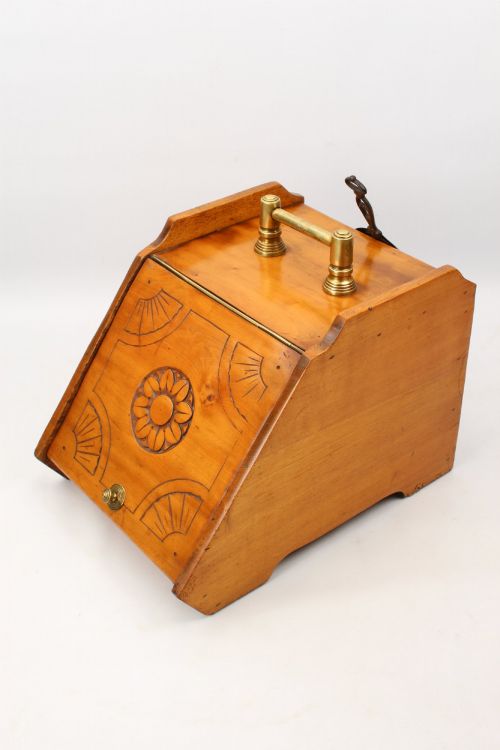
Makers constructed these pieces primarily from solid woods like oak, mahogany, walnut, and pine, often mounting them with heavy brass or copper.
Metal versions rely on beaten brass, cast iron, wrought iron, and copper, sometimes featuring original tin liners and matching iron shovels.
Some coal scuttles were built so thoroughly that blacksmiths clearly expected them to survive multiple generations of flying embers and heavy fuel.
Assessing quality and finish
Quality rests in the weight of the metal and the selection of timber, where thick brass plates, substantial oak boards, and sturdy dovetail joints separate robust pieces from lighter ones.
Refined workmanship shows in hand-beaten Arts and Crafts details, figured wood grain, and complete matching components like original zinc liners and coal shovels.
Benham and Froud·Henry Loveridge
The Vintage Hearth Coal Box Glossary
- Coal purdonium
- A box-shaped coal container with a sloping front door and a hinged lid, often incorporating a metal interior liner. They sit upright beside the fireplace and conceal the fuel entirely.
- Coal helmet
- A bucket featuring a flared rim and an elevated back that resembles a traditional headpiece. This shape directs the coal cleanly when pouring fuel onto the fire.
- Log bin
- A deep open or lidded container designed to hold firewood rather than smaller pieces of coal. These are typically constructed from heavy oak, pine, or riveted metal.
- Liners
- The internal metal trays, usually made of zinc or tin, that slide inside wooden coal boxes to catch dirt and moisture. Original liners help preserve the surrounding timber.
Vintage Hearth Coal Box: Frequently Asked Questions
What is a coal purdonium?
A coal purdonium is an upright wooden box with a slanted drop-front door designed to store fuel neatly by the fireplace.
Most examples include an internal metal liner to contain coal dust and protect the exterior oak or mahogany panels.
How do I clean a brass coal scuttle?
Clean brass surfaces with a soft cloth and mild soapy water, avoiding harsh abrasives that strip the aged patina.
Leave the natural tarnish intact if you prefer an authentic historical appearance rather than a bright polished finish.
Can I use these for logs instead of coal?
Larger metal buckets, copper bins, and wooden log boxes accommodate firewood perfectly.
Check the internal dimensions to ensure standard logs fit comfortably inside the specific container.
Are original shovels usually included?
Some coal scuttles retain their matching metal shovels, which often slide into a dedicated pocket on the side or back.
Listings specify whether an original shovel or liner accompanies the main container.
How do I date an iron log bin?
Dating relies on construction marks, such as hand-beaten riveting, blacksmith forging techniques, and distinct styling cues from the Victorian or Arts and Crafts periods.
Heavier gauge metals and specific surface finishes typically point towards late nineteenth or early twentieth-century production.