

Vintage Hat Tree
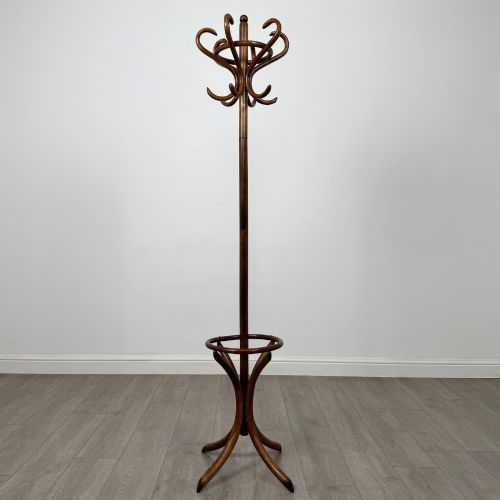
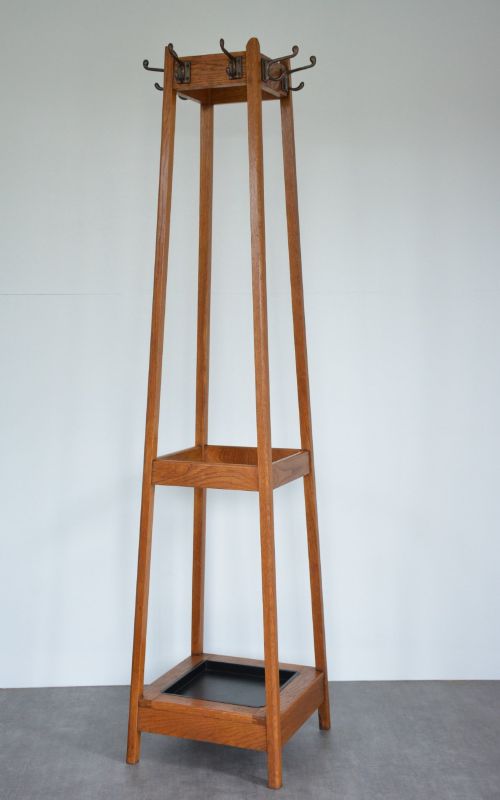
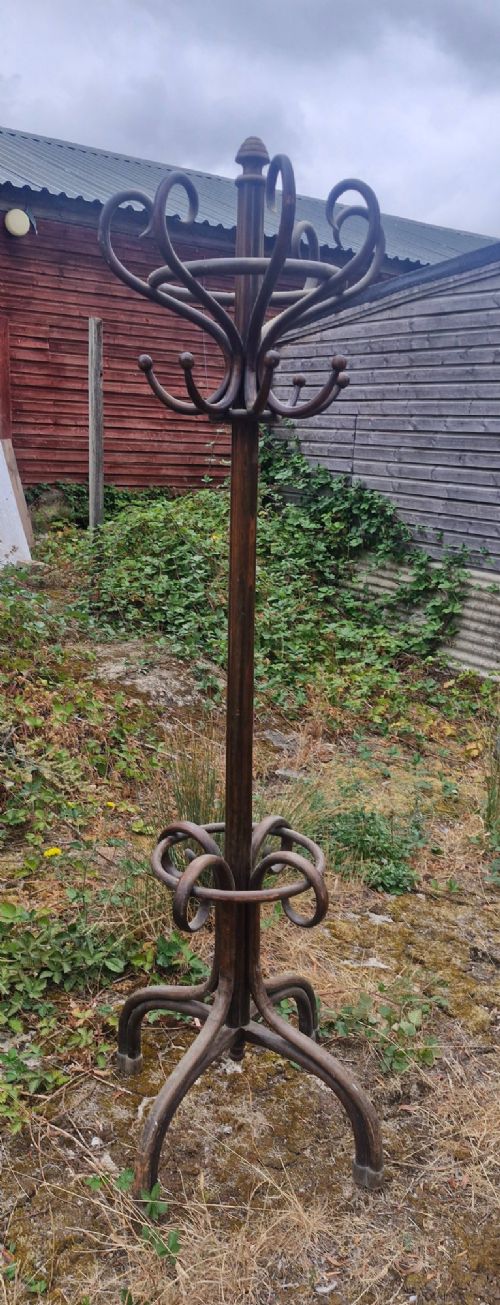
A vintage hat tree provides a practical freestanding post for garments, and you will find sturdy oak and steam-bent beech examples dominating this selection.
Vintage Hat Tree
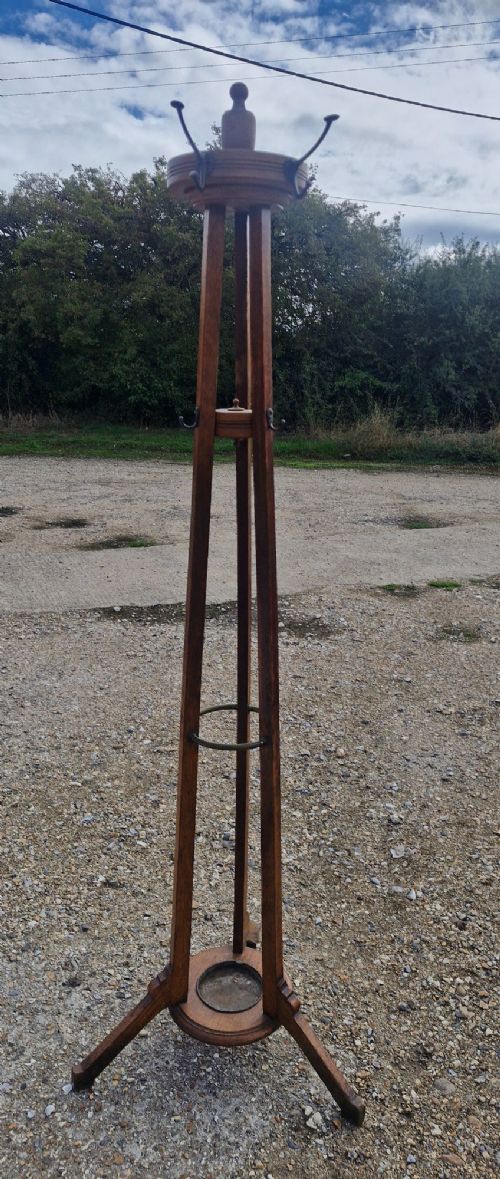
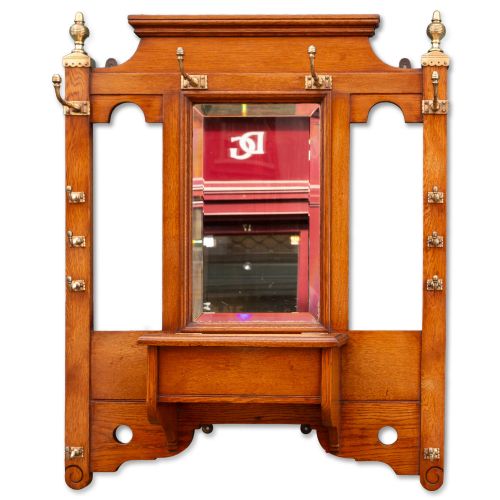
When you search for a vintage hat tree, you encounter sturdy upright stands designed for hallways and entryways to hold headwear, coats, and walking sticks. The pieces on this page span the late nineteenth century through the early decades of the twentieth century, encompassing Victorian, Edwardian, and Arts and Crafts periods.
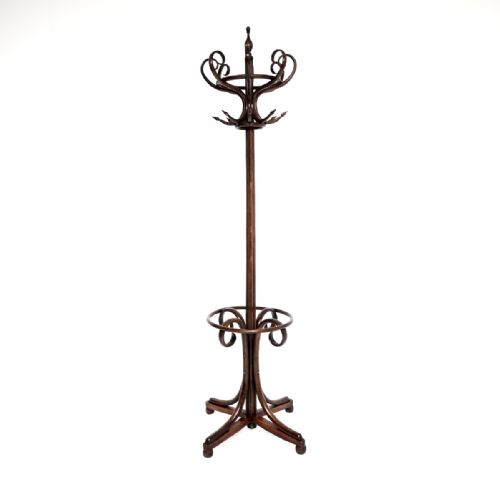
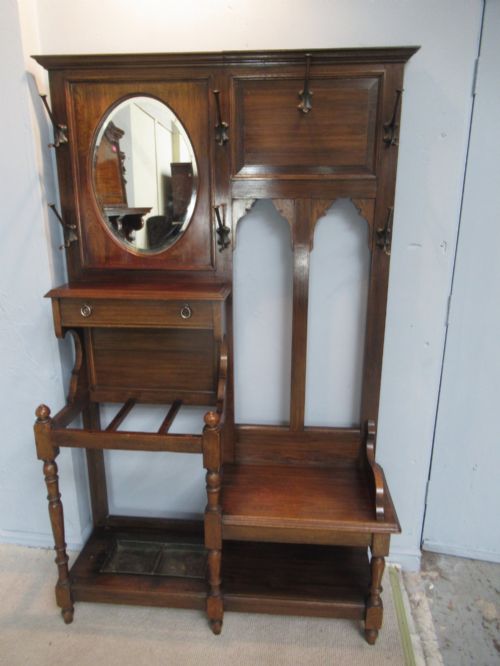
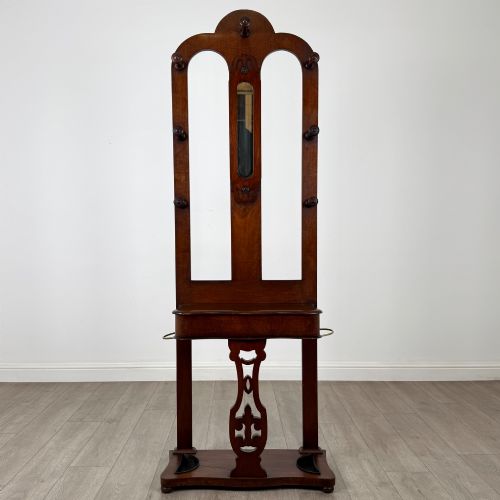
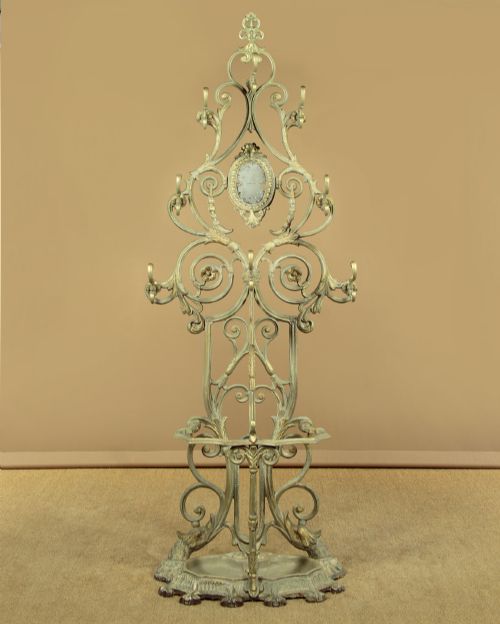
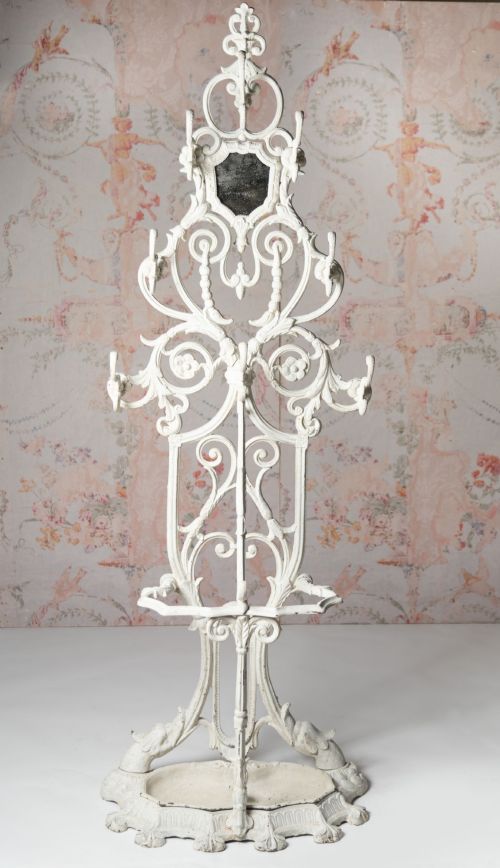
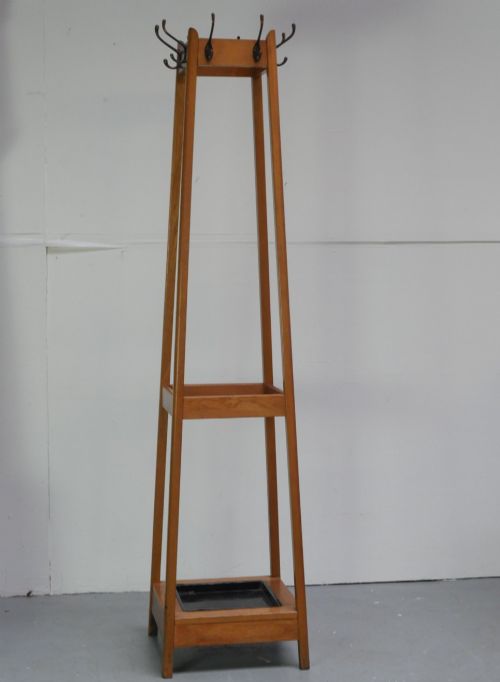
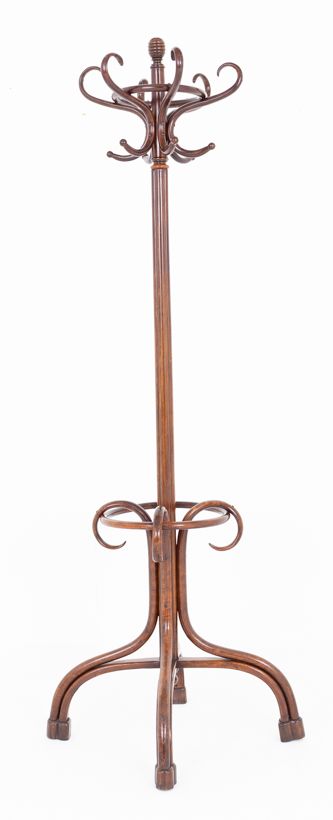
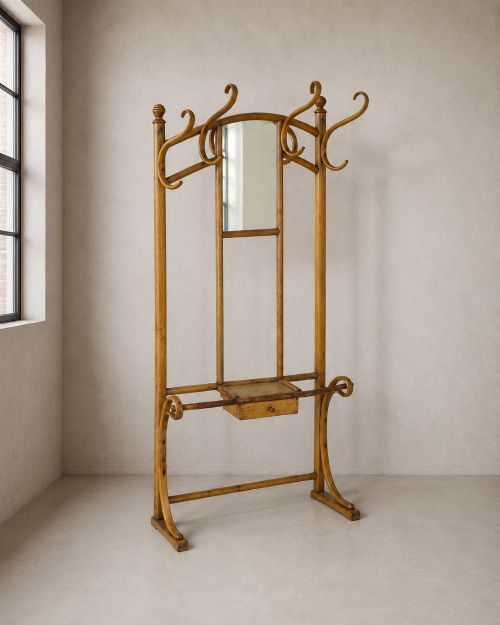
You are most likely to meet bentwood examples constructed from beech or beechwood, alongside substantial oak hall stands fitted with mirror panels, umbrella holders, and metal drip trays. Formats range from revolving designs and half-round demi-lune shapes that sit flush against a wall to heavy floor-standing posts.
Origins include English workshops, French makers, and Austrian houses, reflecting diverse domestic requirements for welcoming guests and storing everyday outdoor attire. Pieces frequently double as umbrella stands or incorporate wall-mounted racks alongside traditional freestanding hall trees.
Materials and construction
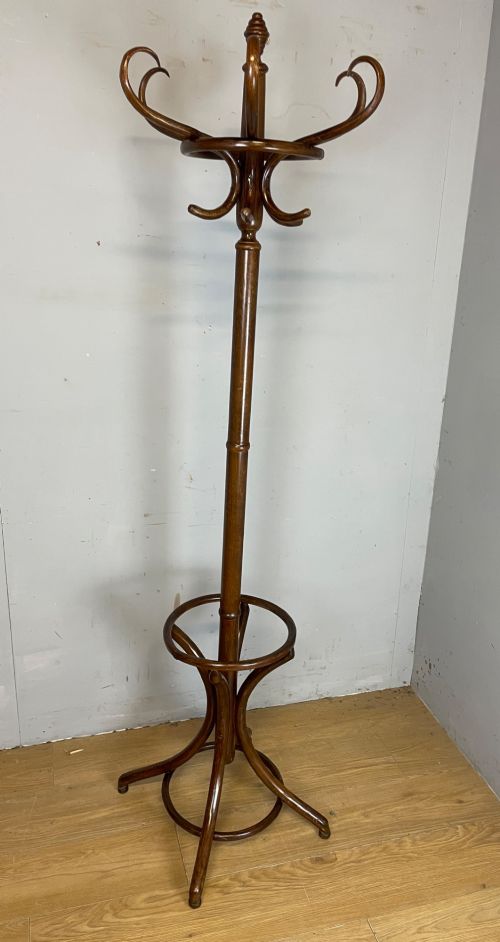
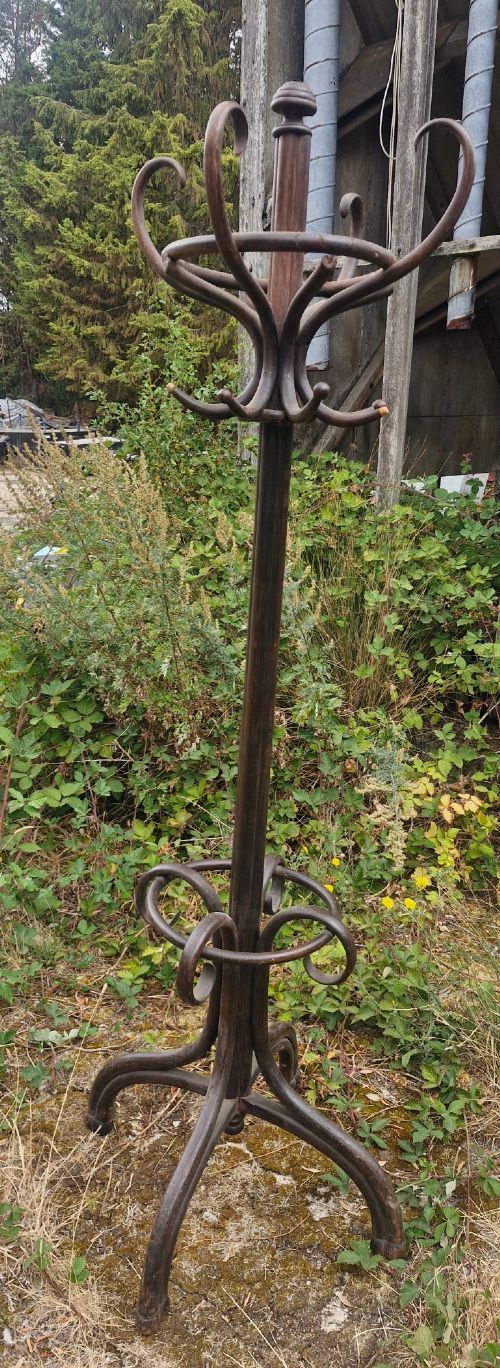
Makers utilised steam-bent beech to create the fluid, curved frames characteristic of bentwood hat trees, manipulating solid timber through heat and moisture into stable loops and hooks. This technique produced lightweight yet robust skeletons capable of supporting heavy garments without tipping.
Solid oak, walnut, and mahogany form the structural framework for heavier Victorian and Edwardian hall stands, often complemented by brass hooks, cast iron drip trays, and glass or mirrored backings. Joinery relied on traditional framing methods, secure pegging, and sturdy iron brackets to anchor umbrella wells.
Early twentieth-century makers even adapted cast iron into faux bamboo frames.
Markers of construction and design
The distinction between standard utility items and superior examples lies in the weight of the timber and the complexity of the steam bending. Heavier gauges of beech and dense quarter-sawn oak provide greater stability, whereas lesser pieces utilise thinner sections prone to flexing under heavy winter coats.
Detailing separates finer workshop productions from ordinary hall furniture, evident in crisp hand-carving, original brass hardware, and integrated cast iron components. The presence of makers' stamps, intact mirror plates, and original drip trays preserves the integrity of the piece.
J. Parker of Woodstock·Astrola·Jas. Shoolbred
The Vintage Hat Tree Glossary
- Bentwood
- Furniture formed by steaming strips of wood and bending them into curved shapes. This technique defines the lightweight, looping profiles of many twentieth-century hat stands.
- Demi-lune
- A half-moon shape designed to stand flat against an entryway wall. These half-round stands conserve floor space while offering full hanging capacity.
- Hall stand
- A tall piece of hall furniture combining coat hooks, a hat shelf, an umbrella well, and frequently a central mirror. They served as the primary greeting point in period homes.
- Treen
- Small handmade wooden domestic objects. Hat blocks fall into this category of utilitarian turned items.
- Revolving
- A design incorporating a rotating upper section for easy access to multiple garments. This mechanism allows users to spin the crown to reach specific coats.
Vintage Hat Tree: Frequently Asked Questions
What is a vintage hat tree?
A vintage hat tree is a freestanding vertical post or frame equipped with multiple wooden or metal prongs designed specifically for hanging hats, coats, scarves, and walking sticks.
These pieces typically date from the Victorian and Edwardian eras, serving as practical hallway furniture for organising outdoor garments before entering the main rooms of a house.
How do you tell bentwood from other wood?
Bentwood is distinguished by its smooth, continuous curves without visible joints, created by steaming solid timber until pliable and bending it into shape.
Unlike traditional joinery that relies on glued or pegged corners, bentwood relies on the tension and memory of the steamed grain, most commonly seen in beech.
Where should a hall stand go?
A hall stand belongs in an entryway, vestibule, or hallway where family members and visitors naturally remove outerwear upon entering the home.
Freestanding models require sufficient clearance around the base so coats hang freely without blocking doorways, while demi-lune and wall-mounted versions suit narrower corridors.
How are umbrella stands integrated?
Umbrella stands are built directly into the lower base of many hall stands, featuring enclosed wooden wells or metal rings positioned above removable drip trays.
The metal tray catches moisture from wet umbrellas, protecting the wooden floorboards or carpet beneath the stand from water damage.