

Vintage Hat and Coat Stand
A vintage hat and coat stand offers an organised drop zone for outerwear while anchoring an entryway with period character.
Vintage Hat and Coat Stand
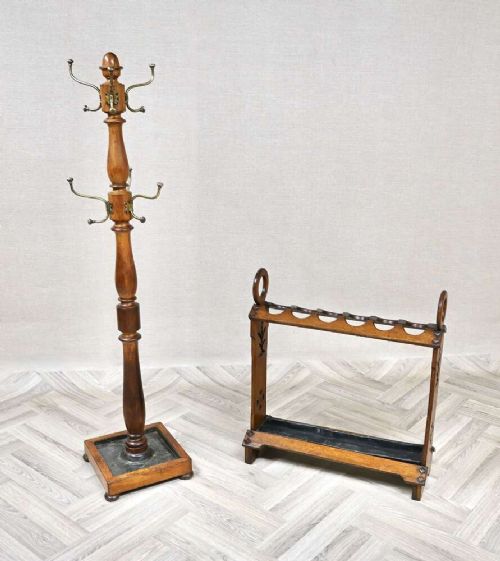
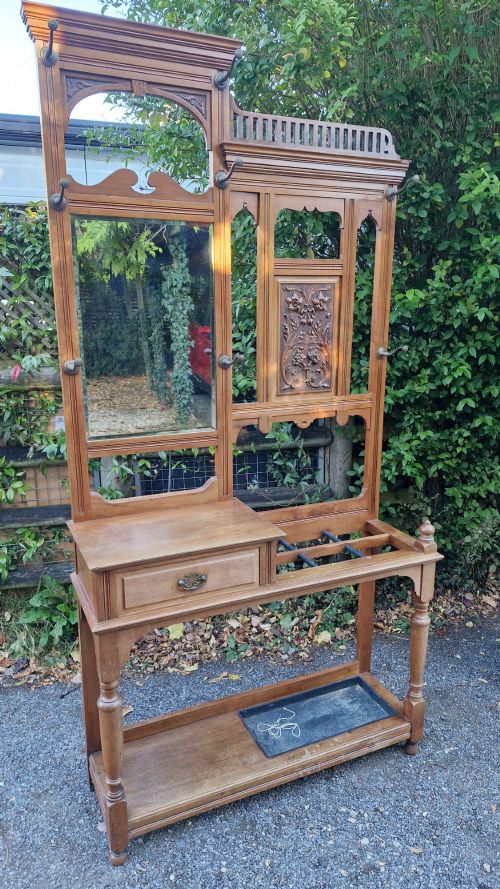
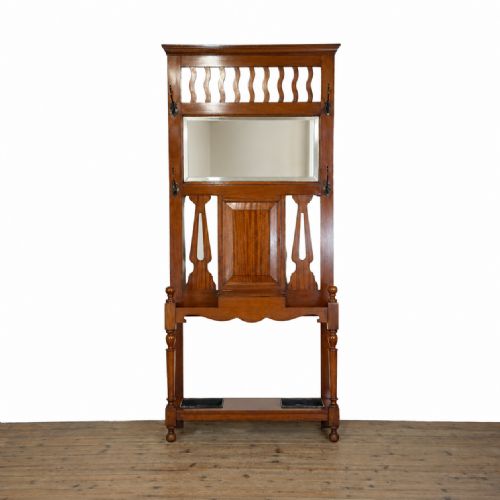
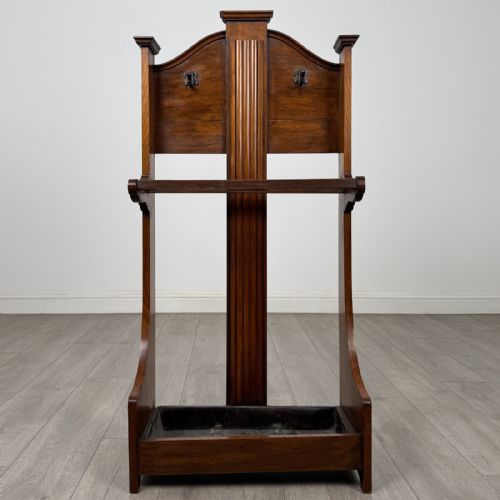
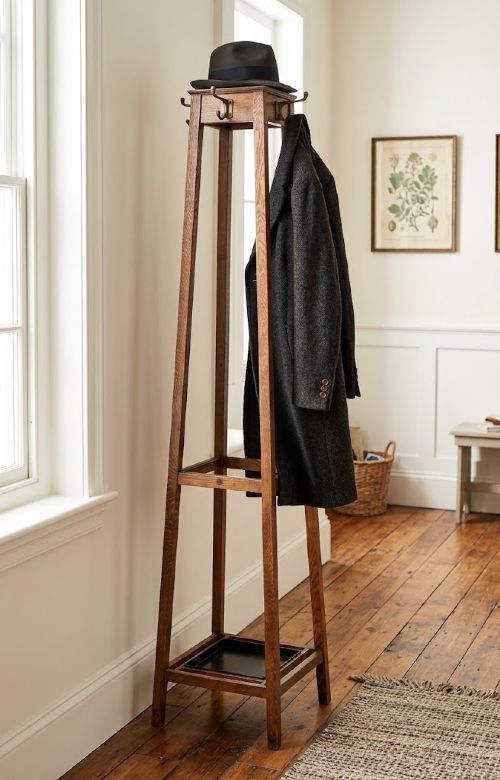
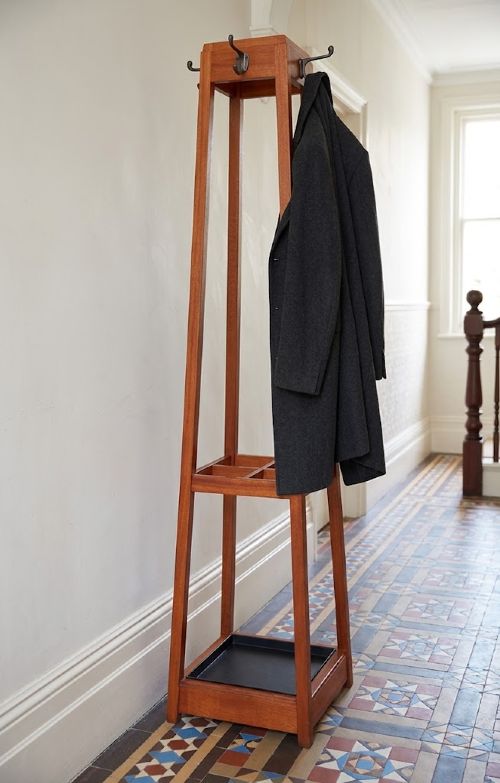
A vintage hat and coat stand combines upright support with hooks for garments, frequently incorporating umbrella holders, mirrors, or drip trays for hallway utility. These furnishings range from compact wall-mounted racks to substantial floor-standing hall trees designed to manage outdoor apparel.
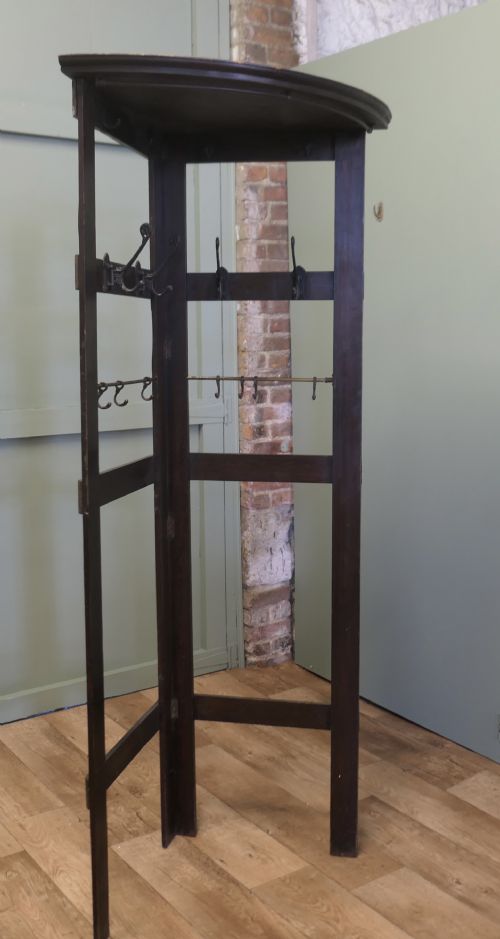
The selections encountered on this page stretch from nineteenth-century designs through the Edwardian era and into the early twentieth century. Makers utilised diverse configurations, including revolving frames, half-round shapes suited for tight spaces, and portable folding formats.
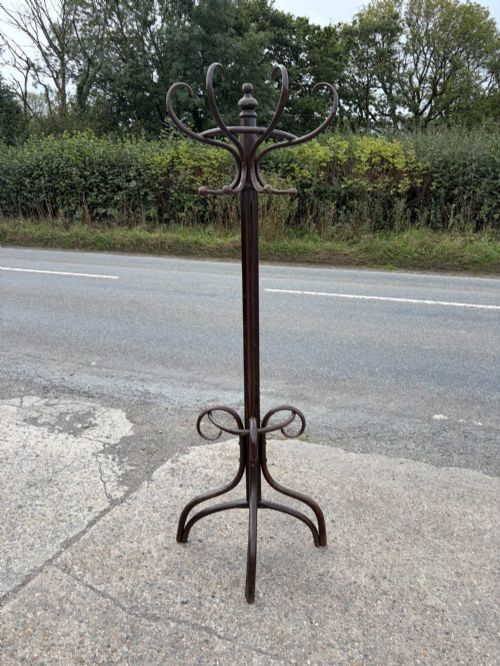
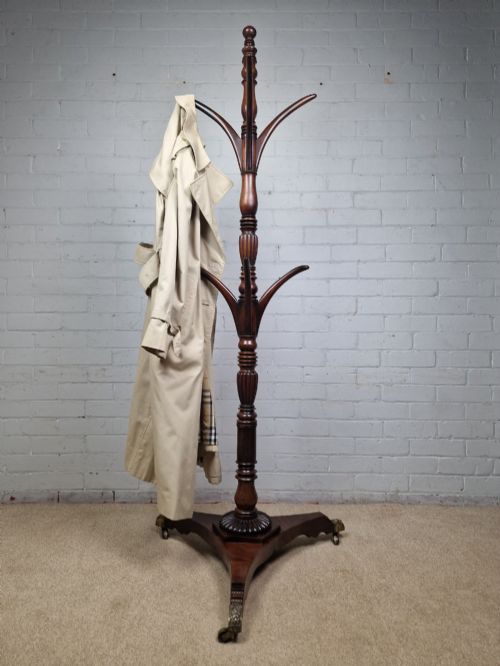
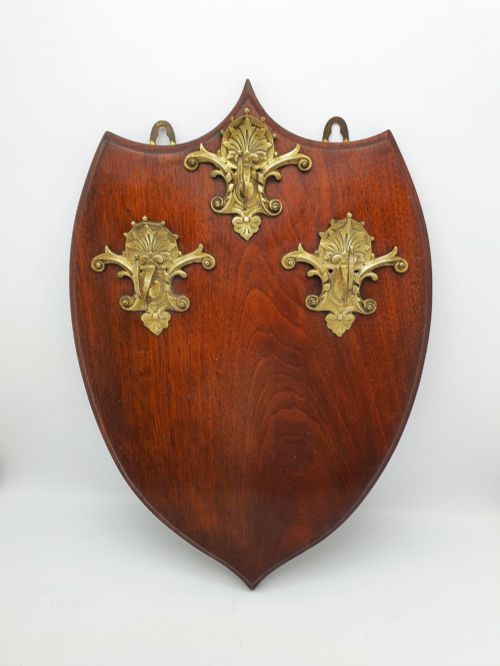
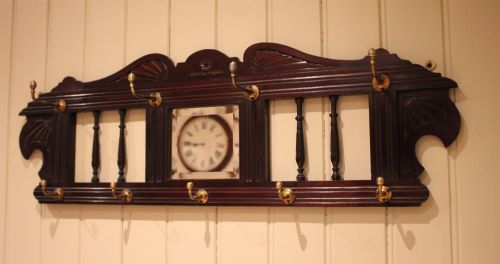
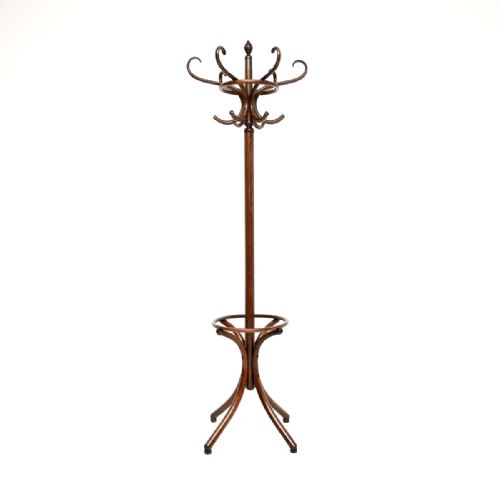
Oak, mahogany, bentwood, and cast iron dominate the structural forms of a vintage hat and coat stand. Buyers often select between floor-standing coat trees and wall-mounted wooden plaques fitted with brass hooks.
Materials and construction
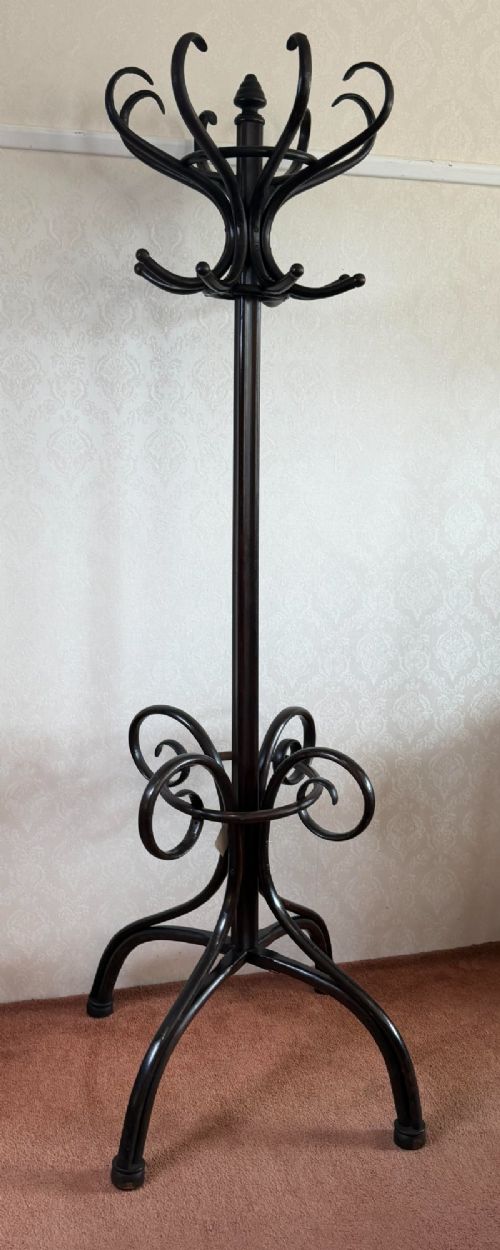
Woodworking techniques define the solid oak, walnut, and mahogany pieces, often enhanced by carved details, turned columns, and integrated mirrors. Steam-bent beechwood forms the lightweight, curving profiles seen in bentwood designs.
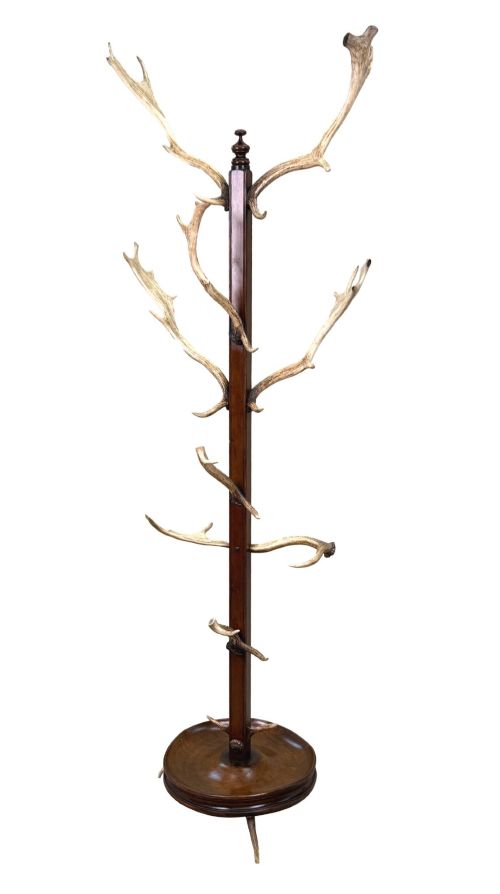
Metal elements appear in cast iron frames, brass hooks, and zinc or metal drip trays intended to catch moisture from umbrellas and sticks. Natural materials such as stags horn and bamboo also contribute to the construction of specific nineteenth-century hall stands.
Vintage Hat and Coat Stand Retail Price Guide 2026
Typical asking prices for vintage hat and coat stand among the pieces listed under this phrase on Sellingantiques today, from the lower quarter to the upper quarter. They describe what is for sale here now, not the wider market.
Several stands incorporate actual stags horns and bamboo, proving that Victorian hallways welcomed the great outdoors right through the front door.
Distinctions in quality
The grade of timber and the complexity of the joinery separate standard examples from finer productions. Solid hardwoods and intricate hand-carved ornamentation indicate superior execution compared to simpler utility items.
Maker attribution elevates certain pieces, particularly marked bentwood items or documented foundry work. The integrity of original hooks, mirrors, and drip trays preserves the operational completeness of the object.
Thonet·J. Parker of Woodstock
The Vintage Hat and Coat Stand Glossary
- Bentwood
- Furniture formed by steaming wood until pliable and bending it into curved shapes. This technique created lightweight, resilient coat stands popular across the late nineteenth and early twentieth centuries.
- Hall tree
- A tall hallway furnishing combining a coat stand, hat hooks, a mirror, and bench seating or umbrella storage. These multifunctional items served as central reception pieces in period homes.
- Demi lune
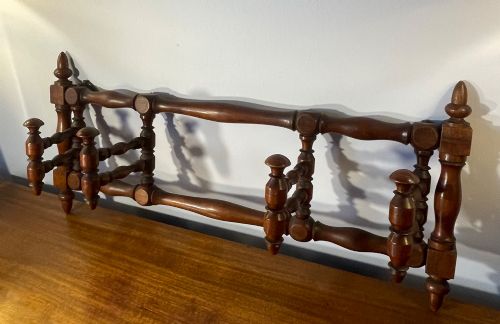
- A half-moon shape used for wall-mounted or half hall stands designed to sit flush against an entryway wall. This profile maximises floor space in narrow corridors.
- Drip tray
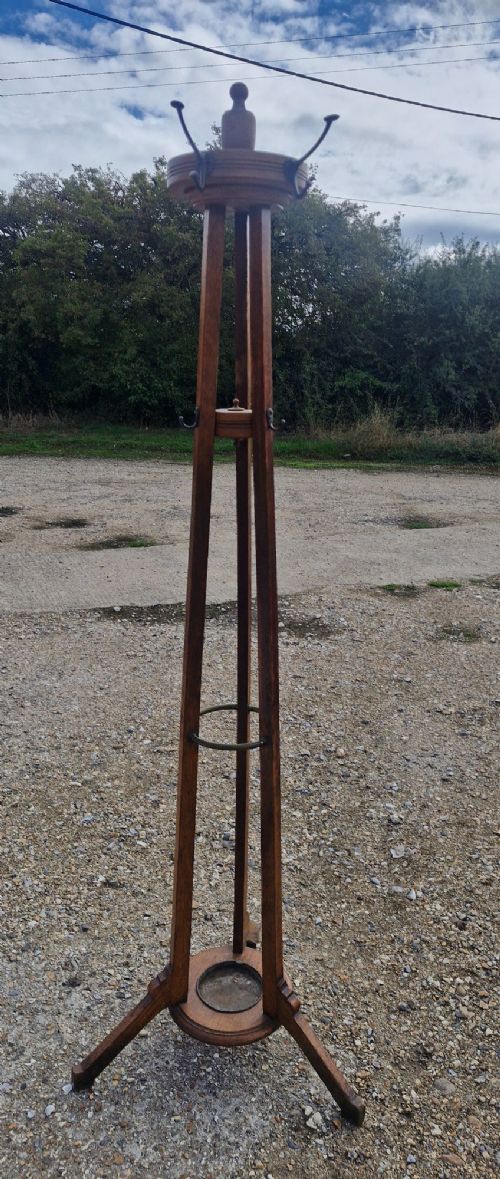
- A metal basin positioned at the base of a stand to catch water from wet umbrellas and walking sticks. These trays protected wooden floors from moisture damage.
- Aesthetic Movement
- A late nineteenth-century design style emphasising visual beauty over narrative content, often expressed through bamboo and exotic materials in hallway furnishings.
Vintage Hat and Coat Stand: Frequently Asked Questions
How do I choose the right stand for a small hallway?
Consider half-round bentwood stands or wall-mounted racks that utilise vertical space without blocking foot traffic. These compact formats provide hanging options while maintaining clearance in narrow entryways.
Measuring the available wall space and checking the depth of the base ensures the furniture fits comfortably alongside doors and passageways.
What is the difference between a hall stand and a coat stand?
A coat stand generally focuses on vertical uprights with arms for hats and coats. A hall stand often includes integrated mirrors, umbrella holders, and panelled wooden backs.
Traditional hall stands functioned as central architectural units for a home entrance, whereas standalone coat racks offered simpler garment storage.
How should I care for antique wood and bentwood furniture?
Keep wooden stands away from direct heat sources and sudden temperature fluctuations to prevent timber splitting or steam-bent joints from warping. Dust surfaces regularly with a soft, dry cloth.
Applying appropriate wax occasionally helps maintain the finish of mahogany and oak without building up residue.
How can I date a hat and coat stand?
Examine the materials, construction methods, and stylistic cues such as Art Nouveau carvings or Aesthetic Movement bamboo framing. Victorian and Edwardian pieces frequently display distinct joinery and hardware traits.
Maker stamps on bentwood frames or foundry marks on cast iron components provide direct evidence of production periods.