





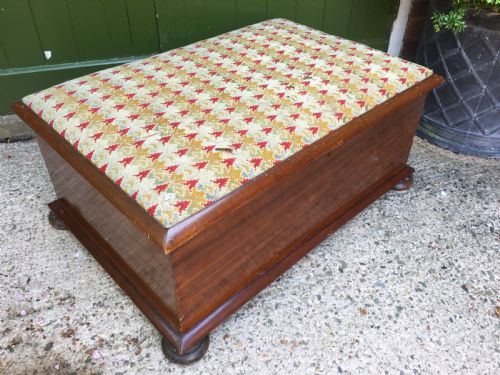


Vintage Hassock
These vintage hassock examples are low upholstered seats and footstools spanning periods from the Regency era through to the mid-twentieth century, offering practical comfort and period character.
Vintage Hassock
When you search for a vintage hassock, you are looking at low seats, footstools, and ottomans designed for resting the feet or sitting close to the hearth. The pieces on this page range from compact footstools to large ottomans, spanning periods from the Regency era and Victorian times through the Edwardian period and the 1930s.
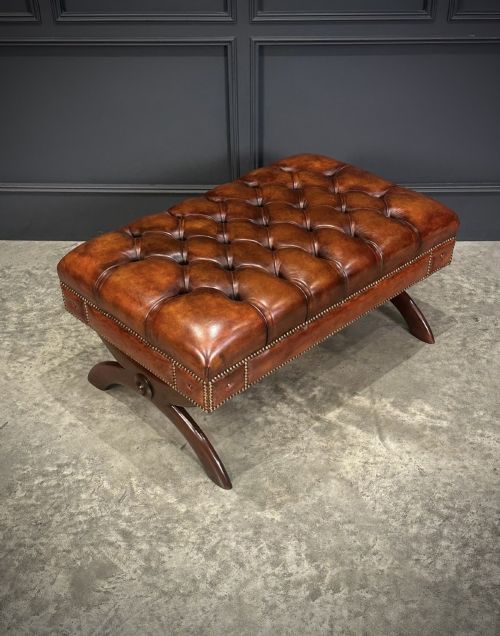
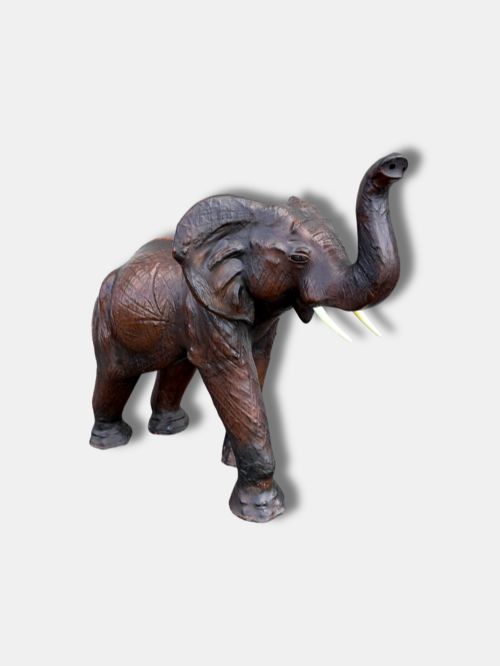
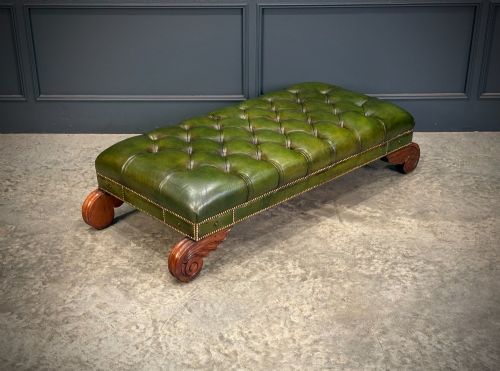
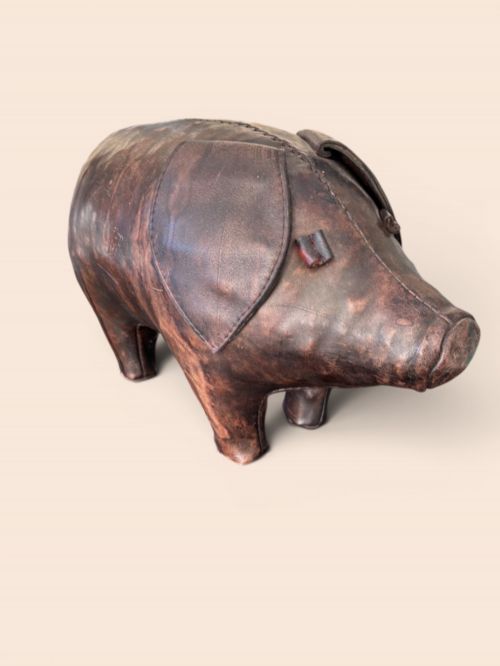
You will encounter simple timber framed stools alongside novelty animal forms such as leather elephants and pigs associated with makers like Liberty. Styles cover formal Victorian upholstery, Regency green leather, Queen Anne Revival, and Edwardian chinoiserie, reflecting the domestic habits of each decade.
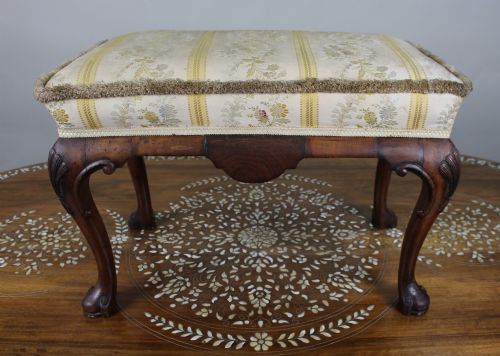
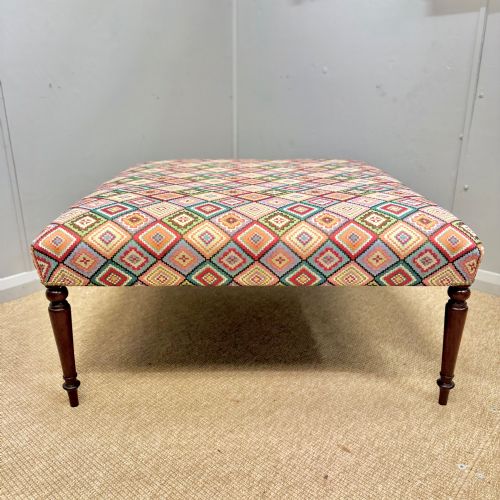
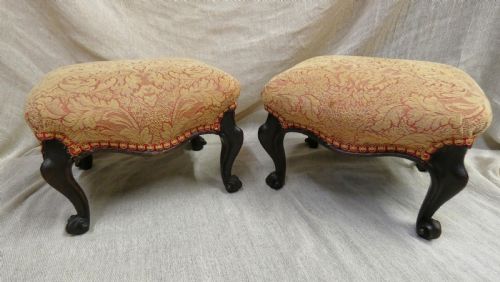
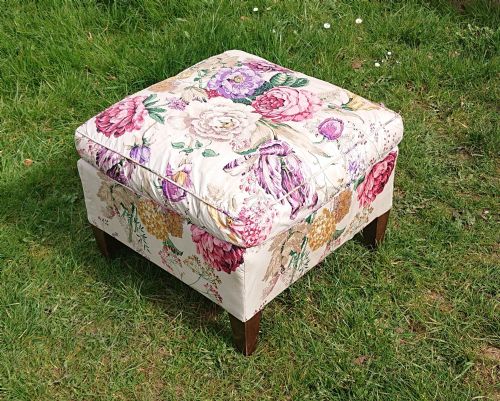
Most examples function as flexible seating or foot rests in living spaces, combining timber frames in mahogany, walnut, or giltwood with textile, cotton, leather, or gros-point needlework tops. Their varied forms include square footstools, long benches, and novelty figural pieces.
How they were made
Makers built these pieces using solid timbers such as mahogany, walnut, and various woods for the structural frames, often carving the legs in styles ranging from Regency to Baroque. Brass details sometimes appear on mounts or castors, while lacquered finishes define pieces like the Edwardian chinoiserie stools.
Upholstery forms the core of the construction, utilising buttoned leather, cotton, fabric, and hand-worked gros-point needlework. Novelty animal stools employ shaped leather stretched over internal structures, capturing distinct forms through careful stitching and hand dyeing.
Vintage Hassock Retail Price Guide 2026
Typical asking prices for vintage hassock among the pieces listed under this phrase on Sellingantiques today, from the lower quarter to the upper quarter. They describe what is for sale here now, not the wider market.
Some nineteenth-century households rested their feet on leather pigs and elephants.
What varies in quality
The distinction between standard domestic pieces and superior examples lies in the integrity of the timber frame and the ambition of the upholstery. Finer pieces display refined carving on woods like mahogany and walnut, or feature specialist materials such as hand dyed buttoned leather and original needlework tops.
Provenance and attribution elevate certain items, particularly those linked to notable workshops like Howard and Sons or Liberty. The execution of decorative details, from black lacquered chinoiserie to figural leather animal forms, determines the standing of each individual stool.
Howard and Sons·Omersa Workshop·Liberty
The Vintage Hassock Glossary
- Hassock
- A thick cushion used for kneeling or a small upholstered footstool placed by a chair. These pieces provide low seating and foot support in traditional interiors.
- Ottoman
- A low upholstered seat or bench without a back or arms, sometimes large enough to double as a table. They often feature hinged tops for storage.
- Gros-point
- A coarse needlepoint stitch used on canvas to create durable and decorative textile covers. It frequently appears on nineteenth-century stool tops.
- Chinoiserie
- European decorative art influenced by Chinese artistic styles, popular in lacquered furniture. Edwardian examples often showcase this dark decorative finish.
- Giltwood
- Timber treated with gold leaf or gilt preparation to simulate solid gold ornament. It characterises more ornate nineteenth-century seating.
Vintage Hassock: Frequently Asked Questions
What is a vintage hassock?
A vintage hassock is a low upholstered seat or footstool originating from earlier decades, designed for domestic comfort.
They serve as flexible additions to a room, functioning as foot rests or extra low seating.
How do I style a vintage footstool?
These pieces fit naturally beside armchairs or sofas to provide practical foot support.
Their varied frames, from mahogany to leather animal shapes, also allow them to stand alone as decorative accents.
How are different periods identified?
Periods are recognised through a combination of timber choice, leg shape, and upholstery style. Regency pieces show classical restraint, while Victorian items often feature heavier mahogany frames and buttoned leather.
Later Edwardian and 1930s examples introduce lacquered finishes and novelty leather figures.
Were novelty leather stools common?
Novelty leather stools shaped as animals, such as pigs and elephants, were produced by workshops like Omersa for retailers including Liberty.
They combined functional seating with whimsical decorative appeal for English country houses.