



Vintage Hardwood Armchair
A vintage hardwood armchair brings sculptural timber form and deep carving to a room, drawing on global traditions from the eighteenth century to the art deco era.
Vintage Hardwood Armchair
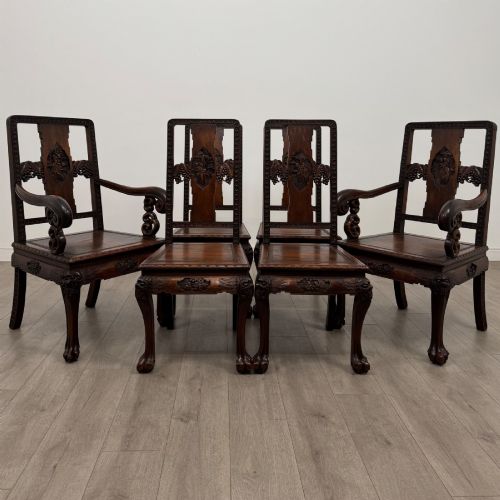
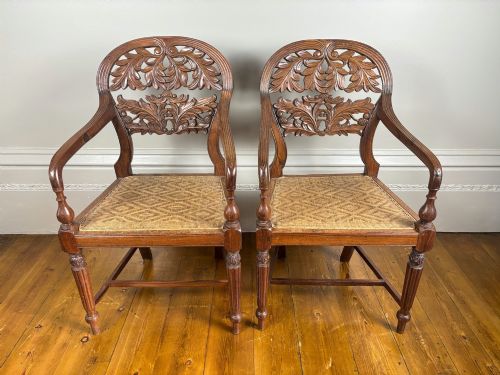
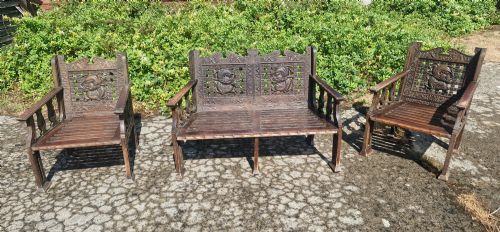
A vintage hardwood armchair gathers heavy seating forms produced across multiple centuries, ranging from eighteenth-century Chinese export designs to nineteenth-century Anglo-Indian workshops and early twentieth-century creations.
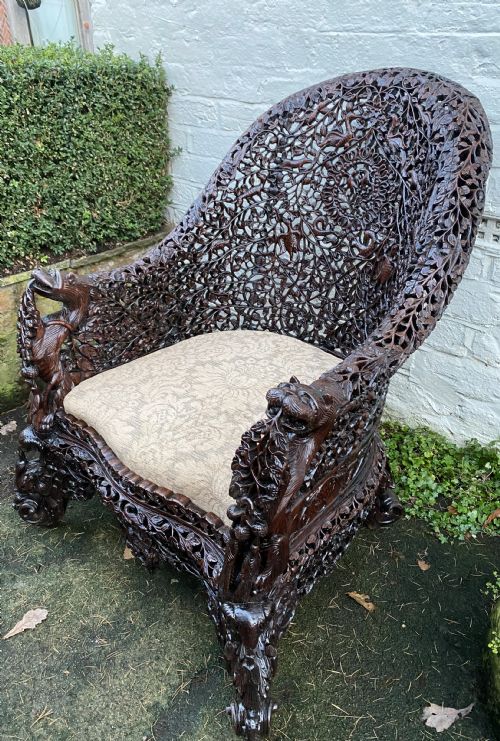
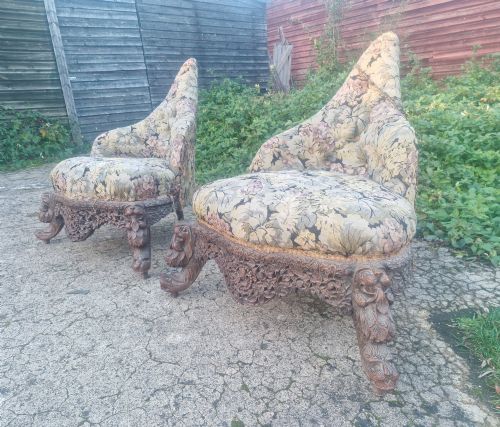
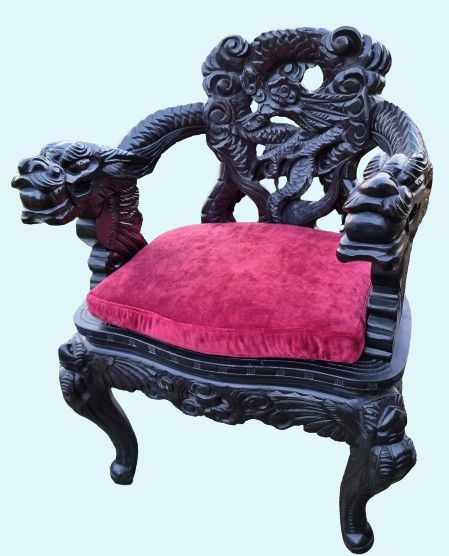
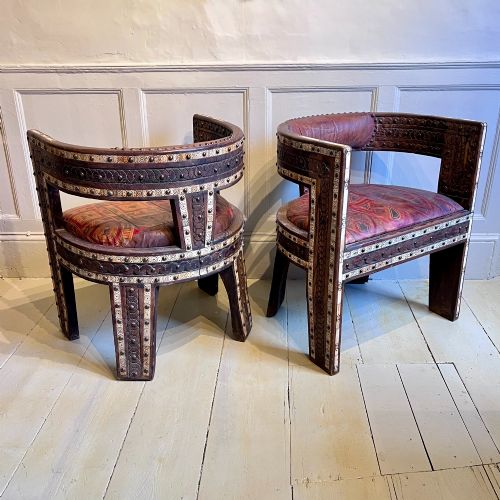
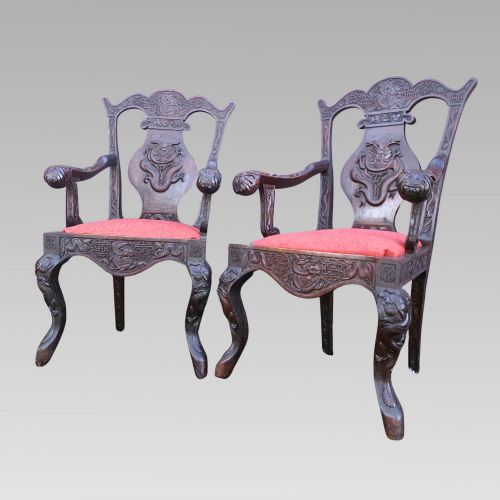
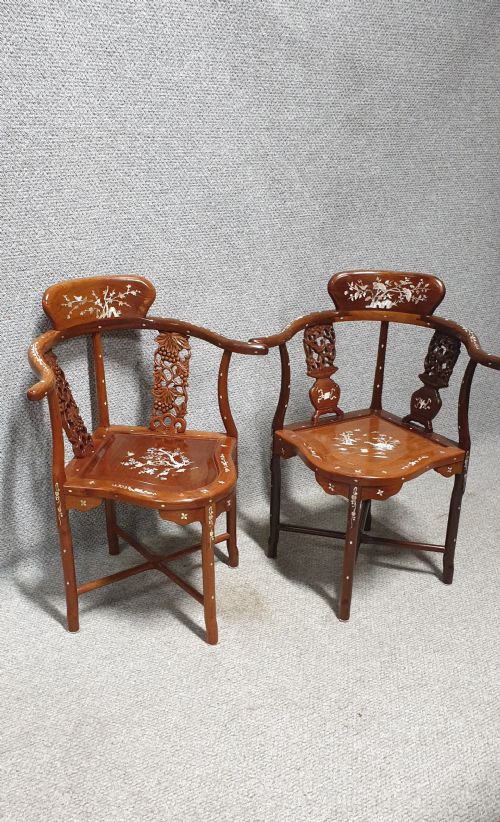
The pieces on this page lean heavily toward carved oriental aesthetics, encompassing horseshoe backs, corner chairs, day beds, and substantial dragon armchairs.
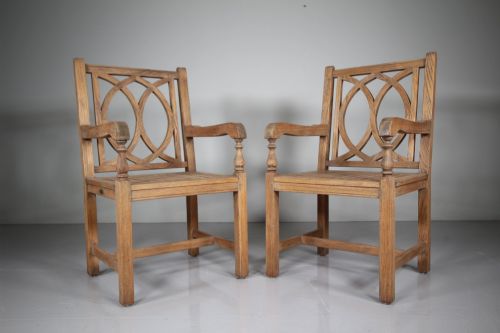
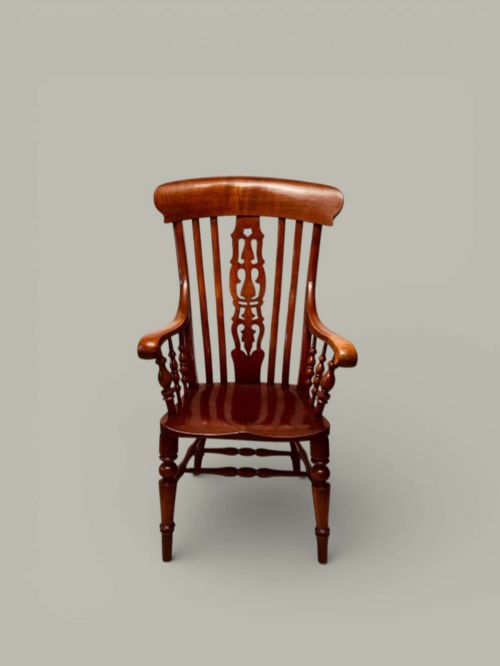
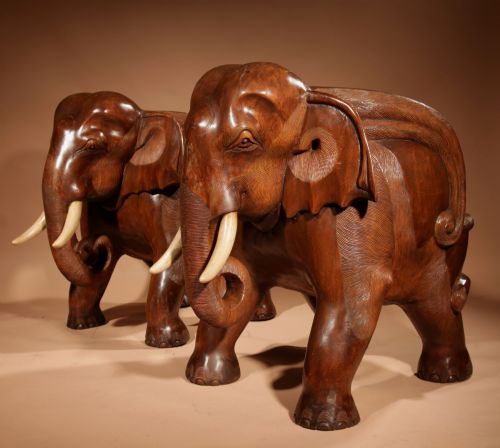
Makers utilised dense timbers and worked within distinct regional traditions, producing seating that functions equally as sculptural art and sturdy furniture.
Materials and construction
Constructed primarily from resilient timber categories, these chairs employ substantial rosewood, teak, elm, and general hardwoods that support intricate chiselling and deep relief carving.
Many examples incorporate secondary materials such as cane seating, supple leather upholstery, bone inlay, and plush velvet cushions to contrast against the dark timber frames.
Vintage Hardwood Armchair Retail Price Guide 2026
Typical asking prices for vintage hardwood armchair among the pieces listed under this phrase on Sellingantiques today, from the lower quarter to the upper quarter. They describe what is for sale here now, not the wider market.
Assessing quality and build
Superior examples display crispness and depth in the carved motifs, where dragons, foliage, and geometric patterns remain sharp without softening from excessive wear or poor restoration.
Structural integrity relies on the original joinery of the dense timber, distinguishing sturdy historic frames from those weakened by loose joints or moisture exposure over the decades.
The Vintage Hardwood Armchair Glossary
- Hardwood
- Timber derived from broad-leaved trees such as rosewood, teak, and elm, offering the density required for fine carving. These woods resist denting and provide the heavy structure necessary for large armchairs.
- Chinese Export
- Furniture produced in China specifically for Western markets, often blending traditional Asian forms with European comfort requirements. This category includes corner chairs and horseshoe-back seating.
- Anglo-Indian
- Pieces manufactured in India during the colonial period, combining British furniture proportions with traditional Indian carving techniques and native timbers. These designs frequently feature elaborate floral and fauna reliefs.
- Savonarola chair
- A folding chair of X-shaped curved slats originating in the Renaissance and adopted globally in later revival periods. The design collapses into a flat frame while maintaining sturdy support.
- Corner chair
- A seating form designed to fit into ninety-degree room angles, featuring a diagonal seat and a continuous curved backrest supported by multiple posts.
Vintage Hardwood Armchair: Frequently Asked Questions
How do I date a hardwood armchair?
Dating relies on examining the timber grain, tool marks left by the maker, and the specific stylistic vocabulary of the period. Eighteenth-century pieces often show different joinery methods compared to Edwardian or art deco interpretations.
Secondary materials like cane, leather, or bone inlay also provide clues, though upholstery is frequently replaced over time. Comparing the carving depth with documented examples from the same region helps narrow the decade of production.
Where should I place a carved armchair?
These sculptural seats demand space to be appreciated from multiple angles, making them well-suited as focal points in studies, hallways, or spacious living rooms. Pairing them with minimalist modern furniture highlights their intricate timber carving.
Avoid positioning heavy hardwood chairs in direct sunlight or beside intense heat sources, as extreme temperature shifts cause dense timbers to split. Regular dusting and occasional wax application keep the timber nourished.
Are these chairs comfortable for daily use?
While historic armchairs were built with specific postures in mind, comfort levels vary depending on whether the design includes plush velvet cushions, leather pads, or rigid timber slats. Day beds and larger conservatory suites offer more relaxed lounging positions.
Buyers seeking everyday seating often look for models fitted with supportive upholstery or add loose cushions to soften the rigid timber frame without altering the vintage structure.