

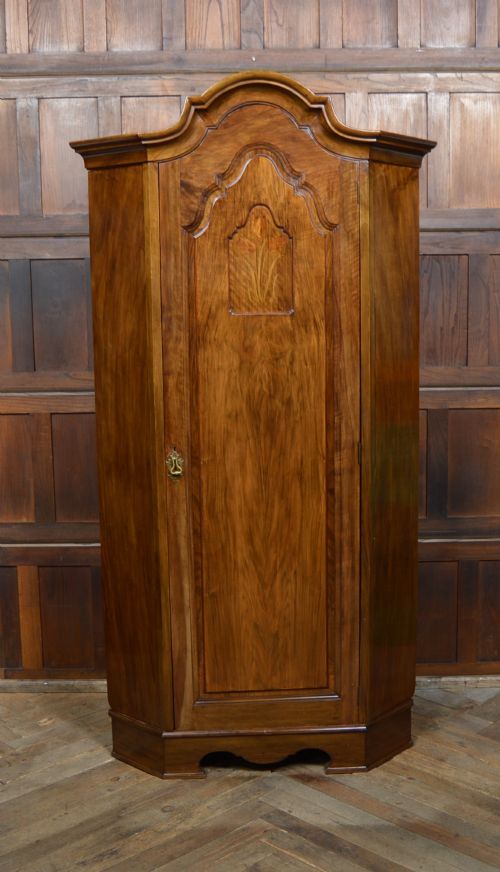
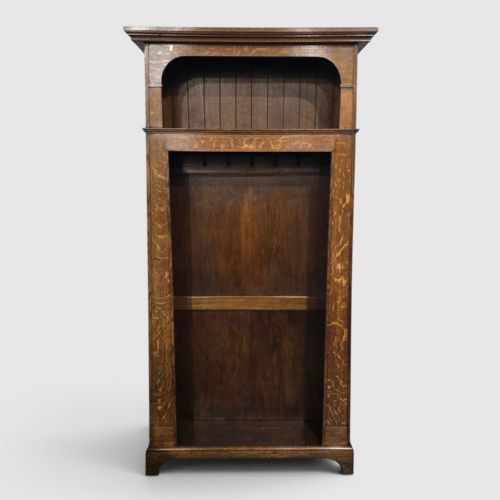


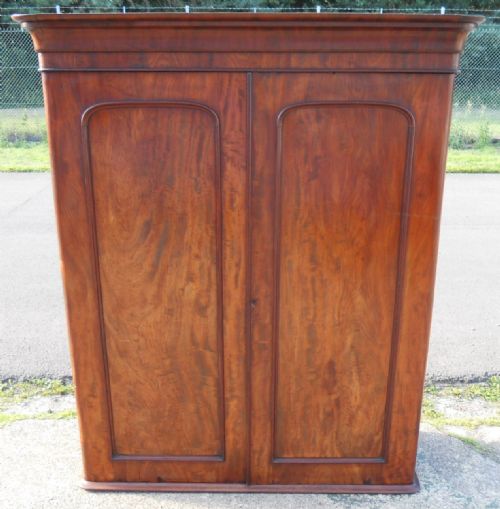


Vintage Hanging Wardrobe
These vintage hanging wardrobe examples offer practical clothes storage crafted from timber like mahogany, oak, and walnut across several historic periods.
Vintage Hanging Wardrobe
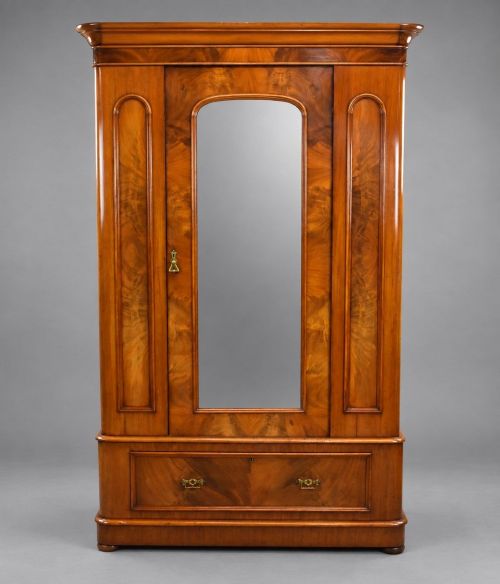
A vintage hanging wardrobe provides essential garment storage, appearing in forms ranging from full-height bedroom cupboards to corner cabinets and hall robes. Buyers seeking a vintage hanging wardrobe often encounter single-door and two-door mahogany pieces from the Victorian era alongside earlier Georgian designs.
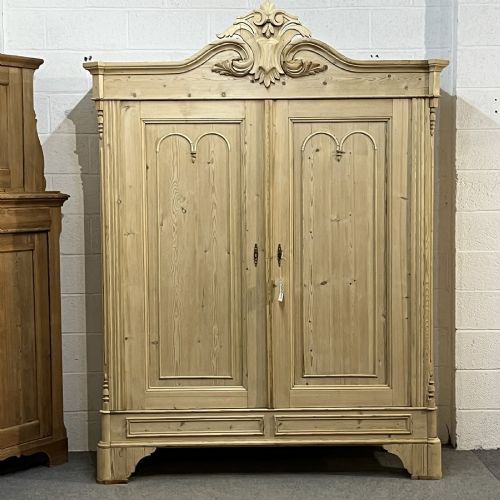
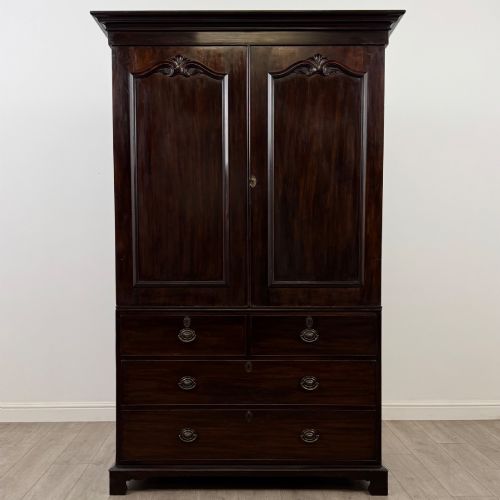
The inventory includes various related storage formats such as linen presses, corner cupboards, and armoires. Oak and walnut examples from the eighteenth and nineteenth centuries appear frequently alongside specialised corner robes.
Originating from periods spanning the seventeenth century through to the 1920s, these pieces reflect changing domestic storage needs. The selection bridges formal bedroom furniture and compact hallway utility.
How they were made
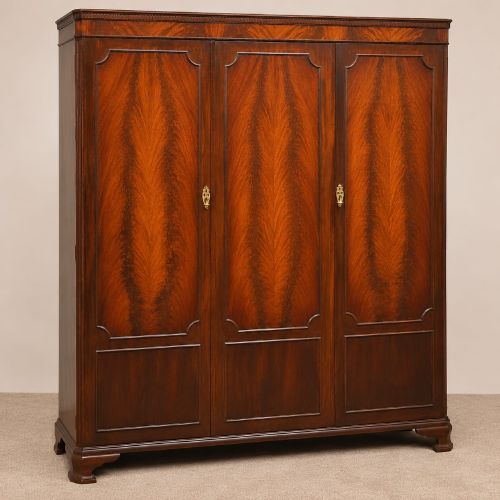
Cabinet makers utilised solid timbers including mahogany, oak, and walnut, frequently applying flame mahogany veneer and boxwood stringing for decorative contrast. Surfaces often feature rich natural grain patterns enhanced by traditional polishing techniques.
Functional elements incorporated brass hardware such as hinges, escutcheons, and hanging hooks. Construction methods relied on sturdy joinery suited to heavy timber doors and internal hanging space.
Vintage Hanging Wardrobe Retail Price Guide 2026
Typical asking prices for vintage hanging wardrobe among the pieces listed under this phrase on Sellingantiques today, from the lower quarter to the upper quarter. They describe what is for sale here now, not the wider market.
The listings feature pieces spanning the 1700s, Georgian, Victorian, and Art Deco periods, constructed from mahogany, oak, walnut, and brass.
What varies in quality
Quality differences stem from the selection of timber, such as burr walnut or plum pudding mahogany, which determines the visual depth of the exterior. The refinement of mouldings and the crispness of applied boxwood details also distinguish finer examples from plain utility pieces.
Proportion and scale dictate desirability, particularly in compact corner robes and small fitted wardrobes designed for specific architectural spaces. Original brass fittings and intact structural joinery maintain the integrity of the piece.
The Vintage Hanging Wardrobe Glossary
- Flame mahogany veneer
- A thinly sliced section of mahogany timber exhibiting a flamy, undulating grain pattern. This decorative treatment is applied to primary surfaces for visual impact.
- Linen press
- A tall piece of furniture traditionally used for storing household linen and garments. These often combine upper shelving with lower drawers or hanging space.
- Burr walnut
- Timber harvested from walnut tree growths that produce complex, swirling grain patterns. It is typically utilised as a decorative veneer on statement furniture.
- Boxwood
- A dense, pale wood employed for stringing and inlay work. Craftsmen use it to create sharp contrasting lines on darker timber surfaces.
Vintage Hanging Wardrobe: Frequently Asked Questions
What is a vintage hanging wardrobe?
A vintage hanging wardrobe is an antique or period cabinet designed primarily for storing garments on hangers. These pieces originate from eras ranging from the Georgian period to the 1920s.
They appear in various formats including single-door hall robes, corner cupboards, and larger bedroom wardrobes constructed from timbers like mahogany, oak, and walnut.
How do I choose the right size?
Consider the available floor space and ceiling height in your room, keeping in mind that older wardrobes vary significantly in depth and width. Corner robes and single-door cupboards suit smaller spaces where traditional full-sized wardrobes overwhelm the room.
Check internal hanging depths to ensure standard coat hangers fit comfortably inside the specific cabinet configuration.
What woods were used?
Cabinet makers predominantly utilised hardwoods such as mahogany, oak, and walnut for structural stability and durability. Decorative finishes frequently incorporated flame mahogany veneer, burr walnut, and boxwood inlay.
These natural materials were polished to highlight the grain and colour variations typical of each historic period.
How do I identify the period?
Dating relies on architectural styling, construction methods, and timber choice, with Georgian pieces displaying distinct classical proportions and Victorian examples offering heavier timber construction. Details such as brass hardware, mouldings, and veneering techniques provide clear indicators of manufacturing eras.
Comparing the specific door configuration and overall form against known historical styles helps narrow down the date of origin.