

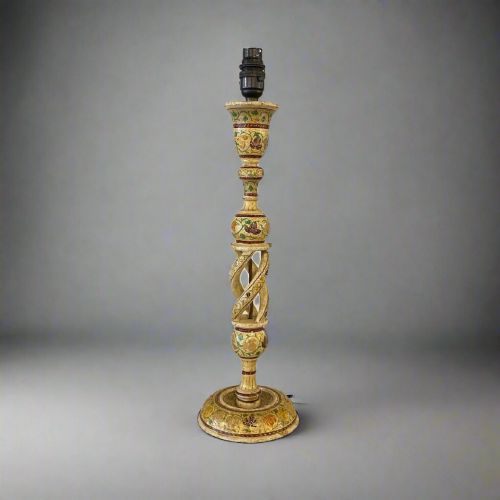
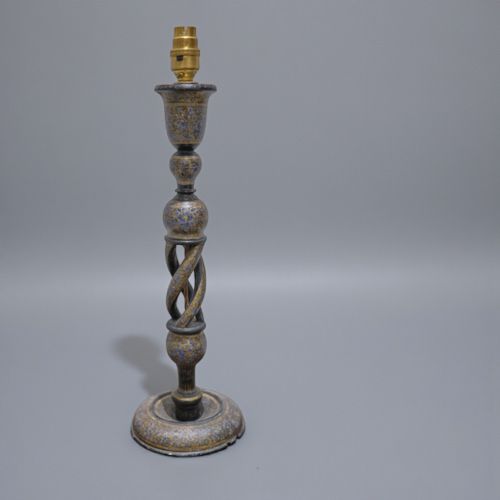
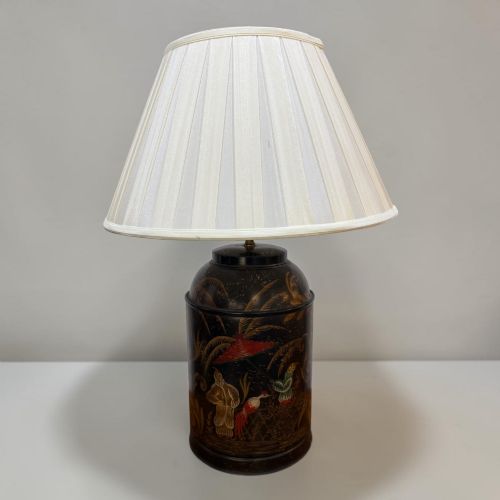
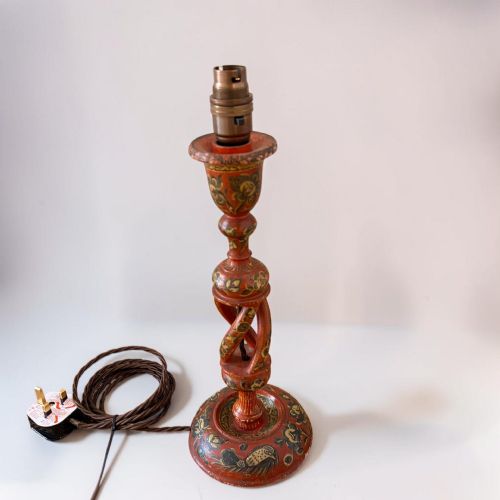

Vintage Hand Painted Table
A vintage hand painted table brings decorative lacquer, Chinoiserie scenes, and colourful floral finishes directly into a room.
Vintage Hand Painted Table
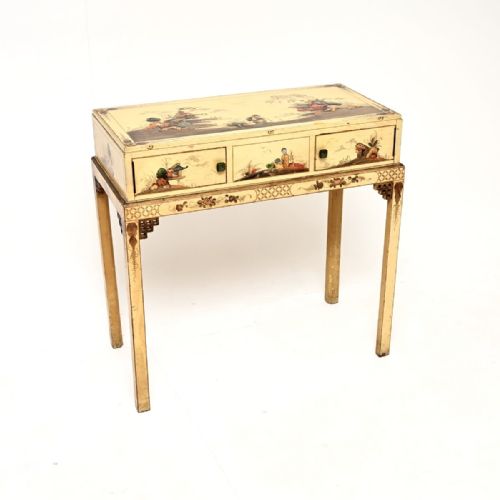
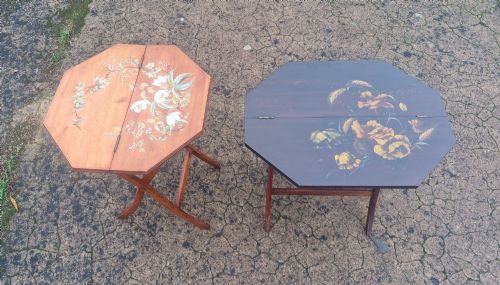
A vintage hand painted table encompasses diverse forms such as occasional tables, coffee tables, side tables, and tilt-top tables decorated with brushwork and pigments. These pieces emerge from periods spanning the Victorian and Edwardian eras through to the 1920s and 1930s.
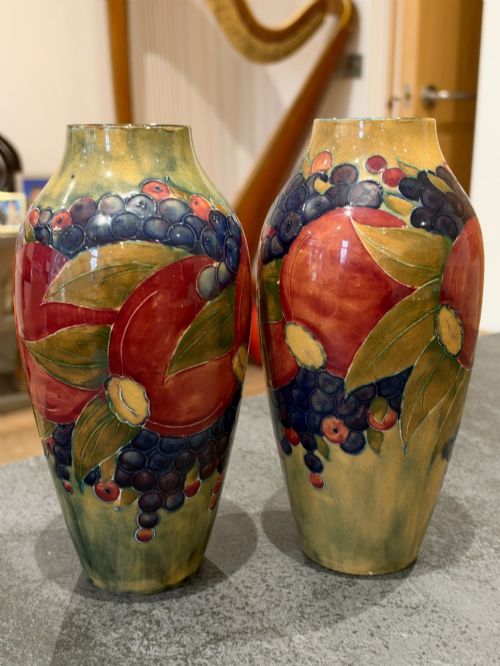
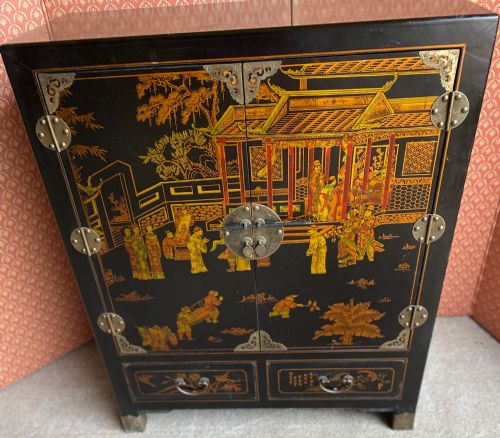
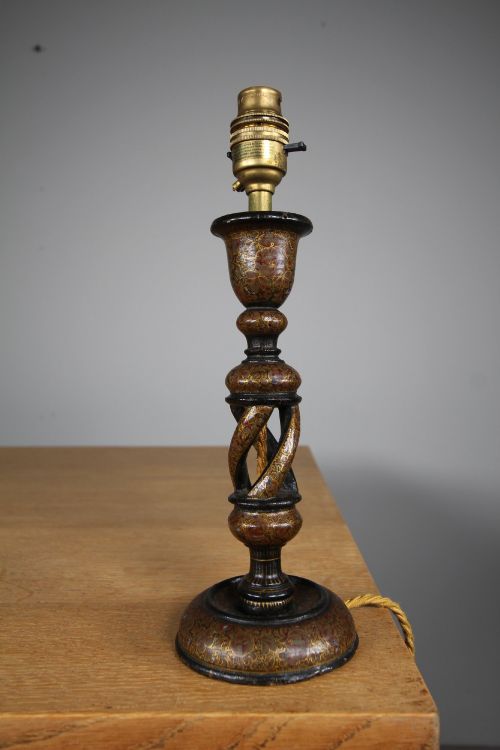
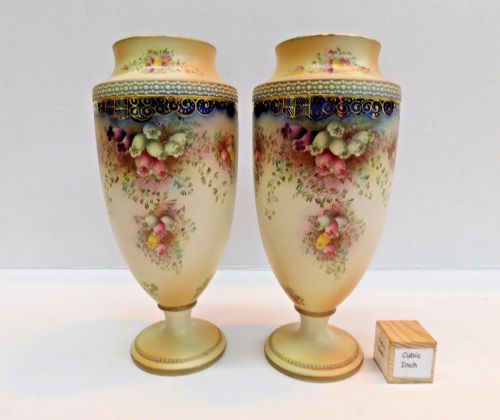
The aesthetic leans heavily towards Chinoiserie and Japanned finishes, alongside Sheraton Revival mahogany, French styles, and Kashmiri craftsmanship. Buyers encounter black, red, green, and ochre lacquer bases adorned with figurative or botanical motifs.
While the search phrase suggests a conventional table, the selection frequently includes side tables, low tables, drop-leaf tables, and occasional stands. These items serve functional roles while acting as focal points through their decorated surfaces.
Materials and construction
Makers utilised wood such as mahogany and walnut as foundational carcases, alongside papier-mache for lighter trays and tables. Surfaces received multiple layers of lacquer or paint before artists applied intricate hand-painted details.
Finishes often incorporate gilt gold, enamel, and varnish to protect the delicate pigment work underneath. Structural components range from carved wooden frames to tilt-top mechanisms and drop-leaf supports.
Vintage Hand Painted Table Retail Price Guide 2026
Typical asking prices for vintage hand painted table among the pieces listed under this phrase on Sellingantiques today, from the lower quarter to the upper quarter. They describe what is for sale here now, not the wider market.
Assessing the workmanship
The standard of the hand-painted decoration dictates the distinction between standard items and superior examples. Crisp, detailed brushwork executed by skilled hands elevates the visual depth of Chinoiserie and floral scenes far beyond simple stencilling.
The integrity of the lacquer or painted surface significantly impacts overall quality. Thick, glossy coats applied evenly over wood or papier-mache demonstrate superior craft compared to flat or chalky finishes that obscure the underlying material.
The Vintage Hand Painted Table Glossary
- Chinoiserie
- European interpretation and imitation of Chinese and East Asian artistic traditions, often rendered in lacquer and gilt. This style dominates the decorated furniture and lighting seen on this page.
- Japanned
- European method of finishing wood furniture in imitation of Japanese lacquer work. The technique involves dark grounds built up with varnish and detailed with gold or coloured paint.
- Papier-mache
- Composite material made from paper pulp or layers of paper bound with glue, then moulded and dried. It provides a lightweight yet durable base for decorative trays and occasional tables.
- Sheraton Revival
- Late nineteenth and early twentieth century design movement drawing inspiration from the neoclassical furniture of George Sheraton. These pieces often feature fine mahogany frames and delicate painted embellishments.
- Tilt-top table
- Table featuring a mechanism that allows the surface to pivot to a vertical position when not in use. This form saves space and displays the painted tabletop as a decorative panel.
Vintage Hand Painted Table: Frequently Asked Questions
How do I care for a painted wooden surface?
Dust regularly with a soft, dry cloth and keep the piece away from direct sunlight and moisture to protect the pigment layers.
Avoid chemical polishes or abrasive cleaners, as these can strip the lacquer or damage the delicate hand-painted details over time.
What is the difference between Chinoiserie and Japanned?
Chinoiserie broadly encompasses European artistic responses to Chinese motifs, featuring pagodas, figures, and landscapes in vibrant colours.
Japanned work specifically mimics Japanese lacquer techniques, typically utilising dark black or green grounds highlighted with raised gilt designs.
Can these tables be used daily?
These occasional and side tables function well for light daily use, such as holding lamps, books, or decorative objects.
Protecting the surface with coasters and avoiding heavy impacts will preserve the painted finish and underlying wood or lacquer.
How do I date a painted table?
Examining the timber construction, hardware, and underlying materials helps establish whether a piece belongs to the Victorian, Edwardian, or later twentieth-century periods.
Stylistic cues, such as Sheraton Revival proportions or 1930s coffee table heights, provide further chronological context alongside any maker signatures or stamps.